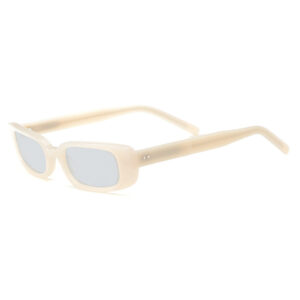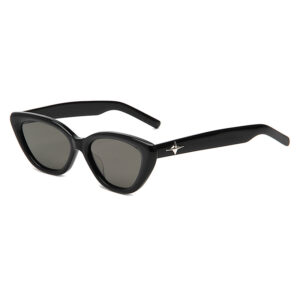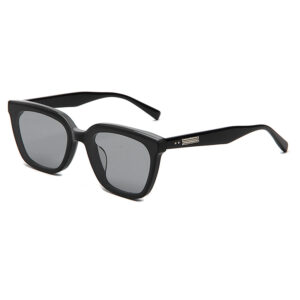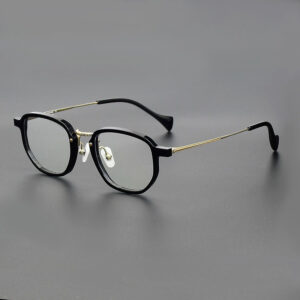
Are You Ready to Import Sunglasses from China to German?
Importing Sunglasses to Germany Can Be Profitable—But Only If You Avoid Costly Mistakes
Importing sunglasses to Germany can be a highly profitable opportunity—if done correctly. But many German wholesalers, opticians, and startup eyewear brands dive into imports from China without fully understanding EU product compliance, customs procedures, or the risks of working with the wrong supplier.
The result?
Delayed containers. Products held at customs. CE compliance issues. And worst of all—profit margins eroded before your sunglasses even reach the shelf.
The eyewear industry in Germany is thriving, driven by strong demand for fashionable, functional, and UV-protective eyewear. But the competition is fierce. If you don’t import smartly and in full compliance, you’re already falling behind.
At EyewearBeyond, we’ve helped numerous European eyewear businesses—from Berlin boutiques to e-commerce startups—scale confidently by sourcing directly from our certified eyewear factory in China. Whether you’re in Munich, Frankfurt, Cologne, or Hamburg, this guide will walk you through the exact steps to successfully import sunglasses from China to Germany.
To import sunglasses from China to Germany, you need to:
- Understand the correct HS Code for sunglasses and how it applies under German customs (9004.10)
- Choose the right INCOTERMS (like FOB or DDP) to manage cost and responsibilities
- Prepare all required documents: Commercial Invoice, Packing List, Certificate of Origin, and CE Declaration
- Ensure your sunglasses meet EU regulations, including CE marking, UV400 lens protection, and correct labeling
- Calculate your import VAT (19%) and check for any applicable customs duties
- Work only with a reliable eyewear supplier that offers compliant products, stable lead times, and packaging suited for the European market
Handled properly, importing sunglasses from China can give you a price and branding advantage in the German eyewear market. Handled poorly? It can cost you weeks of delay, lost revenue, and even legal penalties.
Keep Reading If You Want to Import Without Headaches
Germany is one of Europe’s most lucrative markets for sunglasses—combining design-conscious consumers with growing awareness of eye protection. But succeeding in this space means more than just picking nice frames. You need a bulletproof supply chain, certified products, and smart logistics.
In the next sections, we’ll walk you through the step-by-step process of importing sunglasses into Germany, answer the most common questions from our EU clients, and help you avoid costly mistakes that derail new importers.
Table of Content
Chapter One: How to Find the Best Sunglass Suppliers From China?
- Step 1: Find the Best Source for Importing Eyewear from China
- Step 2: Communicating with Manufacturers
- Step 3: Visit Eyewear Manufacturers (If possible)
- Step 4: Considerations Before Importing Eyewear
- Step 5: Negotiating Prices with Eyewear Manufacturers
- Step 6: Placing Your Order with the Eyewear Manufacturer
- Step 7: Making the Deposit
- Step 8: Inspecting the Products
- Step 9: Final Payment
Chapter Two: How to Shipping Sunglass Products From China To German?
Commen Knowledge: Shipping from China to German | Sea, Air & Rail Freight Rates
- October 2025 Shipping Update: From China to Germany
- Freight Shipping Cost from China to Germany for October 2025
- Understanding Import Tax and Duties
- Shipping from China to Germany Transit Time
- Door to Door Shipping from China to Germany
- Sea Freight from China to Germany (October 2025)
- Air Freight from China to Germany (October 2025)
- Rail Freight from China to Germany (October 2025)
- Express Shipping from China to Germany
- Key Ports in China and Germany for Shipping
Chapter Three: How to Ship Sunglasses from China to German: A Step-by-Step Guide
- Choosing the Right Shipping Method
- Finding Reliable Suppliers and Freight Forwarders
- Preparing Necessary Documents
- Arranging Product Packaging and Labeling
- Understanding and Complying with German Customs and Import Regulations
- Tracking and Managing Shipment Status
- Post-Arrival Inspection and Final Delivery
- Reviewing and Optimizing the Shipping Process
Conclusion
Chapter One: How to Find the Best Sunglass Suppliers From China?
China has rapidly become a manufacturing powerhouse, producing a significant portion of the world’s consumer goods. For many companies, importing from China has proven to be a profitable global sourcing strategy. This is especially true for eyewear buyers and distributors looking to capitalize on high-quality products at competitive prices. If you’re considering importing eyewear from China, you’ve made a smart choice.
Out of the 195 countries globally, 81 countries import various products from China—this is a significant market. So, whether you are an eyewear retailer, distributor, or brand owner, importing eyewear from China can be a lucrative opportunity.
Eyewear products from China, such as sunglasses, prescription glasses, and sports goggles, are known for their cost-effectiveness, quality, and wide variety of styles. They protect eyes from various elements like:
- Excessive sunlight
- UV radiation
- Dust and debris
- Impact during sports
- Environmental hazards
- And more.
As you can see, the effort you put into importing eyewear from China is well worth it. However, this process is not without its challenges, particularly for newcomers. Importing can be time-consuming, complex, and costly if not handled correctly.
Longer shipping times, regulatory fees, rising or fluctuating distribution costs, and unforeseen delays can all erode expected profits.
Nevertheless, by following the right guide, you can successfully import eyewear from China and benefit from it. That’s where we come in. We support you every step of the way. Below is our step-by-step guide on how to import eyewear from China.
Let’s get started.
Step 1: Find the Best Source for Importing Eyewear from China
1. Using Google to Find Manufacturers

The first place most people turn to for finding answers is Google. Similarly, Google will provide a list of the most relevant results for your search.
Google has recently updated its page-ranking algorithms, which helps users distinguish between reliable websites and malicious ones.
You must narrow down the list of manufacturers to those that best suit your needs from the results you find. Afterward, you’ll contact them to determine which manufacturer you want to work with.
A major drawback of using Google to find manufacturers is that you might not find a single manufacturer that produces all the different types of eyewear you need. This could force you to source products from multiple manufacturers, which can be both expensive and time-consuming.
2. Using Alibaba to Find Manufacturers
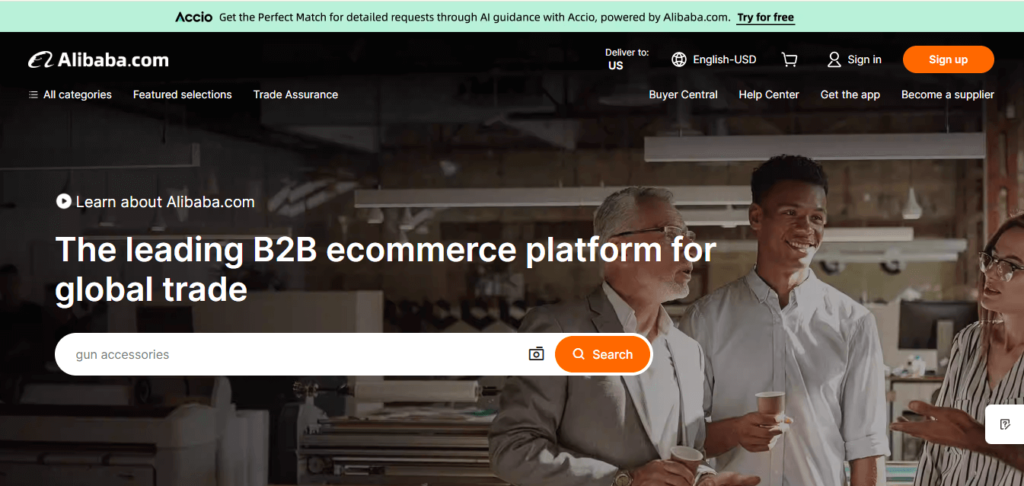
Alibaba is one of the largest e-commerce platforms in China and globally. Thanks to its popularity and massive user base, you can quickly find various eyewear manufacturers offering a wide range of products.
However, as an open marketplace, Alibaba can also be a breeding ground for scammers. Additionally, Alibaba’s ranking system can be manipulated by companies that pay for higher rankings but may not offer quality products.
Therefore, be extra cautious when using Alibaba to find manufacturers.
3. Attending Trade Shows to Find Manufacturers
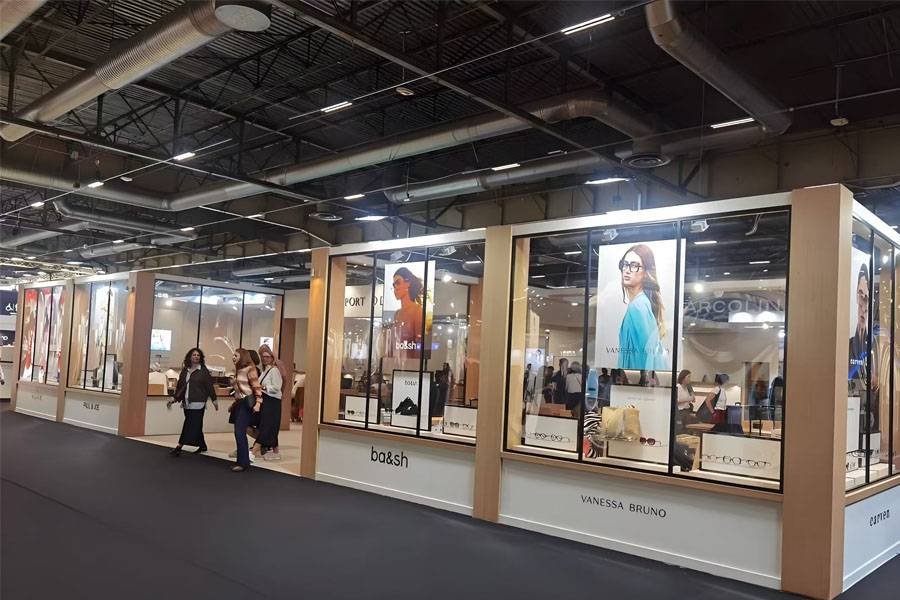
International trade shows and exhibitions are excellent opportunities for buyers and manufacturers to establish connections and secure reliable partnerships. Attending these events allows you to see and purchase samples of the products you’re interested in.
This helps you avoid the disappointment of importing products you’ve never seen before. Exhibitions also offer the potential to build a strong business network, as you can engage in face-to-face interactions with sellers and buyers.
Unfortunately, trade shows are not held frequently, but if you are willing to travel to other countries to attend these events, it can be worth it. You’ll gain valuable knowledge to take informed steps in the future.
If attending in person is not possible, make sure to leverage these opportunities when they appear in your local area.
Step 2: Communicating with Manufacturers
Avoid These Mistakes When Contacting Manufacturers
Manufacturers receive numerous messages and emails daily from potential clients. To avoid being overlooked, keep your emails short and to the point. Lengthy emails may not get the attention you desire. Instead, follow up with detailed information after receiving a response.
Requesting too little may lead manufacturers not to take you seriously. If unsure, consider calling the company to clarify your needs.
Step 3: Visit Eyewear Manufacturers
If you want to secure high-quality eyewear, there’s no substitute for an on-site visit. Visiting the manufacturer allows you to meet the team, understand the production process, and inspect the facilities.
1. Visit the Product Showroom
When you visit a manufacturer, you’ll have the opportunity to tour their showroom, where they showcase their various eyewear products in an attractive manner. This visit will allow you to assess the quality, design, and variety of products available.

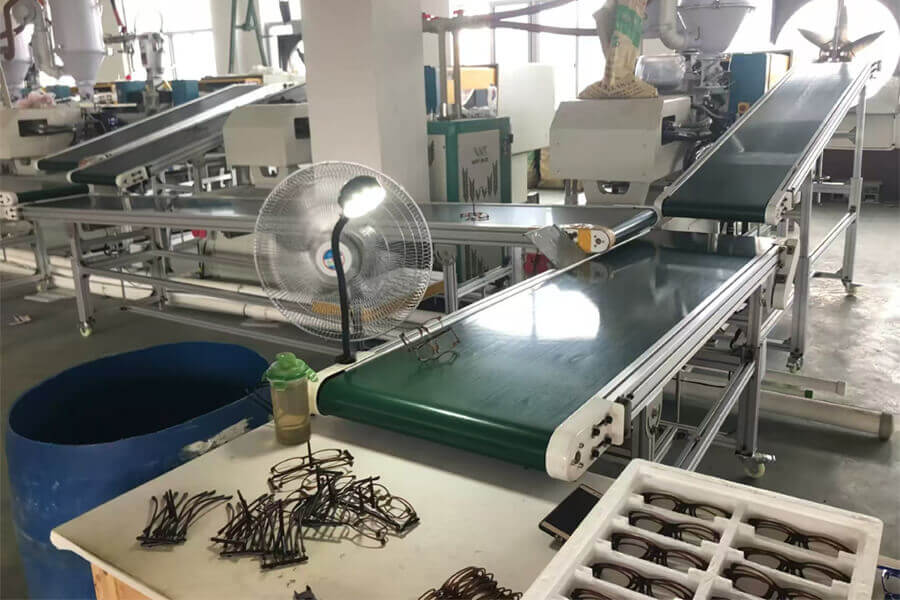
2. Visit the Production Line
By touring the production line, you can observe the entire manufacturing process, from raw material handling to the final assembly. This insight is invaluable for evaluating the manufacturer’s capabilities and quality control measures.
3. Benefits of On-Site Visits
Visiting the manufacturing site can significantly benefit your business relationship. It shows the manufacturer that you are serious about purchasing their products, which can lead to better pricing and service.
Building a strong relationship with the manufacturer can result in better communication, negotiation, and long-term cooperation. You’ll also gain knowledge about the materials and techniques used, expanding your expertise in the eyewear industry.
Step 4: Considerations Before Importing Eyewear
Before purchasing and importing eyewear, there are several crucial factors you need to consider to ensure the products meet your requirements and comply with your market’s standards:
1. Materials: High-quality eyewear products typically use materials like acetate, TR90, and titanium. Acetate is popular for its durability and flexibility, while TR90 is known for its lightweight and impact resistance. Titanium is valued for its strength, corrosion resistance, and hypoallergenic properties. Ensure that the eyewear materials meet the quality and safety standards of your target market.

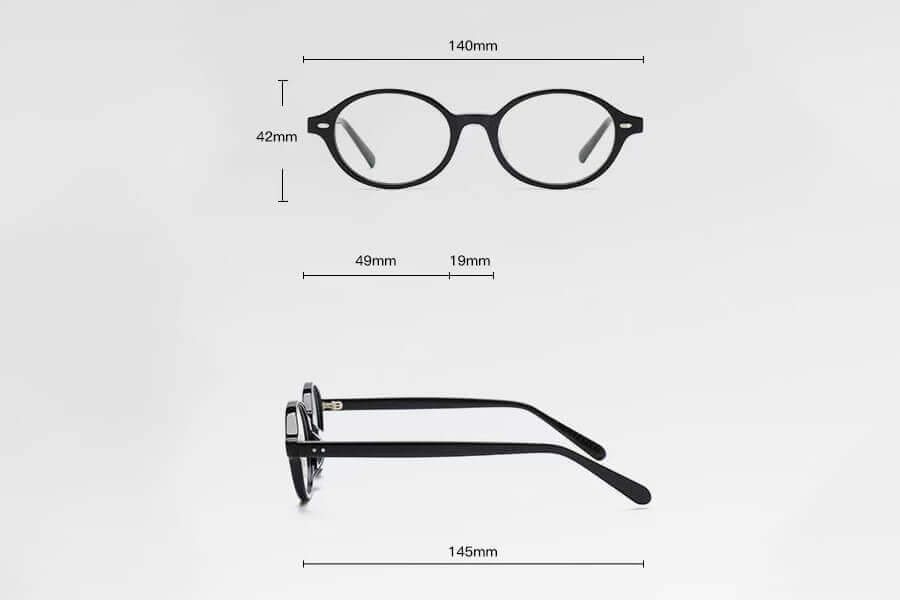
2. Size: Eyewear size can vary depending on the style and target demographic. A good supplier should offer customizable sizing options to cater to different face shapes and sizes. This includes variations in frame width, bridge width, and temple length. Custom sizing ensures that the eyewear fits comfortably for the end-user.
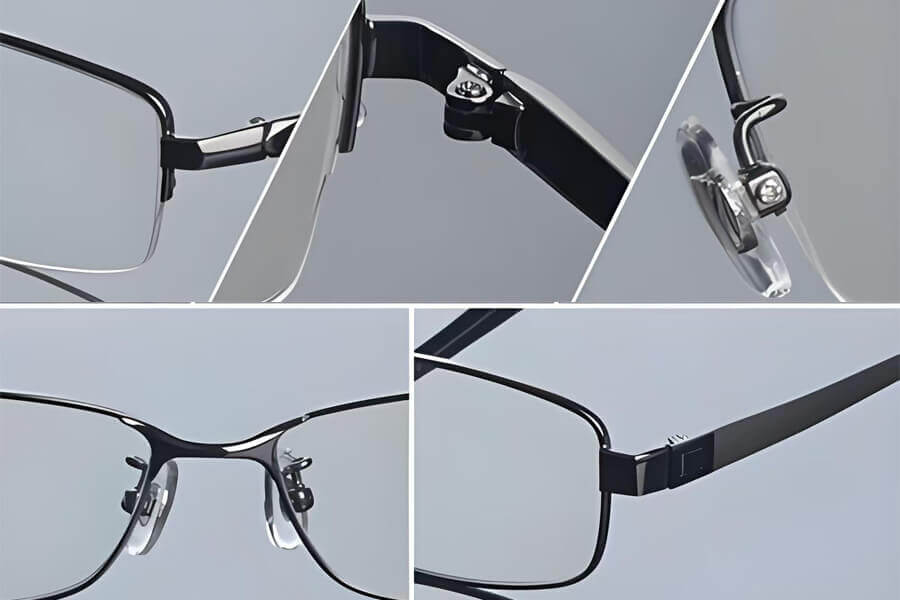
3. Structure/Construction: The construction of eyewear is critical to its durability and comfort. High-quality eyewear is often constructed using multi-layer lamination for acetate frames or injection molding for plastic frames. The hinges and screws should also be of high quality, ensuring longevity and ease of use.
4. Color: Eyewear is available in various colors and finishes, such as matte, glossy, or metallic. Popular choices include classic colors like black, tortoiseshell, and clear frames. Custom color options can also be offered to align with current fashion trends or specific branding requirements.

5. Weight: The weight of eyewear can significantly affect comfort, especially for prolonged wear. Lightweight materials like TR90 and titanium are often preferred for their comfort, making them ideal for prescription glasses and sports eyewear.

6. Accessories:
- Lens Cleaning Cloths: Essential for maintaining lens clarity without scratching.
- Protective Cases: Helps to protect eyewear from damage during storage or transport.
- Nose Pads: Silicone or rubber nose pads can be customized for comfort and durability.
- Hinges and Screws: High-quality components are necessary for durability and ease of maintenance.
- Coatings: Anti-reflective, anti-scratch, and UV protective coatings are common and can enhance the functionality and lifespan of the eyewear.

When importing eyewear, these factors will help ensure that the products meet both your quality expectations and the needs of your customers. Make sure to communicate these requirements clearly with your manufacturer to avoid any discrepancies during production.
Contact Our Experts
Want to make the best choice for your eyewear business?
Reach out to us for expert advice and detailed product information!
Step 5: Negotiating Prices with Eyewear Manufacturers
Negotiating prices is a crucial step in the process of importing eyewear. The goal is to create a win-win situation for both you and the manufacturer.
Here are some strategies to ensure successful negotiations:
- Be Prepared with Detailed Negotiation Data: Before entering negotiations, gather all the relevant data, including market prices, production costs, and your desired profit margins. When manufacturers see that you are well-prepared and serious about purchasing, they will be more inclined to offer competitive prices to secure your business.
2.Request Pricing Based on Quantity Tiers: As with most products, purchasing eyewear in bulk often reduces the price per unit. Ask the manufacturer for a breakdown of prices based on different order quantities. This allows you to evaluate how much you can save with larger orders and decide on the best purchase quantity for your budget and inventory needs.
3.Quality vs. Price: Keep in mind that higher quality often comes at a higher price. While it’s tempting to push for the lowest possible cost, ensure that the quality of the eyewear meets your standards. The goal is to find the best balance between cost and quality.
4.Understand the Manufacturer’s Costs: Gaining insight into the manufacturer’s costs, including labor, materials, and overhead, can help you assess whether their pricing is reasonable. This knowledge also provides leverage during negotiations, as you can discuss any price discrepancies with a better understanding of their cost structure.
5.Build a Good Relationship: Establishing yourself as a reliable customer will make negotiations smoother. If you’re seen as a long-term partner rather than a one-time buyer, manufacturers may be more willing to offer better terms and prices.
6.Avoid Endless Requests for Samples: Constantly requesting samples without committing to an order can strain your relationship with the manufacturer. Be transparent in your communications and avoid creating the impression that you’re just shopping around without serious intent.
7.Don’t Overdo Haggling: While negotiating for the best price is important, excessively haggling over every cent can be counterproductive. Both you and the manufacturer are in business to maximize profits, so aim for a fair agreement that benefits both parties.
8.Consider Hiring a Representative: If visiting the manufacturer in person isn’t feasible, consider hiring a representative in China to assist with negotiations. This person can provide local insights, handle communications, and ensure that your interests are well-represented.
If hiring a representative is not an option, phone calls and email exchanges can also be effective, as long as they are clear and professional.
Step 6: Placing Your Order with the Eyewear Manufacturer
Once negotiations are successful, it’s time to place your order.
Sample Orders vs. Bulk Orders
Sample Orders: A sample order is a small initial order of one or more products that allows you to evaluate the quality and suitability before committing to a larger purchase. This step is especially useful if you haven’t yet visited the manufacturer in person. Sample orders carry lower risk and can save you from significant losses if the product doesn’t meet your expectations.
When discussing sample orders with the manufacturer, your email should include:
A clear statement that you are requesting a sample order.
The specific products you wish to test.
Any customizations you want for the samples. Be detailed and precise.
The quantity of each item you wish to order.
Your shipping address for sample delivery.
Bulk Orders: If you have visited the manufacturer and are confident in their products, placing a bulk order may be the best choice. Bulk orders are cost-effective and demonstrate your commitment to a long-term partnership, potentially leading to better terms and future negotiations.
With these steps, you can effectively negotiate prices and place orders, ensuring that you get the best value for your eyewear imports.
Step 7: Making the Deposit
After placing your order with the eyewear manufacturer, the next step is payment. In most cases, you will need to pay a deposit, typically around 30% of the total order amount, before the manufacturer begins production.
The manufacturer will provide you with their bank details for the transfer. If you’ve conducted an on-site visit, this is an excellent opportunity to negotiate and establish a clear payment schedule that suits both parties.
Once the initial deposit is paid, the manufacturing process for your eyewear products will commence.
Step 8: Inspecting the Products
Inspecting the products is a crucial step to ensure that the eyewear meets your standards and specifications. You should dedicate significant attention to this phase to avoid any potential issues with quality.
Inspect the eyewear for any defects such as lens scratches, misaligned frames, or loose hinges. If you can’t be physically present for the inspection, request that the manufacturer send detailed photos and videos of the products. This visual confirmation can help you verify that everything is in order before proceeding further.
A reputable manufacturer will have a compensation strategy in place for handling any defects or issues that arise after delivery.
Step 9: Final Payment
Once the inspection is complete and you are satisfied with the quality, it’s time to make the final payment. This usually covers the remaining 70% of the total order amount.
In some cases, after successful negotiations, you might agree to pay 50% before delivery and the remaining 20% after the products have been delivered. Once the final payment is made, the delivery process will begin, and your eyewear products will be on their way to you.
Chapter Two: How to Shipping Sunglass Products From China To German?
Commen Knowledge: Shipping from China to German | Sea, Air & Rail Freight Rates
How has freight shipping from China to Germany reshaped global trade? The relationship between these two economic giants highlights the critical role of e-commerce platforms like Alibaba in transforming international commerce. This introduction will delve into the significance of these trade dynamics and the impact of digitalization on the logistics and customs processes, setting the stage for a closer look at the future of global trade.
October 2025 Shipping Update: From China to Germany
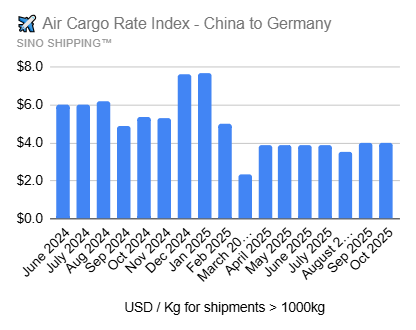
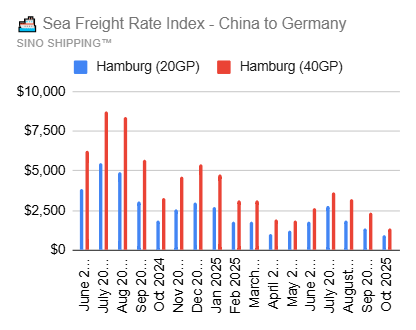
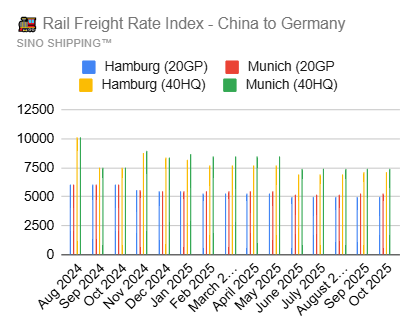
Costs: In October 2025, China→Germany pricing shows continued stability. Sea freight to Hamburg holds steady at $950 (20GP) and $1,400 (40GP), down from September’s $1,400 / $2,350. Rail freight remains stable: $5,000 (Hamburg 20GP), $5,300 (Munich 20GP), $7,100 (Hamburg 40HQ), $7,450 (Munich 40HQ). Air freight to Hamburg (≥1000 kg) holds at $4.00/kg (stable vs September). LCL public benchmarks are not quoted for October.
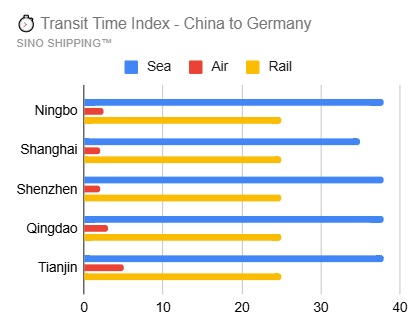
Delivery Times: Typical transits hold steady: ocean into Hamburg averages 20–30 days, rail to Hamburg/Munich 14–18 days, and air 3–5 days door-to-airport. With Hamburg operating more predictably than in July, the main driver of end-to-end lead time remains inland connections and slot availability.
Customs: German customs (Zoll) maintains strict checks in Hamburg and Munich. Ensure clean commercial invoices, precise HS codes, and timely ATLAS submissions. Minor paperwork errors can offset September’s ocean savings through holds or inspections.
Outlook for October 2025: Ocean rates offer continued value vs September, while rail and air remain stable. Book early, keep routing flexible (ocean vs rail), and re-quote frequently to capture week-to-week movements.
Summary for German Shippers: Compared with September, sea rates are lower into Hamburg, rail is stable, and air holds steady. Leverage ocean for replenishment where timelines allow; use rail/air for time-critical SKUs with tight documentation discipline.
Freight Shipping Cost from China to Germany for October 2025
Overview of Costs by Shipping Mode
Updated October figures based on your data:
| Shipping Mode | Cost (October 2025) | Notes |
|---|---|---|
| LCL (Less Container Load) | N/A | No October public benchmark provided |
| FCL (20-foot container) | Sea (Hamburg): $950Rail (Hamburg): $5,000Rail (Munich): $5,300 | Sea ↓ vs September (−$450); rail stable MoM |
| FCL (40-foot / 40HQ) | Sea (Hamburg): $1,400Rail (Hamburg): $7,100Rail (Munich): $7,450 | Sea ↓ vs September (−$950); rail stable MoM |
| Air Freight (≥1000 kg to Hamburg) | $4.00/kg | Stable vs September; fastest option for urgent cargo |
Key Points for German Shippers
- Mode choice: Ocean offers the strongest cost advantage into Hamburg; rail/air remain the reliability hedge for tight SLAs despite stable MoM rates.
- Operational focus: Align vessel/rail ETAs with inland trucking and terminal slots; maintain error-free documentation to avoid Zoll holds that can negate October’s sea savings.
Understanding Import Tax and Duties
Impact of Import Taxes on Overall Shipping Costs
Import taxes and duties significantly affect the total cost of importing goods from China to Germany. Charges such as VAT and customs duties are calculated based on the goods’ value, their classification, and the shipping terms. Germany’s standard VAT rate is 19%, applied to the cost of shipping and the item’s value. Customs duties vary by product category, with rates from 0% to over 10%.
| Product | Customs Duty Rate | VAT Rate |
|---|---|---|
| Electronics | 0% | 19% |
| Clothing | 12% | 19% |
| Footwear | 16% | 19% |
| Toys | 4.7% | 19% |
| Machinery | 2.5% | 19% |
Navigating Legal Compliance in International Shipping
Compliance with legal regulations is crucial when importing from China to Germany. Key steps include accurately classifying goods using the Harmonized System (HS) code, declaring the correct value, and ensuring proper documentation. Misclassification or underreporting values can lead to fines and delays. Efficient customs clearance can be achieved by:
- Electronically filing documents via the Automated Export System (AES).
- Ensuring accuracy in commercial invoices and packing lists.
- Employing a customs broker familiar with the import requirements.
Understanding and adhering to these regulations helps minimize the risk of penalties and facilitates smooth international logistics.
Shipping from China to Germany Transit Time
Comparison of Transit Times Across Shipping Modes
Are you wondering about the fastest way to ship your goods from China to Germany? The transit time can vary widely depending on the mode of transportation you choose. Whether it’s sea freight (both LCL and FCL), air freight, express shipping, or even rail and road freight, each has its own set of advantages and typical duration.
| Shipping Mode | Transit Time | Ideal For |
|---|---|---|
| Sea Freight (LCL) | 30 to 40 days | Smaller shipments, not in a rush |
| Sea Freight (FCL) | 25 to 35 days | Large shipments, cost-effective |
| Air Freight | 5 to 8 days | Urgent shipments or high-value goods |
| Express Shipping | 3 to 5 days | Time-sensitive deliveries |
| Rail Freight | 18 to 22 days | Balance of speed and environmental impact |
Choosing the right option involves balancing between speed, cost, and the nature of the goods being shipped.
Factors Affecting Transit Times and Mitigation Strategies
What could possibly delay your shipment from China to Germany? Several factors can extend transit times, including weather conditions, port congestion, customs delays, and overall logistics chain efficiency. However, understanding these factors can help in developing strategies to mitigate delays.
To ensure timely delivery:
- Select the shipping mode best aligned with your timeline and the goods’ nature.
- Work with reliable freight forwarders who have a proven track record of navigating through delays.
- Understand customs requirements well in advance to avoid hold-ups.
For example, partnering with freight forwarders that offer real-time tracking and have contingency plans for common delays can significantly reduce the risk of late deliveries. Moreover, opting for DDP (Delivered Duty Paid) shipping can expedite customs clearance, making the process smoother and faster.
Door to Door Shipping from China to Germany
Advantages of Door-to-Door Services
Why consider door-to-door shipping from China to Germany for your business? This method streamlines the logistics process, simplifying the complex chain of international shipping. By handling every step, from pickup at the supplier’s warehouse in China to delivery at the recipient’s doorstep in Germany, door-to-door services eliminate the need for multiple intermediaries. This integrated approach not only reduces handling of the goods, minimizing the risk of damage but also has the potential to speed up overall transit times. For businesses, this means enhanced efficiency, reduced operational complexities, and potentially lower costs.
Choosing the Right Door-to-Door Service
When selecting a door-to-door shipping provider, platforms like SINO Shipping play a crucial role. They offer a vast network of service providers, making it easier for businesses to find a reliable and cost-effective solution tailored to their specific needs. Here are some factors to consider:
- Reliability: Look for providers with a track record of on-time delivery and positive customer feedback.
- Cost: Compare prices to find a service that offers value without compromising on quality.
- Service Coverage: Ensure the provider can handle shipments from your specific location in China to the destination in Germany.
- Expertise: The provider should have extensive knowledge of customs and regulatory requirements to navigate the complexities of international shipping efficiently.
Sea Freight from China to Germany (October 2025)
Rates and Transit Times for Ocean Shipping
| Container Type | Cost | Transit Time | Suitability |
|---|---|---|---|
| 20-foot container (FCL) | $950 (Hamburg) | 20 to 30 days | Bulk and cost-driven shipments |
| 40-foot container (FCL) | $1,400 (Hamburg) | 20 to 30 days | High-volume or consolidated cargo |
| LCL (Less Container Load) | N/A | 20 to 32 days | Smaller loads, flexible capacity |
What’s New for German Sea Imports in October?
Sea freight to Hamburg continues to offer value: 20GP $950 (−$450 vs September) and 40GP $1,400 (−$950 vs September). Transit remains steady at 20–30 days, with consistent flows. The cost advantage favors inventory replenishment; booking early still helps secure space and rail/truck slots for inland Germany.
Air Freight from China to Germany (October 2025)
Pricing and Lead Times for Air Cargo
| Aspect | Details |
|---|---|
| Cost | $4.00 per kilogram for shipments over 1000 kg |
| Transit Time | Typically 4 to 7 days |
| Suitability | High-value, urgent, or time-sensitive goods |
Key Air Freight Trends for Germany in October
Rates hold steady at $4.00/kg (stable vs September), while reliability stays high. For German importers balancing speed and budget, air remains the premium option for tight SLAs and perishables; monitor fuel surcharges and book around factory release waves to hold favorable allocations into Hamburg.
Rail Freight from China to Germany (October 2025)
Rail Freight Costs and Delivery Times
| Shipping Option | Cost | Transit Time | Suitability |
|---|---|---|---|
| 20-foot container | $5,000 (Hamburg), $5,300 (Munich) | 14 to 18 days | Faster than ocean; reliable to inland hubs |
| 40HQ container | $7,100 (Hamburg), $7,450 (Munich) | 14 to 18 days | Large shipments needing predictable lead times |
October Rail Insights: Reliability for German Importers
Rail prices remain stable versus September with a consistent 14–18-day window to Hamburg and Munich. Use rail for time-sensitive SKUs and stable weekly flows; align arrivals with terminal slots and ensure ATLAS/HS data accuracy to avoid Zoll holds that could erode the month’s ocean savings.
Express Shipping from China to Germany
| Feature | Details |
|---|---|
| Delivery Times | 1-4 days |
| Use Cases | Urgent shipments, tech product launches, fashion stock replenishments |
| Standard Package Cost (5kg) | $100 to $200, varies by urgency and service |
| DDP Services | Includes all taxes, duties, and delivery charges upfront for faster customs clearance and predictable costs |
Benefits and Use Cases for Express Shipping
Express shipping from China to Germany cuts down delivery times to as little as 1-4 days, making it an essential service for urgent shipments. It’s especially critical for industries where time is of the essence, such as tech startups launching new products or fashion brands needing to replenish stock quickly for new seasons. The reliability and tracking capabilities of express shipping ensure that businesses can monitor their shipments in real-time, offering peace of mind and predictability in logistics planning.
Understanding Costs and Transit Times, Including DDP Options
The cost of express shipping can be a significant consideration for businesses. For a standard package weighing 5kg, prices can range from €100 to €200, depending on the urgency and the specific services required. Larger shipments will incur higher costs, often calculated on a per kilogram basis.
Delivered Duty Paid (DDP) services further simplify the shipping process by including all taxes, duties, and delivery charges in one upfront cost. Opting for DDP can expedite customs clearance, making transit times more predictable. For businesses, this means better budget control and fewer delays due to customs processing. While DDP services add to the cost, they offer considerable value by providing a seamless shipping experience and predictable costs, crucial for maintaining tight delivery schedules and managing customer expectations effectively.
Key Ports in China and Germany for Shipping
| Port | Country | Key Features |
|---|---|---|
| Shanghai | China | World’s busiest container port, advanced facilities. |
| Shenzhen | China | Rapid clearance processes, supports Pearl River Delta region. |
| Guangzhou | China | Wide cargo type support, extensive riverine and sea route network. |
| Hamburg | Germany | Europe’s third-busiest container port, extensive services and connectivity. |
| Bremen | Germany | State-of-the-art facilities, supports a wide range of shipping needs. |
| Wilhelmshaven | Germany | Deep-water port, optimized for the largest ocean carriers. |
Major Chinese Ports for Exports to Germany
Which ports in China play pivotal roles in shipping goods to Germany? Shanghai, Shenzhen, and Guangzhou stand out not only for their sheer volume of cargo handling but also for their advanced facilities and strategic positions in global trade networks. These ports offer comprehensive services that enhance the efficiency and cost-effectiveness of international shipping operations.
- Shanghai, the world’s busiest container port, serves as a crucial hub for maritime trade, providing state-of-the-art facilities and services.
- Shenzhen, known for its rapid clearance processes, directly supports the bustling manufacturing and commercial regions in the Pearl River Delta.
- Guangzhou, with its extensive network of riverine and sea routes, caters to a wide range of cargo types and shipping requirements.
For businesses looking to export goods to Germany, selecting the right Chinese departure port can significantly influence your shipment’s cost, timing, and reliability.
Major German Ports for Imports from China
Upon reaching Germany, which ports serve as the main gateways for imports from China? Hamburg, Bremen, and Wilhelmshaven are key to understanding the logistics landscape for incoming shipments.
- Hamburg, Europe’s third-busiest container port, offers extensive services and connectivity, facilitating smooth customs clearance and distribution across the continent.
- Bremen, with its state-of-the-art facilities, supports a wide range of shipping needs, from containerized goods to bulk commodities.
- Wilhelmshaven, Germany’s deep-water port, is strategically positioned for the largest ocean carriers, optimizing transit times and reducing shipping costs.
The capabilities of these German ports, along with their customs clearance efficiency and national logistics infrastructure, play a crucial role in determining the final delivery time and cost of shipments from China. Understanding these dynamics is essential for businesses aiming to optimize their import operations and ensure timely, cost-effective delivery of goods to their final destination.
Chapter Three: How to Ship Sunglasses from China to German: A Step-by-Step Guide
ou’ve found the perfect sunglass styles, confirmed the invoice, and your Chinese supplier is ready to dispatch. But now the big question comes up: How do you actually ship sunglasses from China to Germany without customs delays, hidden fees, or broken products?
Many German wholesalers and brand owners have faced frustrating issues—bottlenecks at Hamburg customs, missing CE compliance labels, or surprise VAT bills. Worse still? Late shipments can mean missed retail windows during summer or holiday sales.
The good news is: Shipping sunglasses from China to Germany is straightforward when you know what to do. With proper documentation, smart logistics choices, and reliable partners like Eyewearbeyond, you can import smoothly, protect your margins, and scale your eyewear business with confidence.
What’s the Process for Shipping Sunglasses from China to Germany?
To import sunglasses from China to Germany efficiently and without delays, follow these 8 key steps:
- Choose the most suitable shipping method: sea, air, or express courier
- Work with an experienced eyewear supplier in China
- Partner with a freight forwarder who understands EU customs compliance
- Prepare all required EU and German import documents
- Understand VAT, customs duties, and EORI number requirements
- Ensure your packaging and labeling meet EU regulations
- Track your shipment and prepare for customs clearance
- Inspect goods on arrival and evaluate the process for future optimization
Let’s Dive In — Ready to Ship Smart and Sell Fast?
Here’s how to get your sunglasses from China into Germany without the stress. Keep reading.
Common Questions About Shipping Sunglasses from China to Germany
1. What’s the Best Shipping Method for Sunglasses to Germany?
Your choice depends on volume, urgency, and budget.
🚢 Sea Freight (LCL or FCL) to German Ports
Pros: Lowest cost per unit; ideal for bulk (1,000+ pcs)
Cons: Takes 30–45 days; customs clearance needed
Best for: Eyewear wholesalers with stable demand
- Main port: Hamburg Port – Germany’s largest and most advanced
- LCL: Share container space
- FCL: Full 20ft or 40ft container
✈️ Air Freight to Germany
Pros: Fast (7–12 days), good for mid-sized urgent orders
Cons: Higher cost than sea freight
Best for: Brands restocking for peak season
- Main airport: Frankfurt International (FRA), Munich (MUC), Berlin (BER)
📦 Express Courier (DHL, UPS, FedEx)
Pros: Door-to-door, fast (3–7 days), customs often pre-handled
Cons: High per-unit cost
Best for: Samples, new launches, urgent restocks
💡 Pro Tip: For <50kg orders, couriers may be more cost-effective than air freight due to simplified customs and handling.
2. How Do I Choose a Trusted Supplier and Freight Forwarder?
✅ Supplier Must-Haves (From China)
- CE and UV400 compliance (mandatory for EU market)
- Experience shipping to EU countries (Germany, Netherlands, France)
- OEM/ODM service if you want to customize your brand
- Quick sample turnaround for quality checking
Eyewearbeyond, for example, offers:
- Ready-stock sunglasses in trend and sport styles
- Custom logo printing, brand packaging, barcode tagging
- Experience exporting to over 25 countries including Germany
- Certificates ready: CE, UV400 test reports
✅ Freight Forwarder Checklist
- Familiar with EU customs codes for eyewear (HS Code: 9004.10.00)
- Offers Delivered Duty Paid (DDP) or Delivered At Place (DAP)
- Handles CE documentation, EORI number registration, and VAT filing
- Provides real-time tracking, transit insurance, and customs brokerage
Top Entry Points for Sunglasses into Germany:
- Sea: Hamburg, Bremerhaven
- Air: Frankfurt, Leipzig, Munich
3. What Documents Are Required for Sunglass Import into Germany?
Missing or inaccurate documents = delayed customs + fines.
Here’s your import checklist:
| Document | Purpose |
|---|---|
| Commercial Invoice | Product value, Incoterms, exporter/importer details |
| Packing List | Sizes, weights, quantities per carton |
| CE Certificate & UV400 Test Report | Required for eyewear safety compliance |
| Certificate of Origin (China) | Often requested by customs |
| Bill of Lading / Air Waybill | Transport record from carrier |
| EORI Number | Required for all EU importers |
| VAT ID | Mandatory to claim/import under your business name |
💡 Important: German customs are strict. Always ensure product descriptions match the HS code and CE declaration.
4. What Taxes and Duties Apply When Importing to Germany?
To calculate your landed cost, include:
| Fee Type | Typical Rate |
|---|---|
| Import Duty | 2–6% for sunglasses (may vary by material) |
| VAT (Umsatzsteuer) | 19% (Germany’s standard VAT) |
| Customs Handling Fee | €10–25 (varies by carrier) |
Example:
- Product value: $1,000
- Duty @ 6% = $60
- VAT @ 19% = $190
- Total: ~$1,250 (plus local delivery)
💡 Use the TARIC database to check the exact customs rate for sunglasses (HS Code: 9004.10.00).
5. Are There Any Labeling or Packaging Requirements?
Yes—EU import law mandates product safety labeling.
✅ Labeling Must Include:
- “Made in China”
- CE mark (mandatory for eyewear sold in Europe)
- UV400 indication
- Your brand label (if private-labeling)
✅ Packaging Recommendations:
- Inner polybag or hard case for each pair
- Outer export carton with product model, SKU, and lens info
- Water-resistant packaging for sea freight
- Drop test–compliant cartons if using courier
6. Can I Track My Shipment?
Absolutely—and you should.
Tracking Tools:
- Sea Freight: Maersk, COSCO, Hapag-Lloyd
- Air Cargo: Lufthansa Cargo, Air China, Emirates SkyCargo
- Courier: DHL, UPS, FedEx official portals
Track for:
- Customs updates
- Delays at port/airport
- Proof of delivery in Germany
- Insurance claim windows
7. What Should I Do After My Shipment Arrives in Germany?
Immediately inspect and document everything.
Post-Arrival Checklist:
- Frame Inspection: Bending, hinge function, finish
- Lens: UV label, scratches
- Packaging: Any damage or missing items
- Labels: CE, Made in China, private label accuracy
- Photos: Take images of any issue for reporting
Notify your supplier and logistics agent within 48 hours if there are any issues.
8. How Can I Optimize Future Imports?
Every shipment teaches you something. Here’s how to build a better system:
- Create SOPs: Step-by-step guide for placing, tracking, and receiving orders
- Use Import Templates: Invoices, CE declarations, packing lists
- Cost Log: Track landed cost per unit
- Evaluate Partners: Did the supplier ship on time? Was the freight forwarder responsive?
📈 Good importers don’t just receive products—they build repeatable, scalable systems.
In Summary
Shipping sunglasses from China to Germany is easier than it seems—when you follow a structured plan. From choosing the right freight method to clearing German customs and optimizing your future orders, smart preparation ensures smooth importing and higher profits.
💬 Need help with CE compliance or a ready-to-use German import checklist?
Reach out to our team at Eyewearbeyond. We’re here to help you build a seamless eyewear supply chain between China and Germany.
📧 Contact: daisyzhang35@foxmail.com
🌍 Website: www.eyewearbeyond.com
FAQ: What Should You Know About the Eyewear Supply Chain in Germany?
If you’re planning to import sunglasses or optical frames into Germany, understanding the local supply chain is just as crucial as choosing the right factory in China. From EU regulations to market demand and retail channels, each element of the supply chain can affect your speed, cost, and margins.
At EyewearBeyond, we’ve supported numerous European eyewear businesses with factory-direct supply, custom branding, and full logistics coordination. Here’s a comprehensive overview of how the eyewear industry operates in Germany—and how you can succeed in it.
1. How is the eyewear supply chain structured in Germany?
Germany’s eyewear supply chain is diverse and mature, operating through multiple layers of importers, distributors, and retailers:
- Wholesale importers and distributors (based in cities like Hamburg, Munich, Düsseldorf) bulk-import eyewear from countries like China, Italy, or South Korea.
- Chain optical retailers such as Fielmann, Apollo Optik, and Mister Spex combine prescription services with in-house eyewear sales.
- Independent opticians offer personalized services and increasingly stock private label or boutique frame lines.
- Online retailers and marketplaces (Amazon.de, Brille24, Zalando) are rising in popularity for sunglasses and ready-to-wear optical frames.
Germany is one of Europe’s biggest eyewear markets. While there’s some local frame manufacturing, most mass-market eyewear is imported.
2. What are the main entry points and logistics hubs for eyewear imports?
Germany’s advanced logistics infrastructure makes it an ideal gateway for eyewear entering the EU.
Key Ports and Entry Points:
- Hamburg Port – Germany’s largest container port and main gateway for sea freight from Asia.
- Bremerhaven Port – Secondary option for maritime cargo.
- Frankfurt Airport (FRA) – Largest air freight hub, ideal for fast shipments from China.
- Leipzig/Halle Airport (LEJ) – Major hub for DHL express cargo.
- Munich and Berlin Airports – Also serve inbound air freight from Asia.
Once cleared through customs, goods are transported to major cities or logistics centers and distributed via wholesalers or 3PL services.
3. What types of eyewear are most commonly imported?
German buyers demand a wide range of eyewear categories:
- Optical frames – Acetate, TR90, stainless steel
- UV400 and polarized sunglasses – For fashion, sports, and general outdoor use
- Reading glasses – Especially popular in aging populations
- Blue light glasses – In demand due to screen time concerns
- Private label frames – Increasingly common among boutique opticians and online stores
Quality standards and compliance are essential—products must pass CE and UV400 certification to be sold in Germany.
4. Where do German eyewear importers source their products?
The majority of imported eyewear comes from China, with key manufacturing hubs in:
- Danyang – Known for optical frames and lenses
- Wenzhou – Sunglasses and fashion-forward styles
- Shenzhen and Guangzhou – Trendy designs and private-label services
Other sourcing regions include:
- Italy – Luxury and premium frames
- South Korea – Niche fashion styles
- India and Vietnam – Budget options and plastic frames
German importers often find suppliers through:
- B2B platforms (Alibaba, Made-in-China)
- Eyewear trade shows (e.g., MIDO, SILMO, opti Munich)
- Direct partnerships with experienced factories like EyewearBeyond
5. Is there local manufacturing of eyeglass frames in Germany?
Yes, but on a specialized, premium scale:
- Companies like IC! Berlin, Mykita, and Lunor produce high-end frames domestically.
- However, mass-market and mid-range frames are largely imported due to lower production costs in Asia.
- Local optical labs and retailers focus more on:
- Prescription lens cutting
- Frame adjustments
- After-sales service
So while there is manufacturing expertise, importation remains central to the German eyewear business.
6. What are the biggest supply chain challenges?
Despite Germany’s efficiency, eyewear businesses still face these common pain points:
- Strict EU compliance (CE, REACH, labeling)
- Unexpected customs delays for missing or mismatched documentation
- High shipping costs, especially for small-volume air freight
- Overreliance on sea freight during peak seasons leading to longer lead times
- Difficulty finding unique or fast-moving SKUs locally
- Low MOQ sourcing options for boutique retailers
At EyewearBeyond, we help mitigate these with:
- Ready-to-ship sunglasses and frames
- Full CE and UV400 documentation
- Custom logo printing and labeling for Germany-specific markets
- Flexible MOQs and consolidated shipping support
7. Are German consumers more brand-conscious or price-sensitive?
Germany’s eyewear market has both premium and price-conscious segments:
- Mass market: Seeks functionality, durability, and good value. Supermarkets and budget chains stock basic sunglasses.
- Premium segment: Design-driven, brand-aware, and eco-conscious. These customers often choose boutique opticians or niche online stores.
- Trend-followers: Younger consumers gravitate toward affordable private label sunglasses with stylish designs.
If your product balances style, quality, and pricing, it has strong potential in Germany’s diverse consumer market.
8. When is the best time to import sunglasses into Germany?
Germany’s eyewear sales follow seasonal cycles:
| Timeframe | Why It Matters |
|---|---|
| January–March | Pre-spring inventory buildup |
| April–June | High season for sunglasses begins |
| July–August | Peak summer sales |
| September–October | Restocking and promotional campaigns |
| November–December | Holiday gifting and year-end clearance |
💡 Many German importers use air freight in March/April to meet summer demand or restock in October for holiday season sales.
9. What regulations affect eyewear imports into Germany?
Germany follows EU product safety regulations, meaning your eyewear must comply with:
- CE Certification – Mandatory for both sunglasses and optical frames
- UV400 test report – Required for all sunglasses
- Product Labeling – Must include:
- “Made in China” (or country of origin)
- CE mark
- Model or SKU
- Material type
- Importer’s contact (for retail use)
- HS Code: 9004.10 (used for both sunglasses and optical frames)
- EORI Number: Mandatory for all importers in Germany
- VAT Registration: For companies selling in Germany or storing goods locally
💡 Always confirm documentation before shipping—mistakes can lead to customs holds, fines, or returned shipments.
10. How can you stand out as an eyewear importer in Germany?
To succeed in the competitive German eyewear space, consider the following:
- Offer unique frame designs and seasonal colorways not easily found locally
- Build a private label that appeals to trend-conscious customers
- Use fast, flexible logistics (air + courier) to meet urgent demand
- Support digital B2B sales via Shopify, WhatsApp catalogs, or PDF lookbooks
- Educate your retailers with product info (e.g., UV400, blue light benefits, hinge materials)
- Target niche markets—like eco-friendly frames, gaming glasses, or minimalistic designs
At EyewearBeyond, we offer everything from OEM/ODM production to small batch private label programs, designed for growing European brands and retailers.
Final Thoughts: Import Smart, Grow Faster
Importing sunglasses and optical frames into Germany doesn’t have to be overwhelming. With the right combination of supplier reliability, EU compliance, and supply chain agility, you can create a smooth, scalable business model.
✅ Here’s what to keep in mind:
- Work with proven suppliers like EyewearBeyond, experienced in serving the German and EU markets
- Build your own import SOP for speed and consistency
- Optimize landed cost (including shipping, duties, and VAT)
- Stay compliant with EU regulations and German labeling laws
- Offer something unique to break through a crowded market
📧 Contact us today: eyewearbeyondofficial@gmail.com
🌍 Visit: www.eyewearbeyond.com
Let’s build your next best-selling eyewear line—factory direct, fully certified, and ready for the German market.