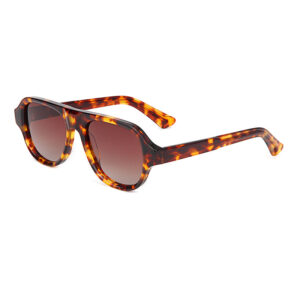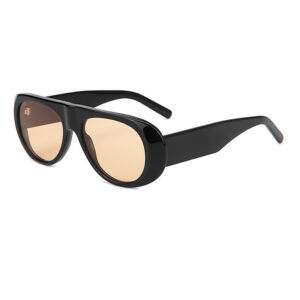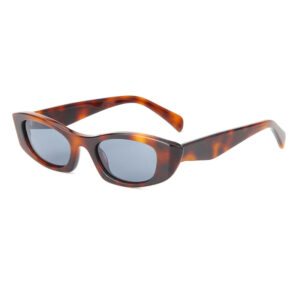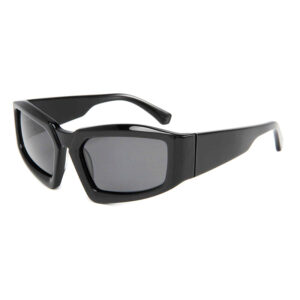
It’s Just a Case… Or Is It?
Let’s be honest—most of your customers won’t say it out loud, but they absolutely notice the case.
Whether you’re selling luxury shades or fun festival frames, the case is the first tactile interaction your customer has with your product. And in wholesale? It’s the first thing a buyer sees when they open your sample kit or warehouse delivery.
So no—it’s not just a case.
It’s protection, presentation, logistics, and branding in one small package. In this guide, we’ll help you choose the right sunglass case based on your product, your customer, and your business needs.
Why the Sunglass Case Matters in the Eyewear Business
- A scratched lens or broken hinge can ruin a customer’s first impression—and lead to refunds.
- A case that “feels premium” makes your $30 frame feel like $130.
- A well-designed case saves you space (and money) during shipping.
💡 Reality Check: Some eyewear brands have reduced their packaging shipping cost by up to 40% just by switching to foldable or slimline cases.
📌 Quick Summary Before We Dive In
| What to Consider | Why It Matters |
|---|---|
| Frame size & shape | Ensures proper fit and avoids damage |
| Protection level | Prevents breakage during shipping or daily use |
| Customer lifestyle | Matches functionality with expectation |
| Branding & aesthetic | Reinforces perceived value and loyalty |
| Shipping & storage efficiency | Saves you money on freight and inventory |
| Sustainability | Aligns with modern buyer values |
| Customization options | Makes your product uniquely yours |
| Cost vs. value | Keeps margins healthy while impressing customers |
1. Understand Your Sunglasses Specs
It starts here. Don’t pick packaging until you’ve confirmed the shape, size, and fragility of your frames.
Frames come in all kinds of styles:
- Oversized lenses need more interior height
- Metal thin frames scratch more easily than acetate
- Foldable designs might need a tighter-fit inner mold
- Wide temples need more interior space to prevent pressure marks
✅ Pro Tip: Ask your supplier for a dimensional drawing (CAD) of the case, and slide your sample frame in to test early.
Even a 2mm mismatch can create customer complaints—especially if the case doesn’t close properly or leaves pressure dents on the lens.
2. Choose the Protection Style
Think about how your product is handled—by customers, by couriers, by retail staff.
Here’s a breakdown of case types based on protection:
| Case Type | Protection Level | Best For | Common Materials |
|---|---|---|---|
| Hard Shell | ★★★★☆ | Luxury lines, fragile frames, travel | EVA, ABS, molded PU |
| Semi-Hard | ★★★☆☆ | Mid-range models, retail presentation | Foam core + textile fabric |
| Foldable | ★★☆☆☆ | E-commerce, gifting, compact travel | Paperboard + PU/leatherette |
| Soft Pouch | ★☆☆☆☆ | Budget lines, giveaways, Gen Z brands | Microfiber, velvet, cotton |
💡 Tip: If you’re shipping overseas, avoid soft pouches unless they’re nested inside a shipping box. Go for semi-hard or hard shell.
3. Match the Case to Your Customer Profile
You know your customer best. They may not all want the same thing—and that’s okay.
Let’s match lifestyle to packaging:
| Customer Type | Ideal Case Style | Why It Works |
|---|---|---|
| Luxury Shopper | Rigid case with velvet lining | Feels premium, matches high price point |
| Travel Enthusiast | Foldable case or EVA zipper | Lightweight, compact, protective |
| Gen Z Urban Customer | Colorful soft pouch with logo | Trendy, eco-aware, easy to carry |
| Outdoor Adventurer | Rugged semi-hard or EVA case | Withstands wear and tear |
| Retail Gift Buyer | Magnetic folding box w/ ribbon tie | Presentation-ready for gifting |
💡 Tip: You don’t have to pick just one case style. Many brands use two case types—a luxury option for flagship models, and a soft pouch for budget or promo frames.
4. Reflect Your Brand Aesthetic
The case is a reflection of your brand personality. It sets the tone before the glasses even come out.
Ask yourself:
- Should it feel eco-friendly, luxurious, or fun and bold?
- Should it match your brand palette (black, nude tones, neon)?
- What should your logo style be—gold foil, embossed, stitched?
Examples:
- Minimalist brand? Try matte PU with a blind debossed logo.
- Eco-first label? Try kraft paperboard with a natural fiber lining.
- Luxury boutique? Go for a hard shell, velvet interior, and magnetic closure.
💡 Tip: If you’re unsure, ask your case supplier to show you samples made for other eyewear brands with similar target customers. It helps visualize.
5. Think About Storage and Shipping
When you ship 1,000+ units, packaging bulk really adds up.
A few things to consider:
- Will your cases nest or stack efficiently in cartons?
- Can they be shipped flat and assembled by store staff?
- Are they lightweight but still protective?
Foldable cases are often underrated. They collapse flat during shipping and expand when needed. That means:
- Lower dimensional weight (DIM weight)
- Lower freight cost
- Easier retail display (especially for small stores)
💡 Tip: Some of our customers have saved 20–35% on shipping costs just by switching from rigid to foldable cases.
6. Consider Sustainability Goals 🌿
Customers are more eco-aware than ever—and that affects packaging expectations too. Whether your brand is fully green or just eco-conscious, your sunglass case should match that message.
Today, sustainable sunglass cases can be:
- Made from recycled paperboard or PET
- Lined with organic cotton or bamboo fiber
- Free from plastics or harsh chemical adhesives
- Even shipped flat to reduce carbon freight footprint
More retailers are asking for environmental compliance as part of onboarding. So offering a case option that uses less plastic, less bulk, and more responsibility helps with retail expansion.
| Eco Case Materials | Sustainability Grade | Common Use |
|---|---|---|
| Recycled Kraft Paperboard | ★★★★☆ | Foldable cases, mailer boxes |
| RPET (Recycled Plastic) | ★★★☆☆ | Semi-hard travel cases |
| Natural Cork Fabric | ★★★★☆ | Stylish eco lifestyle brands |
| Organic Cotton Pouch | ★★★☆☆ | Soft cloth bags, budget lines |
💡 Tip: Highlight eco materials on your website or packaging inserts—customers love to share products that align with their values.
7. Confirm Customization Ability ✂️
Customization is where your case becomes uniquely yours. Even a simple design becomes premium with the right finishing.
Look for a supplier who lets you control:
- Case material (PU leather, canvas, cork, etc.)
- Interior lining (velvet, microfiber, cotton)
- Closure type (magnetic flap, button, zipper, drawstring)
- Branding method: embossing, screen print, hot stamp, woven label
Some even offer full 3D renderings so you can visualize the case with your logo, brand colors, and texture before production.
| Customization Option | Purpose |
|---|---|
| Blind Debossed Logo | Subtle, premium feel |
| Gold/Silver Foil Stamping | Luxury branding effect |
| Embroidery or Woven Tag | Ideal for fabric pouches |
| UV Print | Bold, colorful branding on hard cases |
💡 Tip: Always test logo positioning with samples—embossing or foil can shift slightly on curved cases.
8. Keep Cost vs. Value Balanced 💰
Let’s talk pricing. Case cost usually ranges from $0.30 to $2.50 per unit, depending on:
- Protection level
- Material
- Customization complexity
- MOQ (minimum order quantity)
But the cheapest isn’t always the best. A low-cost case that disappoints customers can increase returns, reduce repurchase rates, and even harm your reputation.
So what’s the sweet spot?
| Your Product Tier | Suggested Case Type | Estimated Unit Cost (FOB) |
|---|---|---|
| Entry-level ($10–30) | Soft pouch / foldable | $0.30–$0.80 |
| Mid-range ($30–80) | Semi-hard case w/ branding | $0.80–$1.20 |
| Premium ($80+) | Molded case with full branding | $1.20–$2.50 |
💡 Tip: Remember, a better case can justify a higher retail price. Many brands sell $30 sunglasses in $1.20 cases and retail at $59+.
9. Vet Fit & Quality via Samples 🔍
Never go into production blind. Real samples are a must, even if your supplier provides great digital mockups.
Here’s what to test in-hand:
- Does your frame sit snug inside?
- Is the inner lining soft enough not to scratch lenses?
- Are closures smooth and strong (magnets, zippers, flaps)?
- Does your logo look sharp and centered?
Also test real usage: toss it in a backpack, open and close it 10 times, drop it from waist height. If it survives and still looks good—you’ve got a keeper.
💡 Tip: Don’t just approve the case—approve the production sample with your actual logo and materials. That’s your final quality gate.
10. Plan Production & Delivery Timing 📦
Packaging is usually one of the last things confirmed—but often the first thing to cause delays.
Avoid last-minute panic by planning backward:
- Sampling: 5–7 days
- Production: 15–25 days
- Shipping (Air): 5–10 days
- Shipping (Sea): 25–40 days
Also account for factory schedules, supplier holidays (like Chinese New Year), and peak season slowdowns.
| Step | Timeline |
|---|---|
| Sample development | 1 week (avg) |
| Production run | 2–4 weeks |
| Freight shipping | Air: 1 week / Sea: 4–6 |
| Buffer time | At least 1 week extra |
💡 Tip: Talk to your supplier about bulk+repeat schedules—some clients pre-book 3 months ahead to lock pricing and avoid delays.
✅ Sunglass Case Selection Checklist
Use this list to guide your internal team or procurement manager when selecting your next sunglass packaging:
🔲 Product Fit
- Does the case size match my sunglass frame specs?
- Will it protect against common damage (lens scratch, hinge breaks)?
🔲 Branding & Look
- Does the case reflect my brand values (luxury, eco, youthful)?
- Can it be customized with my logo, color, texture?
🔲 Functionality & Shipping
- Is the case practical for the customer’s lifestyle?
- Can I save space or cost with foldable/stackable designs?
🔲 Cost & Timing
- Does the case fit into my product pricing model?
- Are lead times acceptable for my launch window?
🧠 Final Thought: The right sunglass case will protect your product, elevate your brand, and impress your customers—before they even try the frame on.