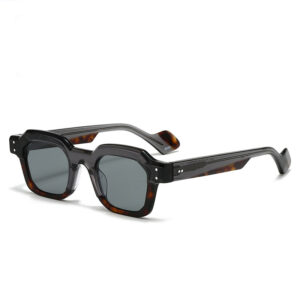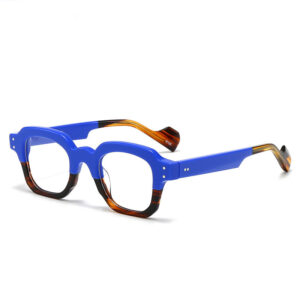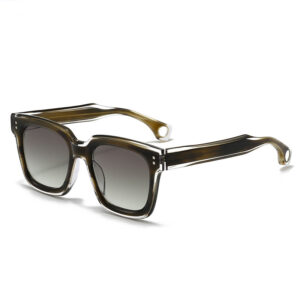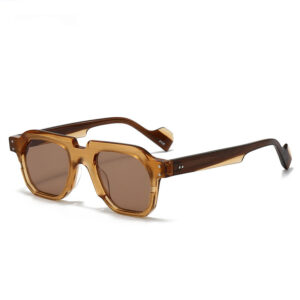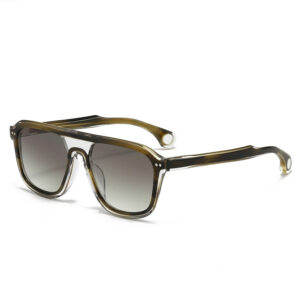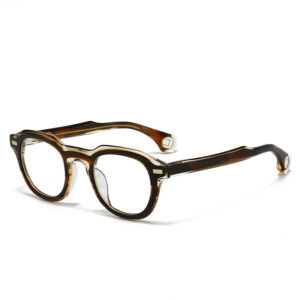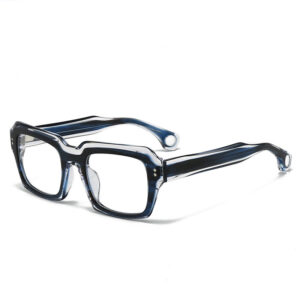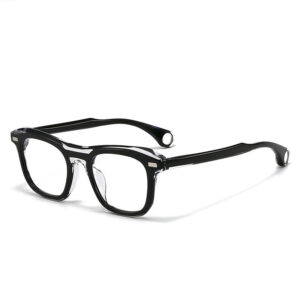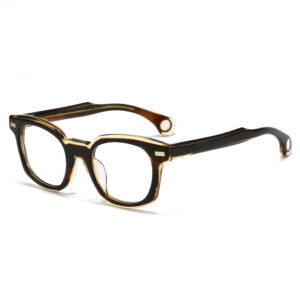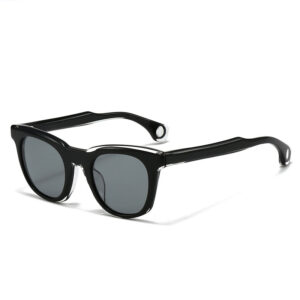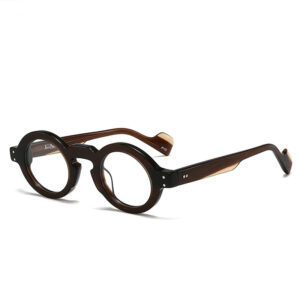
Introduction
In today’s saturated eyewear market, many wholesalers find it increasingly difficult to source high-quality, customizable acetate frames that truly stand out. The problem isn’t just about finding suppliers—it’s about finding products with personality, durability, and a story. Unfortunately, mass-produced glasses often fall short. They lack the fine craftsmanship, depth of design, and flexibility needed to satisfy modern customers or build a lasting brand. That’s where handmade acetate glasses frames come in. These artisan-crafted pieces combine tradition, skill, and style—providing the perfect solution for wholesalers who demand more than just average.
Why Should You Choose Handmade Acetate Glasses Frame Manufacturers?
Choosing handmade acetate glasses frame manufacturers ensures superior quality, tailored customization, and enhanced durability. These specialized producers work with premium layered cellulose acetate—a flexible, skin-friendly material made from natural fibers. Unlike mass-produced frames, handmade ones are meticulously shaped, polished, and assembled by skilled artisans. The result is a product with greater comfort, rich texture, and lasting structural integrity. For eyewear wholesalers seeking to offer standout collections and build brand credibility, handmade acetate frames deliver craftsmanship and aesthetic value that machine-made alternatives simply cannot match.
More Than Just Frames—A Statement of Craftsmanship
Handmade acetate frames aren’t just functional eyewear—they’re a reflection of artisan care, attention to detail, and a long-standing commitment to quality. Each piece tells a story of meticulous craftsmanship and material excellence. If you’re looking to elevate your eyewear catalog and deliver real value to your customers, understanding what sets these manufacturers apart is essential. Let’s explore the key elements that make handmade acetate frame manufacturers a smart choice for your eyewear business.
What Are Handmade Acetate Glasses Frame Manufacturers?
Handmade acetate glasses frame manufacturers are specialized eyewear makers who focus on producing frames by hand, rather than through automated processes. These manufacturers preserve age-old craftsmanship through manual cutting, shaping, and polishing—often using layered cellulose acetate derived from natural sources like cotton or wood pulp. Their goal isn’t speed—it’s quality, customization, and character. Every frame is a blend of artisan skill and creative vision, tailored for brands or wholesalers who seek uniqueness in their product offerings.
The Historical Roots of Handmade Acetate Glasses Frames
The art of crafting eyewear by hand dates back to the early 20th century, when cellulose acetate began replacing brittle, flammable materials like celluloid. Originating in Europe, particularly in Italy and France, early frame makers discovered that acetate could be heated, cut, and molded into stylish shapes—while offering superior comfort and durability.
By the 1950s and 60s, handmade acetate frames became a fashion symbol, worn by icons like Audrey Hepburn and James Dean. The craft spread to Japan and eventually to China, where artisanal manufacturing techniques were refined and scaled for global markets.
Today, modern handmade acetate manufacturers combine traditional craftsmanship with modern tooling, creating products that respect heritage while meeting contemporary fashion and quality standards.
In this comprehensive guide, we’ll explore:
1. What Makes Acetate Ideal for Handmade Eyewear Frames?
2.What Sets Handmade Acetate Frames Apart from Mass-Produced Ones?
3. How Are Handmade Acetate Glasses Frames Produced?
4.Where Are the Geographic Hubs for Handmade Acetate Frame Artisans?
5. Leading handmade acetate eyewear manufacturers known for excellence and artistry
6. What Are the Hallmarks of Genuine Handmade Acetate Frames?
7.Specialty Techniques in Handmade Acetate Frame Production
8.The Customization Potential of Bespoke Handmade Frames
9.Cost and Lead Time Factors for Limited Production Runs
10.Building Collaborative Partnerships with Artisans
11.Preserving Handmade Integrity at Larger Volumes
12. The Alluring Essence and Heirloom Appeal of Hand-Acetating
Whether you’re an independent eyewear brand or a seasoned wholesaler, understanding the world of handmade acetate glasses frames could be the edge your product line needs.
1. What Makes Acetate Ideal for Handmade Eyewear Frames?
Cellulose acetate stands out as the material of choice for handmade eyewear due to its natural composition, workability, and aesthetic versatility. Unlike injection-molded plastics, acetate is derived from plant-based fibers like cotton or wood pulp, making it both hypoallergenic and biodegradable—a sustainable option increasingly favored by modern eyewear brands.
For artisans, acetate offers an ideal medium. It can be sliced into layers, shaped through heat, and polished to a deep, glossy finish—all by hand. Its layered structure also allows for rich color patterns, from transparent fades to tortoiseshell effects, that can’t be replicated with synthetic plastics. Furthermore, acetate is lightweight yet durable, ensuring that handcrafted frames are not only beautiful but also practical for daily wear.
These material properties make it the perfect canvas for skilled craftsmen to express design freedom while maintaining comfort and structural integrity—key traits for premium, handmade eyewear.
2.What Sets Handmade Acetate Frames Apart from Mass-Produced Ones?
The difference between handmade and mass-produced acetate frames lies in the level of craftsmanship, quality control, and design individuality.
In mass production, frames are often stamped out in large quantities using automated machines. This process is fast and cost-effective, but it sacrifices attention to detail, resulting in products that are more uniform and less refined. Materials used in bulk production may also be of lower quality, affecting the longevity and comfort of the frames.
In contrast, handmade acetate frames are crafted in small batches by skilled artisans who individually cut, bend, assemble, and polish each frame. This hands-on approach allows for:
- Better quality control at each stage of production
- Smoother surface finishes and more precise fittings
- Unique variations in texture and color that give each frame its own character
Additionally, handmade frames often incorporate specialty techniques such as multi-layer lamination, embedded logos, custom engraving, and hand polishing—all of which are difficult or impossible to replicate in automated settings.
For eyewear wholesalers and brand owners, choosing handmade acetate frames means offering customers a product with soul, story, and superior quality, rather than just another generic design off the assembly line.
3. How Are Handmade Acetate Glasses Frames Produced?
Creating handmade acetate glasses frames is a labor-intensive process that blends technical precision with artistic craftsmanship. Unlike machine-made frames, each handmade piece goes through multiple hands-on stages, often requiring up to 60 manual steps to complete.
Here’s a simplified overview of the key stages:
- Material Preparation
Sheets of premium cellulose acetate are cut into strips and stored for stabilization. This helps maintain shape and color integrity. - Frame Cutting
Artisans use hand tools or manual CNC machines to trace and cut the frame front and temples from the acetate sheet. - Forming & Shaping
The rough frame is heated and pressed into custom molds or bent by hand to create the desired curvature and fit. - Hinge Insertion
Hinges are carefully embedded and secured using specialized hand drills and glue, ensuring accurate alignment and strength. - Polishing
One of the most time-consuming steps, polishing is done through multiple tumbling sessions and then fine hand-polishing to achieve a glass-like finish. - Assembly & Quality Control
Temples are mounted, screws are adjusted, and every frame is inspected for symmetry, smoothness, and comfort. - Branding & Finishing Touches
Customized details—like logo engraving, color lamination, or inlays—are added according to the client’s specifications.
This artisan-led process ensures that each frame is not only visually stunning but also ergonomically sound and built to last. It’s a testament to why handmade acetate eyewear commands respect and premium value in the global market.
4.Where Are the Geographic Hubs for Handmade Acetate Frame Artisans?
Though handmade acetate eyewear has become a global niche, certain regions stand out as historic and creative epicenters of this artisanal tradition. These clusters have cultivated expertise over decades, or even centuries, becoming go-to sources for quality craftsmanship and innovative design.
- Tokyo, Japan
Tokyo is home to legendary eyewear ateliers like Furuki, Masahiro, and Matsumoto, where craftsmanship is elevated to an art form. These workshops prioritize fine details and traditional techniques, producing some of the world’s most elegant and refined acetate frames. - Cadore, Italy
Nestled in the Belluno valley, the Cadore region is the birthplace of Italy’s eyewear industry, with roots going back to the 1700s. Brands such as Lozza and De Rigo embody the region’s deep respect for artisanal heritage, combining bold aesthetics with time-tested techniques. - Paris, France
France’s eyewear ateliers, particularly in Paris, channel their savoir-faire into frames that double as wearable art. With a focus on creativity and individuality, these studios offer limited-edition and bespoke acetate sunglasses that exude French elegance. - Scandinavia (Denmark, Sweden, Finland)
The Nordic design ethos—minimalist, functional, and refined—is perfectly expressed through handmade acetate craftsmanship in Denmark, Sweden, and Finland. These countries have a rising reputation for producing sleek, modern frames with understated luxury. - Portland, Oregon, USA
On the American West Coast, Portland has become a hub for indie eyewear studios like Blublox and Ernest Supplies, which focus on custom, handmade acetate frames for niche markets. This region blends artisanal methods with progressive design, appealing to lifestyle-conscious consumers.
These global hubs not only represent a geographical spread but also highlight the stylistic diversity and technical excellence that handmade acetate frame manufacturers bring to the industry.
5. Leading handmade acetate eyewear manufacturers known for excellence and artistry
When it comes to handmade acetate eyewear, several manufacturers have earned international acclaim for their exceptional craftsmanship, innovative design, and artistic flair. These ateliers blend traditional techniques with contemporary aesthetics, making them leaders in the field:
- Furuki (Tokyo, Japan)
Known for its meticulous hand-finishing and attention to every tiny detail, Furuki produces refined acetate frames distinguished by their delicate shapes, subtle color blends, and flawless polish. Their work showcases the refined elegance at the core of Japanese artisan culture. - Masahiro Miyashita Optical (Tokyo, Japan)
Masahiro combines experimental acetate layering with precise construction techniques. This atelier uses hand-tinted color transitions and layered veneer inlays, ensuring each frame is truly one of a kind. - De Rigo (Cadore, Italy)
As part of the historic Italian eyewear tradition, De Rigo balances large-scale expertise with artisanal finishing. Their handmade acetate collections feature bold, contemporary silhouettes with luxurious gradient patterns and deep polish. - Lozza (Cadore, Italy)
With roots dating back to the late 19th century, Lozza remains dedicated to preserving handcraftsmanship. Their vintage-inspired acetate frames are revived using traditional molds and techniques, giving them a nostalgic yet timeless appeal. - Blublox (Portland, USA)
While known for blue-light-blocking technology, Blublox also produces limited-run handmade acetate frames in Portland. These frames combine functional innovation with artisanal finishes—perfect for health-conscious and design-savvy consumers. - Ernest Supplies (Portland, USA)
A minimalist’s dream, Ernest Supplies creates clean, handcrafted acetate frames for bespoke eyewear lovers. They partner directly with consumers and small brands to deliver custom shapes, colors, and finishes. - Parisian Eyewear Ateliers
Boutique studios across Paris specialize in creative, handcrafted acetate sunglasses. These ateliers often release capsule collections, mixing plating, engraving, and sculptural shapes that elevate eyewear to an art form.
Each of these manufacturers exemplifies how handcraft transcends simple production—turning acetate into expressive, luxurious, and enduring frames that resonate with both connoisseurs and everyday wearers.
6. What Are the Hallmarks of Genuine Handmade Acetate Frames?
Distinguishing a truly handmade acetate frame from a mass-produced imitation can be challenging without experience—but there are clear indicators that reveal the presence of genuine craftsmanship.
- Visible Polishing and Smooth Edges
Handmade frames often feature a deep, lustrous polish achieved through hours of manual buffing. The edges are typically smoother and more rounded, especially at the bridge and temple tips—unlike the sharp, unrefined lines common in machine-made products. - Subtle Asymmetry and Natural Variations
Since handmade acetate is cut and shaped by hand, you may notice slight variations in symmetry, giving the frame a more organic, one-of-a-kind appearance. These differences are often celebrated as marks of authenticity. - Embedded Rivets and Hand-Inserted Hinges
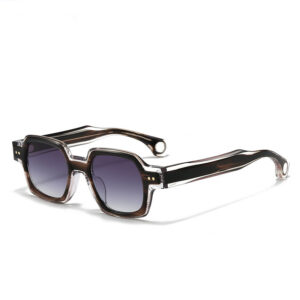
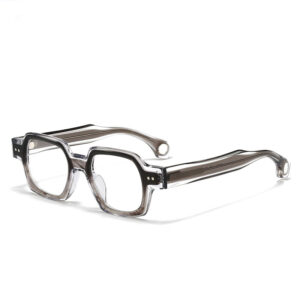
Look for small details like metal rivets securing the hinges, rather than just glued-in parts. In handmade frames, hinges are inserted with care, ensuring long-term durability and proper alignment. - Layered Color Effects and Custom Laminations
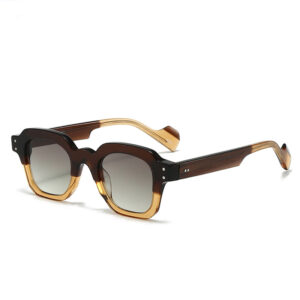
Handmade frames often showcase complex color patterns, such as laminated layers or unique marbling effects, which are difficult to replicate with mass production. These aesthetic details are carefully planned and manually assembled. - Weight and Comfort Balance
Handcrafted acetate is usually better balanced, offering a more comfortable fit on the face. This is due to precise adjustment during the assembly and heating stages. - Brand Markings or Artisanal Signatures
Some boutique manufacturers include hand-engraved logos, artisan initials, or series numbers on the inner temple, indicating limited production and handmade authenticity.
Recognizing these hallmarks not only helps in assessing quality but also enables eyewear wholesalers and retailers to confidently communicate the value of handmade frames to their customers.
7.Specialty Techniques in Handmade Acetate Frame Production
What truly elevates handmade acetate eyewear above machine-made alternatives are the specialty artisan techniques employed during production. These methods not only enhance the frame’s aesthetic appeal but also reflect the unique skill and creativity of the craftsman behind each piece.
- Laminating
Lamination involves bonding multiple layers of acetate with different colors, transparencies, or textures. This allows artisans to create custom color gradients, subtle patterns, or bold contrasts within a single frame. Skilled laminating ensures perfect alignment and seamless blending—a hallmark of high-end frames. - Engraving & Inlay Work
Many handmade acetate frames feature hand-engraved logos, patterns, or decorative symbols. In some cases, precious materials like mother-of-pearl, metal foil, or wood veneers are inlaid into the acetate for a truly luxurious effect. This level of detail is rarely seen in mass-produced eyewear. - Polishing by Hand
While machine-polishing is faster, it can never match the depth and warmth of a hand-polished acetate frame. Hand polishing uses fine-grade compounds and soft cloth wheels to bring out the acetate’s natural luster, resulting in a mirror-like, tactile finish that looks and feels premium. - Edge Softening & Hand Filing
Before final assembly, artisans manually file the frame’s inner edges, bridge, and temples, ensuring a smooth touch and ergonomic fit. This extra step reduces pressure points and improves comfort, especially for extended wear. - Heat Bending and Frame Sculpting
Acetate becomes malleable under controlled heat. Artisans use this to fine-tune curves, nose bridges, and temple angles to achieve perfect symmetry and comfort, an adjustment machines rarely perform with such precision.
These techniques reflect a level of dedication and artistic intent that mass production simply cannot replicate—making each frame not just eyewear, but a wearable piece of craftsmanship.
8.The Customization Potential of Bespoke Handmade Frames
One of the most valuable advantages of working with handmade acetate frame manufacturers is the unmatched customization flexibility they offer. Unlike mass production, where choices are limited to preset designs, handmade production allows eyewear wholesalers and brand owners to create bespoke frames tailored to their market and brand identity.
Here’s how customization plays out in handmade acetate eyewear:
- Unique Shapes and Silhouettes
Manufacturers can handcraft frames to match custom templates or sketches, enabling you to offer exclusive frame styles that reflect your brand’s aesthetic. Whether you want oversized retro shapes or sleek minimalism, anything is possible. - Color Combinations and Layering
Choose from hundreds of acetate color sheets, and even mix them through custom lamination to create unique layered effects, gradient transitions, or two-tone finishes that aren’t available off the shelf. - Logo Branding and Personal Touches
Artisans can incorporate logo engraving, foil stamping, or metal logos inlayed into the temples or inner arms. This gives your brand a premium presence and builds recognition with every frame sold. - Fit and Function Adjustments
Need wider bridges or longer temples for specific markets? Handmade producers can accommodate anatomical and cultural preferences, ensuring comfort and performance for your target customers. - Limited Edition Runs
Unlike automated factories that require high MOQs, many handmade acetate manufacturers support low-volume runs, perfect for testing new designs, launching capsule collections, or targeting niche segments.
This high level of personalization makes handmade acetate frames the ideal choice for independent eyewear brands, boutique labels, and style-conscious wholesalers who need more than just a generic product—they need a signature look.
9.Cost and Lead Time Factors for Limited Production Runs
When sourcing handmade acetate frames, it’s essential to understand the cost structure and production timeline, especially for low MOQ (minimum order quantity) or custom orders. Handmade craftsmanship inherently involves more labor and attention to detail, which reflects in both pricing and production duration.
Cost Factors:
- Labor-Intensive Process
Each frame involves manual shaping, polishing, assembly, and finishing. This level of human skill increases production costs compared to fully automated factories. - Material Selection
Premium cellulose acetate, especially from suppliers like Mazzucchelli (Italy) or Daicel (Japan), comes at a higher cost but offers superior quality, color richness, and environmental friendliness. - Customization Fees
Custom shapes, logo engravings, laminated color layers, and exclusive hardware may incur additional tooling or design setup charges—especially for first-time designs. - Small Batch Surcharge
For orders under 300–500 units, many manufacturers apply a small-lot premium due to the higher per-unit labor cost and limited economies of scale.
Lead Time Considerations:
- Standard Handmade Lead Time: Typically 30–60 days depending on the complexity of the design and order size.
- First-Time Orders: Prototyping, mold creation, and material matching may add 1–2 extra weeks.
- Repeat Orders: Often faster, especially if materials and molds are pre-approved, with lead times around 3–4 weeks for reorders.
By planning production ahead—especially before peak sales seasons—and partnering with a reliable handmade acetate manufacturer, you can enjoy the benefits of small-batch exclusivity without risking supply chain delays.
10.Building Collaborative Partnerships with Artisans
Establishing a successful relationship with handmade acetate frame manufacturers isn’t just about placing an order—it’s about building mutual trust and creative alignment. These partnerships are key for achieving consistent quality, reliable delivery, and long-term product innovation.
Here’s how to cultivate productive collaborations with eyewear artisans:
- Clear Design Communication
Artisans work best with precise sketches, reference samples, or 3D models. The more specific your design brief, the better they can translate your vision into reality. Visual mood boards and acetate color references also help bridge style expectations. - Start Small and Scale Gradually
Most handmade manufacturers welcome small trial runs to test quality, design, and fit. This is a smart way to evaluate their capabilities before moving into larger orders. - Respect Craftsmanship Timelines
Unlike fast fashion factories, handmade artisans prioritize quality over speed. Rushing a production cycle can compromise finishing and symmetry. Building in extra lead time shows respect for the process—and ensures better results. - Frequent Feedback and Adjustments
Treat the relationship as a creative partnership. Request samples, give detailed feedback, and allow revisions before confirming bulk production. This collaborative approach leads to more precise and premium results. - Build Long-Term Loyalty
Artisans value repeat customers who appreciate their work. Consistent orders, upfront communication, and shared success stories (e.g., showcasing them in your brand’s storytelling) foster loyalty and smoother future collaborations.
These relationships aren’t just transactional—they’re strategic. When nurtured properly, they enable your eyewear business to deliver original, high-quality products that customers can’t find anywhere else.
11.Preserving Handmade Integrity at Larger Volumes
As demand for premium handmade acetate frames grows, many eyewear brands and wholesalers face a critical challenge: How can we scale production without losing the artisanal quality that defines handmade products?
The good news is that with the right manufacturer, it’s possible to maintain craftsmanship even at higher volumes—but it requires thoughtful planning and structure.
- Batch Production Over Mass Assembly
Reputable handmade manufacturers often divide large orders into smaller, controlled batches. This allows them to maintain attention to detail while delivering consistent results across hundreds or even thousands of frames. - Craftsmanship Teams & Role Specialization
Larger workshops assign specific tasks to experienced artisans—one focuses on cutting, another on polishing, another on hinge setting—while still keeping the process manual and skill-driven. This ensures efficiency without automation taking over. - Tooling Efficiency Without Sacrificing Hand-Finishing
CNC cutting tools and semi-automated equipment may be used to assist in material shaping, but the finishing touches—polishing, assembly, and inspection—remain manual, preserving the handmade essence. - Standardized QC Procedures for Artisanal Output
As volume increases, implementing hand-inspected quality checkpoints at every phase helps prevent defects and ensures each frame meets the brand’s design and comfort standards. - Advance Material Planning and Component Stocking
For larger orders, early planning of acetate colors, lens fittings, and hardware components is key. This allows manufacturers to prepare in advance without compromising the flexibility and precision of handcrafted production.
Scaling doesn’t have to mean sacrificing soul. By choosing manufacturers who respect handmade methods and investing in strong communication, you can grow your business without losing the artisanal identity your customers love.
12. The Alluring Essence and Heirloom Appeal of Hand-Acetating
There’s something timeless about a well-crafted handmade acetate frame. Beyond functionality, these frames carry a sense of artistry, individuality, and legacy that machine-made products rarely offer. Each curve, polish, and embedded detail tells a story—not just of fashion, but of craft, patience, and pride.
Customers don’t just buy handmade acetate frames—they connect with them. Whether it’s the depth of a layered tortoiseshell pattern, the feel of hand-buffed acetate against the skin, or the subtle character of an asymmetrical hinge, these elements form an emotional bond between product and wearer.
This is why handmade acetate eyewear often becomes more than an accessory—it becomes a signature piece, a part of one’s identity, and in many cases, something worth preserving and even passing down.
For eyewear brands and wholesalers, embracing this legacy isn’t just about offering a product—it’s about offering a story, a statement, and a sense of value that resonates deeply with discerning customers.
FAQ – Handmade Acetate Glasses Frame Manufacturers
Q1: What is the MOQ for handmade acetate frames?
A: Most manufacturers offer low MOQs starting from 100–300 pieces per style, which is ideal for custom or niche collections.
Q2: How long does production usually take?
A: Standard production time is 30 to 60 days, depending on the complexity of the frame and volume. New custom designs may require additional time for prototyping and mold creation.
Q3: Can I create my own custom acetate frame design?
A: Yes. Handmade acetate factories welcome bespoke designs, allowing customization in shape, color, logo placement, lens fit, and even temple length.
Q4: Are handmade acetate frames more durable than machine-made ones?
A: Generally, yes. Handmade frames undergo more thorough quality checks, and the material is handled with care during shaping and polishing, resulting in better longevity and fit.
Q5: Where are most handmade acetate frames produced?
A: Major hubs include Wenzhou and Shenzhen (China), Sabae (Japan), Cadore (Italy), Paris (France), and artisan clusters in Scandinavia and the USA.
Q6: Is acetate eco-friendly?
A: Yes. Cellulose acetate is plant-based and biodegradable, making it a more sustainable material compared to petroleum-based plastics.
Q7: Can I get samples before placing a bulk order?
A: Most handmade manufacturers offer sample services, especially for custom orders. Samples usually take 2–3 weeks to produce and are often deducted from the final order cost.
Q8: How are handmade acetate frames priced compared to mass-produced ones?
A: Handmade frames cost more due to the labor-intensive process and superior material quality, but they offer significantly higher perceived value and profit margins.
Q9: Are handmade frames suitable for luxury branding?
A: Absolutely. Their artisan quality, customization options, and material depth make them ideal for premium or boutique eyewear lines.
Q10: What kind of logo customization is possible?
A: Options include laser engraving, hot foil stamping, metal logo inlays, and even hand-painted brand marks on the inner or outer temple arms.
Q11: Can handmade acetate frames be produced in gradient or multi-color designs?
A: Yes. Through lamination and layering techniques, manufacturers can create complex color transitions, transparent fades, and multi-toned patterns.
Q12: What is the best way to start working with a handmade frame manufacturer?
A: Start with a clear brief and small trial order. Share design specs, reference samples, and branding elements early, and build a long-term relationship based on trust and transparency.
The Enduring Legacy of Handcrafted Acetate Eyewear
While it may seem like an antiquated relic in today’s age of automation, the art of hand-acetating eyewear frames endures—precisely because of the irreplaceable imprint of human hands. Mass production may offer speed and uniformity, but it can never replicate the subtle irregularities, nuanced textures, and soulful presence that define a handmade frame.
Even as optical materials and fabrication technologies continue to evolve, the essence of artisan craftsmanship remains timeless—coveted by connoisseurs worldwide. For clients who value authenticity, deep customization, and a sense of heritage, handmade acetate eyewear delivers a tactile, visual, and emotional experience that machines alone simply cannot replicate.