Why Do Eyeglass Rivets Matter More Than You Think?
When we talk about eyewear design and construction, most people think of frames, lenses, or hinges. But ask any experienced eyewear manufacturer or repair technician, and they’ll tell you — rivets are the unsung heroes holding your eyewear together. Whether they’re used for structural support or as decorative accents, these tiny components play a big role in both the durability and aesthetics of a frame.
For B2B buyers like eyewear brand owners or wholesalers, overlooking the quality and compatibility of rivets can lead to big problems: loose temples, frame instability, failed QC checks, or even returns from retail partners. Worse, inconsistent rivet finishes can throw off the visual appeal of your collection — especially in vintage, metal, or acetate designs where rivets are fully exposed.
At EyewearBeyond, we understand that reliable rivets aren’t just hardware — they’re part of your brand’s promise. In this guide, we’ll walk you through everything you need to know about eyewear rivets: what they do, how they’re used, the types available, and how to source the right ones for your frame collection.
What Are Eyeglass Rivets?
Eyeglass rivets are small metal fasteners used to secure parts of the eyeglass frame, most commonly connecting the temple arms to the front frame—especially in acetate or metal frames. While screws and hinges get much of the attention, rivets provide a different kind of solution: a permanent, vibration-resistant connection that adds both strength and style to the frame.
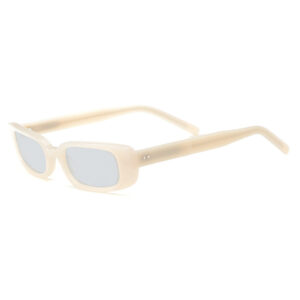
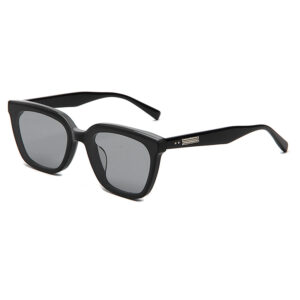
In classic frame construction, especially in vintage or retro-inspired eyewear, rivets are often visible from the outside. This gives them an added decorative purpose, allowing designers to create signature front-facing styles — like the iconic double-rivet look on brands such as Ray-Ban® or Moscot®.
Depending on your eyewear design and material, rivets can either be functional only, or serve dual purposes: structure + design.
Some key characteristics of rivets in eyewear include:
- Non-removable once installed (compared to screws)
- Better suited for acetate and combination frames
- Stronger grip for thick temples or wide hinges
- Smooth, flush appearance on the outer frame surface
In manufacturing, rivets are often used in pairs, with precise alignment and depth control critical to ensuring strength and symmetry.
For eyewear brands looking to stand out with vintage styling or extra reinforcement in high-stress areas, choosing the right type of rivet is a small but strategic decision. And for wholesalers or designers working with manufacturers like EyewearBeyond, rivets can be fully customized to match your branding needs.
Types of Rivets Used in Eyewear Frames
Rivets may look like simple hardware, but in eyewear manufacturing, the type of rivet you choose directly impacts both structure and style. Whether you’re building a timeless acetate frame or a minimalistic metal piece, understanding the different rivet types helps you make smarter design and sourcing decisions.
Here are the most commonly used rivet types in modern eyewear production:
1. Solid Rivets
These are the most traditional and durable rivets, made from a single piece of metal. Once installed using pressure or hammering, they form a permanent bond between frame and temple. Solid rivets are especially popular in vintage-inspired acetate frames and are often visible from the front as part of the frame’s design language.
Best for: Classic acetate styles, retro collections, rugged designs
Materials: Brass, stainless steel, titanium
2. Semi-Tubular Rivets (Hollow Rivets)
These have a partially hollow shaft, making them easier to press into place while still offering solid structural support. They require less force to install than solid rivets, making them ideal for delicate frames or multi-layer components.
Best for: Lightweight frames, combo frames with thin temples
Materials: Aluminum, nickel-plated brass
3. Decorative Rivets
These rivets are designed with visual flair in mind — think double-dot details, polished caps, or shaped heads (round, hex, custom logos). While they can still serve a fastening purpose, their main role is to enhance frame identity. Eyewear brands often use decorative rivets to establish a recognizable style element across collections.
Best for: Branding, vintage, streetwear-inspired frames
Materials: Zinc alloy, custom electroplated metals
4. Blind Rivets (Pop Rivets)
Used in some metal frame production, blind rivets allow installation from only one side, which is useful in tight or enclosed areas. While rare in traditional eyewear, they may be used in niche applications or repair kits.
Best for: Industrial eyewear or structural reinforcement
Materials: Stainless steel, aluminum
5. Screw-in Rivets / Faux Rivets
Designed to mimic the look of traditional rivets, these use screw mechanisms instead of compression. They offer the appearance of a classic rivet, but can be removed or replaced easily. This is particularly useful in repair-friendly or modular frame designs.
Best for: Brands prioritizing maintenance and repair flexibility
Materials: Brass, steel, or anodized aluminum
By selecting the right rivet type — or a combination of types — you ensure your eyewear not only holds up under everyday wear but also communicates your brand style clearly. At EyewearBeyond, we help you match rivet types to your frame material, hinge style, and customer usage scenario.
Where Are Rivets Used in Eyewear?
Rivets may be small, but their placement in the eyewear frame is highly strategic. Whether functional, decorative, or both, rivets are positioned to enhance the strength, style, and longevity of a pair of glasses. Let’s break down the most common usage areas:
1. Hinge Attachment (Temple to Frame Front)
This is the most critical and common application for rivets in eyewear. Instead of using screws, many acetate or mixed-material frames use rivets to secure the hinge to the frame front or temple.
- Why it matters:
Rivets offer a permanent bond that won’t loosen over time like screws can. - Best for:
Acetate frames, vintage designs, or thicker temples where screw threading is impractical.
2. Front Frame Decoration
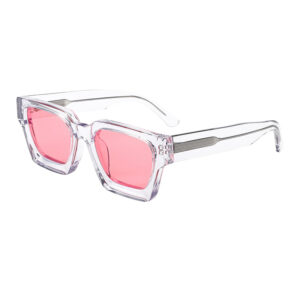
On many retro or designer frames, rivets are used on the front surface of the frame — either real or decorative — to enhance the aesthetic. These are often paired as dots or custom shapes aligned with the hinge location.
- Why it matters:
They create a signature look and can tie into your brand identity. - Best for:
Classic P3 shapes, browline styles, or eyewear inspired by the 50s–70s.
3. Temple Decoration
Beyond the hinge, rivets may also appear along the temples themselves, acting as design accents or as mounting points for hinge covers or logos.
- Why it matters:
A good rivet layout can turn a basic temple into a recognizable brand asset. - Best for:
Metal temples, acetate temples with logo plates or metal-core inserts.
4. Reinforcement Points
In high-stress areas of the frame (such as combo frames with different materials fused together), rivets are sometimes added as mechanical backup to adhesives or ultrasonic welding.
- Why it matters:
Adds structural integrity to frames with complex construction. - Best for:
Combination frames, folding frames, or active eyewear lines.
5. Invisible/Internal Use
In some modern designs, rivets are used inside the frame structure, completely hidden from the wearer’s view. These internal rivets function like clamps, holding multi-layer materials together.
- Why it matters:
Maintains a sleek look while providing essential mechanical strength. - Best for:
Minimalist or luxury frames where external hardware is avoided.
As you can see, rivet placement is both a design decision and an engineering one. The choice affects not just how the eyewear looks, but also how well it performs in daily wear. At EyewearBeyond, we help our OEM/ODM clients make the right rivet decisions from prototype to production — ensuring your eyewear performs and impresses.
Rivet Materials and Finishes
When selecting rivets for your eyewear line, material choice matters — not only for durability but also for aesthetic consistency with your frame’s design. Whether your collection leans toward luxury, minimalism, or vintage, the right rivet material and finish can make a subtle yet powerful impact.
Here’s a breakdown of the most commonly used materials and surface treatments in rivet manufacturing:
Common Rivet Materials in Eyewear
1. Stainless Steel
Highly resistant to rust, corrosion, and wear. Ideal for daily-use eyewear or metal frames exposed to moisture or skin oils.
- Pros: Durable, clean finish, low maintenance
- Cons: Limited flexibility in decorative plating
2. Brass
A favorite for acetate frames, brass is easy to machine and allows for custom shapes and finishes.
- Pros: Accepts plating well, soft enough for shaping
- Cons: Can tarnish without proper coating
3. Aluminum
Lightweight and corrosion-resistant, aluminum rivets are often used in minimalist or lightweight frames.
- Pros: Very light, low cost
- Cons: Less durable under high-stress points
4. Titanium
The premium choice. Used in high-end eyewear, titanium rivets offer maximum strength-to-weight ratio and are hypoallergenic.
- Pros: Ultra-light, anti-corrosion, non-reactive
- Cons: Higher material cost
5. Zinc Alloy
Often used for decorative rivets, zinc alloys can be cast into intricate shapes and detailed logos.
- Pros: Great for branding, easy to mold
- Cons: Not ideal for heavy mechanical loads
Popular Rivet Finishes and Coatings
1. Electroplating (Nickel, Gold, Gunmetal, Rose Gold)
Standard in most fashion-forward collections. Electroplating provides consistent metallic tones that match frame hinges and logos.
2. Brushed or Matte Finishes
These are great for premium or vintage-inspired looks. They hide fingerprints and give a tactile, understated feel.
3. Polished Finish (Mirror Shine)
Used on luxury or attention-grabbing designs. Polished rivets pair well with glossy acetates or mirrored lenses.
4. Powder Coating or Painted Rivets
Used for color-match branding — for example, red rivets on a red-themed frame. Provides a bold, modern edge.
5. Anti-Nickel or Hypoallergenic Coatings
Essential for sensitive skin markets. Often applied to stainless steel or brass to reduce irritation.
At EyewearBeyond, we offer custom rivet development including material selection, plating options, and even engraved or molded branding. Whether you’re designing a retro acetate piece or a titanium ultra-light frame, we help ensure every detail — right down to the rivets — reflects your brand’s DNA.
How Are Rivets Installed in Eyewear Production?
Rivet installation is a precise mechanical process that directly impacts the strength, alignment, and long-term durability of a pair of glasses. In high-quality eyewear manufacturing, this step is never rushed — especially when the rivets are visible parts of your brand’s design language.
Here’s a breakdown of the key methods used to install rivets during eyewear production:
1. Press-Fit (Cold Riveting)
This is the most widely used technique, especially for acetate frames. The rivet is placed into a pre-drilled hole, then pressed firmly using a hydraulic or pneumatic riveting machine. The compression causes the shaft to expand and grip the inside of the hole tightly.
- Used for:
Acetate frames, solid or semi-tubular rivets - Advantages:
Strong hold, repeatable precision, compatible with large-scale production - Requires:
Tight tolerance in hole diameter and rivet dimensions
2. Ultrasonic or Heat-Staking
In some plastic or TR90 frames, rivets are heat-welded into place using ultrasonic tools. The vibration and heat allow the rivet material or surrounding plastic to slightly melt, bonding the pieces together.
- Used for:
Plastic frames, decorative or internal rivets - Advantages:
Clean finish, no mechanical stress - Note:
Not ideal for metal-on-metal installations
3. Manual Hammering (Hand-Fixed Rivets)
In artisanal or small-batch production, rivets may be manually hammered into place using a custom jig. This method is especially common in heritage frame making or when producing limited editions with handcrafted appeal.
- Used for:
Retro/vintage eyewear, prototypes, small-batch custom work - Advantages:
Control over finish and pressure - Drawback:
Labor-intensive and inconsistent for mass production
4. Automatic Rivet Feed Systems
Large-scale eyewear factories, like those partnered with EyewearBeyond, may use automated riveting lines that feed rivets, align components, and perform pressing in a single pass. This improves efficiency and alignment accuracy, especially in OEM production for large orders.
- Used for:
High-volume collections, consistent design runs - Advantages:
Speed, consistency, lower defect rates - Investment:
High initial setup but long-term cost efficiency
5. Screw-In “Rivet” Style Fasteners
As mentioned earlier, some brands use screw-based rivet imitations for easier post-sale adjustments. These are inserted and tightened with tools like standard screws, offering the appearance of rivets without permanent fixation.
- Used for:
Repairable frames, flexible modular designs - Note:
Make sure the customer understands it’s not a true rivet connection
Quality Tip:
Rivet alignment must be micron-precise — a misaligned rivet can cause temple misfit, hinge instability, or cosmetic flaws. That’s why we always recommend prototyping and testing before final production.
At EyewearBeyond, we support rivet integration during the full product development cycle — from helping you design the perfect placement, to installing with precision in our production lines.
Decorative Rivets in Branding and Design
Rivets aren’t just functional — in the world of eyewear, they’ve become powerful tools for brand differentiation and visual storytelling. Many iconic frames throughout history are remembered as much for their rivet accents as for their shape or material. Think of them as the signature buttons of the eyewear world.
Here’s how decorative rivets can elevate your eyewear brand:
1. Signature Design Elements
Brands like Ray-Ban®, Moscot®, and Oliver Peoples® are instantly recognizable thanks to double-dot rivet layouts or custom cap shapes on the front and temples. By developing a repeatable rivet style, your collection gains an identity that’s visible — even from a distance.
- Create brand-specific dot patterns (e.g., vertical, diagonal, triangle)
- Develop custom head shapes (hexagon, flat top, domed) for frame fronts
- Position rivets to align visually with the logo or lens edge
2. Color-Matched or Contrasting Finishes
Using plated rivets in coordinating or intentionally contrasting finishes helps create visual tension or harmony. You can match the rivet finish with metal bridge/hinge accents, or contrast with acetate tones for a pop.
- Matte gunmetal on gloss black acetate = luxury
- Brushed gold on clear beige = modern minimalism
- Gloss red on tortoiseshell = bold & playful
3. Branding Through Custom Molding
Some brands go further by molding their logo or initials directly into the rivet cap — or even using rivets to secure metal logos into the temple or front.
- Die-cast logo rivets = high-end identity without printing
- Rivet + metal badge combo = perfect for luxury acetate frames
4. Limited Edition & Capsule Collection Features
Custom decorative rivets can serve as a mark of exclusivity — used only in collaborations, anniversary collections, or holiday drops. This creates collectability and social media buzz.
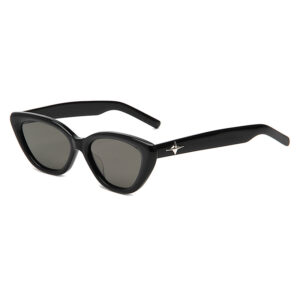
- Example: a star-shaped rivet used only in a “Summer Stars” capsule
- Seasonal plating (e.g., rose gold for Valentine’s Day)
5. Cross-Component Consistency
A detail-driven eyewear collection ensures that rivets complement other elements: hinges, logos, bridge metal, and case accents. Decorative rivets are a great anchor point for such consistency.
- Example: gunmetal rivets + gunmetal hinges + logo foil = cohesive premium feel
- Branded rivet on frame front + matching rivet on temple tip = signature
At EyewearBeyond, we help clients design and develop exclusive rivet styles that integrate seamlessly with the frame and reflect their brand story. Whether you’re aiming for timeless elegance or edgy fashion, we turn micro-details into macro impact.
How to Customize Rivets for Your Eyewear Brand
Customization is what transforms a standard component into a signature branding tool — and rivets are no exception. Whether you want your frames to feel classic, futuristic, or artisanal, custom rivets give your collection a unique fingerprint.
Here’s how you can fully customize rivets to match your brand vision:
1. Shape Customization
Most standard rivets are round or domed, but brands can choose or design rivet heads in unique shapes:
- Flat top: Sleek, modern appearance
- Beveled edge: Classic and dimensional
- Hexagonal or star-shaped: Industrial or playful aesthetics
- Engraved logo caps: Turn every rivet into a brand mark
These small touches create frame-wide visual consistency and subtly signal quality.
2. Material and Finish Options
Choose from a range of base metals depending on your design and budget:
- Brass: Easy to shape and plate
- Stainless steel: Durable and resistant to wear
- Titanium: Lightweight and high-end
- Zinc alloy: Best for shaped or logo-molded rivets
Pair with custom finishes:
- Matte, brushed, or polished textures
- Gold, rose gold, gunmetal, nickel, chrome plating
- Two-tone plating (e.g., matte black with gold edge)
- Anti-nickel or hypoallergenic coatings
3. Size Customization
You can specify:
- Cap diameter: From 1.2mm (micro rivets) to 4mm+
- Post length: Based on frame thickness and hinge style
- Head height/profile: Low for minimalism, raised for statement pieces
At EyewearBeyond, we help our clients measure hinge and temple specs precisely to ensure the rivets fit perfectly — both functionally and aesthetically.
4. Logo Integration
There are two ways to brand your rivets:
- Engraving: Your logo or initials are etched into the metal surface
- Molding: Your logo is raised or debossed in the rivet shape itself
This turns the rivet into a branding device that’s visible every time someone looks at the frame front or side.
5. Color Matching with Frame
Want to match your rivet to your acetate color, lens tint, or logo foil? We offer custom powder coating or painting for precise color integration.
- Perfect for statement collections
- Great for fashion-forward or niche designs
- Helps the rivet “disappear” or “pop” — depending on your vision
6. Matching Packaging and Accessories
For fully coordinated branding, we can even help you match rivets with:
- Metal logos
- Eyeglass cases with rivet-accented branding
- Display plaques or demo tags
At EyewearBeyond, we support full OEM/ODM rivet customization — whether you’re launching a boutique line or producing for global distribution. We help you align rivet specs with your overall frame construction, production process, and marketing story.
MOQ and Lead Time for Custom Rivets
If you’re considering custom rivets for your eyewear collection, it’s important to understand the production realities: from minimum order quantities (MOQ) to lead time for sampling and mass production.
At EyewearBeyond, we work with clients of all sizes — from boutique startups to large international brands — and offer flexible solutions to fit different project scales.
1. What’s the Typical MOQ for Custom Rivets?
The MOQ depends on the complexity of the rivet and whether it’s a standard item or a fully customized design.
- Standard size + standard plating:
MOQ = 1,000–3,000 pieces - Custom shape or mold required:
MOQ = 5,000–10,000 pieces, depending on detail - Logo-molded or engraved rivets:
May require exclusive molds, with MOQ starting at 10,000+ pieces
👉 Tip: One frame typically uses 2–4 rivets, so a 5,000-piece MOQ covers around 1,200–2,500 frames depending on usage.
2. What’s the Lead Time for Custom Rivets?
Production timelines vary based on whether you’re ordering:
A. In-stock Standard Rivets
- Lead time: 3–7 working days
- Ideal for: urgent orders, sampling, low-budget collections
B. Plating Customization Only (Color/Finish)
- Lead time: 7–12 working days
- Example: custom gold tone, matte finish, rose gold, gunmetal, etc.
C. Fully Custom Mold or Logo-Stamped Rivets
- Mold creation: 7–10 days
- Sample production: 5–7 days after mold
- Mass production: 15–25 days depending on order size
👉 Overall project time = approx. 25–40 days from confirmation to shipment
3. Packaging & Delivery Options
We offer flexible packaging based on your needs:
- Bulk packaging for factory assembly
- Individually bagged pairs for branded hardware sets
- Optional: rivet + hinge matching sets
Logistics support:
- Global air/sea shipping
- Door-to-door DDP options for USA, Europe, Southeast Asia
4. Can You Mix and Match Small Quantities?
Yes — for new collections or pilot runs, we offer:
- Color assortment within one mold (e.g., 1,000 pcs in 3 finishes)
- Bundle orders with hinges or nose pads for better pricing
- Frame + rivet one-stop support, if ordering frames with us
We understand that for many B2B clients, minimum inventory risk and sampling flexibility are essential — especially in early-stage product development. EyewearBeyond works to reduce that risk.
Conclusion: Why Rivets Deserve Your Attention in Eyewear Design
Rivets may seem like tiny, easily overlooked parts of an eyewear frame — but for serious eyewear brands, they carry more weight than meets the eye. These small metal fasteners do more than hold pieces together: they define frame stability, create signature aesthetics, and even play a key role in communicating your brand story.
Whether you’re producing in bulk or crafting boutique collections, choosing the right rivets — and customizing them intentionally — adds functional reliability and visual consistency to your product line. From hinge security to design flair, rivets matter.
At EyewearBeyond, we help eyewear professionals worldwide design and produce custom eyewear components — including rivets — that match both your vision and your volume. Whether you’re seeking OEM solutions, unique brand accents, or scalable manufacturing support, our team is here to help turn details into differentiation.
Let us help you build eyewear that holds up — and stands out.