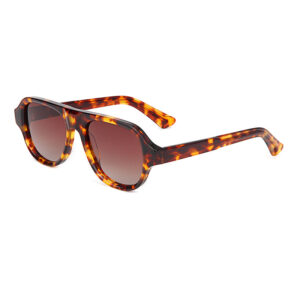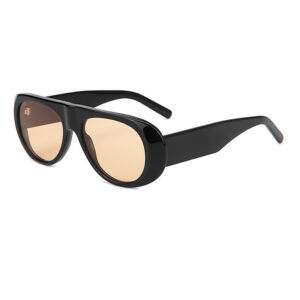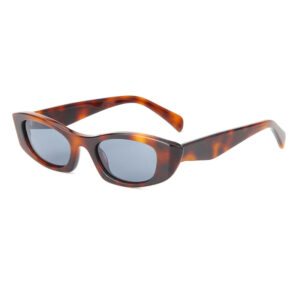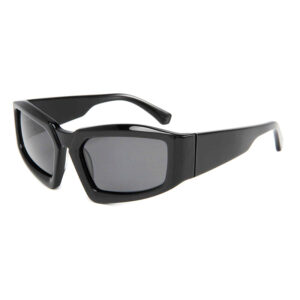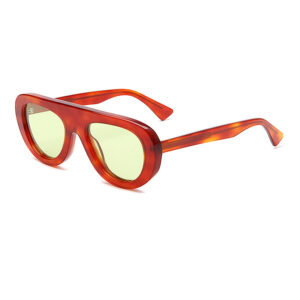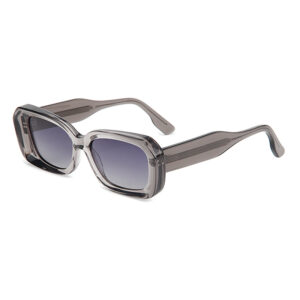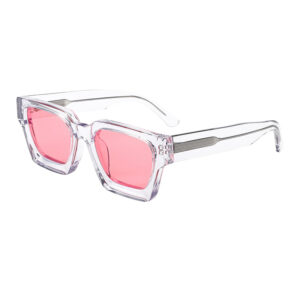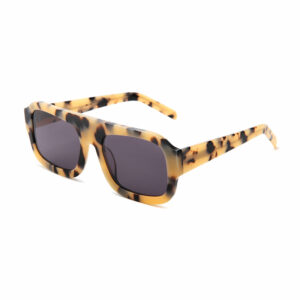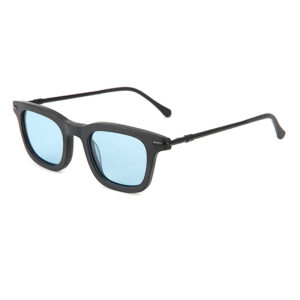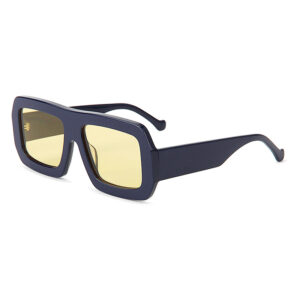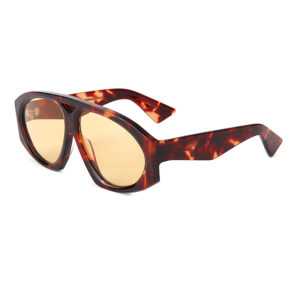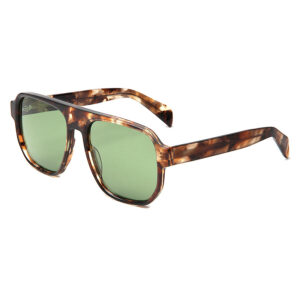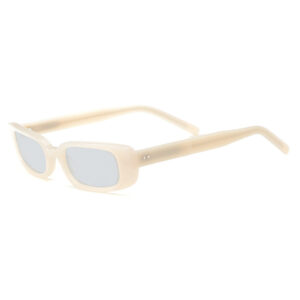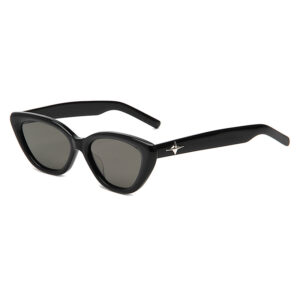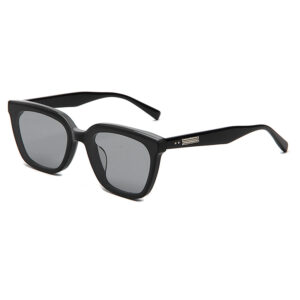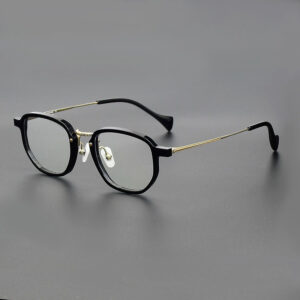
When sourcing or designing eyeglass frames, most people focus on the overall shape, color, or material—but overlooking the small parts inside the frame can lead to big problems later. From temples and hinges to nose pads and screws, these hidden heroes determine the comfort, durability, and long-term quality of your product.
If one screw loosens too easily, if a hinge doesn’t align correctly, or if the nose pads aren’t compatible with sensitive skin, your brand might face return complaints, repair issues, or poor product reviews—none of which you want, especially in a competitive market.
At EyewearBeyond, we work with global eyewear brands, wholesalers, and designers to deliver not just complete frames—but also the right eyeglass parts, carefully selected and engineered for your market, your materials, and your customers’ needs. This guide will walk you through the most essential frame components, how they work together, and how to choose the best options for your collection.
What Are Eyeglass Parts?
Eyeglass parts refer to the individual components that come together to form a complete eyeglass frame. While the finished frame might look like one seamless product, it’s actually a carefully assembled combination of mechanical and design elements—each with a specific function that affects comfort, durability, style, and overall performance.
From the frame front that holds the lenses, to the temples that rest on your ears, and the hinges that allow movement, every part plays a critical role. These components also vary depending on the style of the frame (rimless, full-rim, semi-rimless), the target audience, and the materials used (acetate, TR90, titanium, etc.).
For eyewear brands and wholesale buyers, understanding these parts isn’t just technical—it’s strategic. It helps you:
- Control your product quality
- Communicate clearly with manufacturers
- Avoid mismatches and fit issues during assembly
- Offer spare part solutions to your customers
- Optimize your brand’s cost-performance ratio
In the sections below, we’ll explore why these parts matter, how they work together, and which types are most common in today’s eyeglass frame designs.
Why Are Eyeglass Parts Important in Frame Manufacturing?
Eyeglass frames may appear simple at first glance, but beneath every polished surface is a system of carefully selected parts that make or break the final product.
Here’s why each part matters—and how paying attention to these components can impact your business:
1. Ensure Long-Term Frame Durability
Low-quality screws or hinges may wear out within weeks, leading to broken frames and customer complaints. On the other hand, using durable components like stainless steel hinges, titanium bridges, or heat-resistant acetate temples can significantly extend product lifespan and reduce after-sale service costs.
2. Improve Comfort and Fit
The choice of nose pads, end tips, and temple flexibility directly influences how the eyewear feels on the customer’s face. A well-balanced frame with the right nose pad and pad arms can eliminate pressure points and improve daily wear comfort—especially for prescription eyewear users.
3. Influence Brand Style and Visual Identity
Small parts like the brow bar, top bar, or branding plate can completely change the personality of a frame. For fashion-forward brands, decorative components or customized hinge covers are subtle but effective ways to differentiate your collection and enhance perceived value.
4. Support Lens Functionality and Adjustability
For rimless or semi-rimless frames, parts like rim locks, lens grooves, and screw tension are essential to secure the lenses safely without cracking. These technical parts affect lens compatibility and precision—two things your optical partners will notice right away.
5. Offer Repairability and Component Upgrades
Frames designed with modular parts allow easy replacement of damaged components (temples, nose pads, screws), which improves the after-sales service experience. In competitive B2B markets, offering replaceable parts adds long-term value and retailer trust.
In short, choosing the right eyeglass parts isn’t just about manufacturing—it’s about building a product that stands up to use, reflects your brand quality, and earns customer loyalty. That’s why at EyewearBeyond, we supply both complete frames and individual parts to help you stay in control of your product’s performance and identity.
How Do Eyeglass Parts Work Together in Frame Design?
Eyeglass parts don’t operate in isolation. Just like the components of a machine, every part of a frame must be engineered to work in harmony—ensuring structural balance, wearer comfort, and long-term performance.
When designing or sourcing eyeglass frames for your brand, it’s critical to consider how each part connects and contributes to the whole.
1. The Frame Front and Lens Groove Must Match Your Lens Type
Whether you’re producing full-rim, semi-rimless, or rimless frames, the frame front must be cut and grooved to properly house the lenses. The groove depth and width need to match your lens thickness and shape. A mismatch can lead to cracking during assembly or lens slipping after wear.
2. Temples and Hinges Define Flexibility and Balance
The length, shape, and material of the temples (arms) must work in tandem with the hinges to provide the right level of grip without squeezing the user’s head. For example, pairing spring hinges with lightweight temples can give a flexible, comfortable fit ideal for long-time wearers.
3. Nose Pads and Pad Arms Affect Center of Gravity
Many brands ignore this, but nose pad height and placement affect how the weight of the glasses sits on the nose. If the pad arms are too short or angled incorrectly, the frame may slide down or tilt forward, affecting both aesthetics and lens alignment.
4. Screws and Materials Must Be Compatible
It’s not just about size—screw material must match the metal parts it holds. Stainless steel screws in soft acetate frames may strip easily, while the wrong thread pitch can loosen over time. Proper torque balance ensures the frame remains tight without damaging surrounding parts.
5. Branding Elements Must Integrate Seamlessly
Whether you’re adding a metal logo plate, an etched hinge cover, or a laser-engraved temple logo, these decorative parts must be factored into the frame design early. Poor placement can disrupt the frame’s aesthetic flow or even compromise comfort.
This is why top-performing eyewear collections—from boutique labels to major optical chains—don’t just “assemble frames.” They engineer them, making sure every part—from the inside out—serves both form and function.
At EyewearBeyond, our OEM/ODM services are built around this integrated mindset. We help you optimize each part’s compatibility, ensuring your final frame is not only stylish, but also technically sound and ready for global markets.
15 Essential Eyeglass Parts You Should Know
To build a high-quality eyeglass frame—whether for fashion, optical retail, or your own private label—you must understand each of its key components. Below is a detailed breakdown of the 15 most common and important eyeglass parts.
1. Frame Front
This is the main structure that holds the lenses. It determines the overall shape of the glasses (square, round, cat-eye, etc.) and is often made from acetate, TR90, or metal. Design and fit start here.
2. Temples (Arms)
Temples are the side pieces that extend from the frame front and rest over the ears. Their length and curvature influence fit and comfort. Often made from the same material as the frame front or in contrasting finishes.
3. Hinges
The mechanical joints connecting the frame front to the temples. Hinges allow the temples to open and close. Common types include barrel hinges, spring hinges, and interlocking designs. High-quality hinges enhance product durability.
4. Nose Pads
Small pads that rest on the bridge of the nose. They come in silicone, PVC, or titanium. Detachable nose pads are common in metal frames, while acetate frames often use fixed nose rests. Key to wearer comfort.
5. Bridge
The section of the frame that connects the two lenses over the nose. The bridge size and shape affect how the glasses sit and feel. Variants include keyhole, saddle, and adjustable bridge designs.
6. End Tips
Located at the end of the temples, these are often coated or finished to enhance comfort behind the ears. Materials include silicone, acetate, or rubber. They prevent slipping and protect the ears from pressure.
7. Screws
Small but essential, screws hold together hinges, nose pads, and rim locks. Stainless steel is preferred for corrosion resistance. Proper screw tension is crucial for frame durability.
8. Rim Locks
Used in full-rim frames to lock the lens into place after it’s inserted. Usually located at the bottom of the lens rim. These are secured with a screw or clip system.
9. Spring Hinges
An advanced type of hinge that allows temples to flex outward, giving a more adaptive and comfortable fit. Highly recommended for active wearers or high-end frames.
10. Lens Groove / Rim Groove
A channel or indentation along the inner rim that secures the edge of the lens—especially in semi-rimless and rimless designs. Precision cutting is required to ensure tight lens fitting.
11. Top Bar
Also called a “double bridge,” the top bar spans across the brow and provides both structural support and a bold design statement. Often used in aviator-style frames or oversized sunglasses.
12. Brow Bar
A decorative or structural bar that runs along the top of the frame front, typically used in semi-rimless designs. Can add strength or style, depending on material and thickness.
13. Pad Arms
These small arms extend from the frame to hold adjustable nose pads. Usually made of metal and soldered or screwed onto the bridge. Their angle and length affect nose pad positioning.
14. Hinge Covers / Decorative Elements
Non-functional but highly visual components. These include metallic or acetate hinge covers, rivets, or contrast inserts. They contribute to the frame’s aesthetic appeal and brand identity.
15. Branding Plates / Logo Inserts
Embedded metal or printed logos found on temples or inside the arm. These parts reinforce brand presence and enhance the perception of premium quality.
Understanding these parts allows you to specify custom features, troubleshoot production issues, and speak the same language as your manufacturer. Whether you’re building your first collection or scaling up a global line, these parts form the foundation of product success.
At EyewearBeyond, we help clients around the world not only source these parts but also customize them—from laser-engraved branding plates to gold-plated hinges, according to your market needs.
How to Choose the Right Eyeglass Parts for Your Collection
With so many eyeglass parts available—each offering different materials, finishes, and functions—it’s important to align your selection with your brand vision, target customers, and pricing strategy.
Here’s how to make the right choices:
1. Choose Based on Material Compatibility
Each frame material—acetate, metal, TR90, titanium—has different processing needs and compatible parts.
- Acetate frames pair well with metal hinges, fixed nose rests, and laser-engraved logo inserts.
- Metal frames require adjustable nose pads, soldered pad arms, and thin-profile hinges.
- TR90 or Ultem demand lightweight screws and integrated nose bridges.
Make sure the eyeglass parts you select work technically and visually with your base frame material.
2. Match Style Aesthetics With Brand Identity
Your choice of decorative or structural parts directly influences the brand vibe:
- Luxury brands prefer titanium screws, engraved hinge covers, and gold-plated logo plates.
- Minimalist collections opt for seamless hinges, flush logos, and muted finishes.
- Youthful or fashion-forward lines often feature bold brow bars, colorful end tips, or creative temple decor.
Your parts should feel like a natural extension of your eyewear design language.
3. Tailor for User Comfort and Demographics
Consider your target audience’s daily use habits and comfort expectations:
- For Asian markets, offer adjustable nose pads and lightweight materials.
- For sportswear, choose spring hinges, anti-slip temple tips, and strong screws.
- For optical retailers, ensure all parts are easily adjustable by opticians.
Good design means thinking beyond looks—comfort sells, especially in prescription frames.
4. Confirm What Your Supplier Can Customize or Source
Not all factories have the same parts inventory or customization capability. Work with a supplier who can:
- Offer a wide selection of parts
- Handle low MOQs for custom logos or plating
- Advise on part compatibility and function
- Provide pre-assembly samples for testing
At EyewearBeyond, we support brands with both off-the-shelf and fully customized parts, ensuring your frame components match your exact specs—whether you need 500 units or 50,000.
Making smart part choices early in your product development helps you avoid assembly problems, reduce returns, and build a longer-lasting frame reputation with your customers.
Materials Breakdown: Pros and Cons of Eyeglass Parts
The material used in each part of the eyeglass frame has a direct impact on durability, weight, comfort, and overall user experience. Choosing the right material isn’t just about cost—it’s about matching performance to product positioning.
Let’s explore the most commonly used materials and their pros and cons for different eyeglass parts:
1. Acetate vs. TR90 for Temples
These are the two most common materials for frame fronts and temples, especially in fashion frames.
| Feature | Acetate | TR90 |
|---|---|---|
| Look & Feel | Premium, glossy, customizable colors | Matte or semi-gloss, sporty vibe |
| Weight | Heavier | Ultra-lightweight |
| Comfort | Moldable but less flexible | Flexible, memory-retentive |
| Durability | Prone to break under pressure | Impact-resistant and bendable |
| Best For | Designer frames, boutique collections | Sporty, casual, youth-oriented eyewear |
✅ Tip: Use acetate for high-end styling and TR90 when lightness and bendability are priorities.
2. Titanium vs. Stainless Steel for Hinges and Bridges
| Feature | Titanium | Stainless Steel |
|---|---|---|
| Weight | Extremely lightweight | Moderate |
| Corrosion Resistance | Excellent (won’t rust) | Good, but not salt-proof |
| Strength | High tensile strength | Solid but heavier |
| Hypoallergenic | 100% skin-safe | May cause reactions for some |
| Cost | Higher | More budget-friendly |
| Best For | Premium frames, allergy-prone users | Mid-range optical or sunglasses |
✅ Tip: If targeting a premium market, titanium hinges and bridges are worth the investment.
3. Silicone vs. PVC for Nose Pads
| Feature | Silicone | PVC |
|---|---|---|
| Comfort | Ultra-soft and skin-friendly | Firm, may feel harder |
| Anti-Slip | Excellent grip | Moderate grip |
| Longevity | Can discolor over time | Longer-lasting clarity |
| Skin Reaction | Rarely causes irritation | May cause allergic reaction in sensitive users |
| Cost | Slightly higher | Lower |
| Best For | Daily wearers, luxury prescription frames | Sunglasses, fashion eyewear |
✅ Tip: Always choose silicone for comfort-focused products, especially in prescription or all-day use frames.
4. Ultem vs. Injection Plastic for Lightweight Frames
| Feature | Ultem | Injection Plastic |
|---|---|---|
| Flexibility | Extremely high | Medium to high |
| Heat Resistance | Excellent | Varies by resin |
| Weight | Very lightweight | Lightweight |
| Finish | Smooth, premium feel | Can feel basic or mass-market |
| Customization | Limited colors | Wide variety |
| Best For | Minimalist, tech-driven eyewear | Budget or fashion collections |
✅ Tip: Use Ultem in collections where flexibility and strength are key selling points—especially for rimless or semi-rimless frames.
By selecting the right materials for each part of your eyeglass frame, you ensure that the design, functionality, and customer experience align with your brand promise.
At EyewearBeyond, we work closely with clients to recommend material combinations based on market segment, user profile, and production budget—making your sourcing decisions smarter and more strategic.
Which Eyeglass Parts Are Replaceable or Upgradable?
One of the most overlooked strategies for extending a product’s lifespan—and boosting customer satisfaction—is offering replaceable or upgradable eyeglass parts. Whether you’re building a modular eyewear line or simply preparing for after-sale service, knowing which parts can be swapped out makes your brand more repair-friendly and sustainable.
Here are the most commonly replaceable or customizable parts:
1. Temples (Arms)
Temples often bear the brunt of wear and tear. They’re usually attached with screws, making them easy to remove and replace.
- Ideal for offering limited edition arms, seasonal upgrades, or different color options.
- Useful in after-sale services when customers break one side.
✅ Pro tip: Standardized hinge spacing makes it easier to offer temple interchangeability across styles.
2. Nose Pads
These are perhaps the most frequently replaced part, especially in optical stores.
- Can be swapped for softer silicone pads, anti-slip designs, or hypoallergenic options.
- Some brands offer logo-embossed nose pads as a subtle luxury upgrade.
✅ Pro tip: Metal pad arms make pad replacement easier and more universal.
3. Screws
Tiny but mighty—screws can wear out, rust, or loosen with time.
- Replacements should be stocked in bulk.
- Available in different lengths, thread sizes, and materials (e.g. stainless steel, titanium).
✅ Pro tip: Offering branded or colored screws can be a small but distinctive branding touch.
4. End Tips
The plastic or rubber coverings at the end of temples can degrade over time.
- Easily replaceable with pliers and heat.
- Can be swapped for more ergonomic or colorful options.
✅ Pro tip: Use custom-colored end tips to reinforce brand identity or collection themes.
5. Hinges (in some designs)
While not always easy, some spring hinges and modular hinge systems can be replaced.
- Requires technical knowledge and precision tools.
- More common in luxury eyewear or brands that promote serviceability.
✅ Pro tip: Design frames with modular hinge slots if repairability is a key brand promise.
6. Decorative Elements & Logo Plates
Though usually glued or heat-embedded, these can be replaced or updated in custom runs.
- Useful for rebranding, private label clients, or co-branded collections.
- Some brands even offer removable metal badges or snap-in logos.
✅ Pro tip: For small brands, start with removable logo plates to test different markets or seasonal styles.
Offering replaceable parts not only enhances your product’s longevity and repairability, but also opens doors for value-added services, product upgrades, and even personalization options—especially important for retail partners and optical chains.
At EyewearBeyond, we support brands with replaceable part sourcing, compatibility mapping, and even spare-part packaging services for B2B clients.
Where to Source Eyeglass Parts in Bulk?
Whether you’re launching a new eyewear line or need replacement parts for your optical business, sourcing eyeglass parts in bulk is a crucial step for maintaining consistency, quality, and cost-efficiency.
But with so many suppliers on the market, where should you start?
Here are the top sourcing channels—and why EyewearBeyond might be your best fit.
1. Eyewear Manufacturers in China (Like EyewearBeyond)
China remains the global hub for eyewear production—not just for full frames, but also for individual parts like hinges, screws, nose pads, branding plates, and temples.
At EyewearBeyond, we provide:
- Ready-stock and custom-made parts
- Small-batch support for emerging brands (low MOQ)
- OEM/ODM capabilities
- Full kit preparation for assembly or repair sets
- Quality control from factory floor to final packaging
Being a factory-backed supplier, we eliminate middle layers, giving you faster communication, better prices, and consistent quality.
2. Optical Trade Shows and Sourcing Events
Industry expos like MIDO (Italy), SILMO (France), or HK Optical Fair offer great networking opportunities to meet part suppliers.
Pros:
- Touch and feel the materials
- Discuss technical needs face-to-face
- Get access to trend previews
Cons:
- Most suppliers at fairs have higher MOQs
- Some are trading companies without actual production capabilities
✅ Pro tip: If you meet a part supplier at a trade show, always ask: “Are you the factory?” Then verify if they have consistent inventory and custom services.
3. Online B2B Marketplaces (Alibaba, Made-in-China, Globalsources)
These platforms can help you find a wide range of suppliers fast, but with mixed quality levels.
Pros:
- Easy to search by product type
- Pricing comparison is transparent
Cons:
- Many listings are from agents, not manufacturers
- Communication delays are common
- You may face inconsistency in specs and QC
✅ Pro tip: Ask for video factory audits or live samples before placing large orders.
4. Partnering with a Full-Solution Supplier
Instead of sourcing frame parts individually from different vendors, some eyewear brands prefer working with a one-stop solution provider.
That’s exactly what EyewearBeyond offers:
- Full frame production
- Custom part integration (logos, hinges, decorative elements)
- Spare parts in branded packaging
- Worldwide shipping & fulfillment support
Whether you’re building your own eyewear collection or supporting optical stores with repair kits, we make sourcing parts simple, scalable, and brand-aligned.
Want to explore how our parts inventory and custom solutions can match your business?
Let our team know your needs, and we’ll prepare a tailored quote or sample pack.
How Are Eyeglass Parts Assembled During Production?
Behind every finished frame lies a highly coordinated assembly process, where all those small—but essential—eyeglass parts come together to create a product that’s stylish, wearable, and durable.
Understanding this process helps you:
- Identify quality control points
- Communicate better with your manufacturer
- Plan for logistics and lead times
- Reduce post-production issues like misalignment or weak joints
Here’s how it works at a professional eyewear factory like EyewearBeyond:
1. Pre-Assembly: Part Preparation and Sorting
Before anything is put together, all components—temples, hinges, screws, nose pads, bridge pieces—are prepared and sorted.
- Metal parts are cleaned and surface-treated (e.g. polishing, plating, anodizing)
- Plastic/acetate parts are cut, polished, or bent to shape
- Branding elements (logo plates, decorative hinges) are matched to specific SKUs
✅ Why it matters: Sorting parts by SKU ensures that each frame style gets the exact components it was designed for—no mixing, no misfits.
2. Frame Front & Bridge Assembly
For acetate or TR90 frames, the bridge area is pre-molded or fused with heat. In metal frames, the bridge is welded or soldered onto the lens rims and adjusted for correct alignment.
This step also includes adding the pad arms (for metal frames) or polishing built-in nose rests (for acetate).
3. Hinge Attachment
Hinges are either embedded into acetate (via heat and pressure), or welded onto metal frames. Spring hinges require additional alignment to ensure smooth opening/closing without resistance.
At EyewearBeyond, this step includes:
- Torque testing to ensure proper movement
- Angle calibration to maintain consistent temple spread
✅ Pro tip: Poor hinge alignment is a top cause of uneven frames—professional adjustment prevents returns.
4. Temple Assembly and End Tip Finishing
Temples are attached to the frame front via hinges, and screws are applied with torque-controlled machines. The end tips are either pre-molded or heat-softened and shaped manually for perfect curvature behind the ears.
Some high-end frames include metal rods inside temples for structural integrity.
5. Nose Pad Installation
For metal frames, nose pads are screwed or clicked into pad arms. For acetate frames with built-in nose pads, polishing is done to smooth edges and enhance comfort.
Silicone, PVC, and titanium nose pads are often matched to target market preferences (e.g., Asian fit vs. Euro fit).
6. Branding & Decoration
Logo plates, printed temple branding, or laser engravings are added at this stage. They can be:
- Heat-embedded into acetate
- Laser-marked on metal
- Glued or pinned into specific positions
We often handle private label branding here—especially for boutique eyewear brands.
7. Final Assembly Check & Adjustment
Each frame undergoes a final inspection:
- Are the screws tight but not over-torqued?
- Do temples fold evenly and spring open smoothly?
- Is the bridge symmetrical?
- Are logos cleanly placed and consistent?
Any final adjustments (like temple bending, nose pad angle) are done by skilled workers.
8. Packaging by Part or Full Set
Frames can be packed:
- As fully assembled units, ready for lens cutting
- Or disassembled with labeled parts, especially for B2B clients assembling locally
- Spare parts (screws, nose pads) can be included in custom pouches or maintenance kits
By understanding the assembly process, your team can set clearer expectations with suppliers, define QC requirements, and spot potential production risks early on.
At EyewearBeyond, we welcome clients to visit our facility (or request video audits) to see how parts come together—from raw components to ready-to-ship frames.
FAQ: Eyeglass Parts Buying & Compatibility
Have questions about sourcing eyeglass parts for your brand or optical business? You’re not alone. Here are some of the most common FAQs we hear from B2B buyers, answered by the team at EyewearBeyond.
1. Can I Buy Just the Temples or Hinges Without the Full Frame?
Yes, most reputable manufacturers (like EyewearBeyond) allow bulk ordering of specific parts such as temples, hinges, or screws. This is especially useful for:
- Optical stores offering repair services
- Brands updating collections with seasonal color temples
- Warranty replacement programs
✅ Minimum order quantities (MOQs) vary by part and level of customization.
2. What Are the Best Hypoallergenic Materials for Sensitive Skin?
For customers with metal allergies or skin sensitivities, consider:
- Titanium hinges and nose pads (nickel-free, ultra-light)
- Acetate or TR90 frames (non-reactive plastics)
- Silicone nose pads (soft and skin-friendly)
✅ Pro tip: Always label your hypoallergenic products clearly—it’s a strong selling point in retail.
3. Which Eyeglass Parts Affect the Overall Cost the Most?
While every part contributes to cost, these have the greatest impact:
- Hinges (especially spring-loaded or titanium)
- Temples (depending on material and finish)
- Logo decoration / branding elements
- Custom nose pad systems or pad arms
✅ Want to balance budget and quality? Use premium parts on visible, functional areas and standard options elsewhere.
4. Are Eyeglass Parts Standardized Across All Suppliers?
No, and this is a common pitfall. Component specs vary by:
- Hinge screw pitch and length
- Temple width and hinge positioning
- Pad arm size and angle
- Frame front curvature or groove depth
✅ Solution: Always confirm dimensions with your supplier or request a sample compatibility check before placing a bulk order.
5. Can I Customize Just the Logo Plate Without Changing the Whole Design?
Absolutely. At EyewearBeyond, we offer interchangeable logo plate options, including:
- Metal badges
- Etched stainless steel
- Laser-print temple branding
- Removable or glued-in plates
This allows brands to run co-branded or seasonal campaigns without rebuilding the frame mold.
6. Do You Offer Spare Parts Kits for Optical Stores?
Yes! We can assemble custom spare parts kits for:
- Retailer maintenance programs
- After-sale warranty support
- Branded cleaning cloth + screw set + nose pad kits
Each kit can include your logo and brand colors, packed in retail-friendly pouches.
7. Can You Match My Existing Part Spec If I Already Have a Frame?
Yes. If you send us your frame or high-res CAD drawing:
- We’ll match the part spec (temple length, hinge type, screw position)
- Reproduce the part with accurate tooling
- Recommend improvements based on updated materials or feedback
✅ This is ideal for frame re-orders or independent brands looking to switch factories without changing design.
If your question isn’t listed above, reach out to our product team directly at EyewearBeyond.com—we’re always happy to assist with custom requests, technical drawings, or sourcing advice.
Conclusion: Why Eyeglass Parts Matter for Your Brand
Every eyeglass frame is only as strong and stylish as the parts that build it.
From hinges and temples to screws and nose pads, each component plays a vital role in durability, comfort, and brand identity. Whether you’re an independent brand owner, an optical retailer, or a distributor, understanding eyeglass parts is the first step to building a smarter, more scalable eyewear business.
At EyewearBeyond, we don’t just manufacture frames—we supply precision parts, tailored advice, and full-service support to help your designs succeed in the global market.
If you’re ready to take control of your eyewear supply chain with quality components and customizable options, reach out to us today. Let’s build something better—part by part.