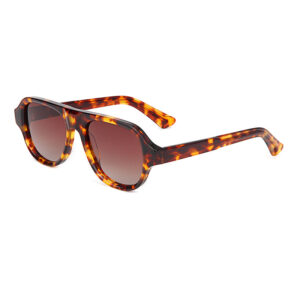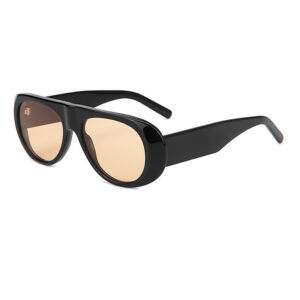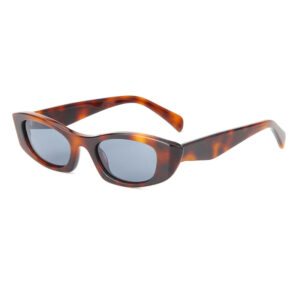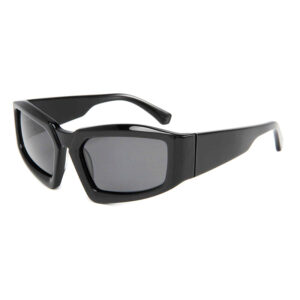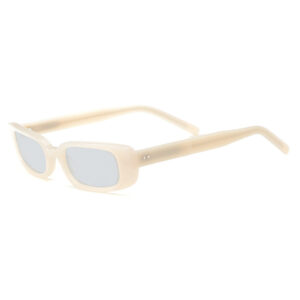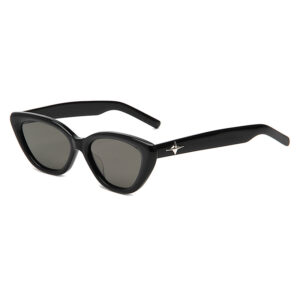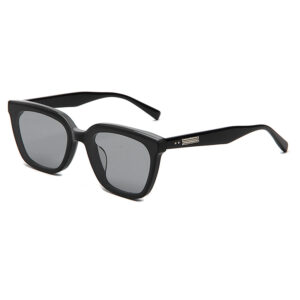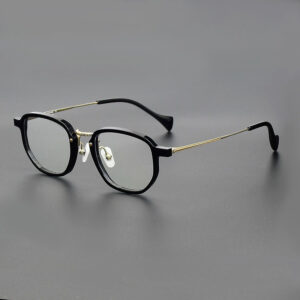
Eyeglass Fronts 101: Ultimate Guide to Eyeglass Fronts
When customers pick up a pair of eyeglasses, what’s the first thing they notice?
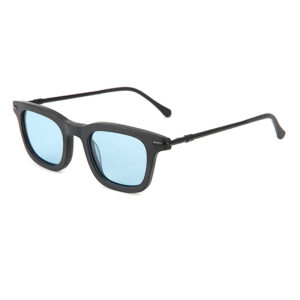
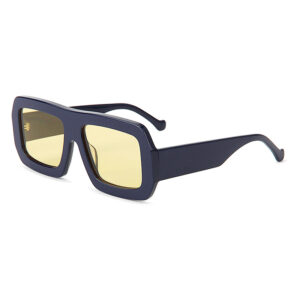
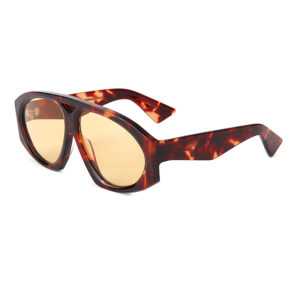
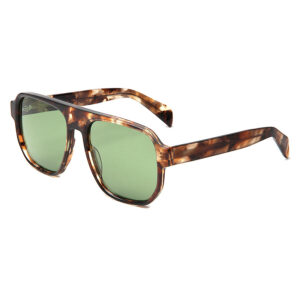
The front. It’s the face of the frame — literally and figuratively. Whether you’re designing for fashion, function, or both, the eyeglass front plays a crucial role in shaping your brand’s identity and user experience.
But here’s the challenge: with so many materials, shapes, and construction styles available, how do you choose the right front design for your eyewear line? One that fits your target customer, supports proper lens fitting, and still stands out on the shelf?
At EyewearBeyond, we know that the frame front is not just a design decision — it’s a performance and branding decision. That’s why in this guide, we’ll walk you through everything you need to know about eyeglass fronts: how they’re built, what materials to use, and how to customize them for your wholesale eyewear business.
Let’s break it down — piece by piece.
What Is an Eyeglass Front Made Of?
The eyeglass front — sometimes simply called the “frame front” — is the central structural piece of any eyewear design. It’s the part that holds the lenses and sits directly on the face, making it both a visual focal point and a functional foundation.
But a front isn’t just one solid piece. It’s made up of several smaller components that work together to deliver comfort, style, and optical performance.
Main Components of a Frame Front
- Rims (Lens Holders)
These are the outer borders that physically hold the lenses in place. They can be full (completely surrounding the lens), partial (like in semi-rimless frames), or completely absent (in rimless styles). - Bridge
The part that connects the two lens rims and rests over the nose. Bridge designs affect both fit and aesthetic — from traditional saddle bridges to modern keyhole or metal-bridge combos. - Lens Groove
In full-rim frames, a precise groove is machined into the rim to hold the lens securely. For semi-rimless frames, a nylon wire tension system is added. For rimless frames, the lenses are drilled to attach directly to the bridge and temples. - Pad Arm Base or Nose Pad Mount (Optional)
Depending on your design and region, you may include adjustable metal pad arms or molded-in nose pads to improve fit — especially for Asian-fit models or high-end designs. - Top Bar / Decorative Bridge (Optional)
Some designs feature a double bridge or a top bar that connects the two lenses for added strength or visual flair — commonly seen in aviators or vintage styles.
Each part of the front frame not only contributes to the overall strength and function, but also impacts the balance, weight distribution, and lens fitting compatibility.
At EyewearBeyond, we help brands fine-tune each element of the front — from nose bridge angles to rim thickness — so your eyewear looks great and fits right.
Types of Eyeglass Fronts Based on Frame Construction
When it comes to designing or sourcing eyeglass frames, not all fronts are built the same. The way a front holds the lenses — its structural type — directly influences the final product’s weight, durability, look, and even price point.
Here are the four most common types of eyeglass fronts you’ll find in the eyewear industry today:
1. Full-Rim Fronts
The most traditional and widely used style, full-rim fronts completely surround the lenses with a solid rim.
Pros:
- Excellent support for a wide variety of lenses
- Strong and protective — ideal for high-index or thick lenses
- Large surface area for branding and decorative details
- Can be made from acetate, metal, TR90, or injection plastic
Best for:
Optical frames, fashion-forward sunglasses, and durable kids’ eyewear
2. Semi-Rimless Fronts
Also known as “half-rim” or “supra” frames, these feature a visible rim on the top portion only, with the bottom part held by a nylon or monofilament wire.
Pros:
- Lighter than full-rim frames
- Clean, minimal aesthetic
- Modern and often used for business or tech-savvy looks
- Requires precise lens grooving and assembly
Best for:
Professional optical frames, executive collections, or lightweight readers
3. Rimless Fronts (Drill-Mount)
In rimless fronts, the lenses themselves are part of the structure — no rims at all. The bridge and temples are attached directly to the lenses via drilled holes.
Pros:
- Ultra-lightweight and nearly invisible on the face
- Highly customizable in lens shape
- Offers a minimalist, sophisticated look
Cons:
- Not suitable for all lens types (thicker or high-prescription lenses may be too fragile)
- Assembly and repair require skilled technicians
Best for:
Luxury eyewear collections, executive or mature consumers, and high-clarity prescription wearers
4. Combination Fronts
These fronts combine materials — like a metal bridge and rims with acetate accents — or mix full-rim and semi-rim designs for a unique hybrid structure.
Pros:
- Allows creativity in style and material contrast
- Visually striking for both optical and sunwear
- Offers both structural strength and design flexibility
Best for:
Designer collections, statement eyewear, or lifestyle-focused brands
Choosing the right front construction isn’t just about style — it’s about how the glasses will perform, how they feel on the face, and how easy they are to assemble and ship.
At EyewearBeyond, we help our clients match front types with target audiences, regional trends, and manufacturing feasibility — ensuring a great fit from both design and business standpoints.
Key Components of the Eyeglass Front
Behind every stylish frame front lies a set of well-designed components working together to balance fit, durability, and visual appeal. Whether you’re designing from scratch or sourcing ready-made fronts, knowing these parts helps ensure your frame meets both design and functional expectations.
Here’s a breakdown of the key components in an eyeglass front:
1. Rims or Lens Holders
These form the outer boundary of the lens area and hold the lenses securely in place.
- In full-rim frames: the rim surrounds the lens entirely and includes a lens groove to hold the edge.
- In semi-rimless: the upper rim is supported by a tensioned nylon cord below.
- Rimless: no rims — the lens itself is drilled and connected to the bridge and temples.
Design Tip: The thickness and depth of the rim affect both the look and the lens compatibility.
2. Bridge
The bridge connects the two lenses across the nose and affects how the frame sits on the face.
Common styles:
- Saddle Bridge – curves smoothly over the nose
- Keyhole Bridge – allows better fit for narrow or low nasal bridges
- Adjustable Nose Pad Bridge – often used in metal frames for precision fit
A properly designed bridge distributes weight evenly and enhances all-day comfort.
3. Lens Groove
The groove is a shallow channel cut into the rim that holds the lens edge snugly.
- Must match the lens edge curvature precisely
- Affects lens retention and ease of lens replacement
- In rimless designs, replaced by drill holes and tension mounts
Note: Poor groove design can lead to lens pop-out or poor optical alignment.
4. Nose Pad Mount / Pad Arm Base
This is the area (or component) where nose pads are attached. It can be:
- Built-in pads (common in acetate or injection plastic)
- Metal pad arms for adjustable silicone pads (common in metal or mixed frames)
Choosing the right nose pad system affects comfort, slippage, and compatibility with regional face shapes (e.g. Asian fit vs. Euro fit).
5. Top Bar / Double Bridge (Optional)
Used in some styles (like aviators or vintage designs), this extra bar above the bridge adds both support and a fashion element.
- Can reinforce structural integrity
- Adds design character for sunglasses or statement optical frames
- Can be metal, acetate, or even carbon fiber
6. Branding Zone (Optional)
Many brands use the center bridge or top rim area to display subtle logo elements.
- Metal logo inlays
- Engraved or embossed elements
- UV-printed designs for semi-custom branding
This adds recognition value without needing to modify the temples.
When all these elements come together, they create a front that’s not only stylish but engineered to perform across varied user needs.
At EyewearBeyond, we support custom frame front design — whether you want a retro keyhole bridge in polished acetate, or a lightweight semi-rimless titanium front with adjustable nose pads.
Popular Materials Used for Eyeglass Fronts
Choosing the right material for your eyeglass front is a key decision — one that affects style, comfort, price, durability, and even your brand’s market positioning.
From classic acetates to high-performance engineering plastics, here’s a breakdown of the most commonly used materials in front frame production and what makes each unique.
1. Acetate (Cellulose Acetate)
Why it’s popular:
- Offers vibrant colors, layering effects, and transparency options
- Can be hand-polished for a premium feel
- Hypoallergenic and comfortable on the skin
Best for:
Luxury optical brands, fashion-forward collections, and retro-inspired shapes
EyewearBeyond Tip:
We offer multi-layer acetate fronts with custom lamination — perfect for brands seeking standout color combinations.
2. TR90
Why it’s popular:
- Ultra-lightweight and flexible
- High impact resistance — ideal for sports or children’s frames
- Molded using injection technology, allowing high-volume, cost-efficient production
Best for:
Sporty collections, budget-friendly frames, youth eyewear
Drawback:
Limited color complexity compared to acetate; matte finishes more common
3. Stainless Steel
Why it’s popular:
- Sleek, minimal, and ultra-durable
- Resists corrosion and deformation
- Allows thin profile fronts — perfect for business or unisex collections
Best for:
Professional optical lines, semi-rimless or rimless fronts
Design Tip:
Often used in combo designs with acetate temples for balance
4. Titanium
Why it’s popular:
- Extremely lightweight yet strong
- Hypoallergenic — suitable for sensitive skin
- Long-lasting material with a high-end, modern look
Best for:
Premium collections, medical or executive eyewear, Japanese/Korean markets
Drawback:
Higher cost, requires more precise manufacturing
5. Ultem / Peek (Engineering Plastics)
Why it’s popular:
- Superior flexibility, heat resistance, and impact strength
- Ideal for extremely lightweight frames
- Commonly used in performance and technical eyewear
Best for:
Sports eyewear, minimalist rimless styles, niche professional markets
Note:
Requires specialized tooling — EyewearBeyond supports OEM/ODM Ultem production.
6. Combination Materials (Metal + Acetate)
Why it’s popular:
- Blends the best of both materials: structure from metal, color/design from acetate
- Allows sophisticated styling
- Common in vintage and mid-century-inspired collections
Best for:
Fashion collections, modern-retro styles, gender-neutral designs
Choosing your front material isn’t just a technical decision — it’s a branding statement.
The material you choose communicates the style, price level, and user experience of your frame to customers before they even put it on.
At EyewearBeyond, we guide clients through material selection based on design goals, market segment, MOQ, and budget — and offer both stock and custom-made front frame options.
Frame Front Sizes and Standards
When designing or sourcing eyeglass fronts, size isn’t just a technical detail — it’s a key factor that affects comfort, compatibility, and sales. An ill-fitting front can lead to poor user experience and high return rates, especially in optical collections.
Let’s break down how eyeglass front sizing works and what standards you should follow.
1. Key Measurements of the Frame Front
Understanding these measurements helps ensure a consistent fit across your collection:
- A) Lens Width (Eye Size):
Typically ranges from 48–54mm for adults. It determines the width of each lens and directly affects total frame width. - B) Bridge Width (DBL – Distance Between Lenses):
Usually 16–22mm. Crucial for nose fit — too narrow causes pressure; too wide causes slippage. - C) Frame Width (Total Front Width):
The total horizontal span across the front — includes both lenses and bridge.
Common ranges:- Women: 128–138mm
- Men: 135–145mm
- Kids: 110–125mm
- D) Lens Height:
Important for progressive lenses.
Minimum recommended height: 28–30mm for multifocal use. - E) PD Compatibility (Pupillary Distance):
The lens center must align with average PD:- Adult: 60–66mm
- Kids: 54–58mm
Ensures comfortable viewing and accurate optical center.
2. Sizing Standards by Region
- Europe / USA:
Often use boxing system measurements (eye size + bridge + temple). Example: 52□18 140 - Asia:
Emphasis on Asian Fit:- Wider nose pads or higher bridge
- Lower frame tilt for flatter facial structure
- Shorter frame height (for high cheekbones)
At EyewearBeyond, we offer frame fronts in standard and Asian-fit variants, or help you customize your own geometry based on your end market.
3. Size and Material Compatibility
Not all materials can be trimmed or adjusted post-production, especially injection-molded TR90 or Ultem frames. That’s why getting the size right at the design stage is critical.
- Acetate: Adjustable in heating / shaping process
- TR90 / Ultem: Fixed size — mold-defined
- Titanium / Stainless Steel: Precision-cut, laser-defined sizing
4. Tips for Designers and Buyers
- Always request technical drawings or CAD files before confirming bulk production
- Offer at least 2 sizes in your hero models to cover broader face types
- Consider regional face shape data when selling globally — one size rarely fits all
With the right frame front sizes in place, you’ll ensure a better fit for your end users — which means fewer returns, stronger reviews, and a more trusted brand image.
At EyewearBeyond, we help you optimize every millimeter — literally — to fit your brand, your market, and your customer base.
How Eyeglass Fronts Are Manufactured: Step-by-Step
Creating the front of an eyeglass frame is a precise and technical process — it requires a balance of industrial craftsmanship, material science, and modern machinery.
Whether you’re using acetate, metal, TR90, or titanium, the production of frame fronts generally follows these major steps:
Step 1: Material Preparation
Acetate Fronts:
- Acetate sheets are sliced into blocks
- Each block is matched to color specs or laminated with multiple layers for design effects
Injection Plastic (e.g. TR90, Ultem):
- Plastic pellets are melted and injected into pre-designed molds
- Molds determine the exact size, shape, and angle of the front
Metal or Titanium:
- Laser-cut or stamped from raw sheets
- Bent and pressed into shape using forming machines
Step 2: Rough Cutting or Molding
- Acetate: Blocks are cut into front shapes using CNC routers or hydraulic presses
- Injection-molded: Plastic cools inside the mold and is ejected fully formed
- Metal: After cutting, the front is formed into curvature using heat and molds
Step 3: Lens Groove Cutting and Bridge Formation
- A lens groove is carved to fit standard optical lenses (based on boxing system)
- The bridge is shaped and adjusted for either universal or Asian fit
- Nose pad mounts are added at this stage if needed (for metal frames)
Step 4: Hinge Base or Hinge Embedment
- Acetate: Metal hinge bases are heat-fused into the front’s temple joint area
- Metal: Hinges are laser-welded or screwed into place
- Combo frames: Nose bridges or brow bars are assembled via soldering or ultrasonic welding
Step 5: Surface Polishing and Finishing
- Acetate:
- Rough polish → Medium polish → Final hand-polish
- Brings out shine, texture, and layered color effects
- Injection Plastic / TR90:
- Surface smoothing and coating (e.g. matte or glossy)
- Sometimes painted for style accents
- Metal:
- Electroplating or color coating for corrosion resistance and styling
Step 6: Branding and Customization
- Laser engraving, pad printing, or in-mold logo application is done
- Fronts can receive subtle branding on the bridge or rim area
- UV pattern printing is optional for custom fashion lines
Step 7: Quality Check and Pre-Assembly
- Fronts are checked for:
- Frame symmetry
- Lens groove accuracy
- Surface polish defects
- Bridge angle consistency
Once passed, the fronts are paired with temples during final frame assembly or packaged separately for modular B2B use.
At EyewearBeyond, we support both small-batch handmade acetate front production and high-volume TR90 injection molding — with tooling, quality control, and global delivery all handled in-house.
Whether you’re launching a boutique brand or scaling an OEM line, understanding the manufacturing steps gives you full control over your product’s quality, timeline, and cost.
How to Customize Eyeglass Fronts for Your Brand
In the competitive eyewear market, especially for independent brands and boutique wholesalers, your frame front isn’t just a functional piece — it’s your canvas. Customizing the eyeglass front lets you turn a simple product into a visual signature that tells your brand story at first glance.
Here’s how to make it uniquely yours.
1. Custom Colors and Lamination
For acetate frames, one of the easiest ways to stand out is through custom color combinations or laminated patterns.
- Multi-layer acetate: Create depth using color layers
- Tortoiseshell blends: Combine classic with modern hues
- Clear or gradient fronts: On-trend, especially in urban fashion markets
At EyewearBeyond, we help brands develop exclusive color swatches or match Pantone references for large-volume runs.
2. Shape and Silhouette Customization
Want a signature look? Modify the lens shape, rim thickness, or bridge cut to make it yours.
- Rounded vs. angular lens shapes
- Thick rim vs. thin profile aesthetics
- Keyhole vs. saddle bridge options
- Flat top / geometric styles for high-fashion collections
Custom tooling may be required, especially for injection frames, but it pays off in creating recognizable SKUs.
3. Logo Application and Branding Areas
Your brand should be visible — subtly or boldly — on the front.
- Laser-etched logos on metal bridges
- Debossed or printed logos on acetate fronts
- In-mold branding for TR90 or Ultem frames
- Custom metal inserts or badges in nose bridges or top rims
Tip: Positioning your logo on the front (vs. just the temples) increases visual brand recall on retail shelves.
4. Decorative Features and Style Accents
Beyond function, decorations can elevate the front’s design:
- Rivets or visible hinges for vintage aesthetics
- Embedded crystals or studs for luxury lines
- Mixed-material overlays (e.g., wood + acetate, leather + metal)
- Cutout or sculpted designs for ultra-modern frames
These are particularly effective in sunglass fronts, where fashion leads over optical precision.
5. Size Variations and Fit Customization
Offer inclusive sizing by customizing front dimensions:
- Asian fit bridges and nose pads
- Narrower or wider eye sizes based on your region’s face shape data
- Low-bridge designs with integrated or adjustable pad options
At EyewearBeyond, we can provide tech drawings and help you adapt core designs across different customer segments.
6. Functional Features
Depending on your market (e.g. sports, reading, screen wear), consider adding:
- Clip-on grooves for magnetic lens clips
- Snap-fit systems for interchangeable fronts
- Thicker rims for blue-light filter lenses
- Integrated top bar for stronger sunglass frames
Customization is not just about making something look different — it’s about aligning your product with your audience’s lifestyle.
With EyewearBeyond’s support, you can launch fully customized eyeglass fronts — from technical CAD development to surface detailing — even in small MOQs.
Common Challenges When Designing Eyeglass Fronts (and How to Avoid Them)
Designing the front of an eyeglass frame might seem simple — until small miscalculations lead to fit issues, high return rates, or expensive redesigns. Whether you’re a new eyewear brand or an experienced buyer, understanding common pitfalls in front frame design can save you time, cost, and customer complaints.
Here are the top mistakes — and how to avoid them.
1. Incorrect Bridge Sizing or Fit
The problem:
Frames slip down the nose or pinch uncomfortably because the bridge width or angle doesn’t match the target audience’s face shape.
How to avoid:
- Always start from real facial data (Asian fit vs. universal fit)
- Test multiple prototypes during sampling
- Use adjustable nose pads for flexibility
EyewearBeyond tip: We provide nose bridge fit consultation based on your region and target demographic.
2. Lens Groove Misalignment
The problem:
Lenses don’t fit securely into the groove, or lenses pop out after installation — often due to incorrect groove depth or curvature.
How to avoid:
- Work with an experienced supplier who understands lens fitting standards
- Use 3D modeling or test grooves on real prescription lenses during sampling
- Follow ISO or ANSI guidelines for optical lens accommodation
3. Aesthetic vs. Manufacturing Conflict
The problem:
A beautiful design might not be feasible for mass production, especially when using injection molds or high-complexity CNC cuts.
How to avoid:
- Involve your manufacturer early in the design phase
- Get feedback on tooling feasibility before committing to a full line
- Consider simplified variations for entry-level SKUs
4. Overlooking Material Limitations
The problem:
Not all materials behave the same. A design that works in acetate may not work in TR90 or titanium due to flexibility or molding constraints.
How to avoid:
- Match design to material properties (e.g., avoid thin TR90 rims)
- Choose the right base material for function and aesthetics
- Discuss expected tolerances with your supplier during prototyping
5. Inconsistent Sizing Across SKUs
The problem:
Same model, different sizes — but customers experience inconsistent fits due to uncoordinated scaling of lens width, bridge, or height.
How to avoid:
- Develop a standardized sizing chart
- Maintain consistent proportions when scaling across sizes
- Validate wearability of each size through test fittings
6. Branding That Disrupts Design Flow
The problem:
Poorly placed logos or oversized branding elements on the front can clash with the frame’s elegance or reduce its perceived value.
How to avoid:
- Subtle logo application (e.g., laser etching or tone-on-tone print)
- Work with a designer to balance logo size and position
- Test consumer response in small batches before scaling
7. Underestimating Tooling Costs
The problem:
Custom front designs often require unique molds or jigs, which can significantly raise upfront investment — especially for injection frames.
How to avoid:
- Ask for clear tooling quotes before confirming your design
- Consider reusing base molds with minor aesthetic changes
- Partner with suppliers like EyewearBeyond that offer shared tooling options or semi-custom models
Designing a winning eyeglass front is a mix of creativity and engineering. At EyewearBeyond, we help you strike that balance, combining marketable aesthetics with production feasibility — so your designs succeed in both samples and scale.
How to Source Eyeglass Fronts in Bulk
Once your design is finalized and your market positioning is clear, the next challenge is: Where and how do you source eyeglass fronts in quantity — without compromising on quality, delivery, or flexibility?
Whether you’re starting your own collection or adding SKUs to an existing eyewear brand, sourcing strategy matters. Here’s what to consider:
1. Choose the Right Manufacturing Region
China remains the global hub for eyewear manufacturing, offering:
- Mature supply chains (esp. in cities like Wenzhou, Shenzhen, and Xiamen)
- Wide material access: acetate, metal, TR90, Ultem, titanium
- Flexible MOQs and faster sampling
Other regions like Italy or Japan offer premium artisan frames, but at a significantly higher cost and longer lead time.
EyewearBeyond is based in China, with five in-house production lines and years of experience exporting eyeglass fronts to clients globally — from wholesalers to independent brands.
2. Ready-Made Fronts vs. Custom Production
- Ready Stock Fronts:
- Quick delivery
- Lower cost
- Great for testing the market or entry-level collections
- Custom Fronts (OEM):
- Fully brandable (colors, shapes, logo)
- Unique to your brand
- Requires longer lead time and sometimes tooling investment
Tip: Some brands start with ready stock, then evolve into full OEM once market response is validated.
3. Evaluate Supplier Capabilities
When selecting a supplier, assess these key factors:
- Design support: Can they translate your sketch or mood board into CAD + molds?
- Material sourcing: Do they use certified acetate or titanium?
- Quality control process: Are there QC steps for symmetry, polishing, and groove depth?
- Logistics experience: Do they support DDP shipping, labeling, or export docs?
4. MOQ and Lead Time Expectations
Standard MOQs for eyeglass fronts:
- Ready stock: As low as 100–300 pcs per model/color
- Custom OEM: Typically 500–1000 pcs per color, depending on material and tooling
Lead times:
- Samples: 7–15 days
- Mass production: 25–45 days post-approval
At EyewearBeyond, we accommodate both small MOQs and larger wholesale needs — with consistent lead times and dedicated account managers.
5. Ask the Right Questions When Sourcing
To avoid miscommunication and unexpected delays, clarify:
- Can I mix colors within MOQ?
- Are front and temple matched as a full frame or separate?
- Are hinges included in the front pricing?
- What’s the return or remake policy if the samples don’t match CAD?
Bulk sourcing isn’t just about pricing — it’s about finding a long-term partner who can help you scale, innovate, and meet your delivery targets.
EyewearBeyond specializes in bulk front frame production for global B2B buyers — from startup brands to established wholesalers. We handle everything from customization to inspection to international shipping.
FAQ About Eyeglass Fronts
1. Can I Purchase Just the Eyeglass Front Without Temples?
Yes. Many eyewear manufacturers, including EyewearBeyond, allow you to purchase front pieces separately — ideal for modular assembly, mix-and-match designs, or if you’re sourcing temples from a different supplier. Just make sure both parts are hinge-compatible.
2. Are Front Sizes Standardized Across Suppliers?
Not exactly. While many suppliers follow industry size conventions (like lens width and bridge distance), tolerances and fit can vary, especially between materials or regions (Asian fit vs. Universal fit). Always request a size spec sheet and test samples before ordering in bulk.
3. What Materials Are Best for Eyeglass Fronts?
- Acetate: High-end, customizable, suitable for luxury or fashion lines
- TR90/Ultem: Lightweight, flexible, ideal for sport or comfort-oriented frames
- Metal/Titanium: Sleek and durable, preferred for minimalistic or professional styles
- Combination Frames: Blend acetate front + metal temples for contrast and balance
The “best” depends on your target market and brand positioning — EyewearBeyond can guide you in material selection.
4. Can I Request My Own Color or Pattern?
Absolutely. We offer Pantone color matching, custom acetate lamination, and even printed patterns for acetate or injected fronts. There may be a minimum quantity or tooling fee depending on the design complexity.
5. What’s the Typical Lead Time for Custom Eyeglass Fronts?
- Samples: 7–14 working days
- Mass Production: 30–45 days after approval
Lead time may vary based on material availability, mold usage, and holiday periods. We recommend locking in production at least 2–3 months before your market launch.
6. Are Your Fronts Compatible with Prescription Lenses?
Yes. All of our fronts are designed to accommodate prescription lenses, following optical standards for groove depth and curvature. We can also offer rimless or semi-rimless fronts for thinner lenses or unique shapes.
7. Can I Add My Logo to the Eyeglass Front?
Yes — depending on the material, we support:
- Laser engraving (metal, acetate)
- Pad or UV printing (TR90, acetate)
- Metal logo inserts (luxury styles)
We’ll guide you on logo positioning and sizing for maximum visibility without disrupting aesthetics.
8. What’s the Return or Remake Policy for Custom Fronts?
We stand behind our production. In case of:
- Manufacturing defects
- Incorrect specs
- Color mismatch from approved samples
EyewearBeyond will offer partial refunds, remakes, or replacements as per agreement. QC photos and pre-shipment inspections are standard for every order.
These FAQs are based on the real concerns of our global wholesale clients — especially first-time buyers or growing private-label brands. By addressing these upfront, we help make your sourcing experience clear, confident, and efficient.
Conclusion
The eyeglass front is more than just a piece of material — it’s the face of your frame design. It determines not only how the glasses look, but also how they feel, fit, and function. Whether you’re working with acetate, metal, or TR90, getting the front right is crucial for building eyewear that truly reflects your brand’s identity.
From choosing the right materials and styles to understanding manufacturing steps and common pitfalls, this guide has walked you through everything you need to know.
At EyewearBeyond, we support brands, wholesalers, and optical entrepreneurs with custom-designed eyeglass fronts, offering:
- Flexible MOQs
- Full customization
- Technical design support
- Global logistics
- Transparent quality control
Ready to bring your eyewear vision to life?
Contact EyewearBeyond today — let’s build your next best-selling collection from the front, forward.