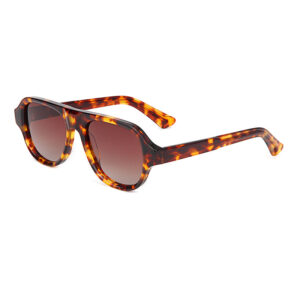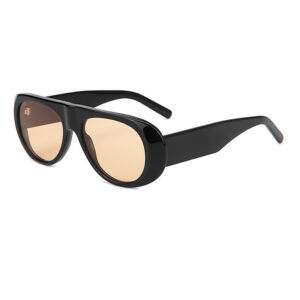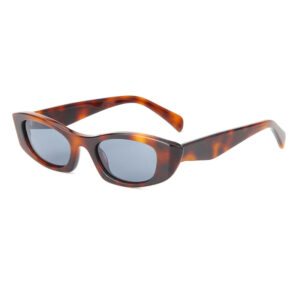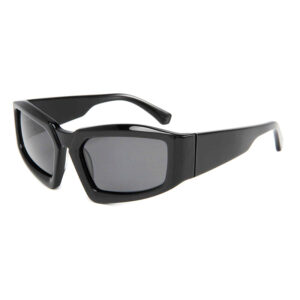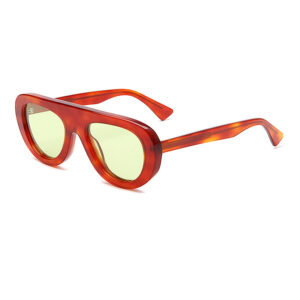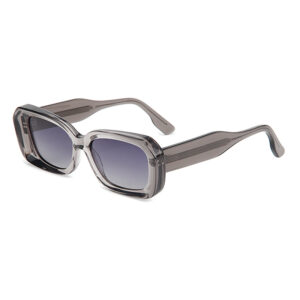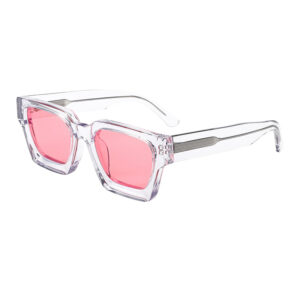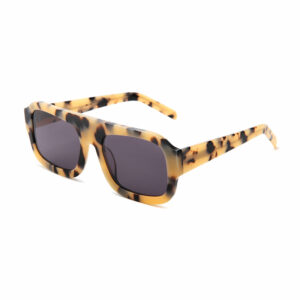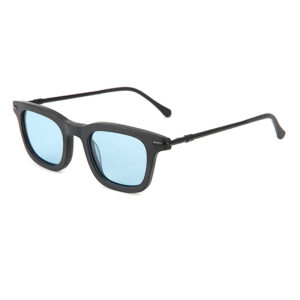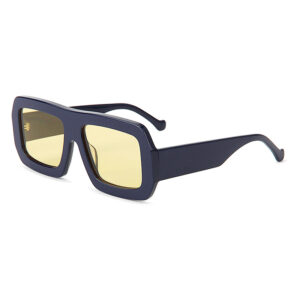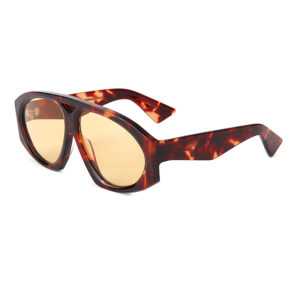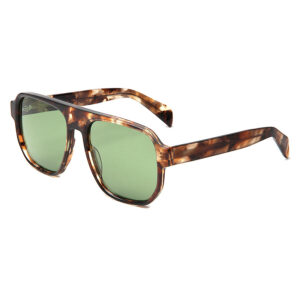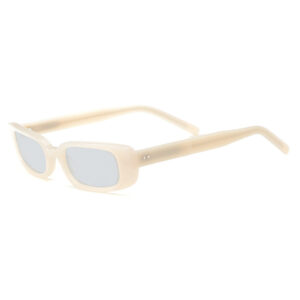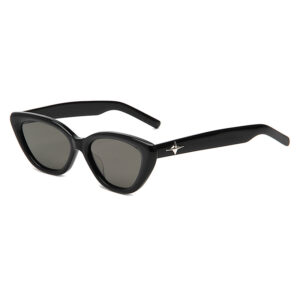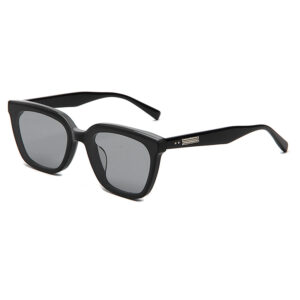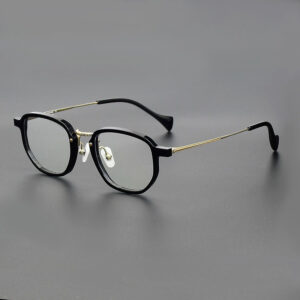
When it comes to designing eyeglasses, most people focus on the frame front, the lenses, or the bridge. But the temple end tips — those small pieces at the end of the arms — play a surprisingly large role in how your eyewear feels, fits, and performs.
For eyewear brands and distributors, understanding the design and function of end tips is essential. It’s not just about looks — it’s about long-term comfort, brand feel, and even customer loyalty.
At EyewearBeyond, we’ve supported global eyewear clients in customizing every inch of their frames, including end tips that match both brand identity and ergonomic needs. Whether you’re sourcing acetate, TR90, or metal frames, the right end tip design can enhance your product’s appeal — and reduce return rates.
In this guide, we’ll walk you through everything you need to know about end tips — from materials and shapes to manufacturing methods and customization options. Let’s get into it.
1. What Are End Tips on Eyeglass Frames?
End tips — also called temple tips or arm tips — are the small, protective parts located at the very end of each temple (or “arm”) on a pair of eyeglasses or sunglasses. They may seem like minor details, but they play a vital role in both comfort and durability.
Think of them as the part of the frame that rests directly on the wearer’s ears. This means they’re responsible for preventing slippage, easing pressure points, and improving the overall wearability of the frame. In metal frames, end tips often cover the wire core to provide cushion. In plastic frames like acetate or TR90, the end tip may be integrated into the overall shape.
For B2B buyers and eyewear brands, understanding end tips is crucial because:
- They directly affect customer comfort and fit
- They’re a subtle yet powerful branding opportunity
- Their materials and finish can influence durability and perceived quality
A poorly designed end tip can lead to discomfort, slipping, or even product returns — especially if your eyewear is worn for long periods or sold in hot, humid climates where sweat becomes a factor.
In the next section, we’ll explore why end tips matter so much in eyewear comfort and fit, and how small design improvements can have a big payoff in customer satisfaction.
2. Why Are End Tips Important for Comfort and Fit?
It’s easy to underestimate how much of a difference those tiny end tips make — until a customer complains that their glasses keep slipping, pinch their ears, or feel uncomfortable after just an hour of wear.
The end tips are where the frame meets the most sensitive part of the ear. If they’re too stiff, too narrow, or poorly finished, they can cause pain or pressure marks, especially after extended wear. For customers who wear glasses all day — whether optical or sun — comfort at the temples becomes a non-negotiable feature.
Here’s why end tips matter so much:
- Anti-slip Functionality
Well-designed end tips help prevent the frame from sliding down the nose. This is especially important in warm or humid climates, or for people with active lifestyles. - Pressure Distribution
By softening the contact between the frame and the skin, end tips reduce strain on the ears. This matters not just for comfort, but for customers with sensitivity or skin conditions. - Balance and Weight Distribution
A well-balanced pair of glasses includes temples with appropriate length, curve, and end tip weight. This helps the frame stay in place without needing constant adjustment. - Fit Customization
Many end tips include adjustable wire cores that allow opticians to bend and shape the ends for each wearer’s head. The right end tip makes this process smoother and more precise. - Aesthetic Integration
Let’s not forget the style. A matching or contrasting color on the end tip can elevate the entire frame design, reinforcing the brand identity or adding a luxury detail.
If you’re designing or sourcing eyeglasses for your brand, overlooking the end tip is a mistake. In fact, many successful eyewear collections use the end tip as a point of differentiation — whether it’s through material innovation, comfort upgrades, or branding accents.
In the next section, we’ll break down the most common materials used in end tips — and what makes one better than the other depending on your frame design and market needs.
3. Common Materials Used for Eyeglass End Tips
Not all end tips are created equal — and the material you choose can directly impact comfort, durability, style, and cost.
Whether you’re designing a minimalist titanium frame or a bold acetate collection, selecting the right end tip material helps ensure a better experience for the wearer and supports your brand’s positioning in the market.
Let’s explore the most common materials used in end tips, and when each makes sense for your eyewear collection:
1. Acetate End Tips
- Best for: High-end optical frames, fashion-forward collections
- Pros: Beautiful texture, wide range of colors/patterns (tortoise, transparent, marble, etc.), hypoallergenic
- Cons: Slightly rigid unless warmed for adjustments; higher cost
- Use Case Example: Designer brands seeking a polished look that blends seamlessly with the temple
2. Silicone End Tips
- Best for: Kids’ eyewear, sports frames, anti-slip applications
- Pros: Soft, flexible, grippy, lightweight; excellent anti-slip properties
- Cons: Can attract dust/oil over time, limited in fashion appearance
- Use Case Example: Sport sunglasses or active-wear glasses for humid or high-movement environments
3. TR90 / Ultem Integrated Tips
- Best for: Lightweight injection-molded frames
- Pros: Cost-effective, integrated molding (no need for separate tip), durable
- Cons: Limited color customization unless painted or coated
- Use Case Example: Budget-friendly collections with volume production needs
4. Rubber-Coated Metal Core Tips
- Best for: Adjustable temple designs requiring precision fit
- Pros: Combines adjustability (from inner wire) with soft rubber comfort; good grip
- Cons: Slightly bulkier in design
- Use Case Example: Optical frames requiring custom fitting by opticians
5. PVC or TPE End Tips
- Best for: Promotional or entry-level frames
- Pros: Affordable, easy to mold in various shapes
- Cons: Not very eco-friendly, may harden over time
- Use Case Example: Low-cost fashion sunglasses with colorful or novelty designs
Eco Tip from EyewearBeyond:
Want to go sustainable? Some brands are switching to bio-acetate or TPE alternatives for end tips to support eco-conscious customers. Let us know if you’d like to explore this route — we offer several material options for green initiatives.
In the next section, we’ll dive into the different shapes and styles of end tips — and how the right silhouette can improve fit, performance, and even brand recognition.
4. Different Styles and Shapes of Eyeglass End Tips
When it comes to eyeglass end tips, it’s not just what they’re made of — how they’re shaped can be just as important.
1. Standard Rounded Tips
- Description: Classic shape with a slight curve inward toward the ear
- Best for: Most optical and sunglass frames
- Benefit: Distributes pressure evenly; familiar look and universal comfort
- Note: Can be customized with color-blocking or embedded branding
2. Straight Tips
- Description: No curve, straight finish at the end of the temple
- Best for: Minimalist, metal, or modern frames
- Benefit: Clean look; may work better for adjustable or flexible temples
- Note: Often seen in titanium or ultralight styles
3. Cable or Wrap-Around Tips
- Description: Thin metal or acetate temple with end tips that wrap behind the ears
- Best for: Sports frames, children’s glasses, active use
- Benefit: Excellent retention; frame stays in place during movement
- Note: Less common in fashion eyewear, but great for function-first designs
4. Flat or Paddled Tips
- Description: Slightly flattened or widened end that rests on a larger area of the ear
- Best for: Heavier frames, acetate temples
- Benefit: Improved weight distribution, more comfort for long wear
- Note: Common in premium acetate collections
5. Custom-Molded Tips
- Description: Unique shapes or ergonomically contoured ends
- Best for: Brand signature looks, ergonomic lines, luxury eyewear
- Benefit: Combines comfort and distinctiveness
- Note: Great for differentiation, but higher mold costs
Choosing the Right Tip Shape for Your Brand
When selecting end tip shapes, ask yourself:
- Will my users be wearing glasses all day or just occasionally?
- Is anti-slip performance a must?
- Is the look supposed to be sporty, modern, classic, or luxurious?
- Do I want this to be a brand signature?
At EyewearBeyond, we offer both stocked and fully customized end tip designs to suit different temple structures, from stainless steel cores to acetate arms.
5. How to Customize End Tips for Your Eyewear Brand
For brands in the eyewear business, the end tip isn’t just a functional part — it’s a miniature branding opportunity.
Done right, a customized end tip can subtly (or boldly) express your brand’s identity, offer a superior user experience, and even become a signature element that customers recognize across collections.
Here’s how you can customize end tips effectively when working with a manufacturer like EyewearBeyond:
1. Color Matching or Contrast Colors
- Match the end tip color to the frame for a seamless, premium look
- Use a contrasting color (e.g. red on black, gold on tortoiseshell) to highlight your brand’s style
- Pantone® matching is available for consistency across collections
Pro Tip: Bright colors on end tips are great for kid’s eyewear or sporty lines.
2. Material Pairing
- Acetate on acetate, silicone on TR90, or rubber tip on titanium — we help ensure functional harmony
- Eco-conscious brands can opt for bio-based or recycled end tip materials
3. Shape Customization
- From flat paddles to unique sculpted ends, we can design new molds or tweak existing ones
- For comfort-focused lines, add ergonomic curves or anti-slip grooves
4. Brand Logos or Engravings
- Laser-engraved logos (common on metal cores visible through transparent acetate)
- Hot-stamped logos with metallic foil (gold, silver, rose gold)
- Debossed branding for subtle luxury finishes
A small logo on the inside of the end tip = brand consistency without overpowering the frame.
5. Textured or Patterned Tips
- Add micro-patterns for grip or visual style
- Use woodgrain, matte, glossy, or soft-touch finishes depending on your aesthetic
6. Themed or Limited-Edition Tips
- Offer seasonal end tip colors or special designs for collaborations
- Custom messages or initials can be printed inside for VIP customers or influencers
How EyewearBeyond Helps
At EyewearBeyond, we make end tip customization simple. You can:
- Choose from existing end tip mold library
- Work with us to create your own mold
- Request material, logo, and finish samples during the development phase
We also guide you through MOQ planning, so even small brands can start with limited runs before scaling.
6. How Are Eyeglass End Tips Manufactured Step by Step?
Eyeglass end tips may seem like a small detail, but in manufacturing, they go through a precise and technical process — especially when brands demand custom shapes, materials, and colors. Whether you’re a startup brand or a high-volume distributor, understanding how end tips are made helps you make smarter decisions on design, budget, and production timelines.
Here’s a streamlined overview of the end tip manufacturing process:
1. Material Selection
The process begins with selecting the appropriate raw material based on the design and functionality required. Common materials include:
- Acetate: Durable, stylish, used in fashion-forward designs
- Silicone or Rubber: Soft and grippy, ideal for comfort-focused frames
- TPE/TPR: Flexible thermoplastics used in sports and children’s eyewear
- Eco-friendly options: Recycled or bio-based alternatives for sustainable lines
2. Mold Creation or Selection
For custom shapes, a new mold needs to be created using CNC machining — typically a one-time cost.
If you choose a standard shape, manufacturers like EyewearBeyond offer a wide range of existing mold options, which helps reduce development time and cost.
3. Forming the End Tips
Depending on the material:
- Injection Molding is used for plastic-based materials like TR90 or silicone. The material is heated and injected into the mold.
- Heat-Pressing or Milling is used for acetate. The sheets are cut, heated, and shaped with hydraulic presses.
This step defines the final structure and dimensions of the tip.
4. Surface Finishing
Once removed from the mold, the end tips are smoothed, polished, or textured depending on the design. This may include:
- Hand polishing for glossy acetate finishes
- Matte coating or soft-touch finishes for sporty styles
- Grooves or anti-slip textures for performance eyewear
5. Logo Printing or Embossing
Brand customization is added at this stage using:
- Laser engraving
- Hot foil stamping (metallic logos)
- UV digital printing
- Debossed logos (for tactile branding)
These can be placed inside or outside the end tip, depending on visibility preference.
6. Quality Control & Sizing Check
Each batch is inspected to ensure:
- Correct dimensions for temple fit
- Smooth finish with no flashing or rough edges
- Logo clarity and color accuracy
- Proper flexibility and shape retention
Defective pieces are sorted out during this phase.
7. Assembly or Packing
End tips are either:
- Pre-assembled onto the temple arms, ready for final eyewear assembly, or
- Packed separately in batches (especially for modular or interchangeable designs)
They’re then cleaned and prepped for shipment.
At EyewearBeyond, we manage the entire end-tip manufacturing process under one roof — from material sourcing to final quality control — ensuring your designs are translated into high-quality, brand-consistent components.
7. How to Choose the Right End Tips Based on Your Eyewear Design?
End tips may be small, but they have a big impact on the comfort, fit, and style of your eyewear. Choosing the right type isn’t just about aesthetics — it’s about functionality, user experience, and even cost control. Here’s how to make the best decision when developing your next frame collection.
Match the End Tip to the Frame Material
The first rule of thumb: your end tip should be compatible with the temple design — both in size and material.
- Metal Temples (Titanium, Stainless Steel)
Pair with soft silicone or rubber tips for improved grip and user comfort. These materials are lightweight, hypoallergenic, and help prevent slippage — ideal for optical and reading glasses. - Acetate Temples
Use matching acetate end tips in a seamless design. You can also explore contrasting colors for a fashionable twist. - TR90 / Ultem / Injection Frames
Match with molded plastic or rubberized tips for a modern, ergonomic finish. These combinations are great for sporty or everyday lifestyle eyewear.
Consider End-User Comfort
Your customer’s lifestyle should inform your design choice:
- For Daily Optical Frames
Choose rounded and soft tips that reduce pressure behind the ears during long hours of wear. - For Sports & Kids’ Eyewear
Look for anti-slip rubber materials or cable-style tips that wrap securely around the ear. - For High-Fashion Sunglasses
Opt for sculpted acetate tips or even metallic finishes to align with luxury design trends.
Factor in Brand Positioning
Your end tip is also a branding opportunity:
- High-End Brands may prefer:
- Custom-shaped end tips
- Gold foil-stamped logos
- Laser-engraved branding
- Mid-Range Brands may benefit from:
- Contrasting color options
- Slightly custom shapes using standard molds
- UV-printed logos or icons
- Value Brands or Fast Fashion should focus on:
- Stock molds and standard materials
- Bright colors or textures to enhance appeal
- Easy-to-assemble tips that reduce labor costs
Evaluate Function vs. Cost
Cost efficiency is critical for B2B buyers:
- Standard tips from existing molds are budget-friendly and fast to produce — perfect for large-volume orders.
- Custom molds and designs add value but also increase tooling cost and lead time (normally 2–3 weeks extra).
- Ask your supplier if they offer semi-custom options (e.g. using a standard shape with custom color or logo) to strike a balance.
Don’t Forget Technical Fit
- Ensure the inner bore diameter of the end tip matches the temple wire or core.
- Test multiple samples to ensure the tip stays firmly attached during use but can also be assembled without damaging the temple.
- For modular designs or interchangeable temples, choose snap-fit tips or materials that withstand repeated attachment.
At EyewearBeyond, we offer expert guidance to help brands choose end tips that align with their product strategy. Whether you’re creating ergonomic frames for tech-savvy professionals or stylish shades for Gen Z, the right end tip can enhance both user experience and brand value.
8. How Do End Tips Impact the Final Customer Experience?
While most consumers never ask, “What kind of end tips are on these glasses?”, they definitely feel the difference — often without realizing it. End tips quietly shape a customer’s comfort, satisfaction, and long-term loyalty to your eyewear product.
Here’s how these small components can make a big impact:
1. All-Day Comfort Starts at the Ears
Poorly designed or hard end tips can cause:
- Pressure behind the ears
- Slippage during wear
- Skin irritation or discomfort
On the other hand, soft, ergonomic end tips provide:
- Secure but gentle grip
- Even weight distribution
- Reduced friction during long wear
For customers wearing optical glasses daily, this makes all the difference.
2. A Secure Fit Means Fewer Returns
If your eyewear slips, especially in hot or active conditions, customers may assume the entire frame is poorly designed — even if the problem lies in the end tips.
High-friction, anti-slip end tips (such as rubberized or textured silicone) can:
- Prevent slippage without adding weight
- Increase user satisfaction in sports and active use
- Reduce product returns due to poor fit
3. Aesthetic Details Reinforce Perceived Value
In the fashion category, design is everything. End tips with sleek shapes, matching acetate, transparent finishes, or metallic details can:
- Elevate the premium look of the frame
- Help differentiate your collection in a competitive market
- Create subtle but memorable branding (such as a gold logo inside the tip)
Customers may not articulate it, but these details affect their first impression, especially in unboxing or retail display settings.
4. Accessible Adjustments Improve Wearability
Some materials used in end tips — especially silicone and soft PVC — allow for easier post-sale adjustments, which:
- Helps opticians fine-tune fit behind the ears
- Prevents pressure points in customers with lower or asymmetrical ears
- Extends the lifespan of the product for users
This becomes a customer service advantage for your brand, especially in brick-and-mortar retail or B2B distribution channels.
5. Unexpected Touchpoints for Branding & Loyalty
Smart brands use end tips to reinforce identity:
- Signature shapes (e.g., Ray-Ban’s rounded red dot)
- Custom-printed interior messages (e.g., “Designed in NYC”)
- Special textures or materials that become part of the product story
This kind of branding — subtle and sensory — helps customers connect emotionally with your product. And in a market full of similar silhouettes, these tiny details make a difference.
In short, a good end tip improves not just how your frames fit — but how they feel, look, and sell. At EyewearBeyond, we work with clients to test different end tip styles in sample runs so you can make design choices backed by real user experience.
9. What Are the Most Common End Tip Styles & Shapes Available Today?
From timeless classics to ergonomic designs, the shape of an eyeglass end tip is more than a finishing touch — it’s a functional and stylistic element that varies depending on frame design, user needs, and brand positioning. Choosing the right shape isn’t just about looks; it can affect comfort, compatibility, and ease of production.
Let’s break down the most widely used end tip shapes in the eyewear industry today:
1. Straight Cut Tips
- What it is: A clean, flat-cut finish at the end of the temple.
- Best for: Minimalist or modern frames, especially acetate or metal.
- Pros: Simple to produce, universally compatible, clean aesthetic.
- Brand type: Often used by fast-fashion brands or entry-level optical lines.
2. Tapered Rounded Tips
- What it is: Ends that gradually taper down and curve slightly inward.
- Best for: Optical frames, daily-use eyewear.
- Pros: Very comfortable behind the ears, great weight balance.
- Brand type: Most commonly used in both mid-range and premium designs.
3. Banana or Curve Tips
- What it is: A deeply curved shape resembling a hook.
- Best for: Sportswear, activewear, or kid’s eyewear.
- Pros: Offers a very secure fit, wraps behind the ear for added grip.
- Brand type: Ideal for performance-focused collections.
4. Sculpted or Angled Tips
- What it is: Geometrically shaped or faceted tips that give a designer feel.
- Best for: Fashion sunglasses or bold optical styles.
- Pros: Visually unique, helps position brand as design-forward.
- Brand type: High-end brands or those aiming for statement aesthetics.
5. Hidden Wire Core Tips
- What it is: Tips with embedded wire cores for shaping flexibility.
- Best for: Custom fit adjustments by opticians.
- Pros: Adjustable behind the ear, reduces pressure points.
- Brand type: Common in higher-end prescription frames.
6. Transparent or Gradient Tips
- What it is: End tips made of see-through or partially colored material.
- Best for: Trendy youth-focused designs or lightweight frames.
- Pros: Light, visually clean, enhances modern styling.
- Brand type: Used in fashion-forward and minimalist collections.
7. Oversized Tips with Branding
- What it is: Enlarged tips used to display logos or brand colors.
- Best for: Brand visibility and marketing impact.
- Pros: Creates a signature look and brand recall.
- Brand type: Lifestyle eyewear brands looking to build visual identity.
8. Detachable / Interchangeable Tips
- What it is: Modular tips that can be removed or swapped.
- Best for: Custom-fit collections or frames designed for multi-use.
- Pros: Added functionality, allows customer personalization.
- Brand type: Innovation-driven brands or limited-edition collections.
When choosing your end tip shape, always consider your:
- Target user’s comfort
- Brand design language
- Production capabilities
- Retail positioning
At EyewearBeyond, we offer a wide range of both ready-made and customizable end tip molds — making it easy to balance cost-efficiency with brand differentiation.
10. Can You Customize Eyeglass End Tips for Branding and Functionality?
Yes — and in today’s eyewear market, customizing your end tips is not just possible, but strategically smart. From brand identity to user experience, customized end tips can set your collection apart in ways both subtle and bold.
Let’s explore the top customization options available for end tips, especially when working with factories like EyewearBeyond.
1. Color Customization
Want to match your brand’s color palette or seasonal trend shades? End tips can be molded or dipped in custom colors.
- Solid Colors: Great for brand consistency or bold styling.
- Two-Tone Designs: Add contrast between the inner and outer side.
- Transparent Tips: Offer a lightweight and modern look, especially popular in tech-inspired or youth-focused frames.
- Gradient Effects: A subtle fade between two hues adds an elevated fashion feel.
2. Logo Branding & Embellishments
Your end tips are small — but they’re valuable real estate for branding.
- Hot Stamping: Ideal for gold or silver foil logos. Adds a luxury touch.
- Pad Printing: For detailed logos in single or multi-color.
- Laser Engraving: Clean, sharp logos on acetate or metal tip covers.
- Embossed or Debossed Designs: Custom-molded textures for tactile branding.
These branding elements reinforce your brand at every touchpoint — including when the user takes their glasses off.
3. Shape Customization
Want to create something truly unique? Work with your supplier to develop a custom mold:
- Signature Shapes: Rounded, faceted, flared, or uniquely contoured ends.
- Functional Add-ons: Hooks, grooves, or tail extensions for sports/anti-slip function.
- Modular Designs: Allow tips to be swapped by users for personalization or comfort.
Keep in mind that custom molds require upfront tooling, but the long-term branding benefits often outweigh the one-time cost — especially if you plan to scale or repeat production.
4. Material Customization
While acetate and silicone are common, you can explore:
- Recycled Acetate: Eco-conscious and fashion-forward.
- Rubberized TPE: Ideal for sports lines and anti-slip performance.
- Metal or Metal-Covered Tips: Stylish and minimalist for designer collections.
- Soft PVC or TPU: For budget-friendly lines with comfort in mind.
Material choice affects not just look and feel, but also assembly process, cost, and durability — so discuss it early in the design phase with your manufacturer.
5. Packaging & Pairing
To enhance branding further, coordinate your end tip customization with:
- Temple core wire designs
- Eyewear pouch and case colors
- Display box inserts or taglines
This alignment across components turns a single product into a cohesive brand experience.
At EyewearBeyond, we help B2B buyers like you bring customized end tip ideas to life — whether you’re launching a new collection or scaling an existing bestseller. From quick-turn color swaps to fully bespoke molds, we offer flexible, low-MOQ solutions to support your branding vision.
11. What’s the MOQ and Lead Time for Eyeglass End Tip Production?
Whether you’re planning a capsule launch or scaling up a bestseller, understanding the minimum order quantity (MOQ) and lead time for end tip production is crucial for planning your eyewear supply chain effectively.
Let’s break it down for both ready-made and custom end tips.
Ready-Made End Tips
If you choose from existing molds and colors:
- MOQ: Often starts at 300–500 pairs per color
- Lead Time: Around 7–15 days for in-stock items, or 15–25 days if small adjustments (like logo printing) are required
- Best for: Startups, test batches, or fast fashion lines
These are cost-efficient and great for brands that want quick access to reliable, proven components.
Custom End Tips (Shape / Logo / Material)
If you need something branded or fully customized:
- MOQ: Typically 1,000–2,000 pairs per design
- Tooling Cost: A one-time mold fee (usually USD $150–$300 depending on complexity)
- Lead Time:
- Mold Development: 7–10 days
- Sample Testing: 5–7 days
- Mass Production: 25–35 days after approval
- Best for: Mid-size and growing brands looking to own their design language
Tip: You can often combine colors or apply split shipments across different SKUs while using the same end tip mold — allowing you to meet MOQ more efficiently.
Printing-Only Customization (Logo / Color)
If you only need custom logos or finishes on an existing shape:
- MOQ: 500–1,000 pairs per logo/color combo
- Lead Time: 15–25 days depending on order volume
- Printing Options: Hot stamp, laser, silk screen, UV pad print
This is a sweet spot for brands that want subtle personalization without full design investment.
Working With EyewearBeyond
At EyewearBeyond, we aim to keep the process flexible and transparent:
- Low-MOQ options available for emerging brands
- Custom sampling support to test fit, finish, and printing accuracy
- Dedicated QC process before packing and shipment
- Consolidated shipments with temples, nose pads, screws, and other components — saving time and shipping cost
End tips may be small, but they’re a high-touch component of your eyewear. With the right supplier and a clear understanding of lead times, you can ensure this final piece of the puzzle aligns perfectly with your product schedule and brand standards.
If you’re ready to bring your custom end tip idea to life — or just want to explore fast-moving, reliable stock — EyewearBeyond is here to help.
Conclusion: Why Eyeglass End Tips Matter More Than You Think
Eyeglass end tips may seem like a small detail in the grand scheme of eyewear design — but as we’ve seen, they can make or break the user experience, brand consistency, and even long-term product quality.
From materials like acetate and silicone to ergonomic shapes and full-brand customizations, end tips are a subtle yet powerful way to differentiate your collection in a crowded market. They play a key role in comfort, fit, durability, and most importantly, your eyewear brand’s visual identity.
At EyewearBeyond, we’ve worked with global B2B buyers — from indie designers to large-scale distributors — to develop both ready-stock and fully custom end tip solutions. Whether you’re just starting or scaling up, we’re here to support your journey with:
- Flexible MOQs
- Custom mold development
- Branding consultation
- Reliable delivery and export support
Ready to upgrade the finishing touch on your eyewear line?
Get in touch with our team today to explore your options for high-quality, branded eyeglass end tips — and take your next collection to the next level.