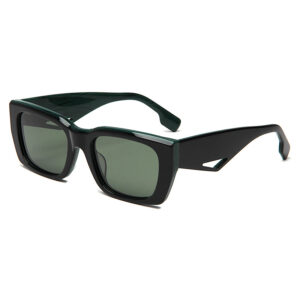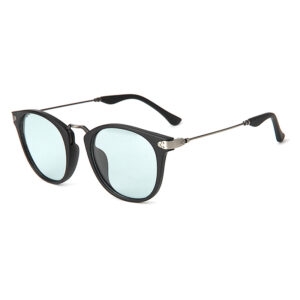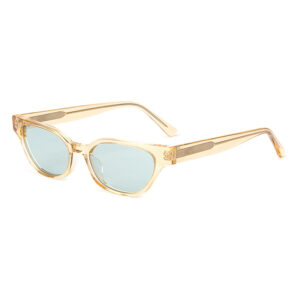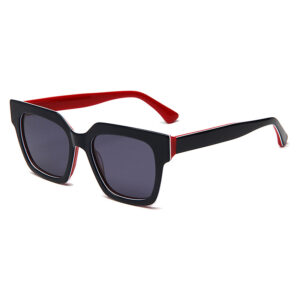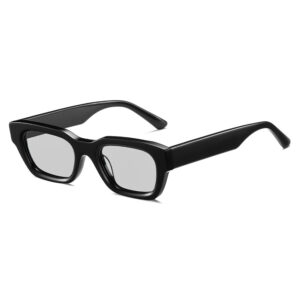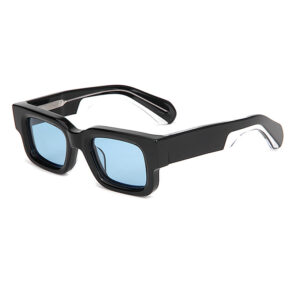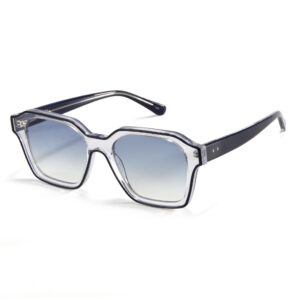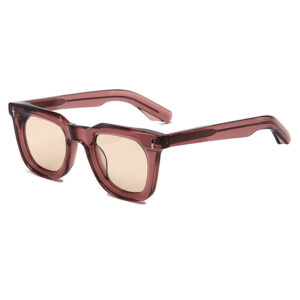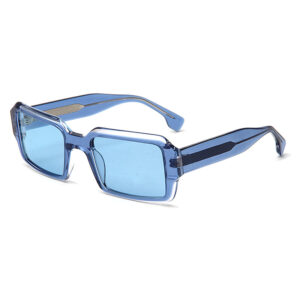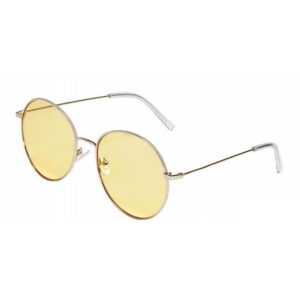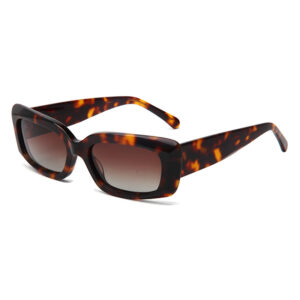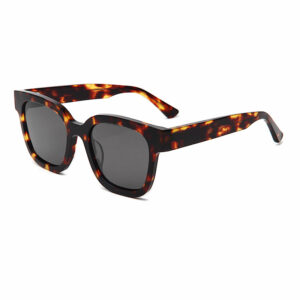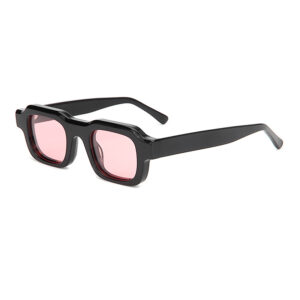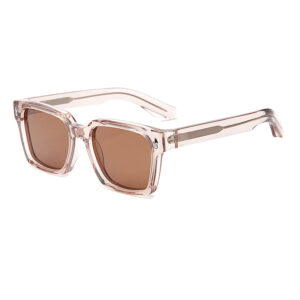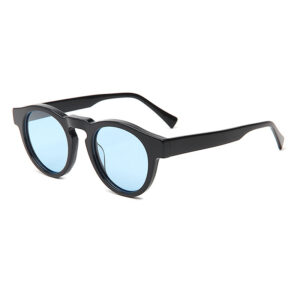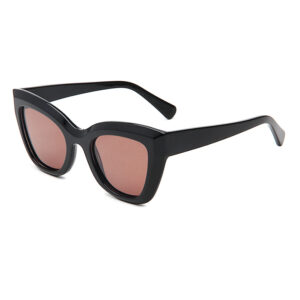
[Eyewearbeyond Exclusive Intro] – Practical Look Behind the Russian Eyewear Image
Russia isn’t just known for hard edges and brutalist architecture — its eyewear brands reflect the same spirit: minimal, structured, and unapologetically bold.
But for international buyers, it’s not just about visual attitude — it’s about realistic production, pricing, and B2B compatibility.
In this article, we decode the true landscape of Russian eyewear brands — what’s working, what’s not, and how to build a sellable, scalable “Russian-style” eyewear line that fits your market.
1. Introduction
Russian eyewear has a clear visual identity. Thick frames, cold colors, minimalist shapes — it looks bold, modern, and different from mainstream European styles. For many buyers selling into Russia and CIS markets, this aesthetic is increasingly attractive.
But here’s the real problem:
most Russian eyewear brands are not built for wholesale, OEM, or scalable supply.
Local brands are usually design‑driven, produced in small batches, priced like boutique eyewear, and rarely open to private label or export partnerships. That creates a gap between what buyers want to sell and what they can practically source.
At the same time, demand in Russia and surrounding regions hasn’t disappeared. Retailers, e‑commerce sellers, and distributors still need stable product, competitive pricing, and consistent delivery.
This is where the smarter solution comes in:
build Russian‑style eyewear through Chinese wholesale and OEM production.
In this article, we’ll break down:
- What defines the Russian eyewear style buyers like
- Why working directly with Russian brands is difficult for B2B buyers
- And how sourcing from China allows you to recreate that look — with better cost control, flexibility, and scalability for the Russian market
2. Why Russian Eyewear Style Is Unique — and Why Buyers Love It
Even if you’re not based in Russia, you’ve likely noticed something about its eyewear design: it doesn’t look like anything else.
The Russian visual language in eyewear is strong, bold, and cold — and for many Gen Z shoppers and urban creatives, that’s exactly the appeal.
Here’s what makes it stand out:
1. Brutalist Design Influence
Russia’s eyewear scene draws heavily from post-Soviet architecture and visual culture — think heavy shapes, hard lines, and minimal decoration. It’s not about softness or curves. It’s about presence.
2. Cold Tones and Industrial Colors
Forget bright reds or gold trims — the Russian style favors:
- Matte black, grey, ivory white
- Transparent clear or frost acetate
- Steel-toned metals (gunmetal, silver, graphite)
This gives frames a futuristic, understated, and almost editorial feel — ideal for concept stores and fashion-forward buyers.
3. Geometric and Uncommon Shapes
While most markets go for rectangular or round frames, Russian designers lean toward:
- Micro ovals
- Hexagonal lenses
- Oversized square or tall frames
- Flat-top bridges and sculptural angles
This keeps the look visually arresting — even when the materials themselves are simple.
4. Anti-Logo, Pro-Aesthetic
Most Russian eyewear avoids visible logos. It’s all about the structure, the color, and the attitude. This fits perfectly with the growing DTC market that wants identity over branding.
So why do buyers care?
Because these frames photograph beautifully, work for fashion campaigns, and appeal to a growing segment of image-conscious consumers — especially in Moscow, St. Petersburg, Almaty, and other rising fashion hubs across the CIS region.
The visual is strong. The problem is production.
And that’s where China comes in — to recreate the style in a scalable way.
3. Top 10 Russian Eyewear Brands — As Inspiration (Not Supply Chain)
When people think of “Russian eyewear,” they usually think of a mood: minimal, cold-toned, artsy, and bold.
That mood didn’t appear from nowhere — it was shaped by a handful of small but visually powerful independent brands.
These brands aren’t built for mass production. Most of them are run by small teams, often without in-house manufacturing, OEM structure, or even consistent B2B sales policies. But they offer inspiration, especially if you’re creating a private-label collection.
Here are 10 Russian eyewear brands worth studying — for design reference, not sourcing:
3.1 Fakoshima
- Founded: 2012
- Materials: Acetate, stainless steel, mirrored and flat lenses
- Style Positioning: Futuristic, architectural, editorial eyewear
- Strength: Sculptural shapes, fashion-forward visuals, artistic impact
- Target Market: Fashion stylists, concept boutiques, art-focused Gen Z
- Official Website: www.fakoshima.ru
Fakoshima is one of Russia’s most internationally recognized eyewear names, known for their conceptual frames that often blur the line between accessory and art object. Designed in Moscow, their collections play with lens layering, visor-like silhouettes, and exaggerated proportions — more runway than real life, but powerful for visual impact.
Their pieces have been featured in global fashion editorials and worn by celebrities, making the brand more of a “visual moodboard” than a mass retail solution. Retail prices range from $200 to $350 USD, and availability is often limited to drops or curated stores.
While Fakoshima does not offer any OEM, white-label, or wholesale channels, it remains one of the most influential visual references in the Russian eyewear scene. For private-label buyers, it’s an ideal starting point for moodboards — especially if you’re looking to develop oversized, sculptural acetate frames through OEM in China.
3.2 Hashtag Eyewear
- Founded: 2014
- Materials: Acetate, TR90, colored mirrored lenses
- Style Positioning: Urban, playful, retro-revival
- Strength: Pop culture appeal, trendy shapes, social media-ready
- Target Market: Gen Z, casual fashion shoppers, youth-focused retail
- Official Website: www.hashtag-eyewear.com
Hashtag Eyewear was built with the Instagram generation in mind — bold colors, fun shapes, and fashion at an accessible price point. Many of their best-sellers draw on 90s aesthetics: tiny lenses, cat-eye curves, and mirrored finishes, combined with bright acetates or colorful tints.
Their focus is retail, with most frames priced between $45 and $90 USD. Drops are seasonal and often tied to trends, with no consistency in wholesale terms or OEM access.
For buyers or DTC brands, Hashtag is less about cooperation and more about trend benchmarking. If you’re building a Gen Z‑friendly product line from China, their color use and frame variety can help shape a high-conversion collection.
3.3 Zolotarev Eyewear
- Founded: 2017
- Materials: Stainless steel, titanium, minimalist hardware
- Style Positioning: Industrial minimalism, post-Soviet luxury
- Strength: Ultra-thin structures, precision frames, monochrome looks
- Target Market: Urban professionals, minimalist consumers, boutique stores
- Official Website: www.zolotarev.co
Zolotarev’s design DNA is unmistakably Russian — stark lines, technical simplicity, and functional elegance. Their frames often feature bare metal finishes, laser-cut edges, and unconventional shapes, giving a clean, brutalist vibe.
Most frames retail at $180–$300 USD, and are made in small batches with extremely limited production runs. There’s no OEM, white-label, or scalable B2B program — meaning buyers need to look elsewhere for mass production.
However, Zolotarev’s designs are ideal references for building minimalist optical collections with stainless steel or titanium materials. Chinese OEM partners can replicate the proportions and aesthetics, while offering pricing and fit adjustments for local markets.
3.4 Brendel Russia
- Materials: Acetate, metal-acetate combo
- Style Positioning: Soft-modern femininity
- Strength: Clean silhouettes, wearability, neutral colors
- Target Market: Women’s optical buyers, pharmacy chains, mid-tier retailers
- Official Website: Not officially listed (mainly local resellers)
Brendel Russia offers a more wearable side of Russian eyewear. Their frames balance European-influenced design with simple Russian practicality — think round lenses, light gold metal, soft beige or burgundy acetates.
This brand leans commercial, but still lacks formal wholesale infrastructure. Prices sit around $70–$110 USD, and most distribution is domestic.
For OEM-focused buyers, Brendel’s soft-modern frame styles are easy to recreate with Chinese manufacturers. It’s a good direction for launching female-focused optical SKUs tailored to the Russian/CIS aesthetic.
3.5 Bats Eyewear
- Founded: 2015
- Materials: Acetate, stainless steel, gradient lenses
- Style Positioning: Neo-retro, indie cool
- Strength: Urban aesthetic, strong brand visuals, acetate variety
- Target Market: Creative youth, boutique retailers, mid-tier DTC
- Official Website: www.batseyewear.com
Bats Eyewear focuses on visual edge — from stylized campaign photography to sleek acetate selections. Their styles include thin-rim rectangles, flat-top bridges, and semi-mirrored lenses, often paired with neutral tones or monochrome themes.
The brand is DTC-first and fashion-heavy, with retail pricing around $90–$130 USD. There’s no published wholesale or OEM channel.
For brands looking to develop indie-cool collections for young adult markets, Bats offers solid references in lens shapes, acetate finishes, and color minimalism — all of which are cost-effective to reproduce via OEM in China.
3.6 Bureau of Optical Art
- Founded: 2010
- Materials: Mixed media (acetate, metal, experimental materials)
- Style Positioning: Artistic, experimental, avant-garde
- Strength: One-off designs, sculptural eyewear concepts
- Target Market: Museums, art buyers, fashion editorials
- Official Website: Not available (project-based work only)
Bureau of Optical Art isn’t a brand in the commercial sense — it’s a design collective based in Moscow that treats eyewear as art installations. Their pieces are often unwearable in daily life but are striking in lookbooks, galleries, and exhibitions.
Most works are produced as limited runs or one-offs, with no wholesale access, no mass production, and no repeatable catalog.
Still, their output is worth watching — especially if you’re building a bold visual brand or want to integrate sculptural or gallery-style eyewear into an editorial capsule collection via OEM.
3.7 Lamanche Eyewear
- Founded: 2016
- Materials: Acetate, stainless steel
- Style Positioning: Hipster, minimalist, lifestyle DTC
- Strength: Instagram-friendly shapes, wearable modern-retro
- Target Market: Millennials, casual trendsetters, young professionals
- Official Website: www.lamanche.ru
Lamanche Eyewear positions itself as Moscow’s answer to the European lifestyle brand. It features clean, wearable frames with light gold detailing, round and square classics, and a strong focus on lifestyle photography.
Their pricing is mid-range ($70–$120 USD retail), and distribution is primarily through their own e‑commerce and showroom.
There is currently no white-label or OEM offering, but the designs are extremely adaptable for mass production — especially if you’re building a modern essentials line with Russian market aesthetics in mind.
3.8 Spektrum Eyewear
- Founded: 2015
- Materials: Acetate, TR90, light metal
- Style Positioning: Optical-first, fashion-conscious
- Strength: Commercial shapes with a trendy edge
- Target Market: Optical retailers, mid-size fashion stores, DTC startups
- Official Website: www.spektrumeyewear.com
Spektrum blends fashion and function. Unlike more conceptual Russian brands, Spektrum focuses on comfortable, everyday frames with light design twists — think soft square fronts, transparent neutrals, and brushed metal details.
They’re one of the more “retail-practical” brands in Russia, but still operate without OEM or large-scale wholesale. Retail prices sit between $60–$100 USD, depending on material.
For private label buyers, Spektrum’s catalog is a great base for OEM replication — well-balanced SKUs that can sell in both CIS and international markets when paired with scalable production.
3.9 Glaza Eyewear
- Founded: 2014
- Materials: Acetate, stainless steel, gradient and flat lenses
- Style Positioning: Avant-garde, gender-neutral, artistic
- Strength: High-impact styling, dramatic frames, edgy image
- Target Market: Fashion stylists, niche concept stores, visual creators
- Official Website: www.glazaeyewear.com
Glaza Eyewear pushes boundaries — most collections look more like fashion props than daily frames. They use oversized shapes, asymmetrical cuts, and high-gloss lenses, often showcased in heavily stylized photo shoots.
While they’ve built a strong visual presence within Russian fashion circles, they don’t provide OEM or scalable wholesale options. Products are released in low-volume seasonal drops, often with inconsistent restock schedules.
Still, Glaza is highly useful as a moodboard source for dramatic silhouettes — especially if you’re developing a DTC capsule or show collection. Chinese manufacturers can replicate this drama more affordably, with better logistics.
3.10 Eight Optics
- Founded: 2018
- Materials: TR90, stainless steel, basic polycarbonate lenses
- Style Positioning: Mass-market, entry-level optical
- Strength: Basic frame designs, affordability, retail adaptability
- Target Market: Pharmacy chains, low-mid optical shops, discount e-commerce
- Official Website: Not officially listed
Among Russian brands, Eight Optics is one of the few that approaches eyewear as a functional, affordable necessity rather than a fashion object. Frames are simple — classic rectangles, oval metal rims, neutral colorways — often sold through local optical chains and pharmacy-style retail.
Their product range is closer to China’s mid-tier export brands in terms of style and pricing, though B2B access is still unclear and there’s no confirmed OEM support.
However, the style direction here is a strong indicator of what sells in working-class, volume-focused retail channels in Russia — and thus a smart starting point for buyers looking to launch basic, entry-level lines via Chinese OEM.
✅ Russian Eyewear Brands Summary Table (for Buyer Reference)
| Brand Name | Style Positioning | Target Market | OEM/Wholesale | Inspiration Value | Retail Price (USD) |
|---|---|---|---|---|---|
| Fakoshima | Futuristic, architectural | Fashion stylists, concept stores | ❌ No | ⭐⭐⭐⭐⭐ | $200–$350 |
| Hashtag Eyewear | Urban, playful, retro | Gen Z, youth retail | ❌ No | ⭐⭐⭐⭐ | $45–$90 |
| Zolotarev | Minimalist, industrial | Professionals, boutiques | ❌ No | ⭐⭐⭐⭐⭐ | $180–$300 |
| Brendel Russia | Feminine, soft-modern | Women-focused retail | ❌ No | ⭐⭐⭐ | $70–$110 |
| Bats Eyewear | Neo-retro, indie cool | Boutique stores, mid-tier DTC | ❌ No | ⭐⭐⭐⭐ | $90–$130 |
| Bureau of Optical Art | Experimental, artistic | Museum/art buyers, galleries | ❌ No | ⭐⭐⭐⭐⭐ | N/A (one-offs) |
| Lamanche | Hipster, minimalist | Young professionals, DTC | ❌ No | ⭐⭐⭐⭐ | $70–$120 |
| Spektrum | Optical-first, trendy utility | Optical stores, DTC startups | ❌ No | ⭐⭐⭐⭐ | $60–$100 |
| Glaza Eyewear | Avant-garde, bold styling | Stylists, concept stores | ❌ No | ⭐⭐⭐⭐ | $100–$200 (varies) |
| Eight Optics | Basic, entry-level optical | Pharmacy chains, value shops | ⚠️ Unclear | ⭐⭐⭐ | $30–$60 (estimated) |
4. Should You Work with Russian Brands Directly?
If you’re an eyewear buyer targeting the Russian market — whether you’re located in Russia, CIS countries, or exporting into this region — you might wonder:
“Can I just buy directly from Russian brands and avoid OEM development altogether?”
On paper, it sounds appealing. Russian eyewear brands offer strong design identity, local appeal, and recognizable aesthetics. But in practice, most of these brands are not structured to support wholesale or OEM buyers.
Here’s why working directly with them often doesn’t work:
❌ 1. No OEM or Private Label Support
Most Russian eyewear brands are designers, not manufacturers.
They produce in small quantities, often outsource production to Europe or Asia, and are not set up to accept OEM requests, white-label programs, or custom molds.
❌ 2. Unstable Supply and Long Lead Times
Limited collections are common — many brands release seasonal drops or art-led capsules, and sell out quickly.
There’s often no restocking, and few maintain consistent frame SKUs year after year.
If you need 500 units of the same model for distribution — good luck.
❌ 3. High Pricing, Boutique Margins
Retail prices often range from $100 to $300+ USD, even for acetate basics.
That pricing may work for concept stores, but not for buyers aiming to scale via:
- Multi-location optical retail
- Cross-border e-commerce
- Budget or mid-range private label collections
❌ 4. Limited Logistics and Communication
Many of these brands operate locally, don’t have dedicated B2B sales reps, and may not speak fluent English or Chinese.
Logistics to ship out of Russia — especially in current geopolitical conditions — can be complex, delayed, or outright restricted.
❌ 5. No Fit Adjustments for Asian Markets
Frames are often designed for European or Russian facial structures — with:
- High bridges
- Longer temples
- Narrow nose pads
If you’re sourcing for markets like Central Asia, Kazakhstan, or even Asian-Russian communities, these frames often require modification, which most Russian brands won’t do.
✅ So What’s the Alternative?
Use Russian brands as visual references — not suppliers.
If the look fits your market, replicate the styling through OEM production in China, where you can control:
- Materials
- Sizing specs
- MOQ and pricing
- Branding and packaging
- Delivery speed
This gives you the Russian look — without the Russian supply problems.
5. Pros & Cons of Working with Russian Eyewear Brands
Russian eyewear brands offer a clear aesthetic advantage — but as a B2B buyer, you need more than just visuals. You need supply consistency, margins, customization, and real production support.
Let’s break it down:
✅ Pros – Why Buyers Like Russian Eyewear Brands
| Advantage | What It Means for Buyers |
|---|---|
| Distinct Design Language | Frames feel unique, different from EU or Asian styles |
| Strong Visual Identity | Great for lookbooks, Instagram, and brand storytelling |
| High Fashion Appeal | Good for DTC or capsule drops targeting creatives |
| Cultural Relevance | Works well in Russia/CIS due to local design tastes |
Russian brands make eyewear that looks good in photos and on shelves, especially in curated environments like:
- Concept stores
- Fashion-driven DTC startups
- Editorial projects
- Visual-forward retail displays
❌ Cons – Why They Don’t Work for B2B or OEM
| Limitation | Impact on Business |
|---|---|
| No OEM / Private Label Support | Can’t create your own branded collection |
| Inconsistent Supply | Difficult to reorder best-sellers or scale volume |
| Small Production Capacity | Not suited for large wholesale orders |
| High Pricing | Low margin for resale, especially in mid-market |
| No Fit Customization | Risk of returns if fit doesn’t match local faces |
| Logistical Challenges | Delivery delays, export limitations, poor comms |
In short, these brands are not built to help you grow your eyewear business.
They’re designers, not suppliers.
✅ Best Practice: Combine Their Design with China’s Supply Chain
The most strategic approach?
Use Russian brands as visual moodboards — then recreate the look via Chinese OEM.
This gives you:
- Lower cost
- Flexible MOQs
- Reliable lead times
- Proper fit for your customer base
- Branding control
- Freedom to scale and sell under your own label
6. Pricing Guide — From Retail to OEM Possibilities
When buyers first see Russian eyewear brands, they assume the cost must be justified by quality or heritage. But the reality is — you’re often paying for design and scarcity, not production efficiency.
Let’s look at the numbers.
🧾 Retail Price Ranges from Russian Eyewear Brands
| Brand Type | Typical Retail Price (USD) | Notes |
|---|---|---|
| Avant-Garde Designers (e.g. Fakoshima) | $200 – $350 | Artistic value, but not mass-producible |
| Mid-Range Indie Brands (e.g. Hashtag, Bats) | $70 – $130 | Trendy shapes, but no OEM channel |
| Optical-Focused (e.g. Spektrum, Eight Optics) | $60 – $100 | Commercial, but still retail-oriented |
Most of these frames cost 3–5x more than the cost of equivalent China-made products — with less flexibility and no OEM options.
🏭 OEM Production Cost (via Chinese Factory)
If you’re inspired by Russian styles and want to build your own line, here’s what production might look like in China:
| Frame Type | Estimated Cost (FOB China) | MOQ (per color) | Matching Style Example |
|---|---|---|---|
| Thick Acetate “Fakoshima”-style | $8 – $11 USD | 100 pcs | Sculptural acetate, oversized frame |
| Stainless Steel Minimalist Optical | $6 – $9 USD | 100 pcs | Like Zolotarev’s slim metal series |
| Clear TR90 with Retro Lens | $5 – $7 USD | 100 pcs | Inspired by Hashtag / Spektrum |
| Designer Capsule Collection Mix | $9 – $13 USD | 100 pcs/model | Visual-led, with fashion packaging |
💰 Potential Retail Price in Russian Market (Resell)
With localized branding, bilingual packaging, and a curated launch, these OEM-based products can easily sell in:
| Channel | Suggested Retail Price (USD equivalent) |
|---|---|
| Fashion Optical Shops | $70 – $120 |
| DTC Online Store (Russia) | $60 – $100 |
| E-commerce (Ozon, Wildberries) | $40 – $90 |
✅ Why This Pricing Model Works
- You own the margin — not paying for someone else’s brand hype
- Flexible inventory — reorder what sells, modify what doesn’t
- Better ROI — lower upfront cost, faster market response
- More scalable — build for multiple channels, not limited drops
In short:
“Russian design, Chinese production, local pricing” — is the winning combination for today’s wholesale and DTC buyers in the CIS market.
7. Buyer Profiles in Russia & Surrounding Regions
If you’re planning to wholesale or OEM Russian-style eyewear through Chinese production, knowing who you’re selling to is just as important as knowing what to produce.
Here are the key buyer types across Russia and its neighboring regions who are actively looking for unique styles, better pricing, and reliable supply — and are open to working with international manufacturers like those in China.
🧑💼 1. Independent Concept Store Owners (Russia, Kazakhstan, Ukraine)
- What they want: Trendy, bold, fashion-forward eyewear with character
- Their challenge: Local designer brands are expensive and limited
- Why you matter: You can provide small MOQ with custom styles that look premium but are cost-effective
- Best formats: Capsule collections, limited-edition drops, neutral-tone acetates
💼 2. Mid-Sized Optical Chain Buyers (Moscow, St. Petersburg, Almaty)
- What they want: Optical frames with a design edge, but with comfort and certification
- Their challenge: Hard to find balance between medical-grade quality and stylish design at the right price
- Why you matter: China offers CE-certified frames, adjustable specs, and faster delivery than EU sources
- Best formats: Stainless steel + acetate hybrids, clean modern silhouettes with localized packaging
🛒 3. Online Sellers on Wildberries / Ozon
- What they want: High-turnover, visually attractive eyewear at competitive prices
- Their challenge: Sourcing products with visual appeal and margin room
- Why you matter: You can supply TikTok/Instagram-friendly designs in bulk, with lower risk and faster replenishment
- Best formats: TR90 or acetate with flat-top lenses, retro styles, soft tones, bold oversized sunglasses
📦 4. Wholesale Distributors in Central Asia (KZ, UZ, KG)
- What they want: Eye-catching SKUs with low unit costs and regional exclusivity
- Their challenge: Limited domestic options, long shipping times from Europe
- Why you matter: You offer faster delivery, OEM branding, and regional style adaptation
- Best formats: Mix of acetate/metal opticals and affordable sunwear with Russian-style finish
👗 5. Fashion-Focused DTC Startups in Russia
- What they want: Distinct visual identity and control over product
- Their challenge: Cannot afford high MOQs from Western suppliers; want creative flexibility
- Why you matter: You allow them to launch with small batches, develop custom colorways, and scale up gradually
- Best formats: Custom lens shapes, matte-finish frames, influencer-ready product kits
🔍 What Do These Buyers Have in Common?
- They all want Russian-style visual identity
- They all face production or pricing limitations locally
- They all are open to sourcing from China — if you speak their aesthetic language
Your job as a Chinese supplier isn’t just to offer frames.
It’s to offer the right style, structure, and flexibility — tailored to these real buyer personas.
8. Style Elements to Recreate in OEM Production
You don’t need a Russian passport to capture Russian eyewear style — you just need the right structural and aesthetic elements, built for scale and comfort.
Here are the most effective design features to translate into OEM eyewear production from China, inspired by Russia’s top indie labels.
🟫 1. Bold Fronts with Geometric Shapes
Russian eyewear often features strong, architectural silhouettes, especially:
- Flat-top bridges
- Oversized squares or tall rectangles
- Micro cat-eyes with sharp angles
- Hexagonal or low oval lenses
These shapes create visual power and are easily moldable in acetate or TR90.
For OEM: request precision-cut tooling and test wearability for mid-size faces.
🔳 2. Cold-Tone & Monochrome Acetates
Forget bright colors — the Russian palette is neutral, matte, and editorial:
- Frosted clear, grey, or ice blue
- Off-white / bone / ivory
- Matte black or deep brown
- Transparent olive or graphite
OEM tip: Ask your Chinese factory for low-gloss or matte surface finishes to match the look.
🪞 3. Mirrored & Lightly Tinted Lenses
In sunwear, many Russian brands use:
- Pale yellow, lilac, or smoke tints
- Silver or gradient mirror coatings
- Flat lenses (non-curved for sharper look)
These are great visual upgrades that don’t add much to cost if built into the initial spec sheet.
OEM tip: Include AR back-coating + UV400 filter to meet EU standards if exporting.
➖ 4. Slim Temples, Long Proportions
Designs often feature:
- Very slim acetate or metal temples
- Longer-than-average temples for side profile impact
- Flat-end tips or angular cuts
This provides a “clean profile” and futuristic edge.
OEM tip: Always confirm temple length vs local wearability — some markets may prefer standard 140–145mm instead of longer 150mm+ formats.
👃 5. High Nose Bridges & Low-Fit Pads — Modify for Asian Faces
Most Russian designs use:
- High nose bridges (Euro fit)
- Small or hard plastic nose pads
- Narrow bridge widths (16–18mm)
These need modification for Asian or Central Asian faces.
OEM solution:
- Increase bridge width to 19–21mm
- Use Asian fit nose pads or adjustable metal pads
- Adjust pantoscopic tilt for better fit on flatter nose profiles
🎯 6. Minimal Branding = Private Label Friendly
Most Russian brands avoid logos — that’s a huge plus for OEM:
- You can launch a clean-label collection
- Add subtle engraving, inside printing, or embossed logo
- Keep the “aesthetic purity” but make it your own
OEM tip: Use laser engraving + clear UV printing on temples for subtle branding that matches the minimalist feel.
✅ Bottom Line:
Russian eyewear looks complicated — but it’s surprisingly OEM-friendly when broken down into:
- Frame shape
- Lens treatment
- Material texture
- Color tone
- Fit spec
You bring the visuals.
Let the factory bring the structure.
9. Three Signature “Russian Style” Frames That Work Well in OEM
Not every Russian-inspired design is practical for production. But some styles strike the right balance between boldness, wearability, and manufacturing feasibility.
Here are three frame types that offer maximum visual impact and OEM efficiency, based on common Russian eyewear aesthetics.
1. Oversized Square Acetate Frames
Design Origin: Inspired by Fakoshima, Glaza, and Bats Eyewear
Style Vibe: Strong, architectural, unisex
OEM Notes: Easy to cut from acetate sheets, compatible with both optical and sunwear lenses
Best For: Concept stores, online fashion brands, lookbook campaigns
Customization Options:
- Frosted clear or matte black finish
- Silver flat mirror lenses for sunglasses
- Subtle metal logo embedded at hinge
This frame gives off high-fashion energy while being fully scalable. A great entry point for brands testing “visual identity” collections.
2. Slim Stainless Steel Minimalist Optical
Design Origin: Based on Zolotarev Eyewear and Bureau of Optical Art
Style Vibe: Technical, intellectual, clean-line modern
OEM Notes: Requires precise laser welding and ultra-light temples
Best For: Optical retailers in urban areas, professionals aged 25–40
Customization Options:
- High-bridge + adjustable nose pad version
- Gunmetal / titanium grey finish
- Option for prescription demo lens or blue-light blocking lens
This frame feels premium, fits into workwear styling, and suits both male and female consumers. Great for value-added branding in professional markets.
3. Clear TR90 Frame with Soft Retro Tint
Design Origin: From Hashtag Eyewear and Spektrum
Style Vibe: Light, trendy, wearable for Gen Z
OEM Notes: Inexpensive to produce, lightweight, good for DTC mass sales
Best For: TikTok-style brands, online marketplaces (Wildberries, Ozon), entry-level buyers
Customization Options:
- Gradient lenses (purple, smoke, orange)
- Subtle color-injected logos on the temple
- Inner printing in Cyrillic font for local vibe
This style is low-risk, photogenic, and great for bundles or flash sale collections. Also works well in regions like Kazakhstan, Ukraine, and Georgia.
Each of these structures offers:
- Visual match with Russian brand DNA
- Low production complexity
- Fast lead times
- Customizable design specs
- Flexible MOQ for pilot runs
If you’re building a private-label collection for the Russian/CIS market, these are your starting points. Once you test demand, you can iterate further with new materials or shapes.
10. Why Producing Russian-Style Eyewear in China Just Makes Sense
Russian eyewear brands are inspiring — but they’re built for style, not scale.
If you’re serious about selling eyewear that looks Russian but works commercially, China is the most reliable place to bring that vision to life.
Let’s break down why.
1. Lower Unit Costs = Better Margins
Producing in China lets you replicate even complex acetate or metal frames at a fraction of the European cost.
While Russian brands retail at $100–300 per pair, you can OEM a similar product from $6 to $11 USD FOB — leaving huge room for markup.
This is especially important if you sell in:
- Price-sensitive CIS markets
- Online platforms with price competition
- Private label models that rely on high margins
2. Faster and Predictable Lead Times
Most Chinese eyewear factories operate on 30–45 day lead times, with stable supply chains and year-round raw materials.
Compare that to local Russian brands who produce seasonal drops, often with 2–4 month delays.
For wholesale and e-commerce sellers, speed = opportunity — especially during peak retail periods like summer, back-to-school, or holiday campaigns.
3. Customization Freedom
Want a matte ivory acetate with violet mirror lenses and laser branding inside the temple? No problem.
Chinese manufacturers are used to handling:
- Low to medium MOQs (100 pcs/style)
- Private labeling and packaging
- Material/color/lens customization
- Adjusted fit specs for local face types
This flexibility is almost impossible when working with pre-existing Russian brands.
4. Cultural and Face Fit Adjustments
Many Russian-style frames are designed for narrow, high-bridge European faces — which can cause fitting issues across:
- Central Asia
- East Asia
- Mixed-ethnic regions in Russia
Chinese OEM factories can offer:
- Wider bridge width (19–21mm)
- Adjustable nose pads
- Custom temple length (140–150mm)
- Pantoscopic angle adjustments
That means your product not only looks good, but fits well — and reduces return rates.
5. Language, Workflow & After-Sales Support
Let’s be honest:
Communicating with indie Russian brands for B2B purposes can be difficult — language barriers, no structured sales process, and slow responses are common.
With Chinese factories:
- English/Chinese bilingual sales teams
- Transparent order tracking
- Video sample confirmations
- Clear documentation and certifications (CE, FDA, etc.)
Everything is built for scale, repeat orders, and long-term cooperation.
6. Logistics and Export Advantage
Shipping from China is more stable and accessible to:
- Russia
- Kazakhstan
- Belarus
- Georgia
- Armenia
- Uzbekistan
than internal Russian freight or EU-origin supply.
You can ship via:
- Rail freight (China–Europe express lines)
- Air cargo via Urumqi or Zhengzhou
- Combined shipping + customs clearance services through 3PL
The result?
Lower landed cost. Faster stock turn. Fewer headaches.
Final Thought for This Section:
You don’t need to compromise.
You can offer Russian visual identity, paired with Chinese execution efficiency.
This is how modern eyewear businesses grow — by borrowing design from culture, and building product through global production power.
Final Takeaway: Russian Style, Chinese Execution, Your Brand
The Russian eyewear aesthetic is bold, refined, and rich in design value — but most local brands are not built for bulk, speed, or flexibility.
If you’re serious about scaling, you need more than style —
you need a system that delivers custom, affordable, fit-accurate product at pace.
That system exists in China.
With the right OEM partner, you can:
- Recreate the best of Russian design
- Adapt it to your local fit and branding needs
- Launch collections that feel premium — without the premium price tag
- Control your production, timelines, and profit margins
Use Russian brands for inspiration.
Use Chinese factories for execution.
Own the final result under your own name.
This is how smart eyewear businesses grow — one frame, one idea, one custom product line at a time.