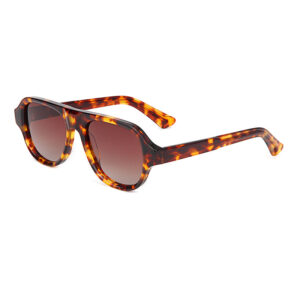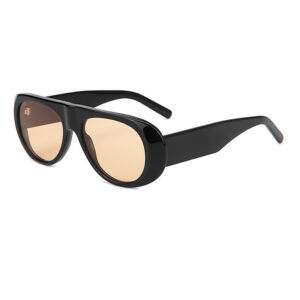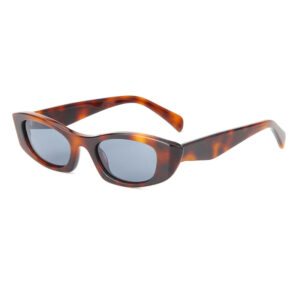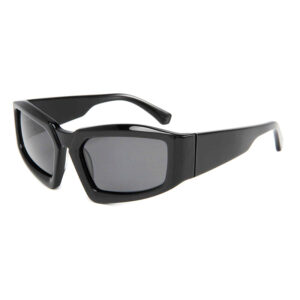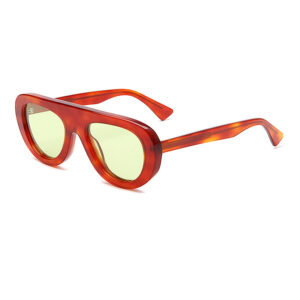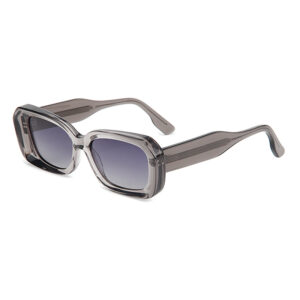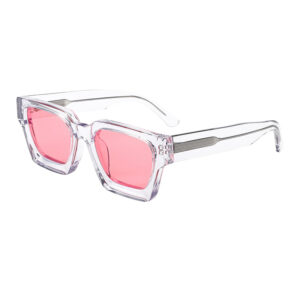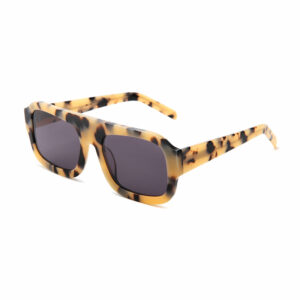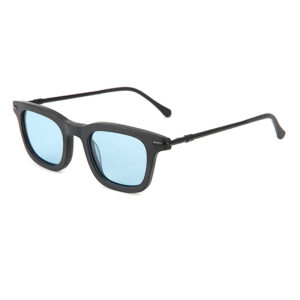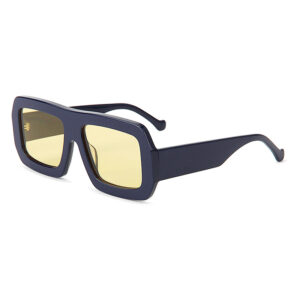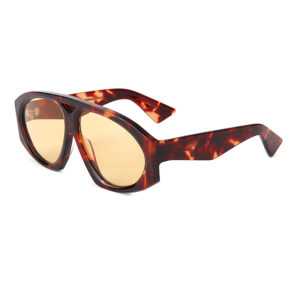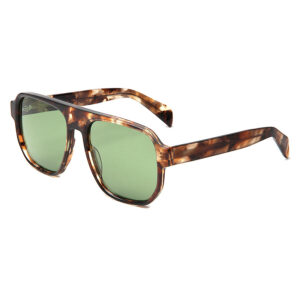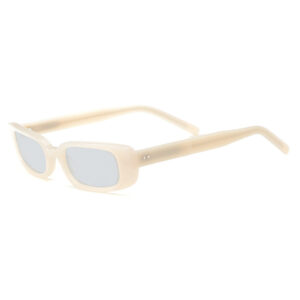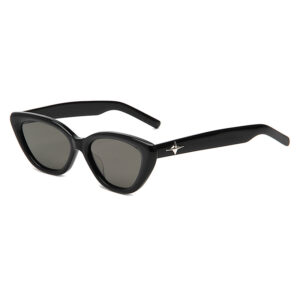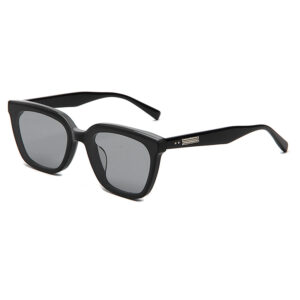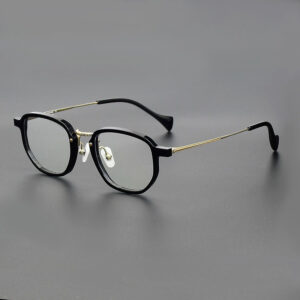
[Exclusive from Eyewearbeyond] What’s Really Behind the French Eyewear Image — And How to Turn That Into OEM Success?
French eyewear is all about attitude: design-driven, fashion-aware, and unapologetically creative. But does that make it a smart choice for buyers? At Eyewearbeyond, we help you decode what’s style, what’s hype — and how to turn French design language into your own private-label product strategy.
OUR COMMITMENT
From Eyewear Supplier to
Brand-Building Partner
The content below offers specific strategies to help you tackle current challenges in your eyewear business.
But at Eyewearbeyond, we believe the best solution is never just a product — it’s a combination of insight, flexibility, and local market understanding.
That’s what drives our way of doing business.
1. Introduction: Why “French Eyewear” Isn’t Just a Fashion Label
French eyewear has a certain magic — it looks smart, elegant, and instantly recognizable. From boutique displays in Paris to high-end concept stores in New York or Tokyo, the “French style” carries weight.
But let’s be honest:
Just because something looks great on Instagram doesn’t mean it works for your business.
As a buyer or brand owner, you’re not just shopping for aesthetics — you’re buying supply chains, pricing structures, profit margins, and design logic. And many French eyewear brands, while beautiful, can be difficult partners:
- High MOQs
- No customization
- Limited production speed
- And very little support for private labels
That doesn’t mean you should avoid French eyewear. It just means you need a smart approach.
At Eyewearbeyond, we help you take what French eyewear does best — design, color, personality — and rebuild it for your market: under your own brand, at your own pace, and with full cost control.
This article breaks it all down: the best brands to know, who should buy them, and how to create your own French-style eyewear collection without the drama.
2. Why French Eyewear Is So Different — and Why That Matters
French eyewear doesn’t look like anything else — and that’s exactly why people love it.
Unlike American performance styles or German precision frames, French eyewear is driven by attitude, artistry, and silhouette. It often ignores “safe” designs in favor of personality. But that same creative energy can be a blessing — or a problem — depending on your business.
Let’s look at what sets it apart.
1. It’s Built Around Face Expression, Not Just Fit
French eyewear often feels more like fashion accessories than optical tools. Many frames are slightly undersized, rounded, or cat-like — designed to shape the face and express mood, not just provide coverage or comfort.
That’s great for fashion shoots.
But if your audience wants strong temple tension, deeper nose pads, or perfect optical alignment, you may need to modify the structure.
2. It Leans Heavily on Color + Contrast
From translucent peach to matte cobalt, from two-tone layers to color-block temples — French brands are fearless when it comes to color.
Designers like Anne et Valentin or JF Rey often build a frame around emotional color impact, not just shape.
That’s why these brands are popular in concept stores and fashion boutiques — but often slower to move in conservative optical chains.
3. It’s Artistic — but Not Always Practical
Many French frames are eye-catching but come with trade-offs:
- Some lack adjustable nose pads
- Some use unusual temple designs that affect comfort
- Some materials (wood, velvet, matte coatings) may not age well in humid or dusty environments
As a buyer, you need to balance wow-factor with wearability. Ask yourself:
Can my customers handle this style?
Can I sell enough of it to justify the cost?
4. Brand Identity Over Scalability
French eyewear brands often don’t want to be mass market. That’s part of their charm — but also a business limitation.
Most of them:
- Don’t allow private labeling
- Offer limited B2B customization
- Expect buyers to carry their full concept, not just cherry-pick bestsellers
That means less flexibility, especially for new brands or stores looking for fast-moving, high-margin items.
Why This Matters to You
If you’re buying for a fashion-driven store, or you want to elevate your product line with bold, elegant design — French eyewear delivers.
But if you’re building a scalable brand, with your own identity and clear financial targets, then you need to ask:
Can I take the look — and build it myself, under my terms?
The good news: you can.
In the next section, we’ll walk you through 12 French eyewear brands worth knowing — and more importantly, tell you what you can learn (and borrow) from them.
3. Top 12 French Eyewear Brands You Should Know
French eyewear isn’t just about logos — it’s about strong visual identity, story-driven design, and the ability to turn a frame into a statement.
Here are 12 French eyewear brands you should know. Whether you’re looking for inspiration, potential retail stock, or references for your own OEM line, each of these brands offers something unique.
We break down their style, strengths, and suitability — so you know what to expect before you invest.
3.1 Anne et Valentin
Founded: Toulouse, France – 1980s
Materials: Acetate, titanium, stainless steel
Style Positioning: Artistic, asymmetric, intellectual
Strength: Color theory + geometry
Target Market: Creative professionals, boutique optical shops, female-driven audiences
Official Website: www.anneetvalentin.com
Brand Insight:
Anne et Valentin is one of the most iconic French eyewear houses, known for its sharp use of color, asymmetrical lines, and subtle eccentricity. Their designs often look like wearable abstract art — appealing to customers who want to be seen as confident, cultured, and design-aware.
Representative styles often include small oval lenses, layered acetate fronts, and mismatched temple geometry. These aren’t everyday frames for everyone — but for boutique stores, galleries, or high-end urban opticians, Anne et Valentin offers frames with personality and depth.
Their collections work best for markets that value artistic expression over commercial trend. Ideal for stores selling curated fashion or premium independent design.
3.2 Thierry Lasry
Founded: Paris, France – 2006
Materials: Mazzucchelli acetate, metal accents
Style Positioning: Futuristic vintage, fashion-forward, bold luxury
Strength: Sculpted acetate + celebrity-driven brand identity
Target Market: High-fashion retail, celebrity-driven concept stores, DTC brands seeking aspirational aesthetics
Official Website: www.thierrylasry.com
Brand Insight:
Thierry Lasry made its mark by blending vintage frame silhouettes with ultra-modern attitude. Every frame is handmade in France, primarily using premium Mazzucchelli acetate. The aesthetic leans into glossy finishes, thick frames, and colorways that pop — think tortoise with electric blue temples or bold gradient lenses.
Thierry Lasry frames have been worn by celebrities like Rihanna and Beyoncé, which helps drive their visibility in fashion-led retail. Shapes are often oversized, dramatic, and slightly angular, creating visual weight that photographs exceptionally well — perfect for window display or influencer-facing content.
For buyers, the brand is ideal for luxury lifestyle boutiques or online stores targeting aspirational customers who prioritize image over pricing. It’s less suited for optical chains focused on fit or function — but it’s a strong reference brand for OEM collections aiming to inject bold style.
3.3 Ahlem
Founded: Paris, France – 2014
Materials: Palladium-coated metals, Japanese acetate, 22k gold plating (select models)
Style Positioning: Minimalist luxury, architectural lines, Parisian elegance
Strength: Understated craftsmanship + high-end finish
Target Market: Urban professionals, minimalist fashion brands, premium concept stores
Official Website: www.ahlemeyewear.com
Brand Insight:
Founded by Ahlem Manai-Platt, Ahlem is a French eyewear brand that has quickly gained global respect for its modernist aesthetic and artisanal build. Frames are handcrafted in Oyonnax, France using subtle architectural principles — clean lines, negative space, thin rims, and hand-polished metal.
Signature styles include round or softly hexagonal shapes, matte metal finishes, and ultra-light titanium bridges. Many models feature subtle design codes like filigree engraving, making them elegant but not loud — perfect for upscale urban consumers.
Ahlem is best suited for refined retail environments that prioritize finish and form — not flashy logos. For buyers creating a premium OEM line, this is a perfect reference point for minimalist metal frames with strong identity but broad appeal.
3.4 JF Rey
Founded: Marseille, France – 1995
Materials: Acetate, stainless steel, aluminum, carbon fiber
Style Positioning: Technical-artistic, graphic, architectural
Strength: Color blocking + complex construction
Target Market: High-concept optical boutiques, tech-fashion hybrids, niche audiences
Official Website: www.jfrey.fr
Brand Insight:
JF Rey is one of the most structurally experimental brands in French eyewear. With a background in industrial design, the brand focuses on technical construction — using cut-outs, layered materials, and contrasting surfaces to turn frames into visual puzzles.
Popular collections like JF Rey Titanium or JF Rey Carbon combine different materials in one frame (metal core + acetate rim + openwork temple), with strong color contrasts and dynamic angles.
While not mainstream, JF Rey is a cult favorite in Japan, Germany, and parts of the U.S. for customers who want something bold, wearable, and unlike anything else. For OEM buyers, it offers inspiration for high-concept hybrid frames with layered materials and unique temples.
3.5 FACE A FACE
Founded: Paris, France – 1995
Materials: Italian acetate, metal, nylon
Style Positioning: Artistic, expressive, architectural luxury
Strength: Sculptural volume + layered color blocking
Target Market: Design stores, bold optical chains, art-influenced fashion retailers
Official Website: www.faceaface-paris.com
Brand Insight:
FACE A FACE is known for transforming eyewear into wearable sculpture. Their frames are bold in volume, with geometric cuts and daring color combinations — like deep purple with translucent green or matte red over tortoise. Many designs show clear architectural influence, with thick temples, stepped rims, and asymmetrical structures.
This is not background eyewear — it’s meant to stand out. That makes FACE A FACE ideal for show windows, editorial shoots, and fashion-forward clientele. However, some styles may be too bulky or unconventional for traditional optical buyers.
For OEM inspiration, the brand is a valuable reference for mastering “3D acetate sculpting” and “color layering” — two techniques that elevate perceived luxury even in entry-premium price ranges.
3.6 Vuarnet
Founded: France – 1957
Materials: Mineral glass lenses, bio-acetate, metal
Style Positioning: Sport-luxury, alpine heritage, lens technology
Strength: Signature mineral lenses + outdoor-performance design
Target Market: Activewear retailers, sportswear lifestyle stores, premium sunglasses buyers
Official Website: www.vuarnet.com
Brand Insight:
Vuarnet is a legendary French eyewear name rooted in alpine sports and performance. Best known for their high-clarity mineral glass lenses with strong UV and glare protection, the brand is synonymous with ski culture and retro-sport aesthetics.
Signature styles include glacier glasses with leather side shields, wraparound temples, and aviator silhouettes with heavy bridge lines. The frames often combine vintage French military eyewear style with technical functionality.
While Vuarnet is primarily sunglass-focused, its strength lies in combining optics + lifestyle storytelling — making it a valuable inspiration point for OEM sunglasses collections aiming at the outdoors, travel, or sports-luxury markets.
3.7 Traction Productions
Founded: Oyonnax, France – 1872 (as a factory); brand established in 1990s
Materials: Handmade acetate, stainless steel
Style Positioning: Neo-retro, bold shapes, French eccentricity
Strength: Color originality + strong silhouettes
Target Market: Independent optical stores, creative retail, vintage-inspired boutiques
Official Website: www.traction-productions.fr
Brand Insight:
With deep roots in the French eyewear manufacturing region of Oyonnax, Traction Productions combines vintage spirit with offbeat modern design. Their frames often feature exaggerated cat-eyes, wide bridges, and multi-layer acetate blocks in colors like mustard yellow, petrol blue, and pastel pink.
What sets Traction apart is its balance between retro and risk-taking — offering wearable yet unconventional options. It’s the kind of brand that appeals to consumers who don’t want mass-market styles, but aren’t looking for ultra-abstract either.
For OEM collections aiming at 30+ female customers who like subtle boldness or buyers wanting “non-boring classics”, Traction’s approach to color and shape is a smart design cue.
3.8 Lafont
Founded: Paris, France – 1923
Materials: Acetate, stainless steel, hypoallergenic finishes
Style Positioning: Parisian elegance, timeless design, family-run heritage
Strength: Balance between classic and modern + French fit
Target Market: Mid-to-premium optical chains, multi-generational customers, French-style lifestyle stores
Official Website: www.lafont.com
Brand Insight:
Lafont is one of the most enduring names in French eyewear. With four generations of family operation, the brand blends understated luxury with consistent quality. Known for its wearable color palettes, subtle prints, and refined silhouettes, Lafont frames cater to people looking for everyday elegance.
Signature elements include soft rectangles, rounded cat-eyes, laser-cut metal frames, and acetate patterns inspired by textiles and French interiors.
Lafont is an excellent reference for OEM lines aiming at “premium but practical” — ideal for brands that want a grown-up, culturally rich feel without being experimental or loud.
3.9 Nathalie Blanc
Founded: Paris, France – 2015
Materials: Mazzucchelli acetate, titanium, stainless steel
Style Positioning: Feminine elegance, Parisian chic, balance of softness and structure
Strength: Subtle French glamour + wearability
Target Market: Upscale women’s boutiques, premium optical stores, DTC female eyewear brands
Official Website: www.nathalieblancparis.com
Brand Insight:
Nathalie Blanc blends modern femininity with refined structural design — her collections are known for being delicate but never boring. Signature features include slim titanium bridges, oval or butterfly fronts, and carefully placed curves that flatter the face without overpowering it.
The brand has received several awards and gained traction in both fashion and optical circles for its ability to deliver elegance + comfort — a rare mix in designer eyewear.
For OEM buyers targeting a female-driven market with taste, this brand offers solid inspiration on how to design frames that sell on softness, detail, and high-end feel, not logos.
3.10 Lesca Lunetier
Founded: Jura, France – 1964
Materials: French acetate, mineral lenses, keyhole bridges
Style Positioning: Retro-modern, handcrafted, intellectual style
Strength: Strong archives + modernized vintage feel
Target Market: Design stores, male fashion markets, hipster or cultural buyer segments
Official Website: www.lescalunetier.com
Brand Insight:
Lesca is a cult-favorite French brand, beloved by designers, stylists, and cultural influencers. It draws heavily from its archive of mid-century designs — especially the 1950s–70s — and adapts them with updated materials and modern comfort.
Frames often feature thick bridges, rounded Panto shapes, and colorways like black crystal, army green, or honey. Lesca lenses are sometimes mineral glass, adding optical clarity and a luxurious touch.
For brands aiming to capture “retro but intellectual” appeal — or for stores that sell to creative professionals — Lesca’s design language offers rich material for OEM reinterpretation.
3.11 IZIPIZI
Founded: Paris, France – 2010
Materials: Polycarbonate, rubber-touch acetate, flexible hinges
Style Positioning: Affordable fashion, fun & functional, mass-market urban
Strength: Entry-level design + lifestyle branding
Target Market: Gift shops, bookstore retailers, travel boutiques, value-focused fashion stores
Official Website: www.izipizi.com
Brand Insight:
IZIPIZI built its success by doing the opposite of traditional French eyewear: keeping it simple, playful, and accessible. Their reading glasses and sunglasses — recognizable by their matte rubber texture and round silhouettes — have become a go-to for concept stores and non-optical retailers.
The brand emphasizes lifestyle packaging, broad color options, and impulse-buy pricing, making it ideal for secondary product placements and gift sales.
For OEM, IZIPIZI proves that you don’t always need ultra-high-end materials — good design + smart branding + comfort = volume sales. A useful reference for clients launching low-barrier DTC or retail-entry lines.
3.12 Waiting for the Sun
Founded: Paris, France – 2010
Materials: Wood, bio-acetate, recycled steel, stone, cork
Style Positioning: Eco-luxury, experimental, sustainable eyewear
Strength: Unique materials + green storytelling
Target Market: Sustainable concept stores, niche eco-fashion brands, Gen Z retailers
Official Website: www.waitingforthesun.fr
Brand Insight:
Waiting for the Sun brings environmental consciousness into French eyewear with truly experimental material choices — wooden frames, cork-covered temples, stone-inlaid fronts, and 100% bio-based acetates.
The designs range from minimalist to artistic, and appeal strongly to the eco-luxury market. Packaging, supply chain transparency, and recycled lens options are part of the brand’s appeal.
It’s a niche label, but one that holds deep OEM value: the brand proves that storytelling + sustainability can create a premium feel — even without flashy structure. For buyers building eco-themed collections, this is a key reference.
4. If You’re a Buyer — Should You Choose a French Brand?
Not every beautiful frame makes a good business decision.
French eyewear may be full of style, but it’s not always flexible — and for buyers, the right choice depends on your business model, customer base, and margin goals.
Here’s how to break it down.
1. Are You Building a Retail Store or a Private Label Brand?
If you’re running a curated eyewear store, carrying a few French designer brands can boost your positioning and attract high-style consumers. It’s great for credibility, content, and showcasing your taste.
But if you’re building your own brand or DTC label, French brands may not support OEM, logo customization, or supply flexibility. In that case, you’re better off taking inspiration from their design — and developing something under your own name.
2. Do You Prioritize Artistic Design or Structural Practicality?
French frames are often design-first. They look great, feel expressive, but may lack:
- Adjustable fit (esp. for Asian/US markets)
- Large size ranges
- Technical details needed in sport or medical lines
If your market prefers comfort, adjustability, or simple shapes — French brands may require modifications or may not align with your customer’s needs. Always test with a small batch before committing.
3. How Much Flexibility Do You Need in MOQ and Timelines?
Most French brands work on fixed terms:
- Set designs per season
- No small-batch OEM
- Slow restocks or limited B2B support
This works for established retailers — but if you want speed, seasonal updates, or flexible payment and MOQ terms, then independent development (OEM) gives you more control.
4. Should You Mix French Brands with In-House Products?
Yes — and many smart retailers do.
They showcase 1–2 well-known French labels to build image, then sell more margin-friendly in-house or OEM frames that carry a similar feel.
This way, they:
- Leverage the “French look”
- Control pricing
- Offer a wider range for different customer types
This hybrid strategy works especially well for stores in competitive markets or new optical businesses trying to balance aspiration with volume.
Bottom Line:
Choose French brands if you want recognition, style, and a signature vibe.
Choose OEM if you want flexibility, margin, and control.
With the right strategy, you can have both — and build a product mix that makes business and aesthetic sense.
5. Real Talk: Pros & Cons of Working with French Eyewear Brands
French eyewear brands offer stunning design and strong identity — but they’re not a plug-and-play solution for every buyer.
Here’s the truth: if you want complete creative freedom or flexible supply, working directly with most French designers can be limiting.
Let’s break it down.
✅ Pros: What Makes French Brands Stand Out
1. Distinctive Design Language
French eyewear doesn’t copy — it leads. From architectural forms to bold color layering, French frames give your store or brand a style edge.
2. Strong Brand Storytelling
Many French brands have rich origin stories, clear founders, and tight design philosophies — perfect for branding, PR, and visual merchandising.
3. High Perceived Value
Consumers often associate “Made in France” with quality and taste. Carrying even one or two French brands can raise the perceived level of your store or brand.
4. Premium Packaging & Presentation
French eyewear typically comes with refined packaging, POS materials, and well-produced content — great for photo shoots, online listings, and in-store storytelling.
5. Loyal Niche Customer Base
Once a consumer loves a French brand, they tend to stick with it. Good repeat value for high-end customers who want unique, stylish frames.
❌ Cons: What to Watch Out For
1. Limited OEM or Customization Options
Most French eyewear brands don’t offer private label or logo printing, and almost none allow you to change colors, sizes, or technical specs.
2. Higher Price Points
Even at wholesale, French frames are significantly more expensive than Chinese or Korean OEM — which can tighten your resale margin.
3. MOQs and Delivery Delays
Some brands require you to commit to a seasonal buy-in or hit minimum quantities. Add to that longer lead times (especially for restock), and you may miss peak sales periods.
4. Design Can Outpace Market Readiness
Some frames are too bold, too abstract, or too small for mainstream markets. What looks great in Paris or Tokyo might not sell well in smaller cities or practical retail environments.
5. No Control Over Regional Distribution
Larger French brands often work with exclusive distributors. You may not be able to stock them without being part of their network — or they might already be working with a nearby competitor.
So… What’s the Smart Play?
French eyewear brands are perfect for:
- Creating image and differentiation
- Drawing in design-aware customers
- Inspiring your own OEM line
But they’re rarely the best choice for:
- Fast-moving volume sales
- Price-sensitive customer bases
- Private label businesses
If you love the design but need more control, studying and adapting French eyewear through OEM — with the right supplier — gives you the best of both worlds.
6. French Eyewear Pricing Guide — Retail, Wholesale & OEM Feasibility
Let’s talk about money — because no matter how stylish a frame looks, the numbers still need to work.
French eyewear has a strong design identity, but for many wholesale buyers or brand founders, the real question is:
Can I sell it at a profit?
Or can I recreate the same feel with better control?
Here’s how the pricing usually breaks down.
What Do French Eyewear Brands Cost at Wholesale?
Most mid-to-premium French eyewear brands fall into these general ranges:
- Wholesale price: $80–$150 USD per piece
- Suggested retail: $280–$500 USD+, depending on the brand and country
- Higher-end brands (like Ahlem or Thierry Lasry) may go up to $200+ wholesale, especially with gold plating or titanium materials
These prices reflect small-batch production, French labor costs, and complex acetate or metal finishing.
For many boutiques, these price points work — but if you’re a newer business, or your audience is price-sensitive, margin pressure can build quickly.
How Does That Compare to OEM With a French Design Feel?
If you work with an experienced eyewear OEM supplier (like Eyewearbeyond), you can recreate a similar design structure and finish at:
- $18–$35 USD per frame in bulk production
- Optional add-ons: logo engraving, custom packaging, nose pad adjustment, lens coating, etc.
- No brand markup, full flexibility, and design ownership
This puts your resale price in the $99–$250 USD range with better profit control, especially if you’re DTC or B2B.
Licensing vs. Building Your Own Line
If you carry French brands, you’re often locked into:
- Pre-set prices
- Limited negotiation room
- No brand control or marketing rights
If you develop your own line, inspired by French visual codes — such as soft sculpted acetate, deep bridges, or asymmetric cuts — you gain:
- Lower base cost
- Full branding rights
- Better production speed
- Ability to adapt fit to local markets (nose pads, temple curve, etc.)
Can OEM Frames Really Match French Quality?
Short answer: yes — if you know what to specify.
At Eyewearbeyond, we help buyers translate French-style specs into production-ready samples by matching:
- Mazzucchelli acetate or equivalent
- Stainless steel or titanium frames
- Multi-step polishing and coating processes
- Subtle color combinations (instead of flashy tones)
- Customizable sizing to fit local facial structures
This is not about copying — it’s about applying the same design logic, while adjusting for business realities.
Conclusion
French eyewear is beautiful — but it comes with a price.
If your business can absorb it and your market supports premium price tags, it’s a solid addition. But if you want long-term margin, design control, and production flexibility, OEM is a smarter path.
French look, global execution — that’s how smart brands grow.
7. Buyer Profiles That Suit French Eyewear Style
French eyewear isn’t one-size-fits-all. It’s bold, conceptual, and sometimes unconventional — which makes it powerful in the right hands, and risky in the wrong ones.
Here are four typical buyer profiles that are well-aligned with the French eyewear aesthetic, whether you’re considering retail resale or developing OEM collections.
1. The Design-Driven Boutique Owner
You operate a high-concept, fashion-forward eyewear or lifestyle store. Your customers care about aesthetic expression more than mainstream trends. You curate products like art — and you’re looking for something that sparks a reaction.
French eyewear is perfect for you. Brands like Anne et Valentin, FACE A FACE, or Nathalie Blanc will give your product lineup a high-design edge, and you can use the same color theory or sculptural principles in your own branded products.
2. The Urban DTC Brand Founder
You’re building your own brand — maybe online only, maybe hybrid retail. Your tone is refined, modern, and lifestyle-focused. You’re not trying to offer the cheapest frames — you want a visual signature.
French eyewear offers you a style blueprint. It teaches you how to express a brand with form, not just logos. Instead of carrying expensive French brands, you may build your own line inspired by that look, with better control over pricing, MOQ, and branding.
3. The Independent Optical Shop Owner
You serve a mid- to high-end optical clientele — professionals, mature customers, people who want elegant, comfortable glasses. But you’re bored with generic catalog styles and want something that looks thoughtful, but still fits and functions well.
French brands like Lafont or Ahlem strike a balance between visual charm and optical practicality. You can also work with an OEM partner to customize bridge width, nose support, and temple length, while keeping the French-style shape and color.
4. The Gift & Concept Store Buyer
You’re not an eyewear specialist — but your store sells lifestyle accessories, fashion items, or travel gear. You want frames that look good, have great packaging, and don’t need optician-level fitting.
IZIPIZI and Vuarnet are great off-the-shelf options. But for better margin, OEM versions of colorful acetate readers or polarized sunglasses with Parisian flair can deliver high visual impact at lower cost.
Not Every Buyer Should Dive In
French eyewear is not ideal for:
- Buyers who need mass scalability
- Discount-driven retail stores
- Unbranded, price-only catalog resellers
- Markets where bold design = low trust
The better you understand your audience, the easier it is to decide whether French eyewear — or French-inspired OEM — fits your brand plan.
8. The French Design Logic — What’s Worth Learning Structurally?
You don’t need to carry French brands to benefit from them.
As an eyewear buyer or private-label founder, you can extract the best parts of French design and rebuild them for your brand — with lower cost, better fit, and full control.
Here’s what you should be paying attention to when studying French eyewear from a structural point of view.
1. Sculptural Acetate: Play With Volume, Not Just Shape
Many French frames stand out because of their 3D shaping. Rather than flat-cut fronts, they use:
- Deep bevels on the front edge
- Curved nose bridges (especially on cat-eye styles)
- Rounded temple tips that look more “designed” than functional
These small volumetric shifts make the frame feel more expensive — even without a brand name.
OEM Tip: Ask your factory to create layered acetate fronts with beveled depth or sculpted bridge curves, especially in small-batch high-end lines.
2. Color Blocking With Sophistication
French eyewear brands rarely use bold colors alone. Instead, they layer or contrast them carefully:
- Matte + gloss finishes on the same frame
- Transparent color stacked over opaque base
- Unexpected combos (navy + mustard, forest green + coral)
The goal is emotional impact, not loudness.
OEM Tip: Use 2-tone lamination or dual-layer acetate with softened edges — it brings “design intention” to entry-priced frames.
3. Soft Geometries Over Aggressive Angles
Unlike many Korean or U.S. styles that go sharp and edgy, French design favors controlled curves:
- Rounded squares
- Gentle pantos
- Butterfly frames with low-brow lift
It’s design that flatters the face — not dominates it.
OEM Tip: Choose frame shapes with rounded inner corners or softened outlines. They feel more feminine, universal, and elevated.
4. Hardware With Thought
French brands often feature custom hinges, screws, or temple cores — not flashy, but well-integrated.
Some use:
- Hidden spring hinges
- Flat, engraved stainless temples
- Exposed rivets arranged with precision
OEM Tip: Add simple detailing — like brushed steel hinges or colored temple wire — to increase the perceived craftsmanship.
5. Material Pairings That Tell a Story
A metal + acetate combo isn’t new — but French designers do it with taste:
- Titanium fronts with acetate temples
- Acetate frames with stainless rims
- Transparent acetate over brushed metal cores
It’s about contrast that feels intentional — not random.
OEM Tip: Try mixing light stainless steel temples with bold acetate fronts, especially in women’s lines. Combine translucent tones with brushed gold or rose-metal finishes.
Final Thought
You don’t need to copy the exact frame.
But you do need to understand the design logic behind why French eyewear looks premium. It’s the quiet precision — not the branding — that makes it work.
Once you apply that logic to your own OEM line, you’re not just selling glasses.
You’re selling elevated taste, at scale.
9. 3 Classic French Eyewear Structures (and How to Adapt Them)
French eyewear is more than just aesthetics — it’s about form that communicates mood. But beneath the style, you’ll find some recurring structural patterns that define the “French look.”
If you’re developing your own line or sourcing smarter, understanding these three classic frame structures can help you balance form, function, and market appeal.
1. Sculpted Acetate Panto — For Everyday Elegance
Structure Features:
- Rounded Panto lens shape
- Keyhole or saddle bridge
- Beveled or multi-layered acetate
- Medium to thick frame front
- Balanced temple length and weight
Why It Works:
This style sits at the intersection of classic and trendy — easy for first-time buyers, elegant enough for design lovers. French brands like Lafont or Lesca have perfected this as their go-to silhouette.
Best For:
Urban professionals, unisex collections, boutique retail, entry to mid-premium price points.
OEM Notes:
Ask for matte finishes, soft lamination on edges, and neutral tones (e.g., honey, grey, navy) with minimal metal exposure.
2. Cat-Eye with Soft Angles — For Feminine French Appeal
Structure Features:
- Upswept outer corners, but not too sharp
- Thin or medium acetate front
- Transparent or blush-toned colorways
- Delicate bridge (keyhole or narrow saddle)
- Lightweight temples with internal core detail
Why It Works:
French designers like Anne et Valentin or Nathalie Blanc use cat-eye shapes to soften the face and project sophistication, not aggression.
Best For:
Female-focused brands, concept stores, giftable eyewear collections, editorial-facing SKUs.
OEM Notes:
Use Mazzucchelli or similar acetate in pastel or jewel tones. Slightly reduce temple height to avoid bulk while keeping facial impact strong.
3. Hybrid Metal + Acetate — For Subtle Statement Looks
Structure Features:
- Thin stainless or titanium metal frame front
- Acetate temple or temple tips
- Double-bridge or low-set brow bar options
- Engraved or brushed texture on metal
- Lightweight, often oversized lens shape
Why It Works:
Seen in brands like Ahlem or JF Rey, this hybrid look offers the seriousness of metal with the warmth of acetate. Great for buyers who want non-flashy luxury.
Best For:
Office eyewear, premium optical retail, DTC collections with European inspiration.
OEM Notes:
Go for anti-allergic stainless with electroplated finish. Combine with acetate tips in earth tones or semi-translucent colors.
Summary
Each of these structural styles offers a way to bring French energy into your collection — whether you’re stocking imported brands or developing your own.
The key isn’t to copy — it’s to adapt.
- Start with structure
- Choose the right colors
- Finish with materials that fit your market
When you apply French design rules to your supply chain — without their production limitations — you win on both style and scalability.
10. Want OEM French-Style Frames? Here’s the Real Path
Let’s be clear:
Most French eyewear brands are not designed for OEM. They protect their designs, prioritize small-scale artistry, and rarely open up their supply chains.
But that doesn’t mean you can’t build your own French-style eyewear line.
You just need the right partner, materials, and a design-smart approach.
Here’s what to know.
Why Most French Brands Don’t Support OEM
- They focus on branding, not manufacturing. Many outsource to family-run factories and keep production limited.
- They don’t want “duplicates” of their collections floating around under other logos.
- Low flexibility. No logo printing, no sizing adjustments, no custom color requests in most cases.
- Small batch + slow delivery. Even if you do get access, lead times often exceed 90–120 days.
For fast-growing businesses, these are dealbreakers.
OEM is the Smarter Path — If Done Right
By working with a supplier that understands French design logic, you can:
- Create frames that look and feel high-end
- Avoid licensing or distributor lock-in
- Control your MOQ, pricing, and delivery timelines
- Customize fit for your regional audience (bridge width, temple curve, lens base)
- Build a brand — not just resell someone else’s
But not every factory can do this.
You need a production partner that specializes in design-inspired manufacturing — not just generic molds.
How Eyewearbeyond Makes It Work
At Eyewearbeyond, we help buyers:
- Translate French design into OEM-ready specs
– From acetate thickness to soft sculpting to hinge placement, we study French structures and adapt them. - Control material quality without inflating costs
– We use premium acetates (Mazzucchelli or equivalent), stainless steel, and offer lens options (demo, clear, tinted). - Support low to mid MOQ
– Start with 300 pcs per model (can be split across colors), with private logo engraving and custom packaging. - Offer faster turnaround
– Typical sample in 10–15 days, bulk delivery in 35–45 days depending on finish. - Protect your design
– We won’t resell your custom frames to other buyers. You keep your identity.
You get the look and feel of a French brand, with Asian factory agility and Western-style project management.
Not Copying — Curating
We don’t copy other brands.
We help you build your version of “French-inspired eyewear” that matches your customer, price point, and positioning.
Think:
- French frames, adapted for Asian fit
- Parisian color palette, on a global production schedule
- Boutique vibe, scalable business
That’s how our clients launch DTC brands, stock stylish collections, and win on both margin and aesthetics.
Final Takeaway — Learn From the French, Build for Yourself
French eyewear gives you something no catalog can: identity, emotion, design with intention.
But good design alone doesn’t build a profitable eyewear business.
As a smart buyer or brand founder, your job isn’t just to admire it — it’s to adapt it, own it, and make it work in your market.
With the right partner, you don’t have to choose between design and flexibility, or beauty and business.
At Eyewearbeyond, we help you take the best parts of French eyewear — structure, style, story — and translate them into custom products with real-world value.
Don’t just resell French eyewear.
Rebuild it into something that’s yours.
Contact Our Experts
Want to make the best choice for your eyewear business?
Reach out to us for expert advice and detailed product information!