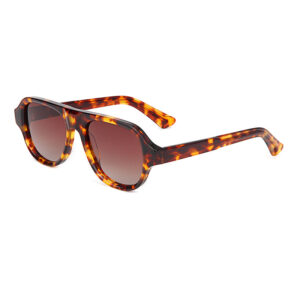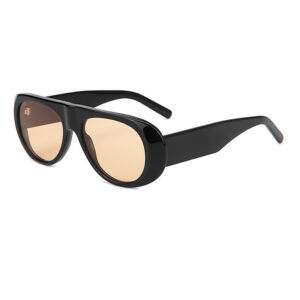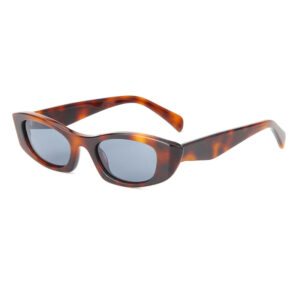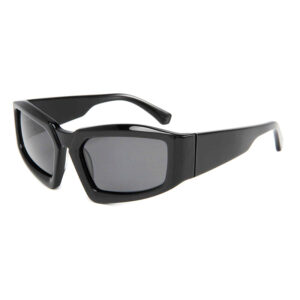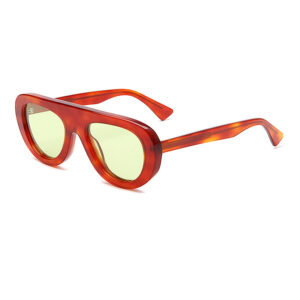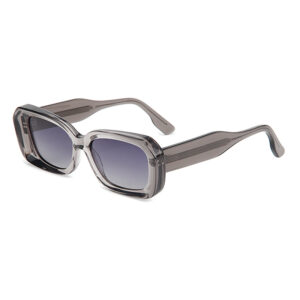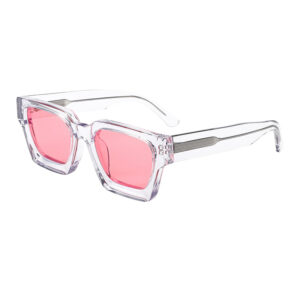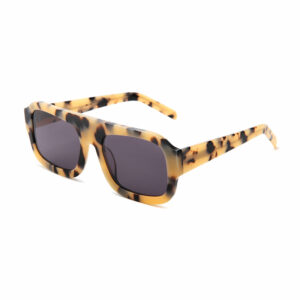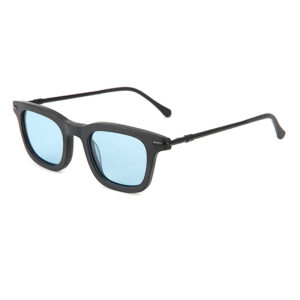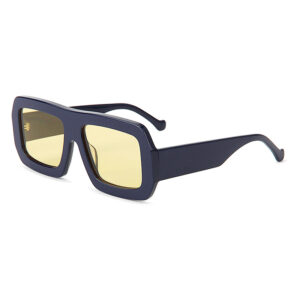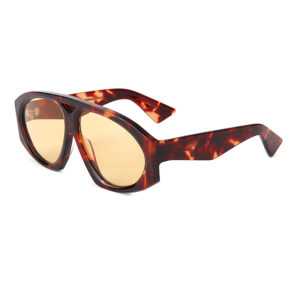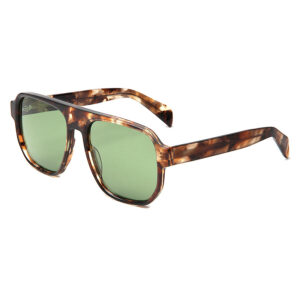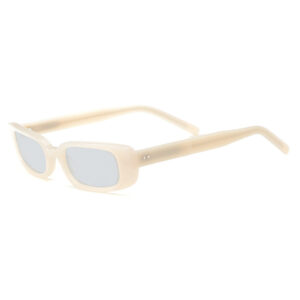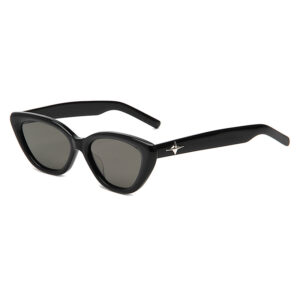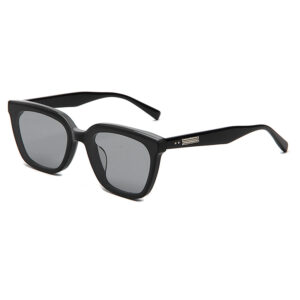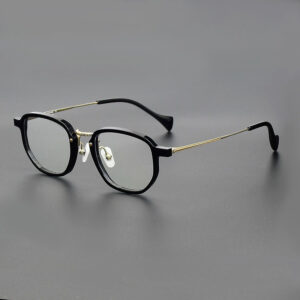
If you’ve been in the eyewear business for more than a minute, chances are you’ve heard of DITA. Maybe a client showed you a pair and said, “Can you get me something like this?” Or maybe you’ve seen their frames online — clean, luxurious, sharp-looking — and wondered what makes them so special (and so expensive).
Let’s be honest: DITA isn’t just another fancy name. It’s one of those brands that opticians, collectors, and fashion insiders all talk about with respect. The titanium, the craftsmanship, the minimal branding — it’s like the eyewear version of a luxury watch.
But as someone in the trade — whether you’re an optical store buyer, an independent brand founder, or a wholesaler looking for your next hero product — the real question is:
👉 Is DITA something you should sell, be inspired by, or strategically compete with?
At Eyewearglobo, we’ve worked with eyewear entrepreneurs around the world — from boutique brands to global distributors — many of whom ask us how to create collections with a “DITA look” but with more flexibility, faster lead time, and realistic costs. This article is not about hype. It’s a hands-on breakdown of what DITA really is, how it’s built, who it’s for, and — more importantly — how you can use that knowledge to build your own business smarter.
What Makes Dita Different from Other Luxury Eyewear Brands?
DITA stands out because it doesn’t just look expensive — it’s built to feel like a piece of luxury engineering. While many high-end eyewear brands rely on marketing or celebrity endorsements, DITA’s reputation is anchored in real craftsmanship, precision detailing, and an uncompromising design philosophy.
What truly sets DITA apart is its production origin and material strategy. All of its frames are manufactured in Sabae, Japan — a region known globally for its meticulous titanium work and eyewear engineering. Each DITA frame often takes up to eight months to complete, involving over 100 production steps, including hand-polishing, multi-layer acetate lamination, and advanced metal sculpting.
But it’s not just about how it’s made — it’s about how it feels. DITA uses premium components like Japanese acetate, titanium, custom hardware, and even 18K gold plating in select models. The result is eyewear that’s minimal in design but maximal in impact: bold proportions, sharp geometry, and a weight-to-fit balance that serious wearers immediately recognize.
For buyers, DITA’s uniqueness lies in the combination of low-logo aesthetics with ultra-high-end finishing. It doesn’t shout luxury — it whispers it. And that’s exactly why it has become a benchmark for many designers and independent eyewear brands around the world.
Curious Whether It’s Worth Carrying — Or Just Worth Learning From?
DITA isn’t for everyone. It’s positioned at the ultra-premium end of the market — which means high visibility, high margins, but also high barriers.
If you’re a wholesaler, an optical store owner, or someone planning to build your own eyewear label, it’s worth asking:
👉 Should you try to sell DITA?
👉 Should you use it as a benchmark?
👉 Or should you recreate the same premium look — but under your own brand?
In the next sections, we’ll unpack exactly how DITA builds its frames, what kind of buyers it attracts, and how other smart players are leveraging the same style with OEM partners like Eyewearglobo — without paying $500 per frame.
Let’s take a closer look.
Dita’s Product Structure — What Makes It Feel Premium?
To understand why DITA frames command such high prices, you need to look beyond the brand name and dig into the construction. Every part of the product has been intentionally engineered to communicate refinement — from material choice to finishing technique.
First, DITA heavily relies on a Japanese titanium and multi-layer acetate combination. Unlike mass-market eyewear, which often uses simple injection molding or low-grade alloys, DITA sources titanium from Japan, where metal quality and precision shaping are far superior. The titanium temples are often “step-down” structures — meaning they taper gradually in thickness, offering both strength and a visually elegant line. This subtle detail is one of the reasons the frames feel so balanced in hand.
On the acetate side, DITA uses laminated Japanese acetate, layered in custom color tones. These sheets are pressed and rested before being cut and shaped, a process that preserves clarity and depth in the material. The result? The frames reflect light with more dimension and have a more solid, substantial hand-feel compared to mass-produced plastics.
Another defining characteristic is DITA’s hinge engineering. Most of their optical and sun frames use a custom 5- or 7-barrel hinge, often with visible screws and tension adjustment. While it’s more labor-intensive than spring hinges, it adds a “watchmaker-level” feel of mechanical precision — again reinforcing the idea of intentional luxury.
The finishing process also plays a big role. Each frame goes through multiple rounds of hand-polishing, edge beveling, and surface refining. Some models even feature laser-etched titanium details, a nod to the kind of craftsmanship usually reserved for jewelry or high-end accessories. DITA claims that from concept to completion, many of their frames take 6 to 8 months — not because of inefficiency, but because the process includes dozens of quality checkpoints, especially around fit and finishing.
Lastly, the proportions themselves tell a story. Unlike trend-driven brands that exaggerate designs for attention, DITA focuses on bold yet wearable silhouettes — large lens shapes, sharp cuts, and wide bridges that feel modern, but not flashy. That restraint in design is what often signals true luxury in the eyes of experienced buyers.
For many in the eyewear industry, these product decisions set DITA apart. They’re not chasing trends. They’re engineering a feeling — and it’s that feeling that customers are paying for.
Should You Carry Dita? (For Optical Stores / Wholesalers)
It’s easy to admire DITA as a brand — but carrying it as part of your product lineup is a different story. For many wholesalers, opticians, and independent retailers, DITA can be both an opportunity and a challenge.
On the upside, DITA has strong global brand awareness. Customers walk into optical boutiques already knowing the name. The frames carry a luxury price tag, which means higher per-unit retail margins — often over $300 in markup per sale. For stores that cater to fashion-conscious, high-net-worth clients, DITA can act as a traffic magnet and status symbol. It also allows you to position your shop or catalog as a curated luxury destination, alongside brands like Thom Browne, Matsuda, and Mykita.
However, DITA is not an open-access brand. The company controls distribution closely. In many markets, you need to apply through regional reps, follow minimum order commitments, and agree to MAP pricing policies. That means no discounts, no white-labeling, no flexibility in how you position or price the frames. It also means you’re competing with other retailers who carry the exact same styles, with no way to differentiate.
From a supply chain perspective, lead times on certain SKUs can be long, and inventory replenishment isn’t always fast, especially if you’re located outside major markets. For retailers in developing countries or smaller cities, the cashflow pressure of carrying $500 frames — and waiting weeks or months for reorders — can be risky.
And here’s the key: DITA does not offer OEM or private label. If you’re a buyer who wants to build a brand with DITA’s aesthetic, but under your own label, you’re out of luck. You either buy into the brand — or you look elsewhere.
In short, carrying DITA works best if you:
- Run a boutique with high-ticket customers
- Can afford to tie up capital in slow-moving inventory
- Don’t plan to compete on flexibility or price
- Want to align with ultra-premium aesthetics rather than own-brand differentiation
But if your strategy is to build a custom line, or offer a DITA-inspired feel at more accessible prices, then working with an OEM supplier like Eyewearglobo may give you far more room to move — and profit.
How Dita Frames Influence the Market (and Competing Brands)
Whether you carry DITA or not, there’s no denying its influence. Over the last decade, DITA has quietly become one of the most referenced and reverse-engineered design houses in the eyewear industry. Its aesthetic — clean lines, architectural shapes, titanium-acetate hybrids — has trickled down into both indie brands and mass-market collections.
Many independent designers look to DITA as a benchmark for “how high-end eyewear should feel.” You’ll see its design DNA in brands like Matsuda, Eyevan 7285, and even Thom Browne (which, not coincidentally, was once manufactured by the same Japanese production partner). These brands often adopt the same principles: minimal logos, bold yet balanced proportions, and visible hardware detailing that signals craftsmanship without being flashy.
But the influence doesn’t stop at the top. In recent years, mid-range and startup brands have also begun launching what could be called “DITA-inspired” lines. Some online eyewear platforms now offer frames that mimic DITA’s signature features — double bridges, matte titanium finishes, beveled acetate edges — but at one-third the price. These designs cater to fashion-conscious buyers who want the luxury look without the luxury cost.
In wholesale and OEM circles, factories in China and Korea have responded to this trend by developing molds, materials, and finishing techniques that echo DITA’s visual language. And that’s where smart buyers come in. By identifying what makes DITA’s style appealing — and then working with an experienced supplier — it’s now possible to create collections that feel 90% like DITA, with more control over branding, price, and lead time.
At Eyewearglobo, we’ve helped clients do just that: take the best design cues from the luxury segment and rework them into OEM collections that are scalable, profitable, and uniquely theirs.
DITA might not be in your catalog — but chances are, its influence already is.
Buyer Personas: Who Should Use Dita as a Benchmark?
Not every eyewear business needs to stock DITA, but many can learn from it. The brand’s design consistency, market discipline, and production quality offer a masterclass in how to build perceived value — and that’s something all serious players can study.
Here are four types of buyers who should consider using DITA as a benchmark when planning product strategy, brand design, or even OEM sourcing:
1. Premium DTC Brand Founders
If you’re launching your own eyewear label and aiming for a direct-to-consumer (DTC) model, DITA can serve as your north star. It teaches the value of restraint, detail, and story-driven product development. You may not need their price point, but you do need their product logic: minimalist, timeless frames that feel intentional at every touchpoint.
2. Optical Boutiques in Major Cities
Shops located in fashion-forward markets like New York, Paris, London, Tokyo, or Dubai often need aspirational products to attract a high-spending clientele. Even if you don’t stock DITA directly, offering pieces that follow its styling principles — titanium-bridge aviators, polished edge detailing, matte finishes — helps position your store as a destination for premium taste.
3. Buyers Looking for “Hero SKUs”
DITA is a great reference when you’re developing 1–2 standout SKUs for seasonal campaigns or trade shows. These are your attention-grabbers — the pieces that create buzz, get featured in lookbooks, and help lift your brand’s average order value. At Eyewearglobo, we often develop “DITA-style hero frames” for clients who want a flagship design in each collection cycle.
4. Private Label Builders Targeting the $150–250 Range
If your brand strategy is to offer high-end design at a mid-range price, DITA is exactly the aesthetic you want to echo. You’re not copying — you’re translating luxury into something scalable. With the right OEM support, you can achieve similar material combinations (titanium + acetate), premium weight, and detailing — all within a wholesale budget.
Understanding DITA’s buyer appeal gives you strategic clarity. It helps you decide whether you want to compete with, sell alongside, or reinterpret luxury — and all three are valid, as long as you know where you stand.
Want Dita-Level Aesthetic — But OEM Flexibility?
Here’s the simple truth: DITA doesn’t offer OEM.
No custom logos. No private label deals. No design adjustments to suit your market or price point. What you see is what you get — and for some businesses, that’s a dealbreaker.
Many of the clients we work with at Eyewearglobo come to us after being inspired by DITA’s design — but frustrated by its inflexibility. They want frames with similar proportions, materials, and detailing, but under their own brand, with their own pricing strategy, and full control over production.
That’s where a capable OEM partner makes the difference.
Instead of reselling a $600 frame with someone else’s logo, you can build your own premium line — tailored to your market, profit model, and timeline. The key is not to copy DITA, but to recreate the essence of what makes it feel premium: the balanced weight, the restrained geometry, the titanium-acetate combos, the minimal branding, and the finish quality that creates an “expensive” first impression.
At Eyewearglobo, we help brand owners:
- Translate DITA-style aesthetics into sellable SKUs in the $45–70 range
- Customize colors, temple shapes, and hardware to match your visual identity
- Use high-quality raw materials like titanium, Japanese acetate, and 5-barrel hinges
- Manage small-to-mid MOQs for efficient rollouts or test runs
- Optimize production timelines for seasonal launches
It’s the DITA look, but with your name, your margins, and your market in mind.
You don’t have to choose between luxury and flexibility. With the right production partner, you can have both.
Dita-Inspired Design Elements You Can Recreate
Creating a product that feels like DITA — without copying it — is all about understanding the visual and tactile codes that define the brand. When clients come to Eyewearglobo asking for “DITA-style frames,” here are the elements we help them translate into OEM-ready designs that respect the inspiration while building something original.
1. Step-Down Titanium + Acetate Combination Frames
DITA’s use of titanium temples paired with thick, layered acetate fronts gives their frames a high-tech-meets-classic contrast. We can replicate this hybrid construction using high-grade titanium and laminated acetate, offering the same lightweight strength and balance.
2. Oversized Double-Bridge Frames with Matte Finishes
DITA often uses architectural double bridges — especially in their aviator-inspired opticals — combined with brushed or sandblasted finishes. These can be reinterpreted for men’s or unisex collections, offering a bold, confident shape without excessive branding.
3. Clean-Cut Rectangular Acetate Shapes with Exposed Hardware
Another DITA signature is clean rectangular or square frames with visible 5- or 7-barrel hinges. These give the frame a mechanical, precision-built feel. We can design similar front shapes with refined edges and hardware options that feel industrial, not mass-produced.
4. Polished Edge Beveling and Ultra-Flat Surfaces
One of the hardest-to-fake parts of a luxury frame is the finish. DITA bevels many of its acetate models along the edge — giving them a gem-like feel. With careful polishing and tooling, we can reproduce bevel cuts, ultra-flat front surfaces, and reflective edges that elevate your OEM frame into the high-end category.
5. Minimal Logo Placement and Silent Luxury Appeal
DITA rarely puts its name on the lens or temple in bold type — and that’s part of the appeal. Our OEM clients often choose subtle branding techniques: laser-etching inside the arm, tone-on-tone printing, or hidden marks near the hinge. It’s all about building a sense of crafted confidence, not commercial shouting.
When you work with an experienced factory like Eyewearglobo, you’re not just choosing a shape — you’re recreating a feeling: precision, density, proportion, and quiet authority. That’s the true DNA of DITA, and it’s absolutely achievable through OEM when done right.
OEM Cost Reality: Can You Do “Dita Quality” Without Paying Dita Prices?
This is the question we hear most from brand owners and wholesale buyers:
“I love the DITA look — but can I actually produce something that feels that high-end without spending $500 a piece?”
The short answer is: yes — with the right strategy, materials, and partner.
Realistic Cost Range
For frames inspired by DITA’s material structure — titanium temples, Japanese or Italian acetate fronts, high-end hinges, and luxury-level finishing — your OEM production cost typically falls between $45–70 USD per frame, depending on:
- The titanium grade and processing method (CNC-milled vs. stamped)
- Acetate origin and lamination complexity
- Type of hinge (5-barrel or customized joint)
- Finishing steps (e.g. hand-polishing, matte brushing, laser etching)
- Hardware (nose pads, screws, temple tips)
This range gives you a final retail positioning between $150 and $300, which puts your product in a premium bracket — but still far more accessible than DITA’s $600–1000 price tag.
MOQ Strategy
We recommend starting with a 300-piece order split across 3 SKUs. For example:
- SKU A: Classic titanium-acetate square (120 pcs)
- SKU B: Oversized double-bridge aviator (90 pcs)
- SKU C: Minimalist titanium rimless (90 pcs)
This gives you the ability to test market response, collect customer feedback, and establish visual identity — without overcommitting to one design.
At Eyewearglobo, we support this structure by offering:
- Flexible MOQ models
- Pre-production sampling
- Technical drawings + material consultation
- Finish previews (matte, brushed, gloss, etc.)
What to Expect in Terms of Fit and Finish
With DITA-inspired specs, you should expect:
- Clean, tight hinge tension with no play
- Smooth edges, precision beveling, and perfect symmetry
- Balanced weight between front and temples
- Titanium surfaces that feel cold, solid, and matte — not hollow or shiny
- Acetate that reflects depth and density, especially under light
While it may not be exactly the same as an 8-month Japanese handmade process, it will deliver 90% of the aesthetic and tactile value — at a fraction of the cost, with your own brand on the temple.
The goal isn’t to fake DITA. It’s to match its impact, while building something that fits your business model.
Final Takeaway: Don’t Just Admire Dita — Learn From It, Build Your Own
DITA is more than just a luxury brand — it’s a blueprint.
It shows us how far thoughtful design, high-end materials, and clean execution can take an eyewear product. But here’s the truth most wholesalers and brand founders don’t hear often enough:
You don’t need to resell DITA to profit from its style.
You need to understand its structure, decode its brand logic, and reimagine its craftsmanship — under your own label, with your own story, and on your own terms.
At Eyewearglobo, we work with clients who want to bring that same elevated feel to their collections — without being locked into rigid pricing or distribution rules. We help you translate the DITA look into something scalable, affordable, and brandable.
Because in the end, high-end isn’t about the logo.
It’s about precision, proportion, and presence — and those are things you can build.