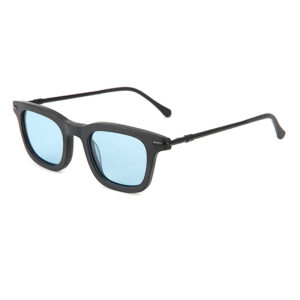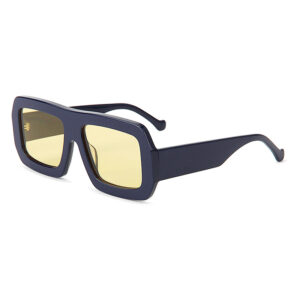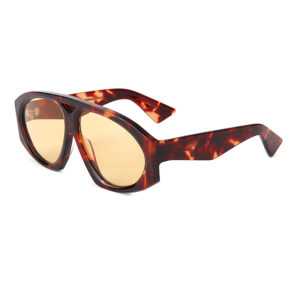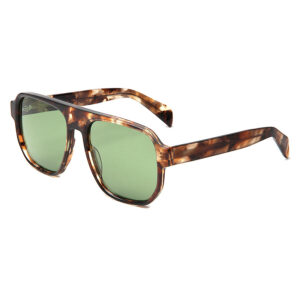
[Exclusive from Eyewearbeyond] What Makes Danish Eyewear Design‑Driven — And How You Can Leverage It Smartly?
Danish eyewear is celebrated for its minimalist clarity, functional beauty and high craft. But for wholesalers and private‑label brands the key question is: How do you turn that Nordic design edge into a product you control — with margin, timeline and your brand on it? At Eyewearbeyond, we help you decode it and build your version.
OUR COMMITMENT
From Eyewear Supplier to
Brand-Building Partner
The content below offers specific strategies to help you tackle current challenges in your eyewear business.
But at Eyewearbeyond, we believe the best solution is never just a product — it’s a combination of insight, flexibility, and local market understanding.
That’s what drives our way of doing business.
1. Introduction – Why Everyone Talks About Danish Eyewear, But Few Know How to Work With It
Danish eyewear gets a lot of love in the global design world. You’ve probably seen it: clean lines, barely-there hinges, and that signature Nordic cool. It looks expensive, feels intellectual, and somehow makes “simple” look like high fashion.
But here’s the real question for business owners:
Can you actually work with Danish brands — or are they more style inspiration than realistic suppliers?
Because while the designs are attractive, many eyewear buyers face these problems:
- The prices are high, even at wholesale
- The brands don’t support private labeling or custom orders
- Lead times are long, and restocks slow
- There’s little flexibility with sizing or regional fit (especially for Asian or US markets)
At Eyewearbeyond, we understand this tension. You want the look and feel of Danish eyewear — without the restrictions that come with boutique European brands.
That’s why we created this guide: to help buyers, wholesalers, and private-label founders understand what Danish eyewear really is, what it offers, and how to recreate that feeling through OEM with better control and margins.
If you’ve been curious about Nordic style, but unsure how it fits into your product line — this is for you.
2. Why Danish Eyewear Is Distinctive — and What That Means for Buyers
Danish eyewear doesn’t scream for attention — and that’s exactly why it stands out.
Rooted in the broader tradition of Scandinavian design, it’s built on the idea that less is more. Instead of heavy branding or loud colors, Danish frames speak through shape, balance, and comfort. The result is eyewear that feels calm, intentional, and intelligent.
But what makes it different, and what does it mean for you as a buyer?
1. The Power of Subtle Geometry
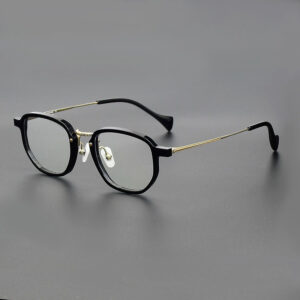
Danish designers are masters at fine-tuning proportions. Whether it’s a titanium frame with seamless hinges or an acetate front with razor-thin temples, their frames are often about micro-details. The elegance is in the angle of the bridge, the way the temple hugs the ear, or the nearly invisible screw system.
For OEM and brand developers, this means that replicating the look isn’t about flashy elements — it’s about restraint and detail precision.
2. Lightweight Materials — With Real Comfort
Most Danish eyewear brands favor titanium, surgical steel, or ultra-thin acetate, which gives their frames a lightweight, barely-there feel. This isn’t just about looks — it’s about long-wear comfort, especially for optical users.
So if your customer base values function as much as fashion, Danish design cues can help you build a product that’s both beautiful and wearable — without overcomplicating the production.
3. A Focus on Fit Over Fashion Trends
Unlike fast fashion-driven brands, Danish eyewear tends to stick to timeless shapes — soft rectangles, rounded pantos, subtle cat-eyes — all refined for comfort. And many brands offer Asian-fit or adjustable options, which is a key consideration for buyers in Asia and North America.
That’s why Danish-inspired frames are ideal for long shelf life collections, where quality and fit keep them moving long after trends change.
4. Aesthetic Minimalism That Appeals Globally
From Tokyo to Berlin to New York, minimal eyewear works. It transcends local fashion and feels “smart” rather than loud. For multi-market distributors, this is a win: one design language, multiple audiences.
If you’re planning a collection that travels well — either through e-commerce or global retail — Danish-style frames are a safe and sophisticated foundation.
What It Means for You
As a buyer, this means two things:
- If you carry Danish brands, know that they’ll position your store or collection as modern, thoughtful, and design-focused — but probably not budget-friendly or flexible.
- If you create your own products, you can apply the Danish design mindset through OEM — using minimalist lines, smart materials, and human-centric fit — without the complexity of European supply chains.
At Eyewearbeyond, we help you do exactly that.
Top 12 Danish Eyewear Brands You Should Know
3.1 Lindberg
Founded: Aarhus, Denmark – 1986
Materials: Ultra-light titanium, acetate, buffalo horn
Style Positioning: Minimalist luxury, medical-grade precision, design for comfort
Strength: Patented screwless hinge system + ultra-lightweight + award-winning construction
Target Market: Luxury optical stores, professional eyewear users, premium comfort segment
Official Website: www.lindberg.com
Brand Insight:
Lindberg is the flagship of Danish eyewear — the benchmark for clean design, lightweight comfort, and long-term wearability. What made Lindberg famous is its screwless hinge system: engineered without screws, rivets, or welded parts, making the frame both durable and extremely light (as little as 1.9 grams).
Their frames often appear “invisible,” but never generic. Signature models like the Lindberg Strip, Spirit, and Air Titanium lines are worn by royalty, CEOs, and those who prioritize comfort as status.
For OEM buyers, Lindberg represents the ultimate function-driven design logic: engineering comes first, and the style follows from the material. While few factories can fully replicate their tech, the principle — minimal parts, maximum precision, clean lines — is highly applicable to custom product development for modern, discerning markets.
3.2 Ørgreen Optics
- Founded: Copenhagen, Denmark – 1997
- Materials: High-grade titanium, stainless steel, acetate
- Style Positioning: Clean Nordic structure with bold colors
- Strength: Sharp frame lines + hand-colored titanium + signature matte finishes
- Target Market: Urban boutiques, fashion-forward optical chains, independent DTC brands
- Official Website: www.orgreenoptics.com
Brand Insight:
Ørgreen is one of Denmark’s most globally recognized eyewear names. Their specialty lies in combining minimalist frame shapes with bold but wearable color finishes — especially through hand-colored titanium and layered matte effects. Collections like “Imaginary Lines” and “Quantum High” have become modern classics, balancing technical structure with expressive tones. For buyers, Ørgreen is ideal if you want a clean, premium Nordic look that still offers personality. It’s a great reference point when developing OEM products that feel modern but not sterile — especially in the titanium segment or color-driven acetate lines.
3.3 ProDesign Denmark
- Founded: Aarhus, Denmark – 1973
- Materials: Acetate, titanium, stainless steel
- Style Positioning: Wearable Scandinavian classics with modern updates
- Strength: Commercial styling with clever design details
- Target Market: Mid-range optical stores, professional eyewear users, unisex frame buyers
- Official Website: www.prodesigndenmark.com
Brand Insight:
ProDesign Denmark is built for real people. Their designs aren’t about chasing runway trends — they’re about making stylish, comfortable frames for everyday wear. The brand offers a wide range of classic rectangles, pantos, and light semi-rimless styles, often with small design twists: colored inner rims, two-tone temples, or sculpted bridge cuts. Popular lines include Essential, Iris, and Zense, all focused on optical comfort with a premium feel. For B2B buyers, this brand is a solid reference if your target customers care about fit, durability, and subtle sophistication — especially in the men’s and unisex categories.
3.4 Nine Eyewear
- Founded: Aarhus, Denmark – 2010
- Materials: Ultra-thin Japanese titanium
- Style Positioning: Minimalist engineering for ultra-light comfort
- Strength: Screwless construction + featherweight frames under 10g
- Target Market: Premium optical retailers, customers with high comfort needs, minimalist DTC brands
- Official Website: www.nine-eyewear.com
Brand Insight:
Nine Eyewear focuses on pure comfort through precision engineering. All of their frames weigh under 10 grams — achieved by using high-purity Japanese titanium and screwless, flexible designs. The aesthetic is minimal to the extreme, with clean lines, matte finishes, and barely-there temples. Best-known models include the Nine Titanium 2171 and Nine Origin Series, both praised for all-day comfort and discreet visual weight. For optical buyers, it’s a strong reference if your audience includes working professionals, medical clients, or anyone looking for “no pressure” frames. OEM-wise, this is a great base for developing high-comfort, low-weight titanium collections.
3.5 Monoqool
- Founded: Copenhagen, Denmark – 2009
- Materials: 3D-printed polyamide + titanium temples
- Style Positioning: Futuristic lightweight frames using additive manufacturing
- Strength: Patented spiral hinges + 3D printed construction + flexible nose fit
- Target Market: Innovation-led optical shops, tech-savvy consumers, eyewear brands seeking cutting-edge tech
- Official Website: www.monoqool.com
Brand Insight:
Monoqool is known as the pioneer of 3D-printed eyewear in Denmark. Their signature features include spiral hinges with no screws, printed polyamide fronts, and ultra-light fit. Collections like IQ Titanium and Slider combine modern industrial design with wearable frame shapes. The brand targets customers who want something tech-forward but still comfortable and understated. For buyers, Monoqool is less about trend and more about innovation. If you’re building a DTC brand that leans into “smart product” storytelling or looking for a frame supplier with cutting-edge visual differentiation, this is a good benchmark for OEM concept development.
3.6 Fleye Copenhagen
- Founded: Copenhagen, Denmark – 2002
- Materials: Carbon fiber, beta titanium, acetate
- Style Positioning: Artistic yet functional eyewear with Nordic craftsmanship
- Strength: Multi-material layering + color detailing + allergy-safe finishes
- Target Market: Boutique optical stores, art-inspired collections, allergy-aware customers
- Official Website: www.fleye.dk
Brand Insight:
Fleye (Fine Looking Eye) stands for Danish craftsmanship with a softer, more expressive twist. They often use layered materials — such as carbon fiber, colored acetate, and high-grade beta titanium — to create frames that feel light but visually rich. Their Signature and Elements series draw inspiration from Danish nature, using earthy tones and organic contours. For B2B buyers, Fleye is a strong reference for multi-texture, hypoallergenic eyewear that balances functionality with visual storytelling. OEM-wise, it’s a solid style base for creating optical lines with a soft artistic touch — especially in women’s or premium wellness-focused markets.
3.7 Kilsgaard Eyewear
- Founded: Denmark – 2008
- Materials: Aluminum, acetate, stainless steel
- Style Positioning: Industrial minimalism with modern edge
- Strength: Matte-finished aluminum + strong masculine silhouettes
- Target Market: Men’s optical lines, minimal DTC brands, urban lifestyle shops
- Official Website: www.kilsgaard-eyewear.com
Brand Insight:
Kilsgaard brings an industrial, no-logo attitude to Scandinavian eyewear. Most known for their anodized aluminum frames, the brand pairs ultra-clean shapes with a masculine, architectural aesthetic. Their top series includes Frame No.3 and Aluminum Optical, both offering a sharp presence without feeling aggressive. They don’t go for bold colors — think matte black, sand grey, or dark olive. Ideal for buyers targeting a male clientele or wanting to build a “quiet luxury” men’s line with edge. As an OEM reference, Kilsgaard helps translate understated power into titanium or alloy eyewear collections.
3.8 BLAC Eyewear
- Founded: Copenhagen, Denmark – 2007
- Materials: Carbon fiber, titanium
- Style Positioning: Ultra-light performance eyewear with luxury tech appeal
- Strength: Handmade carbon fiber fronts + titanium temples + sporty silhouette
- Target Market: High-end optical stores, men’s luxury segment, tech-inspired frame lines
- Official Website: www.blac.dk
Brand Insight:
BLAC is one of the world’s first eyewear brands to use carbon fiber as the main material in the frame front — originally developed for use in sports cars and aerospace. The result is rigid, ultra-light, and strong frames, often paired with matte titanium temples. Signature models include the BLAC Original and BLAC Urban, which cater to high-performance users who also want clean design. For OEM buyers looking to build a masculine, high-tech collection (especially for professionals, athletes, or executive segments), BLAC is an ideal benchmark for translating tech into visual simplicity.
3.9 Carlotta’s Village
- Founded: Denmark – 2009
- Materials: Acetate, stainless steel, titanium
- Style Positioning: Bold, playful, Scandinavian handmade
- Strength: Color blocking + artistic fronts + women-led creative direction
- Target Market: Fashion-forward boutiques, female-focused DTC brands, niche optical retailers
- Official Website: www.carlottasvillage.com
Brand Insight:
Carlotta’s Village is known for statement acetate frames with character — think bold shapes, strong angles, and layered color combinations. Unlike many minimalist Danish brands, they lean more artistic, with styles like Yasmin, Karla, and Anouk that stand out on the shelf. Each piece is designed in-house and handmade in Denmark, with a focus on ethical production and woman-led vision. For buyers developing collections aimed at expressive, design-forward female customers, this is a strong style reference — especially for niche retail or creative concept lines
3.10 Monkeyglasses
- Founded: Copenhagen, Denmark – 2009
- Materials: Biodegradable acetate, stainless steel
- Style Positioning: Eco-conscious design with urban Scandinavian aesthetics
- Strength: Sustainable materials + ethical production + light, simple frames
- Target Market: Green lifestyle shops, eco-focused DTC brands, conscious consumers
- Official Website: www.monkeyglasses.com
Brand Insight:
Monkeyglasses is Denmark’s leading sustainable eyewear brand, offering frames made from biodegradable cotton acetate and recycled metals. Their styles are lightweight, mostly rounded or soft rectangles, with muted earth tones and a minimalist finish. Frames like “Timeless,” “Organic,” and “Retro Future” cater to customers who value both style and impact. For buyers targeting eco-conscious markets or looking to build a sustainable private label line, Monkeyglasses provides clear direction on materials and storytelling — great for eyewear collections linked to environmental themes.
3.11 MessyWeekend
- Founded: Copenhagen, Denmark – 2018
- Materials: Acetate, polycarbonate lenses, TR90
- Style Positioning: Casual, affordable, streetwear-inspired
- Strength: Bold styles + sunglasses focus + youth appeal
- Target Market: Millennial/Gen Z brands, online retailers, entry-level DTC brands
- Official Website: www.messyweekend.com
Brand Insight:
MessyWeekend is a newer player that brings urban, festival-ready energy to the Danish eyewear scene. The brand is mostly known for sunglasses — bold, affordable, and influencer-friendly. Models like “Brooklyn,” “Corey,” and “Bille” use wide lenses, reflective coatings, and chunky silhouettes that resonate with young shoppers. This is a good reference for buyers developing Gen Z-facing brands, TikTok-friendly SKUs, or seasonal capsule drops. While the build quality is basic, the brand logic is strong: streetwear vibes with low MOQ potential for trend-driven collections.
3.12 Bellinger Eyewear
- Founded: Risskov, Denmark – 2003
- Materials: Acetate, titanium, stainless steel
- Style Positioning: Colorful expression, design-focused optical
- Strength: Playful shapes + dynamic color layering + optical comfort
- Target Market: Independent optical shops, vibrant mid-premium collections
- Official Website: www.bellinger.dk
Brand Insight:
Bellinger offers bold, personality-driven optical frames without going over the top. The brand emphasizes energetic shapes and vibrant color gradients, often pairing contrasting acetate tones in one design. Series like Bellinger Colorline and Bellinger Prime combine Scandinavian practicality with fun. Great for buyers who want to stand out from the black-and-grey crowd — especially if your market includes expressive, color-seeking wearers. As an OEM style base, Bellinger provides excellent references for mid-range optical collections that want to add “happy energy” without losing comfort.
4. If You’re a Buyer — How Should You Choose a Danish Brand?
Danish eyewear looks clean and modern — but that doesn’t mean every frame or brand fits every business model. Whether you run a high-end optical store, an online DTC brand, or you’re planning your own private label collection, it’s important to match the right kind of Danish style to your market goals.
Here’s how to think about it.
Are You a Retailer or a Brand Builder?
If you operate a premium optical store, especially in an urban or design-conscious market, Danish brands like Lindberg, Nine, or ProDesign offer frames that speak directly to comfort and technical refinement. These products are ideal for customers who are willing to pay more for a clean, quiet luxury experience.
If you run a fashion-forward boutique or concept store, consider bold design brands like Carlotta’s Village or Bellinger — they bring color, form, and something fresh to the shelf without going too niche.
But if you’re building your own private label brand — whether DTC or wholesale — most Danish brands won’t be flexible with white labeling or custom production. In that case, you should treat them as inspiration, not as direct partners.
This is where working with an OEM partner like Eyewearbeyond makes more sense — you get the Danish look, without the typical restrictions.
Do You Need Structural Reliability or Visual Style?
Not all Danish frames are created equal.
- Brands like Lindberg, Nine, and Monoqool focus on engineering: screwless hinges, ultra-lightweight titanium, and long-term comfort. Perfect for customers who wear glasses 10+ hours a day.
- On the other hand, Ørgreen, Bellinger, and MessyWeekend focus more on color, shape, and attitude — better for fashion-facing lines, seasonal edits, or expressive customers.
Knowing which value matters more to your target buyers — function or form — helps you avoid overpaying for the wrong kind of “design.”
How Flexible Are Danish Brands for OEM or Customization?
Here’s the tough truth:
Most Danish brands don’t support private labeling, OEM, or low-MOQ custom work. Their production is boutique, slow, and designed to protect their identity.
So if you’re hoping to:
- Add your logo
- Adjust frame sizes for Asian or US fit
- Customize temple length or colorways
- Control lead time and unit price
…then working directly with those brands likely won’t work.
Instead, the smarter move is to study the styles and translate them into your own product line. That’s exactly what we help clients do at Eyewearbeyond.
We break down what makes Danish frames desirable — and build similar-quality designs under your brand, with full control over specs, MOQ, and branding.
5. Real Talk: Pros & Cons of Working with Danish Eyewear Brands
Danish eyewear brands are respected globally — and for good reason. But from a wholesale or private label buyer’s perspective, admiration doesn’t always mean alignment.
Let’s break it down honestly.
✅ Pros — What’s Great About Danish Brands
1. Design Clarity That Sells Itself
Danish frames are built on clean geometry and balance. Whether it’s titanium from Lindberg or color layering from Ørgreen, the product often looks self-explanatory. You don’t need to “educate” the customer — the design does the talking.
2. Comfortable for Long-Term Wear
Brands like Nine and Monoqool invest heavily in wearability. Lightweight materials, ergonomic temples, and refined bridge shapes make them great for high-frequency glasses users. If your market values comfort, these brands deliver.
3. International Aesthetic Appeal
Nordic minimalism works in many countries — Japan, Germany, the US, Southeast Asia. If you run multi-market distribution or DTC, Danish design gives you a “neutral but premium” style baseline.
4. Clean Brand Image = Easy Upsell
You’re not just selling glasses — you’re selling design credibility. Danish brands are often used to elevate the positioning of a store or collection, especially for customers who equate “Scandinavian” with quality and taste.
❌ Cons — What Buyers Often Struggle With
1. Very Limited OEM or Custom Options
Most Danish brands won’t allow logo changes, private labeling, or design edits. You buy what they offer — that’s it. If you want to build your own identity or adjust for local preferences, this is a roadblock.
2. High MOQs or Slow Production
Even when brands offer wholesale accounts, the lead time can be long (especially for out-of-stock colors or popular SKUs). Reorders are slow, and you may miss peak selling seasons. MOQ for new accounts can also be inflexible.
3. Pricing Can Be a Barrier
Danish brands often sit in the mid-high or luxury pricing tier. That’s fine for premium shops, but challenging if you’re targeting price-sensitive markets or trying to scale fast.
4. Limited Sales Support or After-Service
Small brands = small teams. Many Danish brands don’t have structured support for international distributors. You may face slow replies, lack of training materials, or no marketing kits — which can slow down your sales process.
What It Means for You as a Buyer
If you’re buying to resell a known brand, Danish names carry credibility and deliver on design. But if you’re trying to create your own branded product line, working with them directly probably won’t work.
The better solution?
Let Danish brands inspire your product vision, but own the process through OEM.
At Eyewearbeyond, we help you do just that:
→ Replicate the fit, feel, and finish of Danish eyewear
→ Customize it to your audience
→ Control MOQ, timeline, branding, and pricing
6. Danish Eyewear Pricing Guide: Retail, Wholesale & OEM Feasibility
Let’s be honest — Danish eyewear looks amazing, but can your margins support it?
If you’re buying for resale, or trying to build your own brand inspired by Danish design, understanding the numbers is just as important as understanding the aesthetics. Here’s a breakdown of what to expect.
💰 Typical Retail Prices for Danish Eyewear Brands
- Lindberg: $600–$850 retail
- Ørgreen: $400–$600 retail
- Nine Eyewear: $450–$550 retail
- Fleye / Bellinger: $350–$500 retail
- ProDesign: $280–$400 retail
- Monoqool (3D-printed): $400–$550 retail
- MessyWeekend (Sunglasses): $85–$150 retail
These prices reflect their positioning as premium-to-luxury products, especially for optical frames. If you’re selling in markets like Europe, the US, or Japan — this works. But in price-sensitive or emerging markets, it can limit volume.
🧾 Wholesale Pricing Reality
Expect 2.2x–2.5x markup from wholesale to retail (sometimes even 3x on lower-volume SKUs).
That means if a frame retails at $500, you’re likely buying it for $180–$230 per unit, excluding shipping, duties, and VAT.
In most cases:
- You need to prepay large quantities
- There’s limited room to adjust pricing or assortments
- Reordering slow movers can take weeks or months
This reduces your flexibility — especially if you’re testing a new market or managing cash flow tightly.
🔧 OEM Alternative: Danish Style, Your Price
Now let’s compare that with OEM manufacturing inspired by Danish aesthetics — via a partner like Eyewearbeyond:
| Model Type | Estimated OEM Unit Cost* | MOQ | Notes |
|---|---|---|---|
| Lightweight titanium | $25–$35 | 300 pcs+ | Screwless optional, multiple finishes |
| Acetate + metal combo | $18–$28 | 200 pcs+ | Good for Ørgreen / Fleye style |
| TR90 minimalist optical | $12–$18 | 500 pcs+ | Slim, light, great for mass market |
| 3D-printed (nylon PA) | $20–$30 | 300 pcs+ | Similar to Monoqool logic |
*Based on Eyewearbeyond’s current production line quotes (ex-factory price, FOB China).
With OEM, you get:
- Full control over colors, size, bridge, temple fit
- Your logo and packaging
- Shorter lead time (avg. 45–60 days)
- Room to adjust cost for your target price point
In short: you get the Danish style — without the Danish cost or limits.
So What’s the Smart Move?
If you’re a high-end optical retailer looking for brand prestige, buying direct from Danish brands may be worth it — if your customer can absorb the price.
But if you’re building a private label line, or scaling to international B2B, OEM is the more flexible and scalable route.
That’s where Eyewearbeyond steps in:
We help you recreate that clean, modern Danish aesthetic — but built to your brand, your budget, and your market timing.
7. Who Should Consider Danish‑Style Eyewear? Four Typical Buyer Profiles
Danish eyewear isn’t loud — but it makes a quiet, confident statement. That’s why it works well in certain retail environments and branding strategies. But it’s not for everyone.
Here are four types of buyers who should seriously consider Danish-style frames — whether through direct purchase or OEM adaptation.
1. High-End Optical Stores (Urban or Design-Oriented)
If your store serves professionals, architects, doctors, or upper-middle-class customers, Danish brands are a perfect match. Brands like Lindberg, Nine, and ProDesign offer frames that are understated, premium, and focused on wearability.
Why it fits:
- Customers value comfort and brand heritage
- Clean aesthetics align with interior-focused retail setups
- Easy to upsell with lens packages or personalized fitting
🟢 OEM Tip: Recreate lightweight titanium silhouettes with screwless temples and minimalist branding — ideal for private-label “optical performance” collections.
2. Independent Fashion or Design Boutiques
Fashion shops that value curation and storytelling can benefit from more expressive Danish brands like Carlotta’s Village, Ørgreen, or Bellinger.
These brands offer punchy colors, distinct shapes, and handmade details — without going into luxury territory. For customers who care about individuality and subtle design, they strike the perfect balance.
Why it fits:
- Adds a “design story” to your store without big logos
- Appeals to consumers who avoid mass-market eyewear
- Higher perceived value due to niche European origin
🟢 OEM Tip: Use Danish acetate color logic — matte tones, dual layering, or earth hues — to develop a strong seasonal lookbook under your own brand.
3. DTC Brand Founders Targeting Minimalist Consumers
If you’re building a direct-to-consumer eyewear brand, especially in the minimalist, eco-conscious, or tech-lifestyle space, Danish-style frames give you the visual identity of “smart simplicity.”
Think Monoqool’s 3D printed frames, Kilsgaard’s aluminum edges, or Monkeyglasses’ biodegradable acetates — all of which can be translated into leaner, OEM-friendly versions.
Why it fits:
- Clear brand aesthetics for digital storytelling
- Appeals to the “less is more” generation
- Differentiates from flashy fast-fashion competitors
🟢 OEM Tip: Focus on lightweight, recyclable materials, muted tones, and simple packaging — all of which enhance your brand’s clean values.
4. Multi-Market Distributors Looking for “One Look Fits All”
If you distribute across multiple countries — Asia, Europe, Middle East — you know that trends don’t always translate. Danish frames offer a neutral, sophisticated style that rarely offends or divides.
That’s a huge win for volume sellers who want consistency.
Why it fits:
- Safe styling for conservative and modern buyers alike
- Easy to adapt sizing (Asian fit, European temples)
- Timeless shapes = longer shelf life, lower discount risk
🟢 OEM Tip: Build a core collection of 6–8 styles that can rotate across markets with only minor regional adjustments in sizing and color.
Bottom Line?
If your customers care about comfort, clarity, and subtle confidence — Danish-style frames are a strategic addition to your collection.
And if the brand-side cooperation seems too rigid or expensive, OEM with a Danish design direction gives you full control, better margins, and faster timelines — without compromising the look.
8. How Danish Frames Are Built – Techniques & Materials You Should Know
Danish eyewear doesn’t just “look minimal” — it’s engineered that way.
Behind the clean designs are high-level materials and smart construction methods that prioritize comfort, weight, and long-term durability. Whether you’re buying for direct resale or planning OEM development, understanding how these frames are built helps you make smarter sourcing decisions.
Here’s what you need to know.
1. Titanium – But Not Just Any Titanium
Many Danish brands — like Lindberg, Nine, and Ørgreen — use β-titanium or Japanese surgical-grade titanium. It’s not only lightweight but also highly flexible and corrosion-resistant.
What it enables:
- Featherweight frames (often under 10g)
- Pressure-free wear for long hours
- Sleek shapes with thin temples and nose bridges
🟢 OEM Tip: For a similar effect, source Japanese titanium rods and use CNC-cutting to maintain structural clarity. Combine with laser welding for screwless hinge systems.
2. Screwless Hinge Systems
This is a standout technical feature in brands like Lindberg and Monoqool.
Instead of traditional screws, these frames use:
- Laser-cut titanium flex joints
- Spiral hinges (3D-printed polyamide)
- Custom elastic hinges hidden within the frame
These features improve durability and reduce maintenance — no more loose arms.
🟢 OEM Tip: Screwless hinges can be expensive, but simplified tension-fit or spring mechanisms still give that “clean engineering” look at lower cost.
3. Layered Color Finishes (Especially on Titanium)
Danish brands are masters at adding subtle, intelligent color to minimal shapes.
- Ørgreen uses double anodizing to apply two-tone matte finishes
- Fleye blends bio-acetate with layered transparent fronts
- Kilsgaard anodizes aluminum in urban shades like gunmetal and matte green
🟢 OEM Tip: Use matte sandblasting or PVD plating for affordable, long-lasting color. Stick with earthy palettes — clay, olive, rust, matte black — for that authentic Nordic vibe.
4. 3D Printed Fronts – The Monoqool Method
Monoqool builds its frames using 3D-printed nylon (PA12), which is:
- Extremely lightweight
- Flexible without metal reinforcement
- Great for minimal designs with hidden structure
Their Spiral and Slider series use this method with no screws, making them perfect for DTC brands with a tech-forward identity.
🟢 OEM Tip: 3D printing is now accessible in China — ideal for trial collections or concept drops. Combine 3D fronts with metal temples to keep comfort and cost balanced.
5. Nose Fit & Temple Balance Are Prioritized
Danish brands often put significant attention on comfort fittings:
- Adjustable titanium nose pads
- Shortened or curved temples for better ear grip
- Asian fit options (especially for export markets)
🟢 OEM Tip: Always confirm local fit preferences — Asian vs European bridge height, temple length, etc. Eyewearbeyond helps customize this during mold setup or prototyping.
Final Take
Danish eyewear may look simple, but it’s backed by smart material science and thoughtful construction.
If you’re developing your own line, study their techniques — not just the look. Then work with a factory that understands how to translate those details into something affordable, scalable, and unique to your brand.
At Eyewearbeyond, we specialize in that translation.
9. Dissecting 3 Signature Danish Frame Structures (and Who They’re For)
You’ve seen the design — now let’s talk structure.
Danish eyewear isn’t about decoration. It’s about materials + engineering that quietly serve comfort and wearability. That’s why certain structural styles appear repeatedly across top brands.
Here are three frame types you’ll see again and again, and how to apply them in your own business — either as a retail buyer or through OEM.
1. Screwless Titanium Frames
Inspired by: Lindberg, Nine Eyewear
Structure:
- Laser-cut β-titanium
- No screws, no solder points
- Ultra-light temple arms with flex-fit tension
- Often under 10 grams in total weight
Why it works:
These frames are built for comfort. No maintenance, no weight on the nose, and extreme durability. Customers barely feel them — ideal for professionals or frequent wearers.
Best for:
- Optical stores targeting premium professionals
- Customers with sensitive skin or nose bridge pressure
- DTC brands selling “invisible comfort” as a USP
🟢 OEM Feasibility: Medium-high. Screwless designs require precision molds and skilled finishing, but we can replicate 90% of the feel using spring temples + laser-cut titanium at more competitive costs.
2. Acetate + Metal Blend Frames
Inspired by: Ørgreen, Fleye, ProDesign
Structure:
- Acetate front (single or layered)
- Stainless steel or titanium temples
- Mixed material textures: matte + gloss, tone-on-tone or layered colors
- Classic shapes with subtle design tweaks (angular browlines, sculpted edges)
Why it works:
These styles offer more personality than full-titanium but stay wearable and unisex. You get color, structure, and subtle branding opportunities.
Best for:
- Boutique buyers looking for variety
- Private-label brands building mid-premium lifestyle lines
- Retailers in Europe, East Asia, or North America
🟢 OEM Feasibility: High. Acetate is highly customizable — from color lamination to thickness and shape. We can combine Japanese acetate fronts with titanium temples for the perfect balance of quality and margin.
3. 3D Printed Nylon Frames
Inspired by: Monoqool
Structure:
- 3D printed PA12 nylon front
- Spiral or tension-fit hinges (no screws)
- Often paired with titanium temples
- Matte finishes, ultra-thin bridges, soft-fit contours
Why it works:
It’s futuristic but minimal. Feels light, doesn’t leave marks, and appeals to younger tech-conscious customers. Perfect for online brands that want to look innovative without being too bold.
Best for:
- Tech-driven DTC eyewear startups
- Sustainable eyewear collections
- Fast-moving capsule drops or influencer edits
🟢 OEM Feasibility: Medium. 3D printing is available in China but requires low-volume strategy or launch collections. Great for test batches, seasonal launches, or Kickstarter-style projects.
Summary
Each of these Danish frame structures serves a different kind of customer — and purpose:
| Frame Type | Customer Type | Price Tier | OEM Difficulty |
|---|---|---|---|
| Screwless Titanium | Comfort seekers / Optical Pros | High | Medium-High |
| Acetate + Metal Blend | Style-focused / Unisex Retail | Mid-High | Low |
| 3D Printed Nylon | DTC / Young / Tech Market | Mid | Medium |
Knowing which one suits your customer base will save you time, money, and frustration — and it’ll help your production partner (like us at Eyewearbeyond) guide you in the right direction.
10. Want to OEM Danish-Style Frames? Here’s What to Know (and Avoid)
You’ve done the research. You love the Danish look — minimalist, high-quality, clean. But now comes the big question:
Can you make Danish-style eyewear under your own brand?
Yes — but only if you avoid the common mistakes and know where the flexibility lies.
Let’s break it down.
🚫 The Reality: Most Danish Brands Don’t Support OEM or White Label
This is the first thing buyers misunderstand.
Brands like Lindberg, Ørgreen, or Nine may look clean and understated, but they operate like fashion houses:
- No logo swaps
- No custom sizing
- No color changes
- Long lead times
- High MOQs (often 500+ per model/color)
- Very limited negotiation room
Even if you love their style, they won’t let you make it your way.
So if you’re looking for private label or brand creation, these brands are not your OEM partners — they’re design references.
✅ The Smarter Route: Study the Look, Then Build Your Own Line
This is exactly where Eyewearbeyond comes in.
We help clients translate the Danish design language into original, ownable collections — with your logo, fit preferences, color palette, and price point.
Here’s how we do it:
| Feature | Direct from Brand | Eyewearbeyond OEM |
|---|---|---|
| Custom Logo | ❌ Not allowed | ✅ Fully supported |
| Bridge / Temple Fit | ❌ Standard only | ✅ Asian / Global fit available |
| Material Options | ❌ Fixed | ✅ Choice of acetate, titanium, TR90, 3D print |
| MOQ Flexibility | ❌ Often high (500+) | ✅ Starting from 200–300 pcs |
| Lead Time | ⏳ 3–6 months typical | 🚚 45–60 days avg. |
| Cost Control | ❌ Limited | ✅ Full control by design choices |
You get 90% of the look and feel — at 60% of the cost, with 100% control over the business.
🛠 What to Avoid When OEM-ing Danish Styles
If you’re creating your own Danish-inspired eyewear, keep these rules in mind:
1. Don’t overcomplicate the shape
Danish design thrives on simplicity. Stick with 2–3 core silhouettes: classic square, soft round, panto. Focus on fit and finish, not fancy shapes.
2. Don’t use shiny or flashy materials
Stay away from bright chrome, neon tones, or overly glossy acetate. Danish aesthetics prefer matte, natural, or brushed finishes.
3. Don’t ignore comfort
The feel on the face matters. Your hinge, temple curve, and nose fit need to reflect the same comfort-first mindset as Scandinavian brands.
4. Don’t chase trend — build timeless
Most Danish frames look good 5 years from now. Avoid “hype design” and instead think about long-term relevance, especially for optical lines.
👋 How Eyewearbeyond Helps
We’re not just a factory — we’re a design-minded OEM partner.
We’ll help you:
- Select the right titanium, acetate, or 3D print base
- Adjust frame sizing for your core market
- Offer sample kits and finish tests
- Keep costs transparent and MOQs flexible
- Move from reference → drawing → prototype → production in one streamlined process
In short: you get the Danish DNA — but with your business built in.
Final Takeaway — Don’t Just Copy the Look, Own the Strategy
Danish eyewear brands have earned their global reputation for a reason — smart design, precise engineering, and long-term wearability. But as a buyer, wholesaler, or brand founder, you don’t have to follow the exact same path to benefit from that aesthetic.
Instead of simply buying into their rules, MOQ, and pricing…
You can build your own line — inspired by Denmark, but built for your market.
At Eyewearbeyond, we help clients around the world do exactly that.
From screwless titanium frames to acetate-titanium hybrids and even 3D-printed concepts, we offer Scandinavian-quality eyewear with full flexibility in design, branding, and pricing — all backed by a factory team that understands the B2B realities.
So if you’re ready to create your own version of quiet luxury and Nordic precision,
Let’s talk.
Because you don’t just need Danish design.
You need your own version of it — done right.
Get Your Sample Today
Explore Eyewearbeyond’s quality for yourself with a sample order! We offer samples for custom designs, bulk frames, and packaging solutions—request yours today.
Your email information will be kept strictly confidential and our business staff will ensure that your private information is absolutely safe!