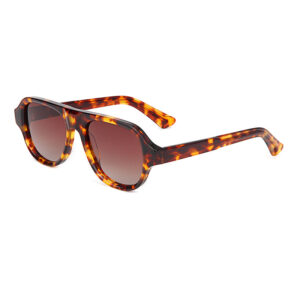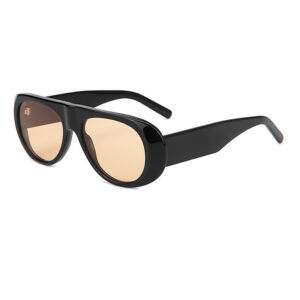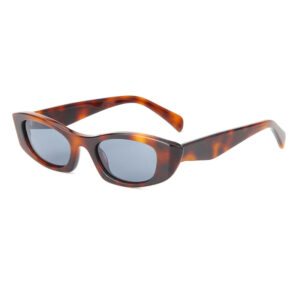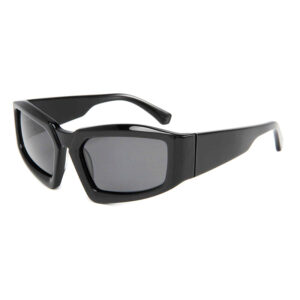
1. Introduction
Thinking about launching your own line of acetate sunglasses but not sure where to start? You’re not alone. Whether you’re a boutique eyewear brand, a wholesaler, or an online store owner, figuring out how acetate sunglasses are made — and who to trust to make them — can feel like a total mystery.
You might be asking yourself:
- “What’s the difference between acetate and regular plastic?”
- “Why do lead times vary so much?”
- “How do I make sure the quality is actually worth the price?”
We get it — we hear these questions all the time from new clients. At Eyewearbeyond, a professional eyewear manufacturer based in China, we’ve helped hundreds of businesses around the world turn their design ideas into real, high-quality acetate sunglasses. From startups launching their first line to seasoned buyers looking for reliable OEM/ODM partners — we’ve seen it all.
This guide is here to break it down for you. Step by step, we’ll walk you through the entire acetate sunglasses manufacturing process — from material selection and frame shaping, to polishing, lens installation, branding, and packaging. No jargon, no confusion — just clear info that helps you make smart decisions for your brand.
Let’s dive in.
2. How Are Acetate Sunglasses Made Step-by-Step?
Acetate sunglasses are manufactured through a detailed, multi-stage process that blends craftsmanship with modern precision. It all starts with selecting high-quality acetate sheets—often made from cotton-based cellulose—for their strength, flexibility, and rich color options. These sheets are then cut, milled, and shaped into frame fronts and temples using CNC machines or manual tools.
After shaping, the parts go through extensive polishing, both in tumbling machines and by hand, to achieve a smooth, glossy finish. Metal hinges and wire cores are inserted, and the frames are carefully assembled. Lenses—whether polarized, tinted, or UV400—are custom cut and fitted into the frames with precise alignment.
Once assembled, the sunglasses undergo rigorous quality checks for fit, durability, and appearance. Branding elements like logos or decorative metal pieces are added before final cleaning and packaging. From raw acetate sheets to shelf-ready designer sunglasses, every step is carefully managed to ensure premium quality and consistency—especially when you work with a manufacturer like Eyewearbeyond that specializes in B2B production.
2. How Are Acetate Sunglasses Made Step-by-Step?
Acetate sunglasses are produced through a meticulous, multi-phase process designed to transform plant-based acetate sheets into high-quality, stylish eyewear. The production begins with selecting premium acetate materials, followed by precision cutting, shaping, and polishing to form the frame front and temples. Skilled technicians then insert metal core wires and install durable hinges before assembling all components.
Next comes the lens cutting and fitting stage, where each lens is tailored to match the frame shape—whether you’re using UV400, polarized, or custom-dyed lenses. After full assembly, each pair undergoes strict quality control checks to ensure fit, finish, and long-term durability. Final touches like logo branding, surface treatment, and secure packaging are added to complete the product.
When you work with an experienced factory like Eyewearbeyond, every step is streamlined—from material prep to private labeling—so you receive sunglasses that are not only beautiful but also meet global standards in quality and comfort.
2.1 What Is Acetate?
Acetate, short for cellulose acetate, is a plant-based plastic made primarily from cotton linters or wood pulp. Unlike petroleum-based plastics, acetate is biodegradable in its raw form and considered more eco-conscious in the eyewear industry. It’s prized for its durability, rich color depth, flexibility, and ability to be hand-polished to a high gloss.
One major advantage of acetate is that it can be laminated with multiple layers, allowing eyewear designers to create unique color effects—such as tortoiseshell, marbled patterns, or even transparent fades. Because of its strength and comfort, acetate is widely used for premium sunglasses that are meant to last, both in function and in fashion appeal.
At Eyewearbeyond, we source high-quality Italian or Asian acetate sheets, depending on your budget and branding goals, and offer full customization—from color matching to logo embossing—to bring your designs to life.
2.2 Why Acetate for Sunglasses?
Acetate is the material of choice for brands that want their sunglasses to stand out—not just in style, but in comfort, durability, and customization.
Unlike injection-molded plastic frames, acetate sunglasses are cut from solid sheets, allowing for richer textures, deeper colors, and more precise shaping. This results in a final product that feels heavier and more premium in hand—something your customers will notice immediately.
Here’s why acetate matters for your brand:
- Visual Appeal: Acetate allows for layered colors, patterns (like tortoiseshell or marble), and even transparent finishes—great for creating signature designs.
- Comfort & Fit: It’s hypoallergenic, and the material becomes more flexible with body heat, allowing for a better fit over time.
- Durability: Acetate is far more resistant to wear and UV exposure than regular plastic, making it ideal for long-lasting eyewear.
- Custom Branding: Acetate frames are perfect for laser engraving, inlay logos, and unique shape designs, giving your brand a premium, recognizable identity.
If you’re building a premium or mid-high-end eyewear collection, acetate is a smart investment. At Eyewearbeyond, we help clients choose the right type of acetate—Italian-made Mazzucchelli for luxury lines, or high-quality Asian acetate for value-driven collections. We support full customization, including color-matching, layered acetate development, and logo embossing.
Whether you’re launching your first product line or scaling up your private label sunglasses business, acetate gives you the flexibility, elegance, and longevity your brand needs to grow.
3. Designing Acetate Sunglasses
Designing acetate sunglasses is where your brand identity truly comes to life. Whether you’re creating a timeless collection for retail shelves or a bold private label line, this is the stage where creativity meets strategy.
With acetate as your base material, you have incredible freedom to customize everything—from the shape of the frame to the layering of colors and the tiniest metal logo details. But before you dive into drawing frames or picking Pantone colors, it’s essential to have a clear design direction.
In this section, we’ll break down the key steps to designing acetate sunglasses that not only look good but sell well too—especially when working with a full-service manufacturer like Eyewearbeyond.
3.1 Define Target Market and Style
Before you sketch a single line, ask yourself one critical question:
“Who am I designing these sunglasses for?”
Your target customer will influence every decision—from frame thickness to lens color. For example:
- If you’re targeting fashion-forward Gen Z customers, bold oversized frames with gradient lenses and fun patterns might be your winning move.
- For a luxury minimalist brand, clean lines, neutral tones, and subtle gold accents may better reflect your audience’s taste.
- If your focus is on outdoor or active lifestyles, functionality matters more—think polarized lenses, flexible temples, and rubber nose pads.
Identifying your customer helps you narrow down style categories such as:
- Classic vs. Trendy
- Gender-specific or unisex
- Oversized, narrow, geometric, or round shapes
- Transparent vs. solid acetate
- Bright vs. muted tones
Once your audience and style direction are clear, the rest of the process becomes much smoother. At Eyewearbeyond, our design consultants often help clients fine-tune their ideas based on current market trends and retail demands. Whether you’re working from scratch or have a mood board ready, we’ll guide you in choosing frame styles, acetate types, and hardware options that suit both your vision and your customers’ expectations.
3.2 Initial Design & Inspiration
Once you’ve locked in your target market and style direction, it’s time to gather inspiration and bring those ideas to life visually.
Great acetate sunglasses always start with a strong design concept. This could come from anywhere—fashion trends, streetwear culture, vintage styles, or even your brand story. Platforms like Pinterest, Instagram, and runway lookbooks are goldmines for trend spotting and idea generation.
Here are a few practical ways to get inspired:
- Create a Mood Board: Collect images, color palettes, and patterns that reflect your brand’s vibe. Include acetate texture swatches, outfit styles, and frame shapes you admire.
- Research Competitors: Study what works for other brands in your price tier. What frame shapes are trending? What colors are getting attention?
- Look Beyond Eyewear: Sometimes, inspiration strikes from unrelated products like handbags, watches, or even furniture. Unique textures and materials can be translated into acetate combinations.
- Customer Feedback: Already have an audience or store? Ask your community what styles they love—or wish existed.
At Eyewearbeyond, many of our clients send us reference photos, screenshots, or even hand sketches. Our design team can take your ideas—no matter how rough—and turn them into technical 2D drawings or 3D mockups, so you can visualize your product before prototyping.
We also keep an archive of seasonal color trends and acetate samples you can choose from, saving you time while ensuring your sunglasses stay ahead of the fashion curve.
Designing your acetate frames doesn’t have to be overwhelming. With the right reference materials and a trusted manufacturer, it becomes a creative and exciting step toward building your brand.
3.3 2D Sketches & 3D Rendering
With inspiration and direction in place, the next step is to translate your vision into technical drawings. This is where design becomes tangible.
Start with 2D sketches, either by hand or using digital tools like Adobe Illustrator. These flat drawings should include:
- Front view
- Side view (temple)
- Top-down view
- Lens shape and dimensions
- Frame thickness and bridge width
- Hinge and metal detailing (if any)
The more accurate and detailed the drawings, the easier it will be for the production team to follow your concept.
For a more realistic visual, 3D rendering is the next step. These digital mockups help you:
- Visualize how the sunglasses will look from every angle
- Test color combinations and materials
- Adjust proportions and fit before prototyping
- Create marketing visuals or product presentations
3D modeling software like Rhino, SolidWorks, or even Blender is commonly used in eyewear design. Many manufacturers also provide basic rendering services based on your 2D sketch or reference photo.
Investing time in proper drawings and mockups helps eliminate miscommunication during production and ensures your sunglasses come out exactly as you envisioned—both structurally and aesthetically.
3.4 Customization Options
One of the biggest advantages of working with acetate is the high level of customization it allows. From colors and patterns to hardware and branding, almost every element of the frame can be tailored to match your design vision or brand identity.
Here are the most common customization options to consider:
1. Acetate Colors & Patterns
Acetate comes in a wide range of finishes:
- Solid colors (black, tortoiseshell, clear, white, etc.)
- Transparent or translucent tints
- Layered color combinations for depth or gradient effects
- Patterned acetate such as marble, leopard, or woodgrain
You can even mix multiple colors in one frame or use layered sheets for a multi-dimensional effect.
2. Frame Shape Adjustments
Even existing frame templates can be modified to suit your needs:
- Widen or narrow the lens area
- Thicken the temples for a bold look
- Adjust bridge height for regional fit preferences
- Add angular cuts or rounded edges for style variation
3. Logo & Branding Placement
There are several ways to showcase your brand on the sunglasses:
- Metal inlay logos on temples
- Laser engraving on inner or outer temple arms
- Silk screen printing for subtle logos or text
- Debossed or embossed branding on nose pads or inner temple
4. Hinge & Core Wire Styles
Custom hardware adds another layer of uniqueness:
- Single, double, or spring hinges
- Visible or hidden metal core wire
- Decorative rivets or colored pins
5. Lens Customization
Lenses can be matched to your brand aesthetic or market demands:
- Polarized, photochromic, or mirrored lenses
- Custom lens colors (smoke, brown, blue, green, pink, etc.)
- Gradient or solid tints
- UV400 protection standard
These customization options give you flexibility to build a collection that reflects your brand’s personality—whether you’re going for luxury, minimalist, bold, or playful.
By planning ahead during the design phase, you can create sunglasses that are not just stylish, but also unique in a crowded market.
4. Types of Acetate Sunglass Frames
Choosing the right frame type is a crucial step in both design and production. The frame structure not only defines the overall look of the sunglasses but also affects functionality, durability, and target customer preference.
Acetate, being a strong and shape-retaining material, is suitable for multiple frame types. Depending on your brand positioning—whether it’s fashion-forward, classic, or performance-based—you’ll want to select a frame structure that fits both your aesthetic and technical needs.
4.1 Frame Styles
Here are the most common frame styles used in acetate sunglasses manufacturing:
1. Full-Rim Frame
The most traditional and widely used style, a full-rim frame completely surrounds the lenses with acetate. It’s ideal for:
- Durability and lens protection
- Supporting thicker lens shapes
- High-end fashion styles with bold silhouettes
Full-rim designs are perfect for showcasing color and pattern customization in acetate.
2. Half-Rim Frame (Semi-Rimless)
This frame style supports the lenses only on the top or bottom, leaving the rest exposed. Benefits include:
- Lighter weight
- Sleeker, more minimalist aesthetic
- Suitable for certain fashion or retro-inspired designs
However, this type typically requires stronger lens materials and precise lens edging.
3. Rimless Frame
Rimless frames attach the lenses directly to the temples and bridge with screws or fasteners, with no surrounding acetate rim. While acetate is not used for the lens frame in this case, it can still be featured on:
- Temples
- Bridge
- Decorative accents
Rimless styles are ultra-light and modern but may not highlight acetate as the primary design element.
Each frame style offers a different balance of aesthetics, weight, lens support, and market appeal. Choosing the right one depends on your target audience and brand positioning.
4.2 Frame Shapes
Beyond the structural frame style, the shape of the frame front is one of the most important visual features in acetate sunglasses. Frame shape influences everything from fashion appeal and face fit to how bold or subtle the sunglasses look.
Here are some of the most popular frame shapes used in acetate sunglasses collections:
1. Square
- Clean, structured, and versatile
- Ideal for both men’s and unisex collections
- Pairs well with bold acetate patterns or transparent finishes
- Complements round and oval face shapes
Square frames offer a timeless silhouette and are a favorite for streetwear-inspired or minimalist designs.
2. Round
- Vintage-inspired, often associated with retro or indie styles
- Looks great in thin or thick acetate
- Popular in fashion-forward and artistic collections
- Best for angular or square face types
Round acetate frames often work well with layered or colorful acetate sheets to make the design pop.
3. Cat-Eye
- Bold, upward-sweeping shape associated with femininity and elegance
- Great for fashion or high-end boutique collections
- Works well with metallic accents or laminated acetate tips
- Ideal for round or oval faces
This style is often paired with vivid colors or translucent acetates for a standout look.
4. Aviator
- Traditionally a metal frame shape, but now available in acetate variations
- Teardrop lens shape with a double bridge
- Unisex, often associated with sport and travel
- Best for longer face shapes
Acetate aviators combine the boldness of acetate with the iconic shape of classic pilot sunglasses.
5. Geometric
- Includes hexagonal, octagonal, or asymmetrical shapes
- Modern, edgy, and eye-catching
- Popular in streetwear, influencer, or Gen Z markets
- Ideal for brands looking to stand out
Geometric shapes allow creative use of acetate layering, two-tone effects, or mixed materials.
6. Oversized
- Bold and dramatic, covering a larger area of the face
- Ideal for luxury, fashion-forward lines
- Offers more design space for unique patterns or gradient acetates
- Works well for seasonal or limited collections
Oversized acetate frames are especially popular in summer fashion and celebrity styles.
5. Anatomy of an Acetate Sunglass
To design or purchase acetate sunglasses effectively, it’s important to understand the individual components that make up a complete frame. While the outer design catches the eye, it’s the internal structure and hardware that determine how the sunglasses feel, fit, and perform.
Here’s a breakdown of the key parts of a standard acetate sunglass:
1. Frame Front
The main part of the sunglasses that holds the lenses. It’s cut from a solid acetate sheet and defines the overall style (square, round, cat-eye, etc.).
- Includes the rims, which surround the lenses
- Bridge connects the two lens areas
- May have built-in or separate nose pads depending on design
2. Temples (Arms)
The long side pieces that sit over the ears and keep the sunglasses in place.
- Often reinforced with a metal core wire for strength and adjustability
- Can be straight, curved, tapered, or wide depending on design
- Ends can be sculpted for comfort and fit
3. Hinge
The connecting hardware between the temple and frame front.
- Can be standard barrel hinges or spring hinges
- Usually fixed using metal rivets or screws
- Impacts how smoothly the arms open and close
4. Core Wire
A thin metal rod embedded inside each temple.
- Offers structural stability to the acetate arm
- Allows for adjustments (bending for better fit)
- Often visible through transparent acetate, adding to the design aesthetic
5. Nose Pads
While acetate frames often have built-in nose bridges, some styles include:
- Keyhole bridges for vintage styles
- Saddle bridges for even weight distribution
- Optional metal or silicone nose pads added for better comfort on Asian or lower-bridge nose profiles
6. Lenses
Although not technically part of the acetate frame, lenses are a critical element of the final product.
- Can be polarized, UV400, mirrored, photochromic, or tinted
- Must fit precisely within the frame’s lens grooves
- Often installed after polishing and final shaping
7. Decorative Elements (Optional)
- Logo inlays on temples or end tips
- Metal accents, pins, or rivets for aesthetic detail
- Patterned or layered acetate visible at different angles
Knowing these parts helps you make informed decisions about design, functionality, and cost when developing your collection. It also improves communication with your manufacturer or supplier, especially when custom modifications are needed.
6. Material Preparation & Color Matching
Before any cutting or shaping begins, the first and most critical step in acetate sunglass manufacturing is material preparation. The type, color, and pattern of acetate you choose will define the entire look and feel of your final product.
Unlike injection-molded plastic, which is formed in molds, acetate frames are cut from solid sheets. That means you’re working with a tangible material from the start—what you see in the sheet is what you get in your frame.
6.1 Acetate Sheet Selection
Acetate sheets come in various finishes, qualities, and origins. Manufacturers typically offer two main options:
- Italian Acetate (e.g., Mazzucchelli 1849)
Known for its luxurious texture, vibrant colors, and durability. Best for high-end collections. - Asian Acetate
More budget-friendly, with a wide range of colors and patterns. Suitable for mass-market or mid-range lines.
Sheets are available in different thicknesses (usually 4–8mm) depending on the frame design. They can be clear, solid, translucent, or embedded with unique materials like glitter, fabric, or wood fibers.
6.2 Color Matching & Custom Acetate Development
If standard acetate sheets don’t match your brand’s aesthetic, custom color matching is the next step.
Option 1: In-stock Colors
- Choose from hundreds of pre-made sheets
- Shorter lead time and lower MOQs
- Ideal for quick launches or trend-based designs
Option 2: Custom Lamination
- Create multi-layer acetate sheets by stacking different colored films
- Enables unique gradient effects, contrasting inner/outer layers, or patterned cross-sections
Option 3: Full Custom Color Development
- Submit a Pantone code or physical swatch
- Acetate supplier will develop a new sheet batch matching your color
- Typically requires higher MOQs and longer lead time (4–6 weeks)
Color consistency is extremely important in acetate production. That’s why samples are always reviewed under different lighting conditions to ensure accuracy before mass production begins.
Preparing the right acetate sheet is about more than just looks—it directly affects workability, strength, polish quality, and ultimately the perception of your product in the hands of your customer.
7. Cutting and Milling the Frame
Once the acetate sheets are prepared and color-matched, the production process moves into its first physical transformation: cutting and milling. This is where your design begins to take real shape—literally.
Since acetate is a solid sheet material, the frame must be precisely carved from it using a mix of machine precision and craftsmanship.
7.1 CNC or Manual Cutting
The first step is to cut the rough shape of the frame front and temples from the acetate sheet.
CNC (Computer Numerical Control) Cutting
- Uses digital design files (based on your 2D/3D drawings)
- Highly precise and consistent
- Ideal for large-scale orders or detailed designs
- Reduces human error and speeds up production
Manual Cutting (Traditional Method)
- Used for small batches, samples, or special shapes
- Hand-traced and saw-cut by experienced craftsmen
- Allows greater flexibility for prototyping or unique designs
- More time-consuming and labor-intensive
In either case, the cut pieces are slightly oversized at this stage to allow room for later fine shaping and polishing.
7.2 Milling and Slotting
After the rough cutting, the next stage involves milling the frame to define final shape details and functional elements:
- Lens grooves (also called rim channels): precisely carved to hold lenses securely
- Bridge shaping: smoothed to create nose fit
- Hinge slotting: small grooves cut into the temple and front for later hinge insertion
- Temple core grooves: channels carved into temples for placing metal reinforcement wires
High-speed milling machines are used to maintain accuracy while preserving acetate’s smooth edge. Care must be taken to avoid overheating, which can warp or damage the material.
These steps are critical because they determine:
- Lens compatibility
- Structural stability
- Overall fit and wearability
Cutting and milling lay the groundwork for a clean, professional frame. Any imprecision here could lead to misaligned hinges, loose lenses, or an uncomfortable fit—issues that are hard to fix later in production.
8. Tumble Polishing & Hand Buffing
After the acetate frames are cut and milled, they still look rough—edges are sharp, surfaces are dull, and the full beauty of the material hasn’t been revealed yet. That’s where polishing comes in.
Polishing is a multi-step process that transforms raw acetate pieces into smooth, glossy, and professional-looking sunglass frames. It’s a combination of machine tumbling and hand finishing, both essential for achieving a high-end look and feel.
8.1 Tumble Polishing
The first stage is tumble polishing, also known as barrel polishing.
How It Works:
- Frame parts are placed in large rotating barrels
- Mixed with small wood chips, polishing compounds, and sometimes wax
- Barrels rotate for 12 to 72 hours, depending on the level of polish needed
This process gradually wears down sharp edges and smooths out the surface of the acetate. Longer tumbling results in a deeper shine, but the duration must be carefully controlled to avoid rounding off design details or distorting the frame shape.
Tumbling is especially effective for mass production, ensuring consistent results across hundreds or thousands of frames.
8.2 Hand Buffing
Once tumbling is complete, the frames still require manual attention to reach their final polish. Hand buffing allows craftsmen to:
- Refine areas machines can’t reach (inner corners, bridge area, temple tips)
- Enhance the mirror-like gloss that acetate is known for
- Apply different polishing wheels and compounds depending on finish type (glossy, matte, satin)
This step takes skill and experience. Too much pressure can warp the frame or create uneven shine. Too little, and the acetate looks dull or unfinished.
Together, tumbling and hand buffing give acetate sunglasses their signature luxurious feel—smooth to the touch, rich in depth, and comfortable to wear. These finishing touches also elevate your product in the eyes of customers, making it feel worth the price.
9. Hinge Installation & Frame Assembly
After polishing, the acetate frame components are smooth and shiny—but they’re still just parts. The next step is assembly, where the individual pieces come together to form a functional, wearable product.
This stage focuses on hinge installation, core wire insertion, and the precise alignment of temples and frame fronts. It requires both mechanical accuracy and skilled craftsmanship to ensure the sunglasses are durable, comfortable, and open/close smoothly.
9.1 Metal Core Insertion
Before the temples are assembled, a metal core wire is inserted into each one.
- The wire adds strength and flexibility to the acetate temple
- Allows for future adjustment (bending the arms for a better fit)
- In transparent or semi-transparent acetate, the core can also serve as a design element (with engravings or patterns)
The core is inserted by heating the temple and carefully sliding the wire into a pre-cut groove. A small amount of adhesive may be used to hold it in place.
9.2 Hinge Fixing
Hinges connect the temples to the frame front and allow them to open and close.
Two Common Types:
- Standard barrel hinges: Simple, durable, used in most acetate frames
- Spring hinges: Add flexibility, improve fit, and enhance comfort—especially useful for wider heads or tighter fits
Installation Process:
- Hinges are aligned with pre-cut slots
- Fixed using screws, rivets, or heat embedding
- The position must be perfectly symmetrical to ensure balanced temple movement
Even a small misalignment can result in the temples being uneven or too tight/loose when worn.
9.3 Temple Attachment
Once the hinges are fixed, the temples are attached to the frame front.
- Technicians check for smooth opening and closing motion
- Frames are tested for “spring-back” and hinge strength
- Screws are tightened, excess adhesive is cleaned, and alignment is double-checked
Some designs include decorative rivets or colored pins to add both style and function.
9.4 Alignment and Adjustment
After full assembly, each pair of sunglasses goes through a mechanical and visual inspection:
- Are the temples perfectly aligned?
- Do they close evenly?
- Is the bridge centered?
- Do the hinges move smoothly without gaps or tension?
Proper assembly ensures the sunglasses don’t just look good, but also feel comfortable and last through long-term wear.
10. Lens Selection and Insertion
Once the acetate frame is fully assembled and polished, it’s time to complete the product by installing the lenses. This step is both functional and aesthetic—it affects how the sunglasses perform, and how they’re perceived in terms of quality and style.
Lens selection depends heavily on your target market, use case, and price positioning. Whether your goal is fashion-forward, performance-driven, or luxury-focused, lens customization gives your sunglasses the edge they need.
10.1 Lens Options
You can choose from a wide range of lens types based on material, tint, and function:
Common Lens Features:
- UV400 Protection – Blocks 99–100% of UVA/UVB rays (a standard requirement in most markets)
- Polarized Lenses – Reduce glare from water, glass, and roads; ideal for outdoor or driving sunglasses
- Gradient Tints – Dark at the top and lighter at the bottom; stylish and functional for mixed light environments
- Mirrored Lenses – Reflective coating adds a fashionable and sporty appearance
- Photochromic (Transition) Lenses – Automatically darken in sunlight and clear indoors
- Colored Lenses – Blue, green, amber, pink, or custom tints for a trendy, bold statement
Lens material options usually include CR-39, polycarbonate, or nylon, each with different weight, clarity, and impact resistance.
10.2 Lens Cutting
Each lens needs to be custom-cut to fit the exact shape of the lens groove (rim channel) carved into the frame.
- Lens blanks are traced using a digital lens edger
- The edger cuts the lens to match the shape and curvature of the frame
- Precision is key—too loose, and the lens may fall out; too tight, and it could crack during insertion
Curved or unusually shaped frames may require special edging techniques or bevel types.
10.3 Lens Fitting
Once the lenses are cut, they’re carefully inserted into the acetate frame. The method depends on the frame style:
- Full-rim frames: Lenses are snapped or pressed into place using heat to slightly expand the acetate
- Half-rim and rimless styles: Lenses are fixed with screws or fasteners for a secure fit
- High-wrap frames: May need additional tension adjustment to hold lenses properly
After installation, technicians inspect for:
- Surface scratches or blemishes
- Tightness and stability
- Optical alignment
A final cleaning step ensures the lenses are spotless before moving on to quality control and packaging.
11. Surface Finishing & Branding
Once the sunglasses are fully assembled and the lenses are in place, the final touches are all about refining the surface and showcasing your brand identity. These details may seem small—but they play a big role in how your product is perceived by customers, especially in competitive markets.
This is where design becomes personal, and where a sunglass frame stops being just a product—and starts being your product.
11.1 Logo Application Methods
There are several ways to incorporate branding directly onto acetate sunglasses:
1. Metal Inlay Logo
- A small metal logo (usually stainless steel, aluminum, or brass) is inserted into the temple or temple tip
- The acetate is carefully carved and reheated to lock the logo in place
- Provides a premium, durable finish
- Commonly used in mid-to-high-end collections
2. Laser Engraving
- A laser beam etches your brand name or design into the acetate surface
- Works well on both inner and outer temples
- Clean, modern look
- Can be filled with ink or foil for added visibility
3. Silk Screen Printing
- A cost-effective way to print text, logos, or designs on the inside of the temple
- Works best for basic branding or legal info (e.g., “UV400”, “Made in China”, CE mark)
4. Pad Printing
- Suitable for printing logos on curved or irregular surfaces
- Can be used on temple tips or bridge areas
5. Embossing/Debossing
- Raised (embossed) or indented (debossed) logo created by heat pressing
- Adds subtle texture and a tactile branding element
11.2 Surface Coating Options
To protect the polished surface and enhance aesthetics, frames may undergo an additional coating process:
- Glossy Finish – Enhances depth of color and gives a rich shine
- Matte Finish – Smooth, non-reflective, more understated and modern
- Soft-touch Coating – Adds a velvety texture for a luxurious hand feel
- Anti-scratch or UV-resistant Coatings – Improve durability and protection
These finishes can be chosen based on brand positioning. For example, high-fashion brands may prefer matte textures, while lifestyle brands might go with a high-gloss look.
11.3 Tip Detailing (Optional)
Some designs incorporate small branding or colors at the end of the temples, such as:
- Transparent acetate tips with visible metal cores
- Dual-color laminated tips
- Embossed logos or initials
- Small design icons (stars, dots, symbols) as brand signatures
These elements not only enhance visual appeal but also help your sunglasses stand out on the shelf or in e-commerce photos.
At this stage, your acetate sunglasses are nearly ready for market—with both refined finishing touches and a clear brand identity embedded directly into the frame. Next comes quality control, where each piece is evaluated before shipping.
12. Quality Control Checks
No matter how stylish a pair of acetate sunglasses looks, quality is what keeps customers coming back—and keeps your brand reputation intact. That’s why strict quality control (QC) is a critical step before any sunglasses leave the factory floor.
QC checks are typically performed in multiple stages, covering everything from structural integrity to cosmetic appearance. Here’s how the process usually works:
12.1 Visual & Surface Inspection
Each sunglass frame is carefully examined under bright light to check for:
- Surface imperfections (scratches, bubbles, or polishing marks)
- Discoloration or inconsistency in acetate patterns or lamination
- Clean lens surface (no dust, fingerprints, or glue residue)
- Proper logo application (aligned, clean, not faded)
- Even gloss or matte finish across all areas
Even small cosmetic flaws can affect the perceived value of your product—especially for retail brands.
12.2 Structural Checks
These ensure the sunglasses are functional and comfortable to wear:
- Hinge performance – Opens and closes smoothly, no squeaks or looseness
- Temple alignment – Temples close symmetrically and rest evenly
- Bridge balance – Frame sits level, doesn’t tilt to one side
- Lens fit – Secure with no gaps or movement
- Screw tightness – All screws or rivets are firmly fixed
If spring hinges are used, they’re tested for tension and recoil.
12.3 Fit & Comfort Testing
Frames are often placed on dummy heads or testers to check:
- Fit across different face sizes
- Nose bridge comfort
- Temple pressure behind ears
- No sharp edges or uneven surfaces touching the skin
This step is especially important for brands selling in global markets, where facial structure varies by region.
12.4 Optical Quality (Lens Testing)
Lenses are tested to ensure they meet safety and clarity standards:
- UV400 certification (must block 99–100% of UVA/UVB rays)
- Polarization check (if applicable, using test cards or polarized films)
- Optical clarity test – No distortion, fogging, or internal flaws
- Impact resistance – For polycarbonate or safety lenses
Frames without lens compliance may be rejected for certain regions (like EU or US markets).
12.5 Packaging Check
Before packing, inspectors confirm:
- Correct accessories included (case, pouch, cloth, user manual)
- Correct label information (model number, SKU, barcode)
- Cleanliness and presentation of each unit
- Proper insertion into box without stress or scratching
This ensures the unboxing experience matches your brand image, especially for DTC or luxury brands.
13. Packaging & Private Labeling
The sunglasses may be finished, polished, and tested—but your product isn’t complete until it’s branded and packaged the right way. In today’s competitive market, how your product is presented can make a huge difference in customer perception, especially for direct-to-consumer (DTC) or retail-ready lines.
Whether you’re targeting a luxury audience or offering stylish value options, professional packaging and branding create a lasting impression.
13.1 Standard & Custom Packaging Options
Most acetate sunglasses come with a basic protection set, but you can fully upgrade it based on your brand positioning:
Standard Packaging Includes:
- Polybag or protective film wrap
- Generic foldable case (PU or EVA)
- Microfiber cleaning cloth
- White or brown box with simple branding (optional)
Custom Packaging Options:
- Rigid drawer boxes with magnetic closure
- PU leather cases with embossed logo
- Premium microfiber pouches in custom colors
- Brand story cards, thank-you notes, or care guides
- Eco-friendly packaging (recycled kraft paper, FSC-certified materials)
Custom packaging not only enhances the unboxing experience, but also increases the perceived value of your product—often justifying a higher retail price.
13.2 Labeling & Compliance Tags
Every sunglass order can be tailored with brand-specific information:
- Brand name or logo (printed, embossed, or sticker format)
- Model numbers & SKU codes
- Barcodes or QR codes for inventory management
- Made in China / CE / UV400 marks
- Retail price stickers (optional)
These details help streamline inventory control and ensure your product complies with local retail requirements.
13.3 Private Label Options
For brands doing OEM or white label production, full customization is available:
- Laser or pad-printed brand names inside temples
- Logo metal plates embedded into temple or front
- Custom tags and inserts for online or boutique sales
- Gift packaging for holiday or special edition releases
- Multiple variants (colorways, lens types) packed together as a brand collection
Private labeling allows smaller brands to offer branded products without managing full-scale manufacturing, making it perfect for startup eyewear brands, fashion boutiques, or e-commerce sellers.
Thoughtful packaging and branding are not just finishing touches—they’re part of your marketing strategy. They help build brand consistency, reinforce your message, and make your product memorable long after the first wear.
14. Compliance and Certification
When selling acetate sunglasses in different regions or countries, it’s important to understand the basic compliance and certification requirements that may apply. These vary depending on your target market, product features, and sales channel (e.g. online, retail, wholesale).
While not every sunglass product must carry official certifications to be sold, having certain marks can help build trust with retailers, distributors, and end consumers—especially in regulated markets like the EU or US.
Let’s break it down.
14.1 Common Certifications and Labels
Here are some of the most common standards and labels seen on sunglasses:
UV400 Labeling
- Indicates the lenses block 99–100% of UVA and UVB rays
- Seen as a minimum requirement for most sunglass markets
- Even without formal testing, many lenses meet this level due to material properties
- Tip: Always verify this with your lens supplier or lab if promoting UV protection
CE Mark (Europe)
- Indicates conformity with EU health, safety, and environmental protection standards
- Required for selling in EU countries
- Applies to personal protective equipment (PPE), including sunglasses with UV protection
- Requires documentation (Declaration of Conformity), technical files, and sometimes lab tests
FDA Registration (USA)
- Sunglasses are considered Class I medical devices in the U.S.
- Manufacturers or importers selling in the U.S. may need to register with the FDA
- No product approval is required, but lenses must meet impact resistance standards
Other Optional Certifications
- ANSI Z80.3 (USA) – For optical quality and lens impact testing
- ISO 12312-1 – International sunglass safety standard (non-compulsory)
- REACH / RoHS – Material safety standards, particularly for Europe
- SGS or TÜV Reports – Third-party lab tests to verify UV, impact, or material claims
14.2 How to Approach Compliance Strategically
Not every brand requires all certifications—especially in early-stage production or when selling via unregulated online platforms or non-retail channels.
Here are a few practical considerations:
- If you’re selling sunglasses under your own brand in Europe or the U.S., it’s worth checking regional requirements
- For B2B wholesale or white-label supply, your buyer may handle certifications themselves
- If you’re testing the market or starting with small batches, you can work with basic labeling (UV400, Made in China, CE) and gradually invest in certifications as you scale
- For custom orders, it’s always good to clarify upfront whether you need test reports, registration, or just basic labeling
Many manufacturers can support 3rd-party testing upon request, but it may involve additional lead time and cost.
14.3 Labeling Best Practices
Even without full certifications, clear and compliant product labeling helps your brand look professional and ready for retail. Typical labels include:
- Model number / SKU
- Lens info: UV400 / Polarized / Category 3
- Material origin: Made in China / Acetate frame
- Safety icons (CE mark if applicable)
These details are often printed on the inner temple, hang tag, or packaging insert.
15. Care Instructions for Acetate Sunglasses
Acetate sunglasses are known for their rich colors, smooth texture, and comfortable fit—but like all premium materials, they need a bit of extra care to keep them looking and performing their best.
Clear care instructions not only help your customers extend the life of their sunglasses, but also reduce returns and complaints, especially for brands selling at scale.
Here’s a practical set of care guidelines that can be included in packaging inserts, product tags, or website FAQs.
15.1 Daily Use Tips
- Use both hands when removing or wearing the sunglasses to avoid putting pressure on one side of the frame.
- Avoid placing sunglasses lens-down on hard surfaces to prevent scratches.
- Store them in a case when not in use, especially when traveling or commuting.
15.2 Cleaning Recommendations
Acetate is sensitive to harsh chemicals, so proper cleaning is key:
- Use a soft microfiber cloth to gently wipe the lenses and frame.
- For deeper cleaning, use mild soap and lukewarm water—never alcohol-based or ammonia-based cleaners.
- Avoid hot water, which can warp acetate or damage lens coatings.
- Don’t use tissues or rough fabrics—they may scratch both lenses and acetate surfaces.
15.3 Avoiding Heat & Sun Damage
Although acetate is durable, it’s still temperature-sensitive:
- Avoid leaving sunglasses in hot environments, such as inside a parked car or under direct sunlight for long periods.
- High heat can cause frame warping or delamination (especially in layered acetate designs).
- If warping occurs, don’t try to bend the frame back manually—consult a professional optician.
15.4 Storage Advice
How the sunglasses are stored plays a big role in preserving their shape and polish:
- Always use a hard-shell or padded case to protect the frame and lenses.
- Avoid putting them in handbags or pockets without protection—they can get scratched or bent.
- For long-term storage, keep sunglasses in a cool, dry place, away from sunlight and humidity.
15.5 Suggested Usage Lifespan
With proper care, acetate sunglasses can last several years. However, lenses may become worn or scratched over time, especially with daily use. Remind users they can replace lenses if needed, rather than discarding the entire frame.
Clear care instructions show that your brand values quality and transparency. Including them with every order helps build trust—and keeps your customers happy long after the sale.
16. Conclusion
Acetate sunglasses aren’t just another fashion accessory—they’re the result of thoughtful design, precise craftsmanship, and smart material choices. From selecting the right acetate sheets to final polishing, lens fitting, and branded packaging, each step in the process adds value to the final product your customers will see, wear, and judge.
By understanding the complete manufacturing journey, you’re better equipped to make confident decisions—whether you’re launching your first eyewear line or expanding an existing brand.
Now that you know how it all comes together, you’re one step closer to turning your sunglass vision into reality.