
When it comes to eyewear selection, the shape of your face isn’t just a style detail—it’s a critical factor in how frames interact with your facial proportions, highlight your features, and ultimately affect how you present yourself to the world. For individuals with a round face shape, selecting the right glasses requires a thoughtful approach that blends design, aesthetics, and optical harmony.
In this guide, we’re going beyond surface-level suggestions. We’ll unpack the aesthetic science, optical design logic, and fashion relevance behind what makes a frame suitable—or unsuitable—for round faces. Whether you’re an eyewear wholesaler, optician, or eyewear brand developer looking to serve customers with round faces, this article will equip you with in-depth, actionable knowledge.
Understanding the Round Face: Geometry, Symmetry, and Structure
Before diving into frame recommendations, let’s define what exactly constitutes a round face from a facial morphology perspective.
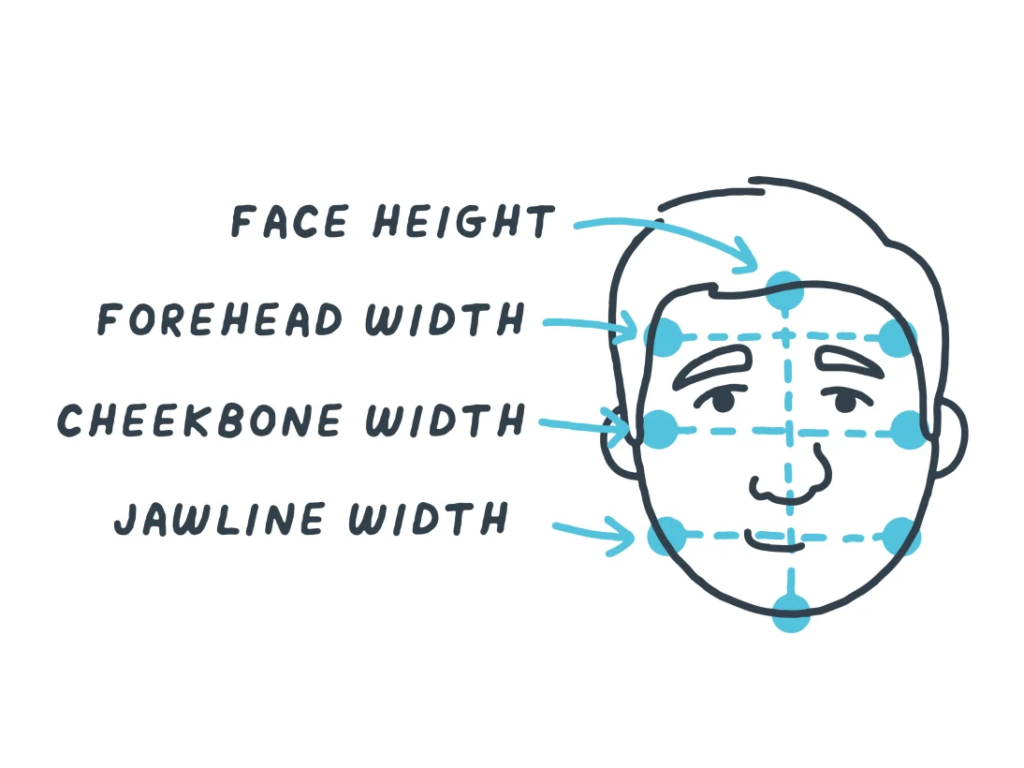
Key Characteristics of a Round Face:
- Symmetry in width and length: The face is nearly as wide as it is long.
- Soft contours: No prominent jawline or angular features; the jaw and forehead are rounded.
- Full cheeks: Often more pronounced than in other face types.
- Smooth lines: Facial transitions are gradual, not sharp.
In aesthetic design, this face type falls under the “curvilinear” category, meaning it is composed mostly of curves rather than straight lines. As such, when designing or selecting glasses for this face shape, the key principle is to create contrast by introducing angular elements to balance and redefine proportions.
What Kind of Glasses Work Best for Round Faces?
From an optical design and facial balance standpoint, the best glasses for round faces are those that introduce verticality, structure, and definition. Let’s explore the most effective frame shapes and why they work.
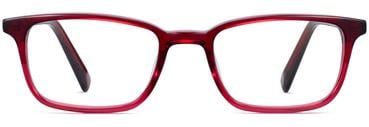
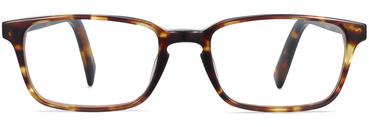
1. Rectangle Glasses: Adding Vertical Emphasis
Professional insight: Rectangle frames work exceptionally well for round faces because their long, horizontal lines visually elongate the face and minimize width. From a design ratio perspective, these frames enhance the vertical axis and narrow the facial appearance.
Best for: Business professionals, academic environments, clean and minimal style aesthetics.
Material tip: Acetate and stainless steel both hold rectangular shapes well, especially when paired with a flat bridge.

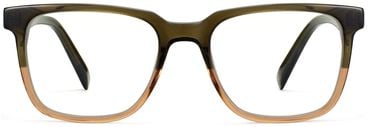
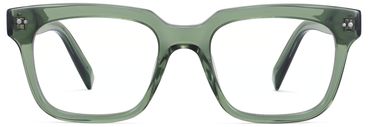
2. Square Glasses: Creating Angular Balance
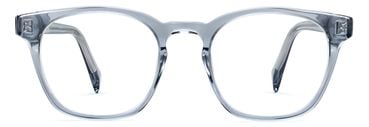
Square glasses provide a bold contrast to round facial features. Their symmetrical geometry offers both width and edge, but their right angles help break up the continuous curves of the face.
Why opticians recommend them:
- Offer excellent visual balance between cheek fullness and forehead width.
- Their equal height and width mimic the symmetry of round faces but add structure.
Best use case: Suited for both formal and creative settings; popular in tech, design, and fashion industries.
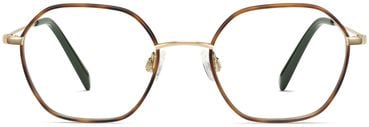
3. Geometric Glasses: Precision Through Asymmetry
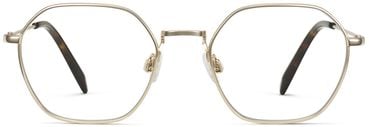
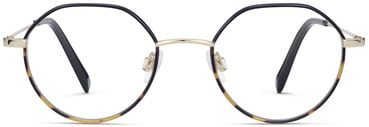
Geometric frames—hexagonal, octagonal, or uniquely faceted—create subtle tension between the organic lines of a round face and the engineered lines of the frame. This intentional asymmetry creates a more dynamic facial appearance and is often favored in editorial fashion or avant-garde styling.
Design principle: Geometric shapes use negative space and unusual angles to reshape the visual perception of the face.
Recommended for: Eyewear brands targeting Gen Z or fashion-forward millennials.
4. Cat-Eye Glasses: Feminine Lift and Brow Highlighting
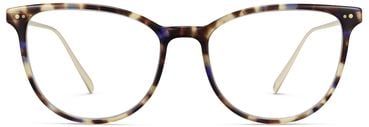
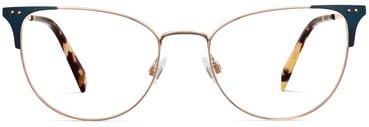
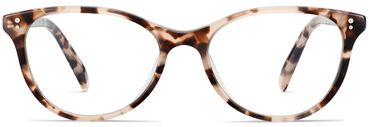
Cat-eye glasses lift the visual center of gravity. The upswept corners pull attention toward the temples and eyebrows, giving the illusion of a longer, more angular face. This is especially helpful for round faces that lack strong brow bones.
Optical design note: These frames elevate the cheek line and shift the balance upward—great for customers who want a more youthful, lifted look.
Ideal demographics: Women over 30, fashion-conscious audiences, vintage-style enthusiasts.
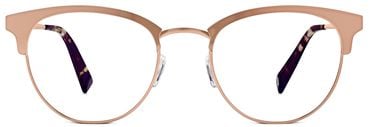
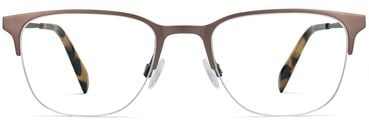
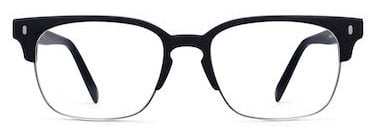
5. Browline Glasses: Upper Face Framing
Browline glasses mimic the natural shape of eyebrows and create a strong horizontal element at the top of the frame. This draws attention to the upper third of the face and adds architectural balance to round shapes.
Aesthetic function: The thick top frame visually widens the brow area and balances full cheeks below.
Common buyer personas: Male customers aged 35+, those seeking a retro or academic appearance.
6. Colorful and Full-Rim Frames: Style Meets Proportion
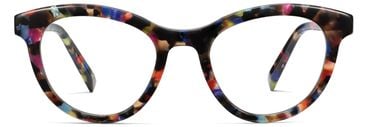
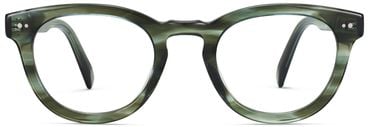
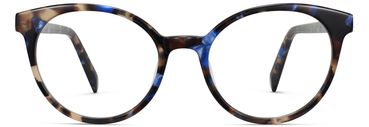
While shape is critical, color and rim thickness should not be overlooked. Full-rim frames in bold colors or contrasting patterns add personality and structure, preventing the frame from visually disappearing into the face.
Tip from eyewear designers: Use color blocking to add focal points to the face. Tortoiseshell, translucent jewel tones, or dual-material frames (e.g., acetate with metal temples) can frame the face beautifully.
Why it works: These details make the face appear more sculpted by creating visual interruption across soft contours.
Styles That May Not Flatter Round Faces (and Why)
While eyewear is subjective and ultimately a form of self-expression, from a design standpoint, some frames may not offer the desired balance for round faces. Here’s why.
1. Round and Oval Frames
These echo the existing shape of the face, which can:
- Emphasize facial fullness
- Lack the contrast needed to define facial zones
2. Frameless or Very Thin Frames
Minimalist frames might disappear against the curves of a round face, offering little to no structure or contouring effect.
3. Small/Narrow Frames
From a facial zoning perspective, small frames can create disproportions, making the face appear larger than it is. They also limit peripheral vision, especially for customers with wider cheekbones.
Gender-Neutral Design Tips for Round Faces
Frame selection should not be confined by gender. In B2B eyewear design and sourcing, it’s smart to consider frames that appeal to face shape first, personality second, and gender last.
Men’s considerations:
- Matte finishes, squared edges, darker neutrals like charcoal or navy.
- Angular bridge designs to emphasize symmetry.
Women’s considerations:
- Slightly upturned silhouettes, lighter tones like rose gold or warm tortoise.
- Decorative temples or transparent colorways for a soft, lifted appearance.
Unisex advice: Offer adjustable nose pads and temple lengths to suit a variety of fit preferences across face shapes.
The Psychology Behind Frame Selection for Round Faces
Eyewear is no longer just a vision correction tool—it’s a core part of personal identity, self-expression, and even social perception. For customers with round face shapes, there are subconscious and emotional drivers that influence which frames they choose and why.
Understanding these psychological preferences allows eyewear retailers and B2B brands to better guide their offerings, refine their marketing language, and ultimately, improve sales performance.
1. The Desire for Sculpted Definition
Round faces naturally have soft contours, full cheeks, and minimal angularity. Customers with this face shape often seek out eyewear that creates:
- A more chiseled jawline
- Enhanced cheekbone definition
- A stronger facial structure
Emotional motivation: They want to feel more “put-together,” confident, and defined. This is especially true for professional settings, formal events, or first impressions.
Strategic product positioning:
Market square or rectangle frames as “sculpting,” “contouring,” or “confidence-boosting.” Use visual before/after comparisons to emphasize the structured impact of angular frames.
2. The Appeal of a Slimming Effect
Because round faces often appear wider or fuller, many customers are drawn to frames that elongate or visually narrow their face. This is especially common among:
- Middle-aged female customers
- Camera-conscious professionals (online meetings, public speaking)
- Individuals concerned with facial weight or symmetry
Emotional motivation: They want to appear more refined, thinner, or balanced in photos or social situations.
Strategic product positioning:
Highlight how rectangular and browline frames “draw the eyes upward,” “create vertical alignment,” or “lengthen facial features.” Avoid language that implies insecurity—instead, focus on words like “refined,” “sleek,” or “modern lines.”
3. The Need for Visual Lift and Energy
Frames with upswept lines—like cat-eye or certain geometric styles—create a lifted look that naturally enhances the cheekbones and eyes. This upward movement is not just aesthetic—it psychologically signals youthfulness and vibrancy.
Emotional motivation: Customers are looking to reclaim energy, appear more alert, or revive tired facial features.
Strategic product positioning:
Describe cat-eye frames as “lifting,” “energizing,” or “youthful by design.” Reinforce the message that these frames don’t just style the face—they elevate it.
4. The Impact of Frame Color and Texture on Emotion
Color psychology plays a big role in how customers feel in their frames. For round faces, where structure is important, bold or contrasting frames often provide a sense of boldness and presence.
- Black or navy = Professional, assertive
- Tortoiseshell = Warm, approachable
- Jewel tones = Confident, expressive
- Matte textures = Understated elegance
- Glossy finishes = High-impact style
Strategic product positioning:
When marketing to customers with round faces, include emotional descriptors linked to color: “Make a bold impression,” “Define your presence,” “Frame your smile with character.”
5. The Power of Identity & Self-Image
Ultimately, customers want to see themselves in their glasses—not just their reflection. For round faces, eyewear becomes a way to redefine the face they’ve always known with subtle changes that feel empowering, fresh, and stylish.
Emotional motivation:
- “I want to feel more like me.”
- “I want people to notice my eyes, not just my cheeks.”
- “I want to look more confident in meetings.”
Strategic takeaway for brands and retailers:
In your product storytelling and sales process, focus on transformation, not correction. Avoid framing facial shape as a flaw. Instead, highlight how the right eyewear can enhance, celebrate, and balance what already makes them unique.
Emotional Marketing = Smart Selling
Understanding the emotional triggers behind frame selection for round faces allows you to move beyond just shapes and styles. You can position products as solutions to unspoken desires—structure, lift, presence, and confidence.
In B2B marketing or eyewear sales strategy, use this psychology to:
- Build highly targeted product collections
- Create emotionally engaging product descriptions
- Train sales reps to recognize psychological buying signals
- Optimize social media content and visual merchandising
Because in the end, people don’t just buy eyewear.
They buy how it makes them feel.
Why Eyewearbeyond is Your Best Partner for Round-Face Glasses
At Eyewearbeyond, we design and manufacture eyewear with facial geometry in mind. Our B2B customers span across eyewear retailers, wholesalers, and independent eyewear brands—all looking to stock styles that sell well and serve real customer needs.
What sets us apart:
- Customizable frame production (size, shape, material, color)
- Five fully operational production lines
- Competitive factory-direct pricing
- Mid- to high-end quality control standards
- Fast lead times and efficient logistics worldwide
We understand that choosing the right eyewear is both a science and an art—and that’s why we treat frame design with the respect it deserves.
If your customers include individuals with round faces, we can help you develop a curated collection of flattering, high-conversion eyewear styles.
Final Thoughts
The best glasses for round faces aren’t just about trends—they’re about geometry, visual strategy, and thoughtful design. Whether it’s sharp angles, bold colors, or a combination of both, your frame selection should balance the face while empowering the wearer.
As an eyewear professional or brand developer, understanding these principles gives you a competitive edge. And as a wearer, it helps you find that perfect pair that doesn’t just sit on your face—it enhances it.
Confidence starts with clarity. And clarity begins with the right frame.