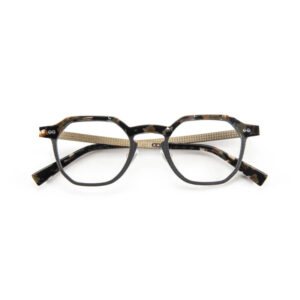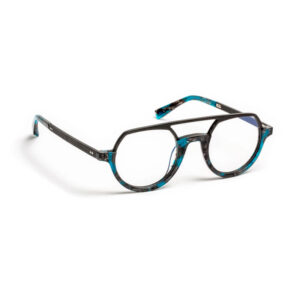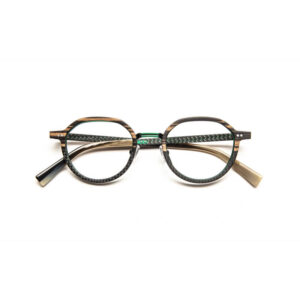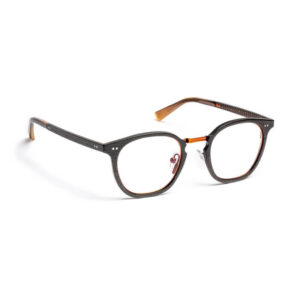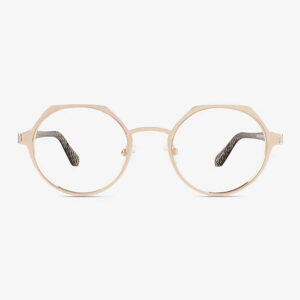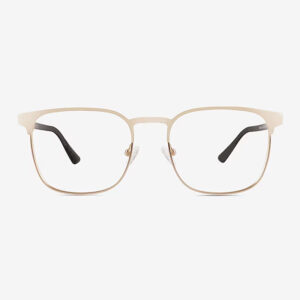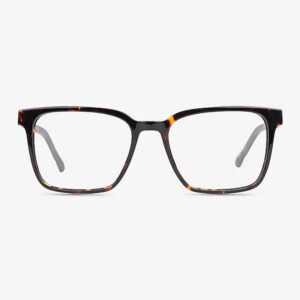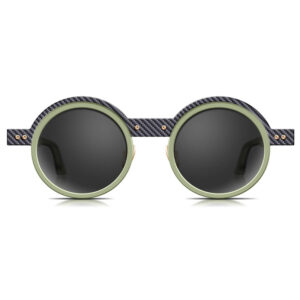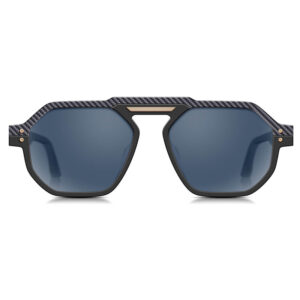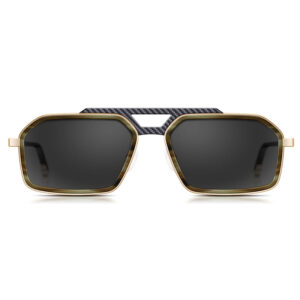
Acetate sunglasses are one of the most widely used categories in the eyewear industry. Known for their rich colors, layered patterns, and premium hand-polished finish, acetate frames are commonly positioned in the mid- to high-end market. From fashion brands to wholesale distributors, many buyers prefer acetate for its balance between aesthetics, durability, and adjustability.
However, acetate sunglasses require careful inspection before shipment. Unlike injection plastic frames, acetate is cut from laminated sheets and shaped through multiple polishing and heating processes. Variations in material quality, lamination stability, hinge installation, or lens fitting can directly affect both appearance and long-term durability.
In wholesale production, even small issues—such as uneven gloss, internal bubbles in the sheet, misaligned temples, or stress marks near the hinges—can lead to customer complaints or return risks. For chain stores and private label brands, batch consistency is especially important, as visual differences between units can impact brand perception.
This guide outlines 18 essential quality checkpoints for inspecting acetate sunglasses before shipment. These inspection points cover material quality, structural accuracy, lens performance, durability testing, and packaging consistency—helping importers and eyewear brands manage risk and maintain product standards.
1. What Makes Acetate Sunglasses Different from Injection or Metal Frames?
Before going into detailed inspection points, it’s important to understand why acetate sunglasses require a slightly different QC approach compared to injection plastic or metal frames.
Acetate frames are made from cellulose acetate sheets, which are laminated, cured, cut, CNC-shaped, tumbled, hand-polished, and heat-adjusted. This multi-step process creates richer visual depth and stronger structural quality — but it also introduces more variables during production.
Unlike injection frames (which are molded in one step), acetate sunglasses rely heavily on:
- Sheet material quality
- Lamination stability
- Polishing precision
- Heat adjustment control
- Manual finishing consistency
This means inspection must cover both material integrity and craftsmanship quality — not just basic alignment and lens installation.
1.1 What Are Acetate (Cellulose Acetate) Sunglasses?
Acetate sunglasses are made from cellulose acetate, a plant-based plastic derived from cotton or wood pulp. Compared to standard injection plastic (such as PC or TR90), acetate is denser, more stable, and capable of producing deeper colors and layered effects.
Key characteristics of acetate sunglasses:
- Cut from sheets, not injection molded
- Rich color layering (including transparent, marble, tortoise, and laminated styles)
- Can be polished to a high-gloss luxury finish
- Adjustable with controlled heat
- Usually heavier and more solid than injection frames
Because acetate is sheet-based, internal quality matters. The sheet itself can contain:
- Micro bubbles
- Impurities
- Uneven lamination layers
- Stress zones
These internal factors may not be visible at first glance but can affect long-term durability. That’s why raw material inspection is just as important as finished product inspection.
1.2 Key Material Characteristics That Affect Quality Control
Understanding how acetate behaves helps buyers know what to inspect.
Lamination Layers
Most acetate sheets are made by layering colored materials together. Poor lamination can result in:
- Delamination (layers separating over time)
- Uneven color density
- Visible glue lines
Heat Sensitivity
Acetate becomes flexible when heated and holds shape when cooled. However, improper heating during shaping or logo insertion may cause:
- Warping
- Internal stress marks
- Whitening near screw holes
Polishing Dependency
Acetate requires multiple polishing steps to achieve smooth edges and glossy surfaces. Insufficient polishing results in:
- Dull finish
- Visible sanding lines
- Sharp inner edges
Embedded Metal Core (Temple Wire)
Most acetate temples contain a metal core wire for reinforcement. If improperly positioned, it may:
- Be visibly off-center
- Create shadow lines
- Lead to rust issues over time
These characteristics explain why acetate sunglasses need a structured QC checklist rather than only visual inspection.
1.3 Common Quality Issues in Low-Grade Acetate Sunglasses
In bulk production, acetate sunglasses can show quality variations if raw materials, processing control, or finishing standards are not strictly managed. Many of these issues may look minor during quick inspection but can lead to customer complaints after retail sale.
Below are some of the most common defects found in lower-grade acetate production:
Internal Bubbles or Impurities
Poor-quality acetate sheets may contain small air bubbles, black dots, or foreign particles. These defects can:
- Weaken the frame structure
- Become more visible after polishing
- Reduce the premium appearance of transparent colors
Delamination (Layer Separation)
If lamination bonding is weak, layers may begin separating over time, especially near:
- Temple edges
- Hinge areas
- Thin rim sections
Delamination is a serious structural defect and usually results from low-grade sheet material or insufficient curing.
Stress Marks Near Hinges
Over-tightened screws or improper drilling can create white stress marks around hinge holes. These marks:
- Reduce visual quality
- Indicate internal stress
- May lead to cracks later
Warping After Heat Exposure
Acetate can deform if heat treatment during shaping was not properly stabilized. Frames may:
- Twist slightly
- Lose alignment
- Rock during table test
This risk increases during container shipping in hot climates.
Poor Polishing and Uneven Gloss
Insufficient polishing leaves:
- Dull patches
- Sanding lines
- Sharp inner edges
In mid- to high-end markets, finishing quality directly affects perceived value.
1.4 Why QC Is Critical for Wholesale Acetate Sunglasses
Acetate sunglasses are widely used in fashion and retail channels. Because production volume is often high, quality consistency becomes especially important.
Here are several reasons structured QC is essential:
High Visual Sensitivity
Acetate frames rely heavily on color, texture, and gloss. Even small visual inconsistencies can impact retail presentation.
Batch Consistency for Chain Stores
Retail chains require uniformity across dozens or hundreds of units. Differences in gloss, hinge tension, or color shade may create problems during shelf display.
Long-Distance Shipping Risks
Heat and humidity changes during shipping can affect acetate stability if not properly processed.
Brand Protection
For private label brands, product consistency builds long-term trust. A clear QC checklist reduces defect rates and improves reorder reliability.
2. 18 Must-Check Quality Points for Acetate Sunglasses
We now move into the detailed inspection checklist. These checkpoints are suitable for:
- Factory audits
- Mid-production inspections
- Pre-shipment inspections
- Third-party QC verification
Let’s begin with material and appearance.
2.1 Acetate Sheet Quality
The quality of the acetate sheet determines the foundation of the frame.
What to inspect:
- No visible internal bubbles under strong light
- No black dots or foreign particles
- Even lamination layers without separation lines
- Uniform material density
Tip: Inspect frames from different cartons to detect sheet batch variation.
2.2 Color and Pattern Consistency
Acetate is often chosen for its rich color patterns. However, inconsistency within pairs or across batches can create problems.
Check for:
- Left and right temple match
- Frame front color uniformity
- No unexpected shade deviation within the same order
- Proper alignment of laminated patterns
For large wholesale orders, defining acceptable tone groups in advance helps reduce disputes.
2.3 Surface Gloss and Polishing Quality
Polishing is one of the most important processes in acetate frame production. A well-polished frame should have a deep, even gloss that enhances the color and pattern of the material.
What to inspect:
- Gloss level is uniform across front and temples
- No dull patches or cloudy areas
- No visible sanding lines under strong light
- No polishing compound residue in corners or hinge areas
Pay special attention to edges, bridge curves, and temple tips, where polishing inconsistency is more common.
2.4 Edge Finishing and Comfort Areas
Since acetate frames are thicker than injection plastic, proper edge finishing is critical for comfort and appearance.
Inspection checklist:
- Inner temple edges are smoothly rounded
- Nose bridge contact area is smooth and even
- No sharp corners or rough spots
- No micro-cracks along cut edges
Run your finger slowly along the inside of the frame. In mid- to high-end products, edges should feel refined and comfortable.
2.5 Frame Alignment and Symmetry
Alignment directly affects wearing comfort and lens positioning. Even slight twisting may become noticeable in retail use.
Inspection methods:
- Table test: frame sits flat without rocking
- Top-view symmetry check: no visible twisting
- Folded temples align evenly
- Both temples open to the same angle
Misalignment may result from uneven heating during shaping or insufficient stabilization after polishing.
2.6 Thickness Uniformity
Acetate thickness impacts both strength and visual balance. Inconsistent thickness can create weak points or uneven aesthetics.
What to check:
- Measure hinge area thickness
- Measure bridge and rim corner thickness
- Compare left and right temple thickness
- Ensure smooth thickness transitions
Over-thin areas near hinge screws increase crack risk, especially in larger frame designs.
2.7 Hinge Installation Quality
Hinges are high-stress components and must be installed precisely.
Inspection points:
- Screws are tight but not over-torqued
- No whitening or stress marks around hinge holes
- Hinge sits flush with frame surface
- Opening and closing action is smooth and balanced
For higher durability, confirm whether hinges are reinforced or use stainless steel components.
2.8 Temple Core Wire Position (Metal Core Inside Temple)
Most acetate temples contain an embedded metal core wire for reinforcement. Poor core positioning can affect both durability and appearance.
What to inspect:
- Core wire is centered inside temple (not too close to surface)
- No visible shadow line or uneven metal outline
- No rust marks or corrosion signs
- Temple remains straight without internal bending
If core wire is misaligned, it may weaken structure and create long-term cracking risk.
2.9 Lens Fitting Precision
Even if the acetate frame looks perfect, poor lens fitting can immediately downgrade the product. Lenses should sit securely and evenly without stress.
What to inspect:
- Lens sits flush with the frame, no visible gaps along the rim
- No lens “rattle” when lightly shaken
- Groove depth is consistent around the full lens area
- No stress whitening or deformation on the acetate rim from forced installation
Pay attention to corners and the bridge area, where fitting errors are more common.
2.10 UV Protection Verification (UV400 / Required Standard)
UV protection is a core functional requirement for sunglasses. Dark lenses do not automatically mean adequate UV protection, so verification matters.
Inspection checklist:
- Confirm UV rating requirement (UV400 or buyer-specified standard)
- Request UV test reports when selling into regulated markets
- If possible, use a portable UV tester on-site for random samples
- Ensure labeling/packaging UV claims match actual test results
For wholesale and chain-store programs, keeping UV documentation aligned with the shipped batch reduces compliance risk.
2.11 Polarization Accuracy (If Applicable)
For polarized acetate sunglasses, correct polarization performance is a major selling point. Poor polarization leads to complaints about glare and distorted vision.
What to check:
- Use a polarization test card or screen test to confirm polarization is present
- Check both lenses for consistent polarization direction
- Look for uneven polarization zones or rainbow-like patches
- Confirm there is no strong distortion when looking through the lens at different angles
If polarization is a key feature in your marketing, it’s recommended to define polarization tolerance clearly in the order specs.
2.12 Lens Surface Quality and Coating Condition
Lens surface defects are among the top reasons for retail returns because customers notice them immediately under light.
Inspection points:
- No scratches, scuffs, or swirl marks under strong light
- No coating peeling, pinholes, or edge chipping
- Mirror or AR coating (if used) is even, no color spots
- Lens tint is consistent between left and right lens
Also check lens edge finishing: rough edges can indicate low lens quality or poor edging control.
2.13 Heat Resistance and Shape Stability
Acetate can be adjusted with heat, but poorly stabilized frames may warp during shipping or storage (especially in hot containers).
What to inspect:
- After mild heat exposure (or warm room simulation), frame front remains straight and aligned
- Temples do not twist or curve unexpectedly
- No visible warping around the bridge or rims
- Lens fit remains stable (no gaps appear after temperature change)
For buyers shipping to hot regions or using sea freight, this checkpoint is especially important.
2.14 Screw Torque and Hinge Fatigue (Open/Close Durability)
Even if hinges feel fine during quick checks, they may loosen after repeated use. A simple fatigue check can reduce return risk.
Inspection steps:
- Open and close temples 30–100 cycles on sample units
- Confirm screws do not loosen or back out
- Check hinge action remains smooth (no grinding sound, no sudden looseness)
- Re-check alignment after cycling (temples should stay symmetrical)
If frequent loosening is found, consider adding thread-locking solutions or adjusting hinge assembly torque standards.
2.15 Frame Tension Balance (Left/Right Consistency)
Balanced tension affects wearing comfort and helps the sunglasses sit evenly on the face.
What to inspect:
- Left and right temples should have similar resistance when opening
- Temples should not feel “tight on one side, loose on the other”
- Frame should not squeeze unevenly when worn on a standard headform
- No creaking noise caused by stress in the hinge area
Uneven tension often comes from inconsistent hinge installation or temple shaping.
2.16 Logo Print / Engraving / Hot-Stamp Quality
Branding is part of perceived value, especially for chain stores and private label orders.
Check for:
- Correct logo position, font, size, and alignment
- Clear edges (no blur, no over-burn for laser engraving)
- Hot-stamp/foil logos are even and not peeling
- Rub test: light friction should not remove the mark easily
If branding consistency is critical, approve a physical master sample before mass production.
2.17 Weight and Specification Tolerance
Acetate frames can vary if thickness or core wire position changes. Keeping specs consistent helps with retail expectations and future reorders.
What to inspect:
- Measure frame size (lens width / bridge / temple length) and compare with spec sheet
- Weight within an agreed tolerance compared to approved sample
- Visual proportion consistency (no “thicker than sample” or “thinner than sample” surprise)
For chain stores, keeping size and fit stable across batches is often more important than minor aesthetic differences.
2.18 Packaging and Batch Consistency (Wholesale Readiness)
Packaging protects the product and prevents avoidable damage. Batch consistency ensures retail presentation is uniform.
Inspection checklist:
- Each unit has adequate protection (polybag + pouch + lens film if required)
- No friction between frames in the same carton
- Inner box and outer carton strength is sufficient for transit
- Carton labels correct: SKU, color, quantity, barcode (if applicable)
- Random sampling across cartons shows consistent gloss, color tone, hinge feel, and lens quality
For large multi-color orders, clear carton separation and labeling reduces warehouse errors.
1) One-Page Printable QC Checklist (Acetate Sunglasses)
Document Info
- Brand/Client: _____________________ Model/SKU: _____________________
- Order Qty: ________________________ Color: _________________________
- Inspection Stage: ☐ PPI ☐ DPI ☐ PSI Sampling: ☐ AQL ___ ☐ 100% appearance
- Inspector: ________________________ Date: __________________________
A. Material & Appearance
- 2.1 Acetate sheet: no bubbles/black dots/impurities; lamination stable
- 2.2 Color/pattern: L/R temples match; front tone consistent; no batch shade drift
- 2.3 Polishing: even gloss; no sanding lines; no residue in corners
- 2.4 Edge finishing: smooth inner edges; no sharp points; comfort areas clean
B. Structure & Assembly
- 2.5 Alignment: table test no rocking; top view no twist; folded temples aligned
- 2.6 Thickness: hinge/bridge/corners consistent; no weak thin zones
- 2.7 Hinges: screws secure; no stress whitening; smooth open/close
- 2.8 Core wire: centered; no shadow line; no rust; temples straight
C. Lens & Performance
- 2.9 Lens fit: no gaps; no rattle; groove consistent; no rim stress marks
- 2.10 UV: UV400/spec verified; report matches labeling; random test pass
- 2.11 Polarized (if applicable): both lenses consistent; no rainbow/distortion
- 2.12 Lens surface: no scratches; coating even; tint matches L/R
D. Durability & Stability
- 2.13 Heat stability: no warping after warm exposure; lens fit unchanged
- 2.14 Hinge fatigue: 30–100 cycles; screws not loosening; action stable
- 2.15 Tension balance: L/R resistance consistent; no creaking/stress feel
E. Branding & Packing
- 2.16 Logo: position/font correct; clear; rub test OK; no peeling
- 2.17 Specs: size & weight within tolerance vs approved sample/spec sheet
- 2.18 Packaging: individual protection; carton labeling correct; batch consistency across cartons
Result: ☐ PASS ☐ FAIL ☐ HOLD/REWORK
Notes / Defects / Photos:
2) AQL Defect Classification Template (Critical / Major / Minor)
AQL Setup (fill in)
- Standard: ☐ ISO 2859-1 ☐ Other: __________
- AQL Level: Critical 0 / Major ____ / Minor ____
- Sample Size Code Letter: ______ Sample Qty: ______
Defect Definitions (recommended)
Critical Defects (0 tolerance)
Any defect that may cause safety risk, legal/compliance risk, or makes product unsellable.
- UV claim mismatch vs testing / report fraud suspicion
- Sharp edges that can cut skin
- Lens cracking/chipping that could injure user
- Severe frame crack/break on arrival
- Wrong SKU/model/labeling causing compliance risk
Major Defects (functional failure / obvious appearance)
Defects visible to consumers or affecting function; likely returns/complaints.
- Frame warped / fails alignment table test badly
- Lens loose, rattling, or obvious gaps
- Hinge very loose/stiff; uneven L/R tension
- Obvious polishing defects: heavy sanding lines, dull patches
- Color mismatch in same pair (L/R temples noticeably different)
- Stress whitening/cracks near hinge holes
- UV400 not meeting requirement (if verified)
Minor Defects (small cosmetics, does not affect function)
Acceptable only within AQL limit, depends on brand positioning.
- Very small dust inside packaging (not on lens)
- Tiny surface specks not visible at 30–40cm distance
- Slight logo alignment deviation within agreed tolerance
- Minor micro-scratch that can be polished (if rework possible)
AQL Inspection Record Sheet (per SKU)
SKU/Color: ____________________ Carton Range: ____________________
Sample Qty: ______ Checked Qty: ______
Critical Defects (C=0)
- UV/labeling compliance failure
- Safety sharp edge / injury risk
- Broken/cracked frame or lens
Count Critical: ______ Result: ☐ PASS ☐ FAIL
Major Defects
- Alignment/warping
- Hinge function (too loose/stiff, uneven)
- Lens fit (gap/rattle/stress marks)
- Surface finish (dull/sanding lines/residue)
- Color mismatch (pair/batch)
- Stress whitening / hinge area cracks
Count Major: ______ AQL Limit: ______ Result: ☐ PASS ☐ FAIL
Minor Defects
- Small cosmetic mark (within distance standard)
- Minor logo imperfection
- Packaging minor issue
Count Minor: ______ AQL Limit: ______ Result: ☐ PASS ☐ FAIL
Overall Result: ☐ PASS ☐ FAIL ☐ HOLD for sorting/rework
Photo IDs / Notes:
- ______________________ 2) ______________________ 3) ______________________
Conclusion: A Structured QC System Protects Your Acetate Sunglasses Business
Acetate sunglasses remain one of the most popular categories in the eyewear industry because of their rich colors, premium finish, and strong structural performance. However, their multi-step production process — from sheet selection and lamination to polishing, hinge installation, and lens fitting — introduces multiple quality control variables.
As outlined in the 18-point checklist, effective inspection should cover five core areas:
- Material Integrity – acetate sheet quality, lamination stability, color consistency
- Finishing & Appearance – polishing level, edge smoothness, cosmetic refinement
- Structural Accuracy – alignment, thickness control, hinge installation, core wire positioning
- Lens Performance – fitting precision, UV compliance, polarization accuracy, surface condition
- Durability & Batch Consistency – heat stability, hinge fatigue, packaging protection, cross-carton uniformity
For wholesale buyers, distributors, and private label brands, the key is not just finding defects — but preventing them through:
- Clear specification sheets
- Approved master samples
- Defined tolerance standards
- AQL-based inspection planning
- Consistent documentation of each production batch
When quality expectations are aligned early and inspections are structured properly, acetate sunglasses can deliver strong retail performance with lower return rates and better reorder reliability.
A well-managed QC process is not simply about passing inspection — it is about protecting your brand reputation and ensuring long-term cooperation with your manufacturing partner.