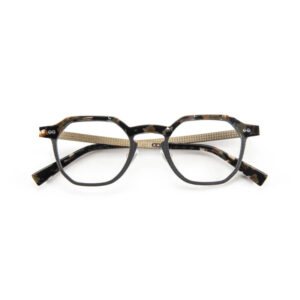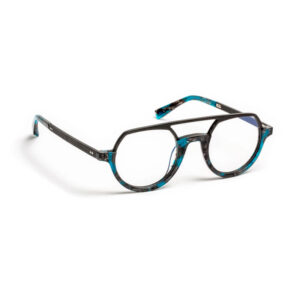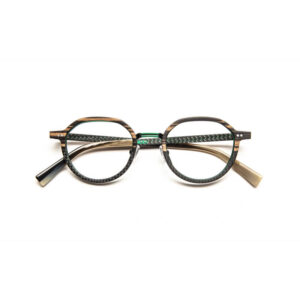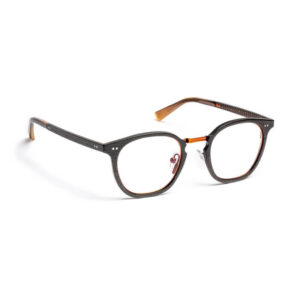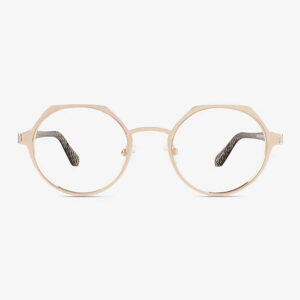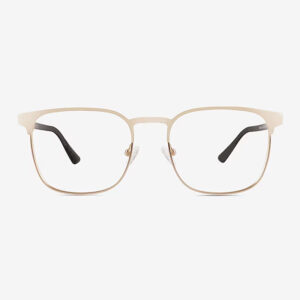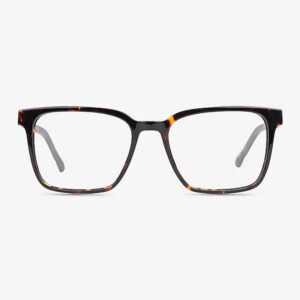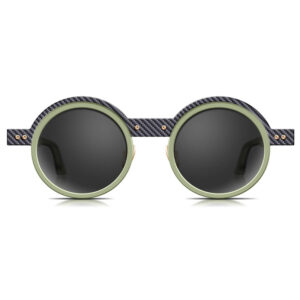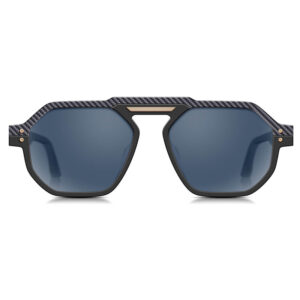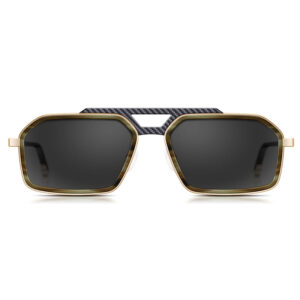
Horn sunglasses look “luxury” for a reason: every piece has a natural grain you can’t fake, the polish feels warm in hand, and the final product stands out immediately in a display case. But if you’ve ever tried to develop a horn frame, you probably learned the hard way that it’s not like acetate—horn can crack during cutting, warp if it isn’t stabilized, and a hinge slot that’s off by a tiny bit can ruin the whole opening feel.
At Eyewearbeyond, we work with B2B buyers—wholesalers, eyewear store owners, and independent brands—who want horn sunglasses that don’t just look amazing in a sample, but stay consistent in bulk orders. In this guide, we’ll walk through the real factory workflow: how horn is graded and prepared, how designs are turned into production-ready structures, how CNC cutting and finishing are controlled, and what QC checks protect your margins and your brand reputation.
Understanding horn sunglasses manufacturing
Horn sunglasses are one of those products that look simple—just a frame and lenses—but the manufacturing reality is very different. Unlike acetate or injected plastics, cow horn is a natural material, which means every sheet has its own grain, color tone, density, and hidden weak points. That natural variation is exactly what makes horn frames feel high-end, but it also means production needs tighter control to stay consistent from sample to bulk.
Understanding Horn Eyewear Manufacturing
At the factory level, horn sunglasses manufacturing is basically a controlled journey from raw horn → stabilized horn sheet → precision-shaped frame parts → polished, assembled sunglasses. The key idea is that horn can’t be treated like a “normal” material. Heat, humidity, and machining pressure all affect it—so a good process isn’t just about shaping, it’s about stability management.
Brief overview & characteristics of horn frames
- Unique natural grain and color variation
Every horn piece is different. For bulk orders, you need practical rules (for example: light/medium/dark color families, and whether left-right grain needs strict matching or “natural random” is acceptable). Without these rules, the second production batch can look totally different from the first. - High-end look and warm tactile feel
When horn is polished properly, it doesn’t feel “plastic.” It has a smooth, warm touch and a depth in the grain that instantly signals premium—especially in thicker frame styles. - Precision machining requirements (CNC/slotting)
Horn frames depend on accurate lens grooves, hinge slots, and symmetry. Small errors are very noticeable: lenses may sit with gaps, temples may open unevenly, or the frame may feel “tight then loose” when opening and closing. - Stability needs (humidity/heat control and conditioning)
Horn can warp or develop micro-cracks if it isn’t dried, stabilized, and conditioned correctly. That’s why horn production often includes controlled resting time and conditioning steps—this is what helps your bulk orders hold their shape during shipping, storage, and real-world wear.
If you’re building a horn sunglasses line with Eyewearbeyond, the most important mindset is this: horn is a premium material, but only becomes a reliable product when the workflow is standardized.
Designing the perfect horn sunglasses
Design is where most brands get excited—new shapes, cool silhouettes, “luxury vibes.” But with horn sunglasses, you can’t design like it’s acetate and hope the factory will “figure it out.” Horn is less forgiving. If the frame is too thin in the wrong area, it chips. If the hinge position is slightly off, the temples won’t open smoothly. If you don’t think about weight balance, the frame will slide down or pinch the head. So the real goal of design is simple: make it look premium, feel comfortable, and still be easy to produce again and again.
Steps on designing horn sunglasses
1) Setting your vision
Start with the basics—who is this for, and what are they paying for?
- Target customer: boutique luxury buyers, vintage-style customers, private label wholesalers, or gift buyers.
- Brand vibe: clean and minimal (subtle grain, smooth lines) or bold and statement (thicker rims, strong grain, metal accents).
- Wear experience: do you want a “light everyday pair” or a “heavier premium feel”? Horn can go both ways, but you need to decide early.
2) Finding inspiration
Don’t just collect photos—collect useful references.
- Look at real products: check premium horn, metal-horn combos, and high-end acetate frames to see what structures actually last.
- Study the details: hinge style, temple thickness, nose area shape, and how the lens sits in the groove.
- Collect grain/color samples (if possible): because horn isn’t one color. You need to know if your line is “light horn,” “dark horn,” or “mixed natural.”
3) Designing your masterpiece
This is where you turn ideas into something a factory can build without drama.
- Use proven templates first (recommended): if it’s your first horn project, start from a classic shape and add your brand’s twist. This saves time and reduces risk.
- Customize the parts that matter: frame thickness, bridge geometry, temple shape, and branding placement (engraving, logo plate, rivets).
- If designing from scratch: prepare clean 2D specs (and 3D if you have it), plus a size chart and tolerance targets. Horn needs clarity—vague specs usually mean inconsistent bulk.
4) Bringing designs to life
A horn sample is not just “does it look good?” It’s also “can we repeat it?”
- Choose a partner who truly knows horn: stabilizing, CNC cutting, slotting, polishing, and assembly must all be familiar territory.
- Sample like a professional: prototype → fitting sample → PPS (pre-production sample). Each step should lock one thing down: structure, fit, then bulk standards.
- Agree on what “acceptable variation” means: because horn is natural. If you don’t define it, you’ll argue about it later.
Types of horn sunglasses
Horn sunglasses aren’t “one style fits all.” The structure you pick will decide your cost, stability, and how easy it is to scale from “nice sample” to “consistent bulk.” Here are the main options—straightforward and practical.
- Full Horn Frame Sunglasses
This is the “wow” option. The whole frame is horn, so the texture and shine feel very premium.
- Best for: luxury boutique lines, limited editions, high-price positioning
- Reality check: hardest to control. Horn varies by piece, and if the stabilization and machining aren’t perfect, you’ll see more rejects (cracks, warping, uneven grain matching).
- What to decide early: thicker vs slimmer look, and whether you want strict left-right grain matching.
- Horn + Metal Combination Sunglasses
Think of this as “premium look + better structure.” Metal parts help stability, and the frame generally feels more solid in daily wear.
- Best for: business-luxury styles, brands that want durability and cleaner lines
- Reality check: more parts = more assembly accuracy needed. Hinge alignment and joining quality matter a lot.
- Why buyers like it: it’s easier to keep consistent across bulk orders than full horn.
- Horn Inlay / Laminated Horn Sunglasses
This is a smart way to keep the horn look while making production more stable. You get horn texture on the surface, but the base structure is easier to control.
- Best for: scaling a collection, multiple SKUs, brands balancing premium look and cost control
- Reality check: bonding/lamination has to be strong. If the process isn’t right, you risk delamination (layers separating).
- Big advantage: usually higher yield and easier batch consistency.
- Horn Temples Only (Mixed Front)
If you want to enter the horn category fast without taking on full horn risk, start here. The front can be acetate or metal, and the temples are horn.
- Best for: first-time horn projects, faster development, stable bulk
- Reality check: you still need good hinge work and matching, but it’s simpler than full horn.
- Why it’s popular: easier to scale, less material risk, still gives customers that “horn feel” in hand.
- Bespoke / Made-to-Order Horn Sunglasses
This is the “custom shop” lane—grain matching, personalized engraving, limited numbering, special requests.
- Best for: luxury brands, VIP clients, limited runs, storytelling collections
- Reality check: lead time is longer, and raw material planning is harder because customers may want specific colors or grain.
- Key point: you need clear rules for what’s possible so production doesn’t get stuck.
If you tell me your target price level and whether you want fast scaling or maximum luxury, I can suggest which type is the best starting point for Eyewearbeyond’s blog audience—but the section above already matches the outline and keeps it practical.
Anatomy of product
Horn sunglasses look clean and simple on the outside, but the “expensive feel” comes from a bunch of small parts working together. One tiny change—like moving the hinge position or changing the groove depth—can affect comfort, durability, and even how many pieces pass QC. So before you jump into bulk, it helps to understand what parts actually matter.
Parts of horn sunglasses
- Why parts matter (costs, manufacturing, durability & fit)
More parts, tighter tolerances, and more hand-finishing usually mean higher cost—but also a more premium product if it’s done right.
Anatomy of horn sunglasses
- Small structure changes impact comfort, alignment, and yield
Horn is less forgiving than acetate. If an area is too thin, it chips. If the lens groove is off, you get gaps or stress. If the hinge slot isn’t clean, the temples feel rough or uneven.
Key parts
- Front / Rim
- This is the “face” of the sunglasses—what customers notice first.
- Thickness matters: thicker looks more premium, but adds weight and needs better polishing.
- Lens opening accuracy: if the shape is slightly off, lenses won’t sit cleanly and you’ll see gaps.
- Bridge / Nose Area
- This controls comfort more than most people expect.
- Integrated horn bridge: looks high-end and clean, but fit has to be right or it’ll hurt the nose.
- Adjustable nose pads (metal): easier to fit different noses, but adds hardware and assembly steps.
- Temples
- Temples decide whether the frame feels “secure” or “annoying.”
- Temple thickness and shape: affects comfort behind the ear and overall balance.
- Tension consistency: too tight = headaches, too loose = sliding.
- Hinges
- This is where “premium feel” is won or lost.
- Standard hinge vs spring hinge: spring hinges feel comfortable but are more complex.
- Slot accuracy: if the hinge isn’t seated perfectly, opening feels stiff, loose, or uneven.
- Lens Groove
- The groove is the channel that holds the lens.
- Groove depth/width: controls how tight the lens fits and whether it creates stress.
- If the groove is wrong, you’ll see lens gaps, stress marks, or even cracking during mounting.
- Variations affect manufacturing time/materials
Example: a spring hinge + metal core structure needs more slotting, more assembly control, and more QC than a standard hinge without a core—so it costs more and takes longer, but can also be more stable when done correctly.
Choosing quality materials
Horn sunglasses live or die on materials. If the horn grade is inconsistent, you’ll fight color mismatch and cracking. If the hardware is cheap, screws loosen and hinges feel rough. If lenses aren’t matched to the groove and structure, you’ll get gaps, stress marks, or scratches during mounting. So this section is about picking materials that make bulk production predictable.
- Choosing Quality Materials for Horn Sunglasses
- Source: Factory Process
- Horn is natural: must grade and stabilize
- Choose hardware and lenses for durability (sweat/corrosion/UV)
Popular material options
- Horn Material Grades
- Different color ranges and grain patterns
Horn naturally varies. In real production, you usually define a “color family” (light / medium / dark) so the bulk order looks like one collection, not five different ones. - Defect screening (cracks/holes/layering)
Some horn looks great on the surface but has weak spots inside. Good grading removes pieces with hidden cracks, holes, or layered sections that can split during machining or later wear.
- Hardware (Hinges & Screws)
- Corrosion resistance and fatigue life
Sunglasses deal with sweat, sun, and sometimes saltwater. Hardware needs to resist rust and repeated opening/closing without getting loose. - Torque consistency and anti-loosening
Even if the hinge is good, a weak screw setup will cause complaints later: temples loosen, alignment shifts, and the frame feels “cheap.”
- Metal Core (Optional)
- Improves temple stability
A metal core helps the temple hold shape and reduces deformation risk over time. - Adds slotting and bonding steps
More steps = more cost and more things to control. If the core slot or bonding is off, it can cause weak points or uneven tension.
- Lens Options
- UV400 baseline
This is the basic expectation for sunglasses. - Polarized upgrade for premium positioning
Polarized lenses are a common upsell for brands targeting higher price points. - Material choice depends on positioning (luxury bespoke vs scalable wholesale)
If you’re doing small luxury runs, you might accept stricter grain matching and more handwork. If you’re aiming for wholesale scaling, you’ll want a structure and horn grade system that keeps batches consistent with fewer surprises.
If you want, I’ll continue next with: Pattern-making and cutting for horn sunglasses (Horn Frame Cutting Blueprint + approaches).
Pattern-making and cutting for horn sunglasses
Horn sunglasses don’t start as “frames”—they start as a cutting blueprint. This is the part many new brands underestimate. With horn, you can’t just “cut it like plastic” because grain direction, thickness, and hidden defects all affect the final result. A good blueprint and cutting plan is what turns natural horn into something you can actually repeat in bulk.
- Horn Frame Cutting Blueprint
- Source: Factory Process
- Cutting maps = blueprints (front/temples + CNC toolpaths)
Approaches
- Use proven shape templates
The fastest and safest route—especially for first-time horn projects. Templates already have workable geometry, so you’re not fighting basic fit and structure issues from day one. - Customize structure thickness and geometry
This is where you make the design “yours”: thicker rim for a luxury feel, a sharper bridge line, a wider temple, or a more sculpted end tip. Just remember: every extra contour needs more machining and polishing time. - Build new design with 2D/3D files
If you want a truly unique design, you’ll need clear specs. For horn projects, clean 2D drawings + key tolerances are often more important than fancy renders—because production needs numbers, not vibes. - Fit accuracy and symmetry are crucial
Horn shows mistakes quickly. If left-right symmetry is off, customers feel it. If the lens groove path is inconsistent, you’ll see gaps. If the hinge slot is slightly misaligned, temples won’t open smoothly. That’s why the cutting blueprint should lock down geometry before you even talk about polishing.
Next section in the outline: Pattern making and cutting for horn sunglasses (how to with samples)—I’ll write it in the same style and structure.
Pattern making and cutting for horn sunglasses (how to with samples)
Horn projects are best handled with samples because horn behaves differently depending on the structure you choose. A full horn frame needs more stabilization and careful machining. A horn + metal combination needs tighter assembly alignment. So in sampling, you’re not only checking “does it look good,” you’re checking “can we cut it cleanly and repeat it.”
- Differences by horn sunglasses structure
Full horn frame
- Material grading and grain matching before cutting
First, horn sheets are sorted by color family and grain style so the final pair doesn’t look mismatched. - Rough cutting → CNC shaping → groove/hinge slotting
Rough cut sets the basic shape, then CNC refines the outline, lens opening, groove, and hinge slots with precision. - Heat forming → polishing → assembly
After shaping, the frame is heat-formed for wrap and fit, then polished, then assembled with hardware and lenses. - Source: Factory Sampling Notes
Horn + metal combination
- Horn parts cut and shaped
Horn components are cut to match the design thickness and contours. - Metal components prepared and aligned
Metal fronts, bridges, or temples are prepared separately so the join points are accurate. - Assembly requires precise hinge positioning
The “feel” depends heavily on alignment—if hinge position is off, the whole product feels wrong even if it looks fine. - Source: Factory Sampling Notes
Next section in the outline: Cutting and assembly in horn sunglasses manufacturing (Finalize design + confirm quantities, Cutting with Precision, Assembling it All Together, Working with a Manufacturer).
Cutting and assembly in horn sunglasses manufacturing
Once your sample is approved, this is where the project becomes “real production.” The goal here is simple: make every piece consistent, not just the first one. That means locking the horn grade, confirming quantities by color family, and running a cutting + assembly workflow that avoids cracks, gaps, and loose hinges.
- Horn Cutting & Assembly
- Source: Factory Process
- Finalize design + confirm quantities by color/grade/size
Cutting with Precision
- Horn sheets selected and matched
Horn is sorted first—by color range and grain rules—so bulk orders don’t look random in a bad way. - Rough cut then CNC for consistency
Rough cutting gets the basic shape, CNC brings it to exact size: frame outline, lens opening, lens groove, and hinge slots. - Control heat to reduce cracking
Heat is a common enemy in horn machining. Controlling tool parameters and process rhythm helps reduce chipping and micro-cracks.
Assembling it All Together
- Install hinges and screws
Hinge placement and screw torque affect the open-close feel immediately. - Insert cores (if applicable)
If your design uses a metal core, this step adds stability—but also needs careful slotting and bonding control. - Mount lenses and check alignment
Lens mounting is not just “put it in.” You need to check lens gaps, stress marks, and surface scratches.
Working with a Manufacturer
- Minimum order quantities (MOQs) vary by structure
Full horn, laminated horn, and horn-metal combos often have different MOQs because the process time and yield differ. - Confirm MOQs and yield expectations before bulk
In horn projects, yield matters. Discuss expected reject rates and how QC will be handled before you finalize the PO.
Next section in the outline: How to cut horn materials for sunglasses (Importance + simplified breakdown).
How to cut horn materials for sunglasses
Cutting is where horn projects either stay on track—or start bleeding time and money. One wrong parameter can cause cracking, and a bad layout can waste expensive material fast. So this step is all about accuracy + control, not speed.
- Importance of cutting accuracy (cracks, waste, delays)
Horn isn’t forgiving. If you cut poorly, you don’t just get one bad part—you can lose a whole section of usable horn, delay production, and create inconsistency across the batch.
Simplified breakdown
- Matching & Layout Planning
Before cutting, horn sheets are sorted and planned:- Sort by color/grain so the batch looks consistent (light/medium/dark families).
- Plan left-right pairing so temples and frame sides don’t look mismatched.
- Set matching rules (natural random vs symmetry) so everyone is judging quality the same way.
- Rough Cutting
- Pre-shape parts with safe margins to avoid edge chipping.
- Keep enough allowance for CNC refinement and polishing.
- CNC Cutting with Confidence
- CNC follows toolpaths to shape the front, temples, lens openings, grooves, and hinge slots.
- Parameter control matters: feed/speed and tool sharpness reduce heat buildup and cracking risk.
- Different cutting methods for speed/accuracy
In horn manufacturing, the goal is usually repeatable accuracy over raw speed—because consistency is what protects bulk quality.
Next section in the outline: Different types of joints and connections in horn sunglasses (Connections = structural methods + types).
Different types of joints and connections in horn sunglasses
In garments, seams hold everything together. In horn sunglasses, it’s the connections—hinges, bonding, core insertion, and screw control—that decide whether the frame feels solid or “cheap.” A horn frame can look perfect on the table, but if the connections aren’t right, customers will feel it the moment they open the temples or wear it for an hour.
- Connections = structural joining methods; essential for durability & comfort
Types of connections for horn sunglasses
- Hinge Slot Connection
- The hinge sits inside a slot cut into the horn. If this slot is slightly off, the result is obvious:
- temples open unevenly
- stiffness on one side, loose on the other
- alignment issues after short-term use
- Source: Factory QC
- Laminated/Inlay Bonding
- For laminated horn or horn inlay structures, bonding strength is everything.
- If bonding isn’t stable, you can get:
- edge lifting
- visible separation lines
- delamination after heat/humidity exposure
- Source: Factory QC
- Core Insertion Connection
- Some designs insert a metal core into the temple to improve stability.
- It works—but only if slotting and fixing are accurate. Otherwise, you may see:
- uneven temple tension
- weak points near the slot
- long-term deformation
- Source: Factory QC
- Screw Fixing & Torque Control
- Screws and torque are small details that create a big difference in “premium feel.”
- Without torque standards and anti-loosening control, you risk:
- screws backing out
- temples getting loose
- noisy or rough opening feel
- Source: Factory QC
Next section in the outline: Measurement points for horn sunglasses (standard sizing + optional fit parameter).
Measurement points for horn sunglasses
Sizing in eyewear looks simple—until you start getting returns because the frame feels “too tight,” “slides down,” or “doesn’t sit right.” With horn sunglasses, measurement control matters even more because small geometry differences can change comfort and hinge feel. That’s why you want a clear measurement set from the beginning.
- Measurement Points for Horn Sunglasses
- Need accurate sizing across face shapes
- Measurement points may vary by style
Measurement points for horn sunglasses
- Lens Width
- The width of each lens area. Impacts overall face coverage and style proportion.
- Bridge Width
- The distance over the nose. Too small = pinching; too big = sliding.
- Temple Length
- How far the temples reach behind the ear. A key comfort point for long wear.
- Lens Height
- The vertical height of the lens. Impacts look (fashion vs classic) and coverage.
- Frame Width
- Overall front width. This is closely tied to whether the frame feels tight or relaxed.
- Wrap / Face Form (optional fit parameter)
- The curve of the front. More wrap can look sporty and block light better, but can also feel tight if not designed correctly.
The art of branding and marking
Horn sunglasses already look premium—branding is what makes them yours. The key is to add identity without ruining the clean luxury feel or damaging the horn finish. Good marking should feel subtle, durable, and “high-end,” not loud or cheap.
- Branding adds identity (logos, model info, premium details)
Common branding techniques used for horn sunglasses
- Temple Engraving
- Clean and classic: brand name, model number, material info, or “Made in …” style markings.
- Works well for luxury positioning because it feels discreet.
- Source: Factory Options
- Metal Logo Plate / Inlay
- A premium option that adds depth and texture—especially on the temple.
- Stronger “brand presence” than engraving, and often more durable visually.
- Source: Factory Options
- Lens Laser Mark
- Common for polarized markings, logos, or small brand icons.
- Helps premium perception, but placement needs to be tasteful and not block vision.
- Source: Factory Options
Considerations
- Wear resistance: markings shouldn’t fade with normal use.
- Sweat/corrosion resistance: especially important for hardware or metal logo pieces.
- Avoid damaging horn surface finish: aggressive methods can leave marks or weaken the finish.
- Consult manufacturer: different horn grades and finishes behave differently, so it’s best to confirm feasibility early.
Next section in the outline: Different types of surface finishing for horn sunglasses (finishing goal + techniques).
Different types of surface finishing for horn sunglasses
Finishing is where horn sunglasses become “luxury.” Raw horn parts can look dull, uneven, and dry. After proper finishing, the grain looks deeper, the surface feels warm and smooth, and the frame has that high-end shine customers expect. This step also helps protect the material in real wear.
- Surface Finishing
- Source: Factory Process
- Finishing changes look/feel (gloss, warmth, smoothness)
Techniques
- Coarse Sanding
- First step to remove tool marks and level the surface.
- Sets the base shape and smooths rough edges before fine work.
- Fine Sanding
- Refines the surface so the grain looks cleaner and the touch feels smoother.
- This step is key for avoiding “wave marks” that show up after polishing.
- Polishing
- Creates the glossy, premium look.
- Done right, it brings out depth in the horn grain. Done wrong, it can look cloudy or uneven.
- Conditioning (oil/wax)
- Horn benefits from conditioning to maintain that warm feel and reduce dryness.
- This step helps stabilize the surface and supports long-term appearance.
Next section in the outline: Color and grain management for horn sunglasses (techniques + note).
Color and grain management for horn sunglasses
This is the part that makes horn sunglasses special—and also the part that causes the most misunderstandings in bulk orders. Horn is natural, so variation is normal. The real goal isn’t to make every pair identical (that’s impossible), but to make the collection look consistent and intentional.
- Color/Grain Management
- Source: Factory Process
- Natural variation must be managed for consistency
Techniques
- Color grouping (light/medium/dark)
- Sort horn into clear color families so your SKU photos and delivered goods match.
- This prevents a “mixed batch” where some pieces look light and some look almost black.
- Grain matching rules (random vs symmetry)
- Decide upfront how strict you want matching to be:
- Natural random: each pair is unique, more flexible for bulk
- Semi-symmetry: similar tone and grain direction, still natural
- Strict symmetry: highest luxury look, but requires more horn selection and usually lowers yield
- Decide upfront how strict you want matching to be:
- Golden sample reference for bulk matching
- Keep a “golden sample” as the visual standard for production.
- This helps everyone judge bulk quality by the same reference, not by memory.
Note
- Natural horn varies by batch
The second batch will never be a perfect copy of the first unless you control grading and matching rules. - Define acceptable ranges
Write down what variation is acceptable (color range, grain style, symmetry requirement). - Consult manufacturer
A good manufacturer will advise what’s realistic for your target price and volume.
Next section in the outline: Quality control measures (QC focus areas).
Quality control measures
Horn sunglasses are a premium product, so QC can’t be “quick look and pack.” The difference between a solid bulk order and a painful return situation usually comes down to whether QC checked the right things: horn defects, machining accuracy, finishing quality, and how the frame actually functions.
- Quality Control for Horn Sunglasses
- Source: Factory QC
QC focus areas
- Material inspection (cracks/holes/layering)
- Check incoming horn for visible cracks, pinholes, and layered weak zones.
- Horn can look fine outside but fail during machining if defects aren’t screened early.
- Machining accuracy (groove/hinge slots, symmetry)
- Verify lens groove depth/width and hinge slot position.
- Check left-right symmetry—small deviations show up as uneven temple opening or lens gaps.
- Finishing quality (gloss, scratches, edge strength)
- Confirm consistent gloss level and no cloudy patches.
- Inspect for scratches, sharp edges, and thin weak corners that can chip later.
- Function tests (open-close feel, screw loosening, lens fit security)
- Open/close test: both sides should feel smooth and consistent.
- Screw control: ensure screws don’t back out easily.
- Lens security: lens should be firmly seated without stress marks or gaps.
Next section in the outline: Packaging and branding (packaging options + branding elements).
Packaging and branding
With horn sunglasses, packaging isn’t just “nice to have.” It protects a premium surface from scratches, helps control moisture during shipping, and sets the first impression when your customer opens the box. If the frame arrives with tiny scratches or a dry, dull feel, the product instantly looks less expensive—no matter how good the manufacturing was.
- Packaging Horn Sunglasses
- Source: Factory Packaging
- Packaging = first impression; moisture and scratch protection matter
Packaging options
- Hard Case
- Best for protection in shipping and retail.
- Works well for premium positioning.
- Gift Box
- Adds strong “luxury unboxing” value.
- Great for boutique brands and higher price points.
- Microfiber Pouch + Cleaning Cloth
- Practical daily-use protection.
- Also reduces small scratches from handling.
- Sealed Bag + Moisture Pack (recommended for horn)
- Horn is sensitive to humidity changes.
- A sealed bag plus moisture control helps keep the product stable during long transport and storage.
Branding elements
- Care Guide (horn maintenance)
- Simple instructions: avoid high heat, avoid long-term soaking, store properly, and periodic conditioning if needed.
- This reduces customer complaints caused by improper use.
- SKU/Barcode Labels
- Makes warehouse handling and reorder management much easier.
- Limited Edition Numbering (optional)
- Good for premium storytelling, especially when grain matching is a selling point.
Cow horn sunglasses can be a real “profit builder” for a brand—when the process is controlled. The material is naturally premium, but it’s also naturally inconsistent, so success comes from doing the basics right: grade the horn, stabilize it, machine it with precision, finish it properly, and run QC on function—not just appearance.
If you’re planning to develop a horn sunglasses line for wholesale or private label, Eyewearbeyond can support you from sampling to bulk production—material selection, structure recommendations, branding options, packaging, and QC standards—so your bulk orders stay consistent and your customers keep coming back.