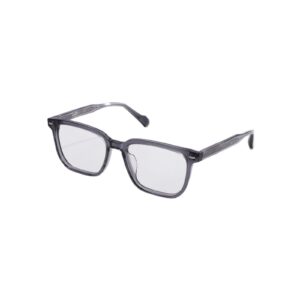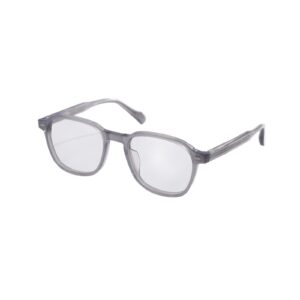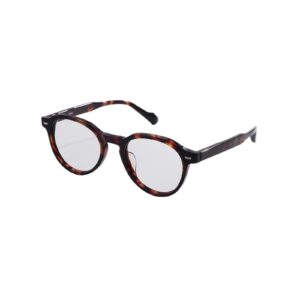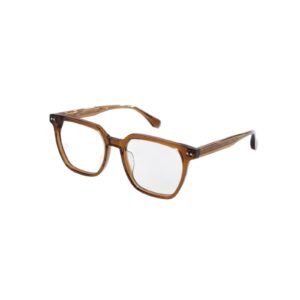
[Exclusive from Eyewearbeyond] Discover the Real Value Behind German Eyewear Brands: Quality, Design & What It Means for Wholesale Buyers
Get to know the truth behind German eyewear brands—what makes them famous, what they actually offer, and how you can match the same quality without the luxury markup. At Eyewearbeyond, we break it down for global wholesalers who care about quality, price, and long-term cooperation.
1. Introduction
When it comes to premium eyewear, German brands have built a strong reputation around precision engineering, minimalist design, and long-lasting quality. Names like ic! berlin, Mykita, and Rodenstock often come up in conversations with eyewear professionals who want something more than just a good-looking frame — they want comfort, functionality, and something that feels reliable in the hand.
But here’s what many wholesalers and eyewear business owners are really asking:
“Do I have to buy directly from German brands to get that level of quality?”
“Are there more flexible, cost-effective options for similar designs?”
“How can I talk to my customers about German eyewear without blowing my budget?”
At Eyewearbeyond, we hear this all the time. We’re a China-based eyewear factory specializing in wholesale supply — and we know what it’s like to source eyewear for demanding markets like the U.S., Europe, and Southeast Asia. Many of our clients want the “German look and feel”, but with:
- Lower minimum order quantities (MOQs)
- Custom branding (OEM/ODM)
- Faster lead times
- More affordable price points
This article is written for practical decision-makers like you — not just to admire German eyewear design, but to help you understand:
- What makes German eyewear brands unique?
- Which ones are worth studying or stocking?
- Can factories like Eyewearbeyond produce similar models?
- And how should wholesale buyers approach these options?
Let’s dive into the German eyewear world — from luxury brands to factory-grade alternatives — and help you make smarter sourcing decisions.
2. Germany’s Reputation in the Eyewear Industry
When people think of Germany, they often think of cars, machines, and precision engineering — and that same mindset applies to its eyewear industry. German eyewear brands are respected worldwide not because of big marketing budgets, but because of their reliable performance, thoughtful design, and consistent build quality.
In the wholesale business, reputation matters. And German eyewear carries the kind of brand trust that makes customers feel confident — whether they’re buying in a boutique optical store in New York or a minimalist lifestyle shop in Tokyo.
Let’s take a closer look at what makes German eyewear so well regarded in the global market.
2.1 Why is German eyewear so respected globally?
It comes down to three words: precision, quality, and innovation.
German brands like ic! berlin, Mykita, Markus T, and Rodenstock have built a strong international following by consistently offering eyewear that is:
- Lightweight but strong
- Engineered for daily comfort
- Made with high-grade materials like titanium and stainless steel
- Tested for long-term durability
Unlike some fashion-focused brands that prioritize appearance over functionality, German eyewear is known for solving real problems — like pressure on the nose bridge, flexibility in the temple arms, or even easy repair without screws.
This kind of functional excellence appeals to both professionals (opticians, eye doctors) and end users who want more than just a trendy look.
2.2 What makes “German-made” frames different?
Here are a few key differences that set German-made frames apart:
- Screwless hinge technology:
Brands like ic! berlin and Markus T pioneered the use of no-screw mechanical joints, reducing breakage and making repairs easier. - Material innovation:
Many frames are made from beta-titanium, stainless steel, or 3D-printed polyamide, offering strength without bulk. - Minimalist aesthetics:
German brands favor clean lines, neutral colors, and industrial finishes — a style that fits both the fashion-forward and the practical user. - In-house manufacturing:
Unlike many global brands that outsource, several German brands still maintain their own production facilities in Berlin, Stuttgart, or Bavaria, keeping full control over quality.
For wholesale buyers, this means the products are often more consistent in quality — but also more expensive and less flexible in terms of MOQs or customization.
2.3 How does German eyewear balance design and engineering?
German eyewear is a rare case where design serves engineering, not the other way around.
Instead of flashy logos or seasonal trends, German eyewear is usually built around how the frame functions on the human face. From the shape of the nose pads to the balance between the front and temples, every detail is carefully calculated.
For example:
- Mykita blends hand assembly with modular construction, allowing parts to be replaced easily.
- Markus T focuses on ultralight designs with no screws or welding — creating frames that weigh as little as 4 grams.
- Rodenstock, with its optical background, designs frames specifically to enhance lens performance and eye health.
In short, form follows function — and that philosophy makes German eyewear feel different the moment you wear it.
Top 12 German Eyewear Brands Lists
3.1 ic! berlin
- Founded: 1996, Berlin
- Materials: Stainless steel, titanium, acetate
- Style Positioning: Industrial minimalist, urban chic
- Strength: Patented screwless hinge system, extreme lightness, hand-assembled
- Target Market: High-end optical retailers, design-savvy professionals, international distributors
- Official Website: www.ic-berlin.de
ic! berlin is one of the most recognizable eyewear brands from Germany, founded in Berlin in 1996. It revolutionized the industry with its patented screwless hinge system, using flexible sheet metal to create frames that are both durable and ultralight. Each frame is hand-assembled in their Berlin facility, reflecting a philosophy of functional minimalism and modern German engineering. Best-selling collections like the Classic Series, Silk, and the Creations line have made ic! berlin a global favorite among professionals who value both comfort and clean aesthetics.
3.2 Mykita
- Founded: 2003, Berlin
- Materials: Stainless steel, acetate, Mylon (3D-printed polyamide)
- Style Positioning: Tech-fashion, contemporary luxury
- Strength: Modular screwless hinges, in-house manufacturing, collaborative design
- Target Market: Fashion-forward boutiques, luxury concept stores, design-led eyewear retailers
- Official Website: www.mykita.com
Mykita is a high-end German eyewear brand based in Berlin, known for its seamless fusion of cutting-edge design and technical precision. Founded in 2003, the brand operates its own vertically integrated production hub — Mykita Haus — where everything from design to manufacturing takes place. Mykita is famous for its screwless hinges, ultralight stainless steel frames, and innovative materials like Mylon, developed through 3D printing. Popular collections such as Lite, No1, and Mykita + Maison Margiela reflect the brand’s experimental yet refined identity.
3.3 Markus T
- Founded: 1999, Gütersloh
- Materials: Pure titanium
- Style Positioning: Minimalist, ergonomic, timeless
- Strength: Ultra-lightweight construction, 100% screwless, allergy-friendly
- Target Market: Medical optical stores, premium eyewear clinics, comfort-focused retailers
- Official Website: www.markus-t.com
Markus T is a premium German eyewear manufacturer that focuses on technical purity and wearer comfort. Founded in 1999 in Gütersloh, the brand is renowned for producing some of the world’s lightest and most durable titanium frames — often weighing under 5 grams. Each piece is handmade without a single screw or soldering point, resulting in glasses that are incredibly stable and hypoallergenic. Signature collections such as Titan T2, Me, and Dot exemplify Markus T’s approach to silent luxury through engineering excellence.
3.4 Rodenstock
- Founded: 1877, Munich
- Materials: Metal, acetate, high-performance polymers
- Style Positioning: Classic, functional, optically precise
- Strength: Integration of lens and frame systems, optical expertise, prescription accuracy
- Target Market: Optical chains, medical eyewear clinics, professional optometrists
- Official Website: www.rodenstock.com
Rodenstock is one of the most established names in the German optical industry, with over 140 years of innovation in both lens technology and frame manufacturing. Based in Munich, the brand is known for its “vision-as-a-system” concept, which integrates prescription lenses with frame design for optimum performance and comfort. Rodenstock’s frames often feature functional designs, clean silhouettes, and precision construction. Key collections include the Rodenstock R7000 series, Impression® line, and the classic Retro collection, all tailored for optically demanding users.
3.5 Lunor
- Founded: 1991, Bad Liebenzell (near Stuttgart)
- Materials: Acetate, titanium, buffalo horn
- Style Positioning: Vintage-modern, refined, discreet luxury
- Strength: Timeless designs, no visible branding, handcrafted quality
- Target Market: Boutique opticians, collectors, heritage-focused retailers
- Official Website: www.lunor.com
Lunor is a German eyewear brand that embodies understated elegance and timeless design. Founded in 1991, the brand is deeply rooted in traditional craftsmanship, offering handmade frames with classic silhouettes and subtle detailing. Lunor avoids flashy logos and focuses instead on premium materials like acetate, titanium, and ethically sourced buffalo horn. Best-selling lines such as the Lunor A5, Classic Round, and Lunor Swing have made the brand a favorite among intellectuals, celebrities, and premium eyewear boutiques seeking quiet sophistication.
3.6 Coblens
- Founded: 2006, Koblenz
- Materials: Titanium
- Style Positioning: Neo-retro, masculine, aviation-inspired
- Strength: Bold silhouettes, military styling, handcrafted precision
- Target Market: Men’s eyewear lines, premium boutiques, vintage revival shops
- Official Website: www.coblens.com
Coblens is a German eyewear brand known for its aviator-inspired designs and bold titanium constructions. Founded in Koblenz in 2006, the brand reinterprets classic military eyewear with a modern technical edge. All frames are handcrafted using durable and lightweight titanium, resulting in styles that are masculine, stylish, and built to last. Standout collections such as the Coblens Luftflotte, Commander series, and Schnauferl line make Coblens a top choice for retailers serving customers who love heritage and strong visual identity.
3.7 Hoffmann Natural Eyewear
- Founded: 1978, the Eifel region
- Materials: Buffalo horn, wood, slate, silk inlays
- Style Positioning: Eco-luxury, natural, artisanal
- Strength: One-of-a-kind natural textures, handmade in Germany
- Target Market: Luxury optical boutiques, sustainable fashion stores, collectors
- Official Website: www.hoffmann-eyewear.com
Hoffmann Natural Eyewear is a unique German brand that specializes in natural-material eyewear, handcrafted from ethically sourced elements like buffalo horn, wood, and stone. Since 1978, the brand has been producing one-of-a-kind frames in its workshop in the Eifel region, each offering distinct grain and color variation. Hoffmann’s top collections include the Nature Design line, Woodstone series, and Signature Horn models, making the brand a favorite among eco-conscious luxury clients seeking authenticity and sustainability.
3.8 FreudenHaus
- Founded: 1991, Munich
- Materials: Acetate, stainless steel
- Style Positioning: Bold, expressive, lifestyle-driven
- Strength: Colorful design language, playful shapes, statement frames
- Target Market: Fashion-forward retailers, urban lifestyle shops, creative eyewear buyers
- Official Website: www.freudenhaus.com
FreudenHaus is a German eyewear brand that injects humor, personality, and boldness into every pair of glasses. Founded in Munich in 1991, the brand is known for its vibrant colors, expressive silhouettes, and wearable art approach. It stands in contrast to minimalist trends, favoring statement frames that turn heads. Key collections such as the FreudenHaus Berlin, Iconic Lines, and their Seasonal Color Drops appeal to younger, fashion-focused buyers and retailers seeking individuality.
3.10 Klenze & Baum
- Founded: 2015, Munich
- Materials: Polyamide (3D-printed)
- Style Positioning: Futuristic, lightweight, minimalist
- Strength: Additive manufacturing, sustainable materials, digital customization
- Target Market: Tech-driven concept stores, modern minimalist brands, innovation-focused retailers
- Official Website: www.klenzeundbaum.com
Klenze & Baum is a modern German eyewear company using 3D printing technology to create ultra-light, durable, and sustainable frames. Based in Munich and founded in 2015, the brand embraces digital innovation in both form and function. Their frames feature clean lines, matte finishes, and ergonomic fits. Notable product lines like the K&B Originals, Urban Collection, and Mono Series are ideal for retailers focused on modern, tech-savvy, and sustainability-conscious consumers.
3.11 BoDe Design
- Founded: 1994, Germany
- Materials: Acetate, stainless steel, TR90
- Style Positioning: Commercial, scalable, OEM/ODM-friendly
- Strength: Private label production, wide product range, flexible manufacturing
- Target Market: Wholesalers, optical distributors, private label eyewear brands
- Official Website: www.bode-design.de
BoDe Design is a German eyewear manufacturer and brand that combines product development with large-scale production. Established in 1994, BoDe specializes in private label solutions and serves both domestic and international markets with a wide variety of optical and sunwear models. Known for its consistency, adaptability, and commercial appeal, BoDe Design’s popular collections such as the Eye:Max Series, Kid’s Range, and Classic Metal Line are ideal for distributors seeking reliable German-made eyewear with strong supply chain support.
3.12 SEEOO
- Founded: Early 2010s (Austria origin, strong presence in Germany)
- Materials: Stainless steel, flexible polymers
- Style Positioning: Functional, compact, novelty eyewear
- Strength: Ultra-portable designs, credit-card size readers, giftable
- Target Market: Travel retail, gadget stores, impulse-buy displays
- Official Website: www.seeoo-eyewear.com
SEEOO is a quirky and innovative eyewear brand offering compact, folding reading glasses and ultra-thin frames designed for convenience. Originally from Austria but widely distributed in Germany and across Europe, SEEOO’s signature products include wallet-sized readers, clip-on minis, and retro panto designs. The brand blends practicality with a sleek design language, making it perfect for travel retail, gifting, and tech-savvy consumers who value portability without sacrificing style.
4. How to Choose the Right German Eyewear Brand for Your Business
Choosing the right eyewear brand is not just about following trends — it’s about knowing your market, your customer, and how the product fits into your sales model. German eyewear brands offer everything from screwless titanium minimalism to colorful acetate fashion, but not all of them are right for every type of business.
Here are 5 practical questions to ask before choosing a German eyewear brand (or designing a product inspired by one):
4.1 What kind of customers do you serve?
- If your customers are older professionals or optical clinic clients, brands like Markus T or Rodenstock make sense — comfort, durability, and function come first.
- If you’re targeting fashion-conscious millennials or Gen Z, go for brands like Mykita, FreudenHaus, or even Klenze & Baum for the tech-driven audience.
- For eco-conscious buyers, Hoffmann Natural Eyewear is unmatched in natural material luxury.
💡 Tip: At Eyewearglobo, many of our clients pick 2–3 styles to match different customer segments, even within the same brand lineup.
4.2 Do you prioritize branding, or flexibility?
Brands like ic! berlin and Mykita are excellent — but they often come with:
- Strict pricing policies
- Limited customization options
- High MOQs or slower restocking times
If you’re building your own brand, you might prefer working with a factory partner (like Eyewearglobo) that can help you replicate the design language while offering private label freedom.
4.3 Do you need frames for optical, fashion, or both?
German brands are often very clear in positioning:
- Rodenstock and Markus T focus on optical performance
- FreudenHaus and Coblens lean toward fashion-forward styling
- Lunor sits somewhere in between — fashion with optical credibility
📌 If you’re not sure — start with optical-ready frames (can hold prescription lenses), and use sun lenses as seasonal add-ons.
4.4 Are your buyers price-sensitive or design-driven?
Some brands, like Martin & Martin or Coblens, appeal to a niche audience that buys based on bold design.
Others, like BoDe Design, are more mass-market friendly, with scalable SKUs and pricing for volume buyers.
This choice affects your:
- Product markup
- Reorder cycles
- Retail strategy (boutique vs. mainstream)
💡 Not every shop needs a $500 frame — sometimes a $50 “German-inspired” style does the job just as well.
4.5 Do you need consistent supply or limited editions?
If you’re managing multi-location distribution, you need brands or partners who can deliver repeat orders reliably.
Brands like BoDe Design and factories like Eyewearglobo are better for that.
But if you’re curating one-off seasonal collections, brands like Hoffmann, FreudenHaus, or Martin & Martin offer more exclusivity — often in smaller batches.
✅ Key Takeaway:
German eyewear brands are diverse — there’s no one-size-fits-all. The best brand (or manufacturer) for your business is the one that fits your:
- Customers
- Business model
- Brand goals
- Inventory strategy
And remember — you don’t always need the brand to get the look, the comfort, or the quality. That’s where partners like Eyewearglobo come in — helping you build smart alternatives inspired by the best in the industry.
5. Comparison of Four Major German Brands
There are dozens of German eyewear brands out there, but when it comes to global recognition, wholesale potential, and benchmark value for OEM buyers, these four brands stand out:
- ic! berlin
- Mykita
- Markus T
- Rodenstock
Here’s a side-by-side comparison of these four brands based on what matters most to buyers, importers, and brand owners:
| Feature | ic! berlin | Mykita | Markus T | Rodenstock |
|---|---|---|---|---|
| Founded | 1996, Berlin | 2003, Berlin | 1999, Gütersloh | 1877, Munich |
| Core Material | Stainless steel, titanium | Stainless steel, acetate, Mylon | Pure titanium | Acetate, metal |
| Design Style | Industrial minimalist | Tech-fashion, modular | Ultra-minimalist, ergonomic | Classic, functional |
| Main Strength | Screwless hinge, flexibility | In-house design + production | Lightest titanium frames | Lens/frame integration |
| Target Customer | Young urban professionals | High-fashion buyers | Optical clinics, mature users | Opticians, medical clients |
| Customization/OEM Friendly? | ❌ Limited | ❌ Limited | ❌ Not available | ❌ Closed system |
| Price Level | Premium | Luxury | Premium | Mid–High |
| Best For | High-end concept stores | Fashion boutiques | Clinics & optical stores | Large optical chains |
🧩 So, Which One Is Right for You?
If you’re a fashion-oriented store, Mykita or ic! berlin might make sense — though prepare for high price points and limited flexibility.
If you’re a clinical optical business, Markus T and Rodenstock offer reliability and technical comfort, but again, MOQ and pricing may be strict.
👉 Want the same aesthetic and performance — but with OEM flexibility, faster lead time, and lower entry cost?
That’s where Eyewearglobo comes in: we help clients develop collections inspired by top German design while adapting to their brand goals and target market.
6. How to Match Brands with Different Buyer Needs
Not every buyer needs a €500 Mykita.
Not every customer wants a minimalist titanium frame.
Whether you’re sourcing for a chain of optical shops, running an independent fashion brand, or launching a niche DTC store, the key is to match the eyewear brand (or design style) with your customers’ expectations.
Here’s a breakdown of 4 common buyer types — and which German eyewear brands (or styles) fit them best.
6.1 For Vintage Eyewear Retailers
If your store features retro, heritage, or timeless pieces, your customers are likely looking for:
- Classic shapes (round, P3, keyhole bridge)
- No flashy logos
- Handmade details
- A feeling of “old-school quality”
Recommended Brands:
- Lunor – Vintage elegance with discreet branding
- Martin & Martin – Sculptural and bold, with a retro-modern edge
- Rodenstock Retro line – Optical-first, but with classic shapes
🛠️ Alternative with Eyewearglobo:
We offer acetate frames with vintage silhouettes, clear finishes, and minimal branding — perfect for stores that want the retro feel, but with private label flexibility.
6.2 For Optical Clinics or Vision Correction Businesses
If you’re a medical optical center or a lens-focused retailer, your needs are:
- Comfortable fit
- Accurate alignment
- Hypoallergenic materials
- Easy adjustment by opticians
Recommended Brands:
- Markus T – Screwless, ultra-light titanium
- Rodenstock – Lens-frame integration, proven reliability
- BoDe Design – Entry-level German-made, solid construction
🛠️ Alternative with Eyewearglobo:
We manufacture optical-ready frames with proper lens grooves, adjustable nosepads, and titanium or TR90 options suitable for prescription use.
6.3 For Fashion-Focused Independent Stores
If you’re selling in a boutique, concept store, or fashion space, you’re competing on style. Your customers want:
- Clean aesthetics
- Bold shapes or colors
- Designer collaborations
- “Something different” from the mainstream
Recommended Brands:
- Mykita – Architectural, modular, design-driven
- FreudenHaus – Colorful, expressive
- Klenze & Baum – Tech-driven minimalism
🛠️ Alternative with Eyewearglobo:
We support custom frame shapes, acetate color blending, and bold designs — ideal for private labels or new fashion brands looking for something unique at lower MOQ.
6.4 For Eco-Conscious or Sustainable Brands
If your customer base values the environment, transparency, and low-impact materials, you’ll need:
- Natural components
- Low-waste manufacturing
- Recycled or upcycled packaging
- Storytelling power
Recommended Brands:
- Hoffmann Natural Eyewear – Buffalo horn, wood, handmade
- Klenze & Baum – 3D printed, efficient production
- Mykita Mylon – Powder-based 3D printing, sustainability angle
🛠️ Alternative with Eyewearglobo:
We offer bio-acetate options, wood-grain finishes, and can work with eco-friendly packaging — giving your private label a greener edge at accessible prices.
✅ Summary Tip
👉 Don’t just pick the biggest brand. Pick the one that matches your sales reality.
Use top German brands as your benchmark — and then decide:
- Can you afford to stock them directly?
- Or would a well-designed alternative from a flexible factory (like Eyewearglobo) work better for your business model?
7. How Are German Eyewear Frames Made?
One of the reasons German eyewear brands are so respected is because their frames are not mass-produced in the conventional sense. Instead, they follow a more controlled, engineered, and detail-driven process that prioritizes function and durability over volume.
So what actually goes into a pair of German-made frames? Let’s break it down in simple, practical terms — no engineering degree required.
7.1 In-House vs Outsourced Production
Many top German brands like Mykita and ic! berlin use fully in-house manufacturing, which means:
- Design, engineering, testing, and assembly are all done under one roof
- Better control over quality and adjustments
- Lower risk of batch inconsistencies
By contrast, some commercial brands (like BoDe Design) might design in Germany but outsource part of production to other countries in Europe or Asia to control costs.
💡 Tip for wholesalers: If your focus is customization, price control, and flexibility, working with a qualified OEM supplier (like Eyewearglobo) often gives you more room to scale without compromising design.
7.2 Material Selection
German brands are known for high-grade materials — not just for aesthetics, but for engineering precision.
- Titanium: Used by Markus T, Coblens, and ic! berlin for its lightweight and hypoallergenic properties.
- Stainless steel sheet metal: A key material for ic! berlin’s famous screwless hinge design.
- Acetate: Used by Lunor, Martin & Martin, and FreudenHaus for bold color patterns and traditional shaping.
- Natural materials: Hoffmann uses horn, wood, and even slate — requiring artisan-level shaping and polishing.
7.3 Frame Construction: Technical Features
Let’s take a look at what makes the construction of German eyewear unique:
✅ Screwless Hinges
- Common in ic! berlin, Markus T, and Mykita
- Fewer parts = fewer failures = longer product life
- Great selling point for customers who hate loose temple arms
✅ Modular Assembly
- Brands like Mykita create frames where parts are replaceable — not glued or welded
- Makes servicing easier, especially in optical clinics
✅ Minimal Surface Welding
- In titanium frames, joints are often laser-welded or mechanically folded
- This creates cleaner aesthetics and fewer weak points
7.4 Hand Finishing & Quality Control
Even with machines involved in cutting or shaping, most high-end German brands still do:
- Manual polishing of acetate
- Individual hinge testing
- Serial number engraving for traceability
- Multi-point inspections before packaging
This is why many frames from brands like Lunor or Markus T feel more “solid” or “precise” — because they’re touched and checked by real people.
✅ Summary: What It Means for Your Business
If you’re a buyer or brand owner, understanding the construction behind the frame helps you:
- Know what you’re paying for (and what’s just branding)
- Educate your customers better
- Design your own OEM line with the same principles
- Find the right supplier who can replicate these ideas — even if they’re not made in Germany
At Eyewearbeyond, we study top brands like these closely, so we can help our clients develop products that look and perform similarly, but with lower MOQs, more customization, and faster lead times.
8. Three Common Types of Frame Construction
German eyewear brands are known not just for aesthetics, but for the technical logic behind how their frames are built.
In this section, we’ll go deeper into the 3 most common frame constructions used by German brands — their pros and cons, who uses them, and what kind of customer they’re best for.
Understanding these structures helps buyers make better decisions when choosing products, or developing their own collections with OEM factories.
8.1 Sheet Metal Construction (Stainless Steel)
🔧 What It Is:
Frames are made from thin sheets of stainless steel, laser-cut and folded into shape. No screws, no soldering — just clever engineering.
🏭 Representative Brands:
- ic! berlin
- Mykita (Lite series)
✅ Pros:
- Ultra-lightweight and flexible
- Screwless hinges = fewer maintenance issues
- Clean, modern, industrial look
- Great comfort for all-day wear
❌ Cons:
- Not suitable for thick or bold styles
- Limited color and texture options
- May feel “too minimal” for fashion buyers
📦 Best for:
- Tech-savvy customers
- Optical shops selling to professionals
- Buyers who want “engineering eyewear”
💡 OEM Tip: At Eyewearglobo, we can produce similar sheet-metal frames using stainless steel or TR90-metal hybrid materials — great for custom lightweight collections.
8.2 Acetate Frames (Classic Plastic)
🔧 What It Is:
Traditional cellulose acetate (a cotton-based plastic) is cut, milled, and polished into shape. This is the most common frame material globally.
🏭 Representative Brands:
- Lunor
- Martin & Martin
- FreudenHaus
✅ Pros:
- Rich colors, patterns, and finishes
- Easy to customize shapes (round, square, cat-eye, etc.)
- Comfortable and familiar for most customers
- Can be used for both optical and sunwear
❌ Cons:
- Heavier than metal
- Needs regular adjustment over time
- Lower structural complexity (compared to modular systems)
📦 Best for:
- Fashion boutiques
- Heritage or retro collections
- Mid-range to high-end customers
💡 OEM Tip: Eyewearbeyond offers 200+ acetate colors and shapes with full customization for private labels — from retro P3 to bold chunky styles.
8.3 Titanium Frames with Screwless Systems
🔧 What It Is:
High-grade titanium wire or sheet is formed into ultra-light frames. Hinge systems are often screwless or integrated into the frame geometry.
🏭 Representative Brands:
- Markus T
- Coblens
- Rodenstock Titanium Series
✅ Pros:
- Feather-light (often under 5g)
- Hypoallergenic, corrosion-resistant
- Ideal for prescription wearers and sensitive skin
- Very durable — doesn’t warp or break easily
❌ Cons:
- Higher production cost
- Design limitations — mostly minimalist shapes
- Requires precision tools for hinge systems
📦 Best for:
- Clinical opticians, high-volume prescription stores
- Customers who value comfort over trend
- Premium positioning
💡 OEM Tip: Eyewearglobo can support lightweight titanium styles with basic or advanced hinge systems. Also available: titanium-look materials for price-sensitive markets.
🧠 Final Thoughts
Most German eyewear brands don’t just choose a material — they build a whole design philosophy around the structure.
As a buyer or brand owner, you should ask:
- Who is this structure meant for?
- Can my market accept this type of design?
- Can I offer the same experience through OEM or private label?
👉 If you’re not ready to stock a €500 titanium frame — but still want that screwless, lightweight experience — talk to us at Eyewearbeyond. We can help you design and develop frames with similar construction principles, but at a cost and scale that works for your business.
9. What Is the Price Range of German Eyewear Brands?
German eyewear has a strong reputation for engineering and quality — but let’s be honest: it often comes at a cost.
If you’re a wholesale buyer or building your own brand, understanding the price structure behind these products is critical. It helps you decide whether to:
- Buy and distribute a known German brand
- Find a similar unbranded product
- Develop your own OEM line with a similar feel
Here’s a practical breakdown of how German eyewear pricing typically works, and what drives those numbers.
9.1 Retail Pricing (What End Customers Pay)
Most well-known German brands fall into these ranges:
- Entry-level brands (e.g. BoDe Design): around $150–$250 retail
- Mid-premium (e.g. ic! berlin, Markus T, Coblens): $300–$500
- Luxury/high-design brands (e.g. Mykita, Hoffmann Natural Eyewear): $500–$900+
- Niche, natural material brands (e.g. horn or wood): often $1000+
These prices often include country taxes, optician markup, and lenses (in full-service optical stores).
9.2 Wholesale Pricing
If you’re buying directly from a German brand as a distributor, typical wholesale prices are:
- 50–60% off retail, but with strict MOQs (usually 50–100 pcs per SKU or series)
- Limited room for customization
- Fixed collection cycles (you buy what they release)
If you’re buying through agents or showrooms, there may be additional markups and longer lead times.
9.3 What Affects the Price?
Several key factors explain why German eyewear is expensive:
- In-house manufacturing
- High-grade materials (especially titanium, horn, and 3D-printed components)
- Labor cost in Germany
- Design royalties or collaborations
- Branding premium (especially with globally known labels)
These costs are justified if you’re selling to customers who value craftsmanship, design, and “Made in Germany” status.
9.4 Are German Brands Worth the Price?
Yes — if your store or market supports that price point. For many boutique opticians and high-end eyewear retailers, carrying a brand like Mykita or Lunor gives you credibility and design prestige.
But for others, especially in developing markets or online DTC models, those prices may limit your margin and turnover.
This is why more and more buyers now ask:
- Can I get this style without the price tag?
- Can I offer something “inspired by” but with my own brand?
- Can I lower entry costs with OEM?
9.5 What’s the Alternative?
If the brand name isn’t essential to your customer — but the quality and design are — then working with an OEM supplier like Eyewearbeyond can make more sense.
We help clients:
- Recreate German-style designs (e.g. screwless titanium, clean acetate)
- Use similar materials
- Customize shape, color, and branding
- Hit a lower price point with more flexible MOQs
Instead of paying for the label, you invest in the product — and in your own brand.
10. 4 Tips When Working with German Eyewear Brands
If you’re considering buying from a German eyewear brand — whether as a wholesaler, a private label operator, or a multi-store retailer — there are a few things you should prepare for.
German companies are known for their engineering mindset, but in practice, that often means:
- Structured processes
- Less flexibility
- Strong emphasis on compliance and planning
To avoid miscommunication or wasted time, here are 4 tips you should know before placing an order or reaching out to a German eyewear supplier.
10.1 Contact Early — and Be Specific
German brands and manufacturers generally dislike vague inquiries like:
“Can I get a catalog and prices?”
Instead, they prefer:
- Clear product categories (optical or sun?)
- Estimated volume
- Intended market
- Whether you want branded, unbranded, or OEM products
Also, many brands launch seasonal collections twice a year (Spring/Summer and Fall/Winter). If you reach out mid-cycle, stock may be limited or allocated.
Tip: Reach out at least 3 months before your desired delivery date — especially for large or multi-location orders.
10.2 Understand Lead Times and MOQ
Even premium brands like Mykita or ic! berlin don’t keep large stock sitting in a warehouse. Most German eyewear production runs on:
- Made-to-order basis
- Limited runs per series or color
- MOQ ranging from 30–100 pcs per model (especially for custom or first orders)
Also, German brands often close their production windows once capacity is reached.
Tip: Ask clearly about production timelines and reorder flexibility. If your business needs fast restocks or small trial orders, you may want to consider working with an OEM supplier instead.
10.3 Don’t Expect Full Customization
German brands usually offer:
- Pre-designed frames
- Limited color choices per season
- Branded models with no logo removal allowed
Most won’t allow:
- Private label or logo removal
- Custom shapes for small quantities
- Factory access or co-branding
That’s simply not part of their business model.
Tip: If customization and brand control are important to you, OEM partners like Eyewearbeyond offer more flexibility for shaping your own product line — from material selection to color and engraving.
10.4 Clarify Certifications, Warranty & After-Sales Service
German brands typically provide excellent QC and warranty — but only if you go through the proper channel (official distributor or brand rep).
Important points to check:
- Warranty period (usually 1–2 years)
- What happens if hinges or coatings fail?
- Are spare parts available for repairs?
- Do they provide CE/FDA certification (if exporting globally)?
Tip: Always confirm what’s included in the service — especially if you’re buying via an agent or reseller. For global buyers, look for partners who can support after-sales logistics, not just one-time shipments.
Final Advice
Working with German eyewear brands is rewarding — but it requires planning, structure, and a realistic view of how much flexibility you’ll get.
If you want:
- High-end branded eyewear with strong heritage
→ Go direct, but expect limits on control.
If you want:
- German-style designs with your own brand, faster delivery, and more customization
→ Work with a trusted OEM factory like Eyewearbeyond.
We understand both the design language and the business needs behind German eyewear — and we can help you build products inspired by them, optimized for your market.
Conclusion: Key Takeaways from the German Eyewear Market
German eyewear brands have earned their place in the global market through precision, discipline, and long-term product reliability. From screwless titanium frames to architectural acetate designs, these brands represent more than fashion — they stand for engineering excellence and user-centered design.
But that quality often comes with trade-offs:
- Higher price points
- Limited customization
- Structured production schedules
- Less flexibility for emerging brands or smaller buyers
For wholesalers, retailers, or brand owners who admire the German design philosophy but also need speed, margin, and brand control, working with an experienced OEM partner like Eyewearbeyond can be the smarter path.
We help you:
- Translate German design features into market-ready products
- Customize shapes, colors, and branding
- Meet lower MOQs with faster delivery
- Maintain quality — without the label markup
Whether you’re launching your own eyewear line or expanding your existing catalog, we’re here to help you make smart, strategic sourcing decisions — grounded in real market needs.