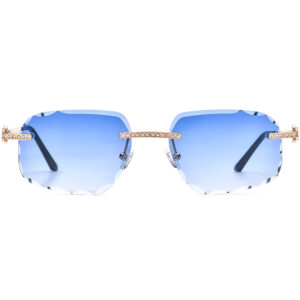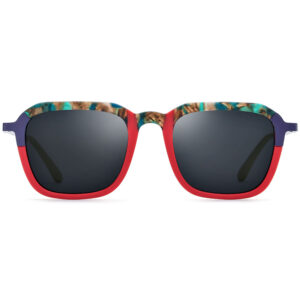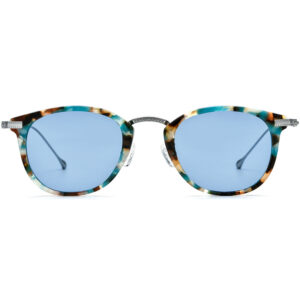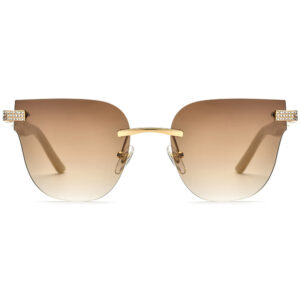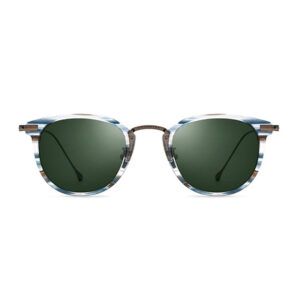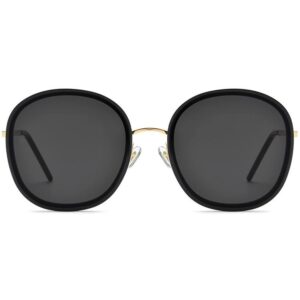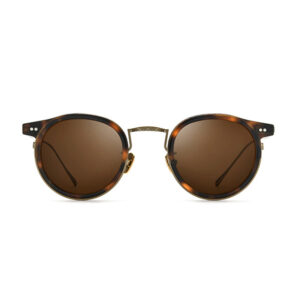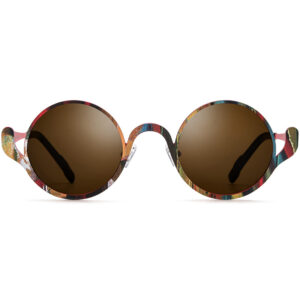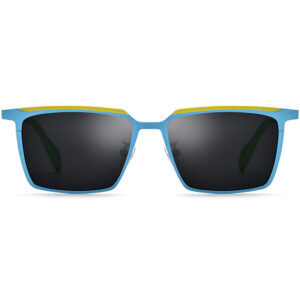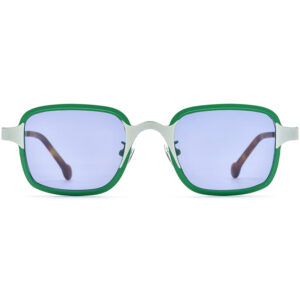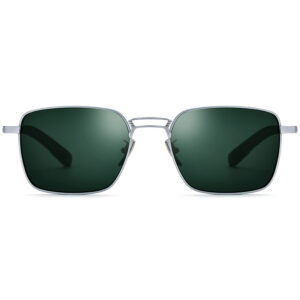
Have a great idea for your own eyewear brand but not sure where to begin with design? You’re not alone. Many independent brands and optical entrepreneurs struggle with turning creative vision into a functional, manufacturable frame.
Designing eyeglasses isn’t just about choosing a trendy shape or a bold color—it’s about creating a product that fits comfortably, performs reliably, and tells your brand story at a glance. Poor design choices can lead to production delays, uncomfortable fits, or worse, unsellable inventory.
At EyewearBeyond, we’ve worked with hundreds of eyewear startups and wholesalers around the world to bring their design ideas to life—whether it’s launching a fully custom line, modifying an existing template, or developing an entire seasonal collection. With the right guidance, you don’t need to be a product engineer or artist to create stunning, brand-aligned eyewear.
This guide will walk you through the essentials of eyewear design, including frame components, popular materials, design software tips, and how to work with your manufacturer to turn your ideas into high-quality products. Ready to start designing with confidence?
Let’s break it down.
What’s the Best Way to Design Eyeglasses for Your Brand?
Designing eyeglasses for your brand involves more than just selecting a frame shape—it’s a multi-step process that combines aesthetics, function, fit, and manufacturing feasibility. The most effective approach is to begin with market research and brand identity, define your target user’s needs, and then collaborate with an experienced eyewear manufacturer to develop a realistic and scalable design.
At a high level, the process includes:
- Defining your brand vision – Are you creating stylish frames for Gen Z, minimal business eyewear for professionals, or ergonomic designs for prescription users?
- Choosing materials and frame types – Based on comfort, durability, price point, and audience.
- Sketching or developing a CAD file – Your ideas need to be communicated in detail, whether hand-drawn or digital.
- Functional planning – Decide on elements like nose pad type, temple flexibility, hinge durability, and lens compatibility.
- Prototyping & revisions – Work with your supplier to create and test a physical sample before going to mass production.
With EyewearBeyond, you get access to both technical support and creative flexibility—from choosing a proven base model to developing a fully custom frame. Whether you’re new to eyewear or launching your tenth collection, a clear design workflow ensures your brand stands out while remaining practical to manufacture and scale.
Want to Create Eyewear That Actually Sells? Start with the Right Design Process.
Great eyewear design doesn’t happen by accident—it’s the result of clear intent, smart decisions, and close collaboration between you and your supplier. Whether you’re dreaming up bold fashion-forward frames or classic optical essentials, starting with the right design process is the difference between a winning product and a wasted investment.
So, how do you go from an idea to a frame that flies off shelves?
In the following sections, we’ll walk you through every step of designing eyeglasses for your brand—from defining your aesthetic to choosing the right materials, and working with your manufacturer on technical drawings, samples, and production planning.
Let’s begin with the basics: What are the key elements of eyeglass design?
What Are the Key Elements of Eyeglass Design?
Before diving into sketches and samples, every eyewear designer—whether a startup or an established brand—needs to understand the foundational elements that shape a functional, marketable eyeglass frame. These core components work together to define the look, feel, comfort, and appeal of your final product.
Here are the essential elements you’ll want to consider:
1. Frame Shape & Style
The shape sets the tone for your brand. Classic square? Trendy cat-eye? Sporty wraparound? It’s not just aesthetics—it determines face fit, lens shape, and target demographics.
- Popular styles: Aviator, Rectangle, Round, Cat-eye, Geometric, Rimless
- Influence: Face compatibility, gender targeting, fashion trend alignment
✅ Tip: Research what styles perform best in your target market—Asian markets, for instance, favor rounder and lightweight frames.
2. Material Selection
Material impacts everything—from comfort and durability to price point and sustainability.
- Acetate: Rich color options, high-end feel, good for custom branding
- TR90: Lightweight, flexible, ideal for sports or kids’ collections
- Metal (Stainless steel, Titanium): Sleek, minimal, hypoallergenic options
- Ultem / Nylon: Durable and heat-resistant, used in performance eyewear
Choose based on brand positioning: Are you offering affordable basics or premium lifestyle frames?
3. Color & Finish
Colors and surface treatments drive emotional response and shelf appeal.
- Solid, gradient, translucent, tortoiseshell, metallic
- Matte, glossy, soft-touch, rubberized, brushed metal finishes
Think in collections: Will you offer neutral tones year-round and release limited-edition colors seasonally?
4. Sizing & Fit
Frame size isn’t one-size-fits-all—it affects comfort, stability, and even lens fitting.
- Key metrics: Lens width, bridge width, temple length, frame height
- Fit types: Asian fit (low nose bridge), Universal fit, Euro fit
Sizing should reflect your target market’s face shapes and anatomical needs, not just style.
5. Functional Hardware
These invisible details make or break user experience.
- Spring hinges: Add flexibility and prevent pressure
- Screw-in or snap-in nose pads: Customizable for comfort
- Lens groove width: Must match lens material (especially in rimless/semi-rimless designs)
✅ Reminder: Always confirm hardware compatibility during the design stage—it saves time and cost later.
6. Branding Elements
Subtle or bold, your branding should be embedded into the design.
- Laser logo on temples or lenses
- Metal logo plate inlaid into acetate
- Custom temple tip shapes as brand signature
- Colorways that reflect your identity
Eyewear isn’t just a product—it’s a wearable extension of your brand. Make it recognizable.
With these key elements in mind, you can begin shaping a design that is not only on-brand, but also ready for successful production and wear.
How to Start the Eyeglass Design Process Step-by-Step?
Designing a pair of eyeglasses might sound creative and exciting—and it is—but it’s also a structured process. Whether you’re launching a capsule collection or developing a full seasonal line, following a clear step-by-step framework ensures you avoid costly mistakes and delays.
Here’s a proven workflow we recommend at EyewearBeyond, based on years of helping global clients bring their designs to life:
1. Start with Market Research
Before drawing anything, you need to know who you’re designing for.
- Who is your target customer? (Age, lifestyle, price sensitivity)
- What styles dominate your target region?
- What are your competitors doing—and what gaps exist in the market?
✅ Example: If your brand targets young, tech-savvy professionals, you might prioritize minimal designs with lightweight materials and blue-light blocking lenses.
2. Define Your Brand Aesthetic
Think of this as your design DNA. What does your brand stand for?
- Clean and modern? Bold and playful? Earthy and sustainable?
- Are you solving a pain point (e.g., comfort for wide faces, adjustable nose fit)?
- Do you plan to offer unisex frames, or gender-specific styles?
Your brand message should influence every design decision—shape, material, finish, even packaging.
3. Sketch or Create a CAD File
Time to put ideas on paper—or screen.
- Start with hand sketches or mood boards for overall concept
- Move to 2D technical drawings or 3D CAD files (SolidWorks, Rhino, Illustrator)
- Include measurements: lens width, bridge width, temple length, etc.
✅ No design team? No problem. At EyewearBeyond, our team can assist with file conversion, technical drawings, and even custom mold consultation.
4. Choose Materials & Hardware
Based on your budget and positioning, decide on:
- Frame material (e.g., acetate, TR90, titanium)
- Nose pads: built-in vs. adjustable
- Hinges: basic, spring, titanium
- Screws, logo badges, decorative accents
This also affects production cost, MOQ, and lead time—so choose wisely.
5. Plan Functionality
Design isn’t just about how it looks—it’s also about how it wears.
- Will the frame be optical or plano (non-prescription)?
- Are you including spring hinges for flexibility?
- What kind of lens thickness will it accommodate?
These technical details affect your mold structure and require discussion with your manufacturer early on.
6. Request a Prototype
After your design is finalized:
- The manufacturer will develop a prototype or sample
- You’ll inspect fit, finish, balance, and branding
- Minor changes (e.g. adjusting temple length, hinge tension) are often required
Most brands go through 1–2 rounds of sampling before confirming bulk production.
7. Confirm Details and Approve for Mass Production
Once the prototype is approved, confirm:
- Color options
- Packaging details
- Quantity breakdown (per style, size, or color)
- Final unit cost and delivery schedule
At EyewearBeyond, we provide full production plans, QC checkpoints, and logistics assistance to make this stage seamless.
By following this structured design process, you’re not just making a pretty frame—you’re building a product your customers will love, wear, and recommend.
What Are the Most Popular Eyewear Styles by Region or Audience?
Eyewear design is not one-size-fits-all. The styles that dominate one market might flop in another. That’s why understanding your target region and audience preferences is crucial before finalizing your designs.
Here’s a breakdown of style trends and preferences by geography and customer segment—based on insights from our buyers at EyewearBeyond across 30+ countries.
1. North America (USA & Canada)
- Best-sellers: Square, rectangular, and oversized round frames
- Material: Acetate or mixed-material (acetate front + metal temples)
- Trends: Transparent colors, bold tortoiseshell, spring hinges for comfort
- Audience tip: Americans favor frames that blend style with all-day comfort, especially for blue light and prescription use
2. Europe (UK, France, Germany)
- Best-sellers: Thin metal frames, round or oval shapes, minimalist styles
- Material: Stainless steel, titanium, and eco-materials
- Trends: Scandinavian minimalism, soft tones, gender-neutral frames
- Audience tip: European customers often look for sustainability and subtle luxury, with growing demand for eco-conscious collections
3. Asia (China, Japan, Korea, Southeast Asia)
- Best-sellers: Round, soft square, oversized cat-eye
- Material: Ultem, TR90, lightweight acetate
- Trends: Lightweight comfort, Asian-fit nose bridges, clear tones
- Audience tip: Fit is everything. Make sure to design Asian-fit versions (lower bridge, narrower temple spread) for comfort and stability.
4. Middle East & North Africa
- Best-sellers: Luxury-inspired aviators, geometric shapes, decorated temples
- Material: Metal with gold/silver plating, acetate with embellishments
- Trends: Statement pieces, fashion-forward designs, unisex silhouettes
- Audience tip: Appeal to high-style, fashion-conscious buyers, especially with strong branding and eye-catching packaging
5. By Audience Type:
• Young Professionals (20s–30s):
- Sleek metal frames, bold clear acetate, blue light blocking designs
- Prefer hybrid styles: trendy yet work-appropriate
• Gen Z / College Students:
- Colorful frames, exaggerated shapes (e.g. chunky retro), gender-neutral looks
- Like seasonal drops and influencer-backed styles
• Mature Customers (40+):
- Classic shapes (rectangle, oval), spring hinges, neutral tones
- Value comfort and lightweight materials
• Niche Segments:
- Gaming eyewear: Low-reflective coating, wide temples, edgy design
- Reading glasses: Foldable, magnetic bridges, durable hinges
- Sports eyewear: Wraparound designs, anti-slip pads, flexible arms
By understanding who you’re designing for and where they are, you can align your design direction with real market demand—increasing your chances of sell-through and brand loyalty.
At EyewearBeyond, we help clients adapt base styles to regional preferences and create multi-market variations from a single design—maximizing reach while controlling development costs.
What Role Do Materials Play in Eyewear Design?
When it comes to eyewear, materials aren’t just technical details—they define the entire identity of your product. From how it looks and feels, to how much it costs and who will wear it, your choice of material can make or break your design.
At EyewearBeyond, we guide clients through material selection based on their target audience, intended function, and market positioning. Here’s how different materials influence the final frame:
1. Acetate: Stylish, Durable, Customizable
- Pros: High-end look, rich color depth, polished finish, recyclable
- Best for: Fashion-driven or boutique brands
- Design perks: Easy to carve custom temple shapes or inlay logos
Ideal for: Independent brands that want bold colors and texture (e.g., tortoiseshell, crystal clear, matte)
2. TR90: Lightweight, Flexible, Affordable
- Pros: Bendable, impact-resistant, extremely light
- Best for: Sports eyewear, budget-friendly collections, kids’ lines
- Design perks: Comfortable for long wear, easy to inject in bright colors
Ideal for: Brands targeting high-volume markets or younger demographics
3. Titanium: Premium, Hypoallergenic, Ultra-Light
- Pros: Corrosion-resistant, elegant finish, long-lasting
- Best for: Premium eyewear brands and optical specialists
- Design perks: Minimalist designs, thin profiles, hypoallergenic
Ideal for: Mature users, allergy-prone customers, or brands focusing on luxury positioning
4. Ultem / PEEK: High-Performance Materials
- Pros: Flexible yet strong, heat-resistant, ultra-durable
- Best for: Techwear, safety glasses, and advanced sports eyewear
- Design perks: Moldable into slim but highly resilient frames
Ideal for: Niche brands in sports, industrial, or medical eyewear
5. Metal Alloys (Stainless Steel, Monel, etc.)
- Pros: Classic look, structural integrity, cost-effective
- Best for: Mixed-material designs, unisex collections
- Design perks: Works well with adjustable nose pads, creates thin, sleek lines
Ideal for: Brands offering both fashion and function at a mid-range price
6. Eco-Friendly Materials (Bio-Acetate, RPET)
- Pros: Sustainable, biodegradable (in some cases), brand-differentiating
- Best for: Ethical fashion or eco-conscious collections
- Design perks: Tells a strong brand story, eligible for “green” certifications
Ideal for: Brands targeting Gen Z, European markets, or sustainability-first customers
✅ Matching Materials with Brand Strategy:
| Material | Positioning | Price Range | Target Audience |
|---|---|---|---|
| Acetate | Fashion / Boutique | Medium–High | Style-conscious |
| TR90 | Mass Market / Sport | Low–Medium | Youth, sports, budget |
| Titanium | Premium / Optical | High | Mature, luxury buyers |
| Ultem | Performance | Medium–High | Niche, active wearers |
| Stainless Steel | Classic / Unisex | Medium | General audience |
| Bio-Acetate / RPET | Eco-lifestyle brands | Medium–High | Gen Z, EU, green retail |
Bottom line: Material selection isn’t just a production choice—it’s a design statement. It impacts how your product feels in hand, fits on the face, and reflects your brand’s promise.
Need help choosing the right materials for your next collection? The EyewearBeyond team can walk you through material samples, production options, and even suggest combinations based on your goals.
Can I Customize Eyeglass Design Without Starting From Scratch?
Absolutely. In fact, most eyewear brands don’t start from a blank canvas—especially in their early stages. Instead, they rely on proven base designs and adapt them through semi-customization, saving time, cost, and reducing development risk.
At EyewearBeyond, we offer both full-custom and semi-custom design paths to meet different business needs. Here’s how semi-custom design works and why it might be the smartest move for your brand.
What Is Semi-Custom Eyewear Design?
Semi-customization means taking an existing base frame model and personalizing it with your brand’s style elements. You keep the functional structure (e.g. mold, hinge system), but modify things like:
- Color: Match your brand’s palette or seasonal collection
- Finish: Glossy, matte, transparent, brushed, gradient
- Logo Placement: Laser-engraved or metal logo on temples or inner arms
- Temple Tips: Custom shapes, materials, or logo stamping
- Lens Options: Demo lenses, blue-light, polarized lenses, tinted fashion lenses
- Packaging: Customized cases, cloths, boxes that reflect your identity
Why Choose Semi-Custom Design?
✅ Faster Lead Times
No need to develop new molds or test structures—go from idea to sample in 2–3 weeks.
✅ Lower MOQs
Ideal for smaller brands or market testing. We offer MOQ as low as 300–500 pieces per color.
✅ Proven Fit & Function
You’re working with frames that have already been tested for wearability, lens fit, and production efficiency.
✅ Budget-Friendly
Save thousands in mold costs and engineering time, especially useful if you’re launching multiple styles.
When Should You Go for Full Customization Instead?
Go full-custom when:
- You have a unique shape or patent-pending feature
- Your brand requires a signature structure or standout design
- You’re ready for higher MOQs and longer development timelines (usually 45–60 days before production)
Even then, EyewearBeyond supports brands with 3D file conversion, mold planning, and technical drawings to bring new ideas to life.
Real-World Example:
A boutique brand in Australia wanted a retro-inspired optical frame but didn’t want to invest in new tooling. We offered a modified version of our bestselling acetate square frame—changed the bridge height, applied a custom gradient color, and added a gold logo plate. The result? Their first 500-unit run sold out in 3 weeks.
The takeaway? You don’t have to reinvent the wheel to launch a beautiful, branded eyewear collection. With the right supplier, you can create something unique—even from existing foundations.
What Tools Are Used in Eyewear Design?
Designing eyeglasses is both a creative and technical process. While inspiration often starts with a pencil sketch, professional eyewear design quickly moves into the digital world, where precision and manufacturing compatibility are key.
Whether you’re a brand founder sketching concepts or working with a product designer, it’s important to understand the tools that help translate your ideas into real, manufacturable eyewear.
Here are the most commonly used tools and methods in the eyewear design process:
Hand Sketching and Mood Boards
Many designers begin with basic paper sketches to map out frame shapes, color combinations, and detailing ideas. This stage is also where brands create mood boards, combining fashion trends, materials, textures, and target user aesthetics to guide their collection direction.
For example, a mood board for a minimalist titanium collection may feature grayscale tones, thin silhouettes, and lifestyle imagery of urban professionals.
2D Design Software (Illustrator / CorelDRAW)
Adobe Illustrator and CorelDRAW are commonly used to create 2D technical drawings of the frames. These digital blueprints include key measurements like lens width, bridge width, and temple length. Most manufacturers, including EyewearBeyond, accept vector-based files like AI, PDF, or CDR to begin prototyping.
If you don’t have design software, EyewearBeyond’s in-house team can assist in converting your hand sketches into precise 2D production-ready drawings.
3D CAD Modeling (SolidWorks / Rhino / AutoCAD)
To create a fully custom frame, especially when mold creation is required, 3D modeling software becomes essential. These tools allow for accurate visualization of frame thickness, curvature, temple mechanics, and even how lenses fit into the grooves.
Files typically used include .STP, .STEP, .IGS, and .3DM formats. EyewearBeyond supports 3D file input and can help fine-tune your model for optimal manufacturing and lens compatibility.
Rendering Software for Visual Presentation
Some designers use rendering tools like KeyShot or Blender to produce high-quality visuals or mock-ups. These can be used for internal review, branding decks, pre-marketing, or retailer presentations.
Renderings often showcase different colorways, finishes, or engraved logos, even before samples are produced.
Pantone Color Matching
Color accuracy is a key part of eyewear design, especially for acetate and painted metal frames. Most brands choose frame colors using Pantone swatches to ensure consistency across production runs.
EyewearBeyond matches Pantone codes for injection frames, printed elements, and packaging. For acetate, we offer custom acetate lamination or transparent blends based on visual samples or Pantone equivalents.
File Review and Format Conversion Support
At EyewearBeyond, many of our clients start with basic ideas—sometimes even photos of an old favorite frame—and we help them move step-by-step toward technical drawings and 3D files.
If your team doesn’t work in CAD, that’s okay. We’ll walk you through what’s needed, provide design templates, and support with revisions.
Using the right tools at the right stage ensures your designs are factory-ready and meet both aesthetic and functional standards. Even if you’re not a designer yourself, having a clear vision and a capable manufacturing partner means your ideas can come to life—accurately, affordably, and on time.
How Can You Collaborate with a Manufacturer During the Design Process?
Designing eyewear is exciting, but without the right manufacturing partner, even the most brilliant concept can hit a wall. For your designs to succeed, collaboration with your factory isn’t just helpful—it’s essential.
At EyewearBeyond, we believe great design happens when the brand’s creativity meets the factory’s technical know-how. Here’s how to work hand-in-hand with your manufacturer throughout the design journey.
Share a Clear Vision Early
Start by preparing a simple design brief. It doesn’t need to be perfect, but it should include:
- Style references (photos, sketches, existing frames you like)
- Target customer and market positioning
- Material preferences (e.g. acetate, TR90, titanium)
- Key measurements (if known)
- Branding elements (logo placement, color themes)
The more context you share, the better we can guide you toward feasible and cost-effective solutions.
Confirm Technical Files or Request Support
If you already have a 2D or 3D file, send it over. If not, many brands rely on our in-house design support team to:
- Translate sketches into production drawings
- Adjust measurements for fit and lens compatibility
- Advise on hardware options like hinges or nose pads
- Recommend suitable materials and finishes based on your style and budget
This early back-and-forth sets the foundation for a successful prototype.
Develop and Approve Samples
Once we finalize your design details, EyewearBeyond creates a physical prototype. During this phase, you’ll:
- Receive a sample to inspect for shape, weight, color, fit, and comfort
- Give feedback (e.g. adjust bridge height, change logo position, correct temple length)
- Approve the final version for production
Depending on complexity, sampling usually takes 10–20 days, with 1–2 rounds of revision as needed.
Discuss Material Sourcing and Branding Options
This is also the stage where you’ll confirm:
- Acetate or TR90 colors (from swatches or Pantone codes)
- Lens types (demo, blue light, tinted, etc.)
- Packaging (eyewear case, pouch, box, cloth)
- Logo style (laser, printed, metal inlay)
Our team offers guidance on what’s feasible at different price points and helps you build a cohesive look for your entire brand experience.
Confirm Production Plan
Once the sample is approved, we’ll move forward with bulk manufacturing. Key steps include:
- Finalizing order quantities per color
- Scheduling production timeline
- Quality control milestones
- Shipping and packaging preferences
EyewearBeyond provides full transparency, progress updates, and professional QC inspection before shipment.
Working with your manufacturer should feel like an extension of your brand team—not a transactional relationship. When both sides understand the creative and technical goals, your eyewear moves from idea to market faster, smoother, and more successfully.
What Are the Most Common Mistakes in Eyewear Design – and How to Avoid Them?
Designing your own eyewear line can be exciting, but also risky—especially if you’re new to the industry or working with the wrong supplier. At EyewearBeyond, we’ve supported dozens of international brands through their first (and tenth) eyewear collection, and we’ve seen where things can go wrong.
Here are the top mistakes new brands and buyers often make—and how to avoid them.
Mistake 1: Skipping the Market Research Phase
Many designers jump straight into sketching without considering:
- What styles are trending in their target region
- Whether their pricing matches the competition
- Who their end customer really is
How to avoid it:
Start with clear positioning. Define your audience, region, and intended sales channel. This will guide all design and material choices that follow.
Mistake 2: Overcomplicating the First Design
New brands often want to launch with highly unique, never-before-seen designs. While creativity is great, overcomplicated designs:
- Increase mold costs
- Extend sampling timelines
- Raise production risks
How to avoid it:
Begin with a semi-custom model to test your market. Once you build traction, invest in fully original molds later.
Mistake 3: Choosing Materials That Don’t Match the Brand
We’ve seen brands trying to combine luxury branding with cheap injection plastic, or minimalist brands choosing bold colors that confuse their audience.
How to avoid it:
Let your brand identity and target price point guide your material choices. Our team can recommend the right match based on your goals.
Mistake 4: Ignoring Fit and Size for Target Demographics
Fit isn’t universal. Asian markets often require lower bridges and smaller sizes, while European or North American markets may prefer wider temples and a deeper fit.
How to avoid it:
Request regional sizing adjustments or multiple fit versions. EyewearBeyond offers Asian-fit and standard-fit options in both metal and acetate styles.
Mistake 5: Poor Communication with the Manufacturer
Unclear files, vague instructions, and slow replies can delay production and create confusion. In some cases, design errors only appear after thousands of units are made.
How to avoid it:
Work with a manufacturer that offers clear communication, fluent English support, and design consultation. Our team at EyewearBeyond assigns a dedicated project manager to every order.
Mistake 6: Underestimating Lead Time
Some clients request fully custom designs with short notice before key sales seasons, such as Christmas or summer launches.
How to avoid it:
Plan your calendar backward. Leave room for design finalization, sample testing, revisions, production, and shipping. A standard custom design cycle can take 45–60 days from start to shipment.
Mistake 7: Treating Packaging as an Afterthought
A premium frame in a cheap pouch can damage your brand’s perceived value.
How to avoid it:
Use branded packaging to elevate your product—from microfiber cloths to rigid cases and recyclable boxes. EyewearBeyond offers coordinated accessories for a full branded experience.
Avoiding these mistakes doesn’t require decades of experience—it just requires a smart approach and the right manufacturing partner.
We’re here to guide you through every step, from design planning to global delivery.
Conclusion
Designing your own eyewear collection is no longer just for big fashion houses. With the right process, tools, and manufacturer, even boutique brands and independent retailers can create a stylish, functional, and well-branded eyewear line that stands out in today’s competitive market.
From ideation to prototyping, material selection to mass production, every design decision shapes your customer’s experience—and your brand’s future.
At EyewearBeyond, we don’t just manufacture frames—we help brands like yours build collections with purpose, precision, and personality. Whether you’re testing a single hero style or launching a full product line, our team is here to guide you at every step with professional support and flexible solutions.
Ready to start designing your signature eyewear collection?
Let’s bring your vision to life—get in touch with our design support team today.