In the ever-evolving eyewear industry, frame design is no longer just about function—it’s fashion, identity, and branding all rolled into one. From minimalist wire frames to bold acetate statement pieces, the shape and style of eyeglasses speak volumes about the wearer—and the brand behind them.
Today’s most successful eyewear brands and distributors are curating collections not only by lens type or material but also by frame style names that resonate with different demographics and fashion niches. Whether you’re designing your own line or sourcing for wholesale, understanding the language of eyewear design is key.
Yet many new players in the market—and even some seasoned buyers—struggle to differentiate between a “browline” and a “clubmaster,” or don’t know the difference between “round” and “pantoscopic.” Without a clear understanding of these 9 essential eyeglass frame styles and shapes, it’s easy to make poor design or purchasing choices that cost you time, money, and market relevance.
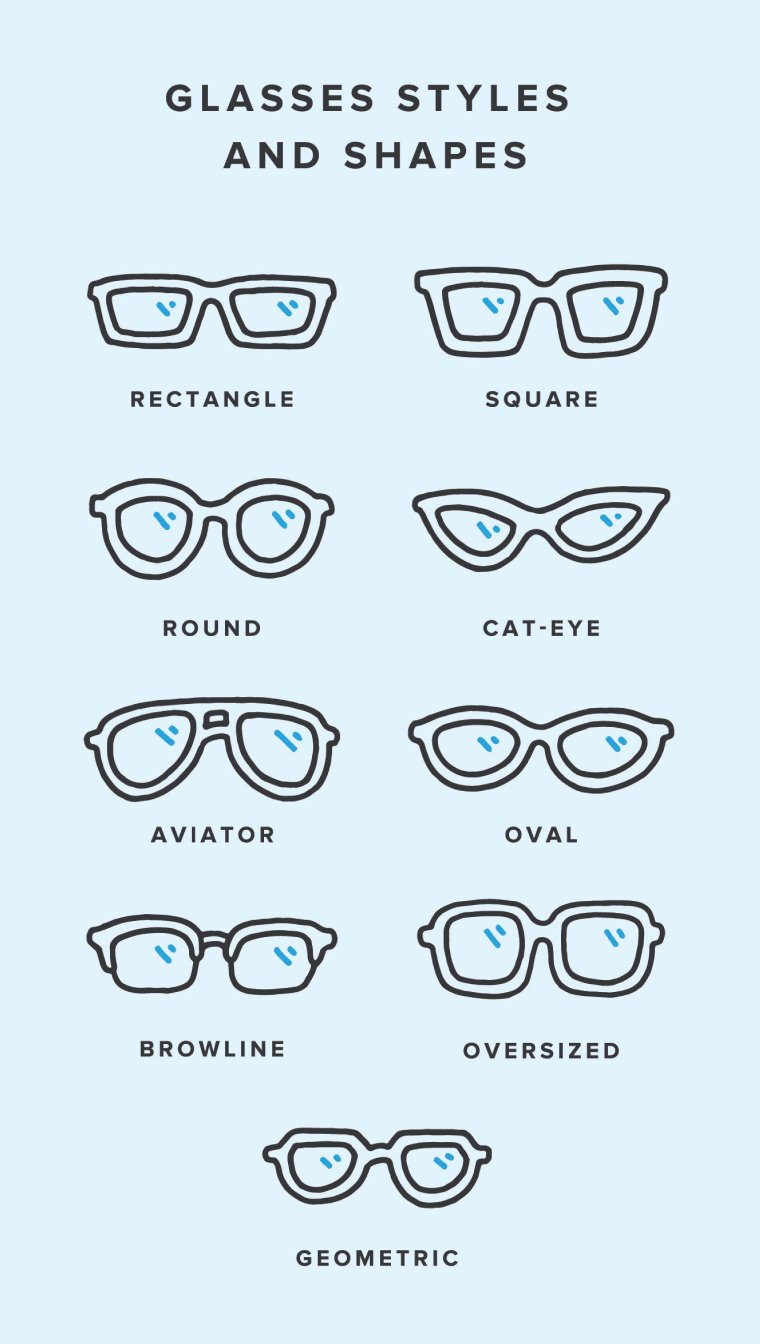
There are nine core eyeglass frame styles that dominate the optical industry: Rectangle, Round, Cat-Eye, Browline, Oval, Square, Clubmaster, Geometric, and Aviator. Each style carries a distinct visual language and serves different face shapes, age groups, and fashion sensibilities. For optical brands, retailers, and wholesalers, understanding these frame names is essential when selecting stock, customizing collections, or communicating with design teams
Each frame style has its own history, vibe, and ideal audience. Whether your customers want bold, vintage-inspired pieces or sleek, minimalist designs, knowing the difference between these shapes will help you curate more relevant products and build a stronger eyewear brand. Let’s break down the 9 essential glasses styles every eyewear professional should recognize.
Rectangle Glasses
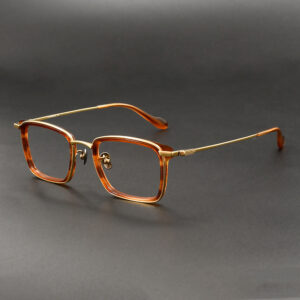
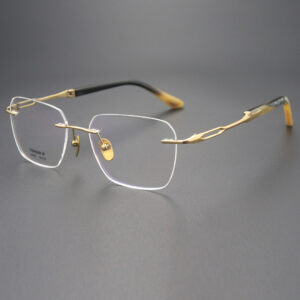
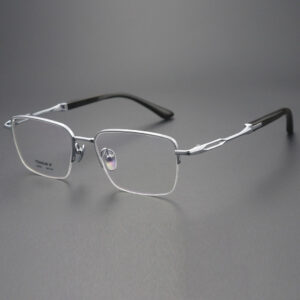
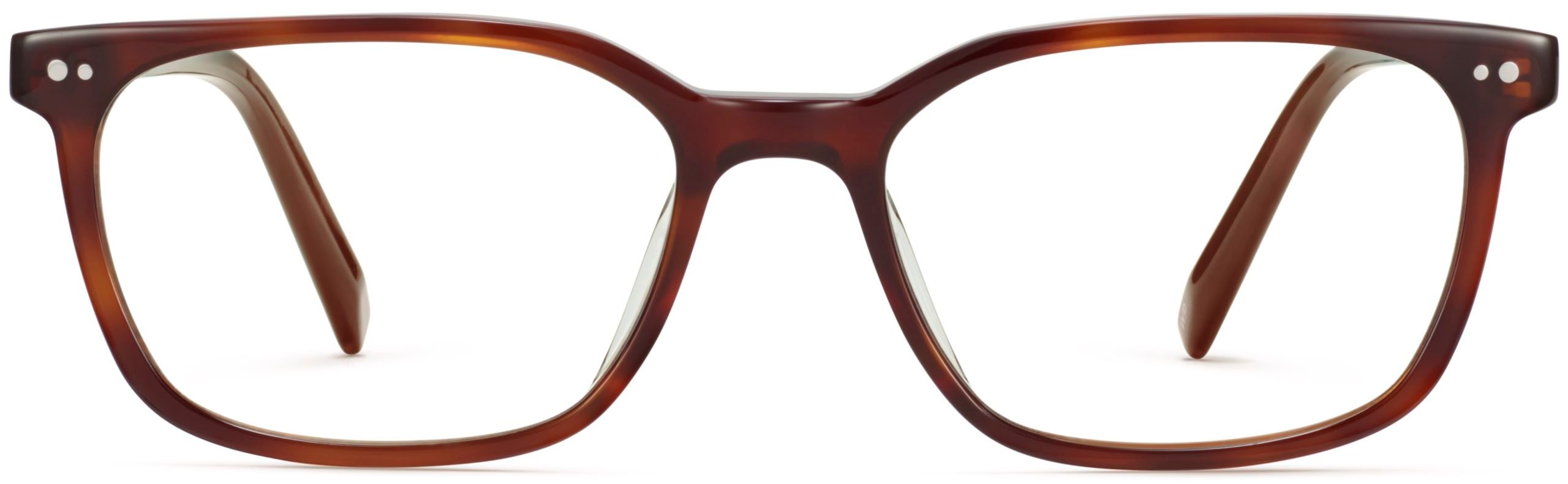
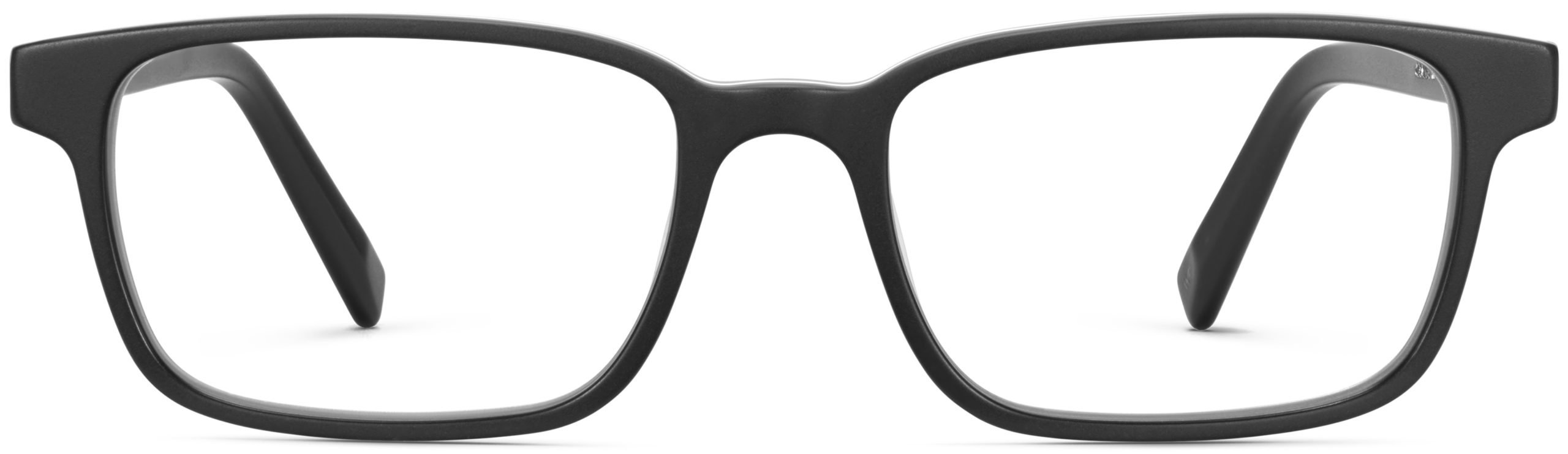
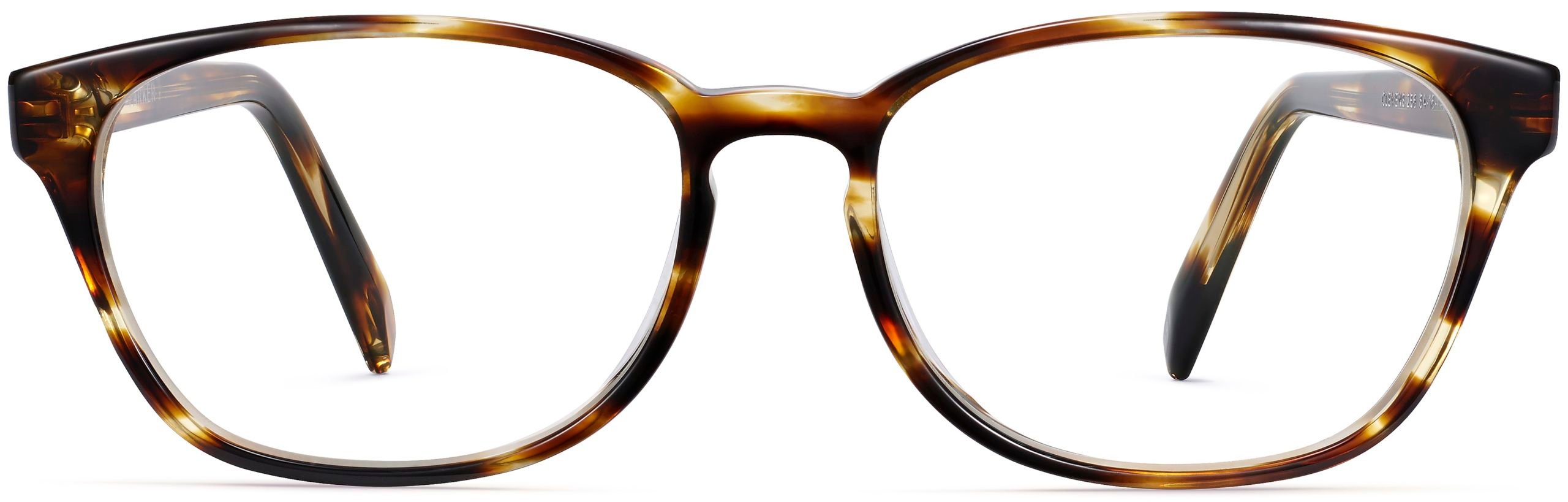
Rectangle glasses are a staple of the frame world for a reason: they’re almost universally flattering. Their lenses are wider than they are tall, with even, straight borders and rounded corners. They’re a simple, sophisticated, and reliable shape, but you can give them as much pizzazz as you like with bold colors.
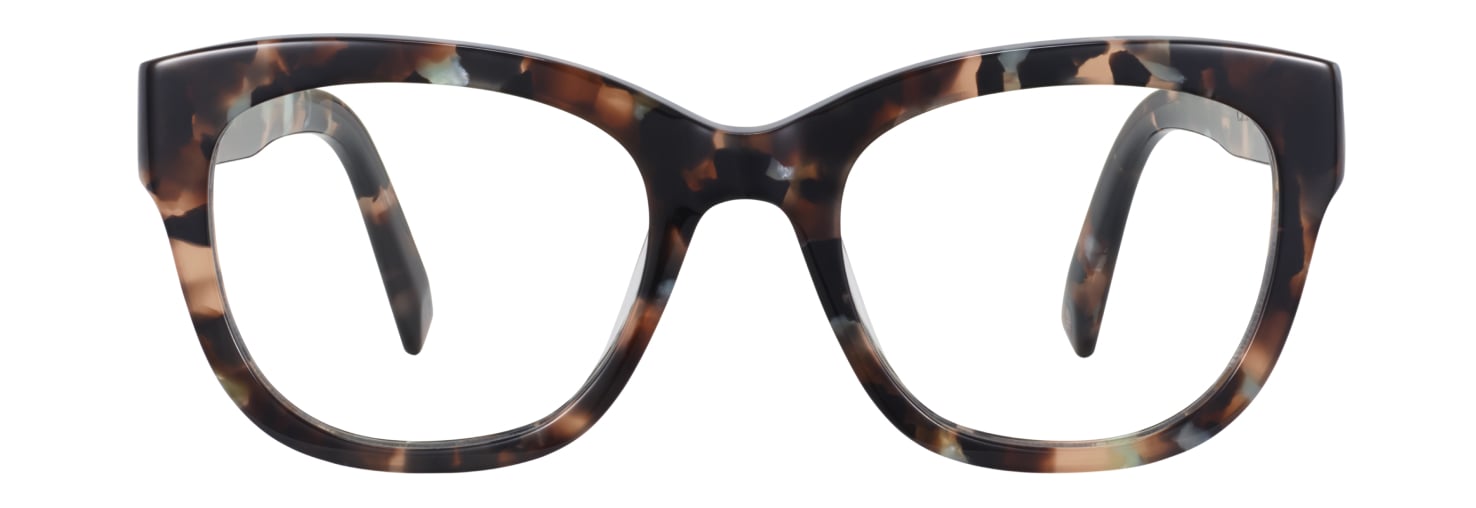
Square Glasses
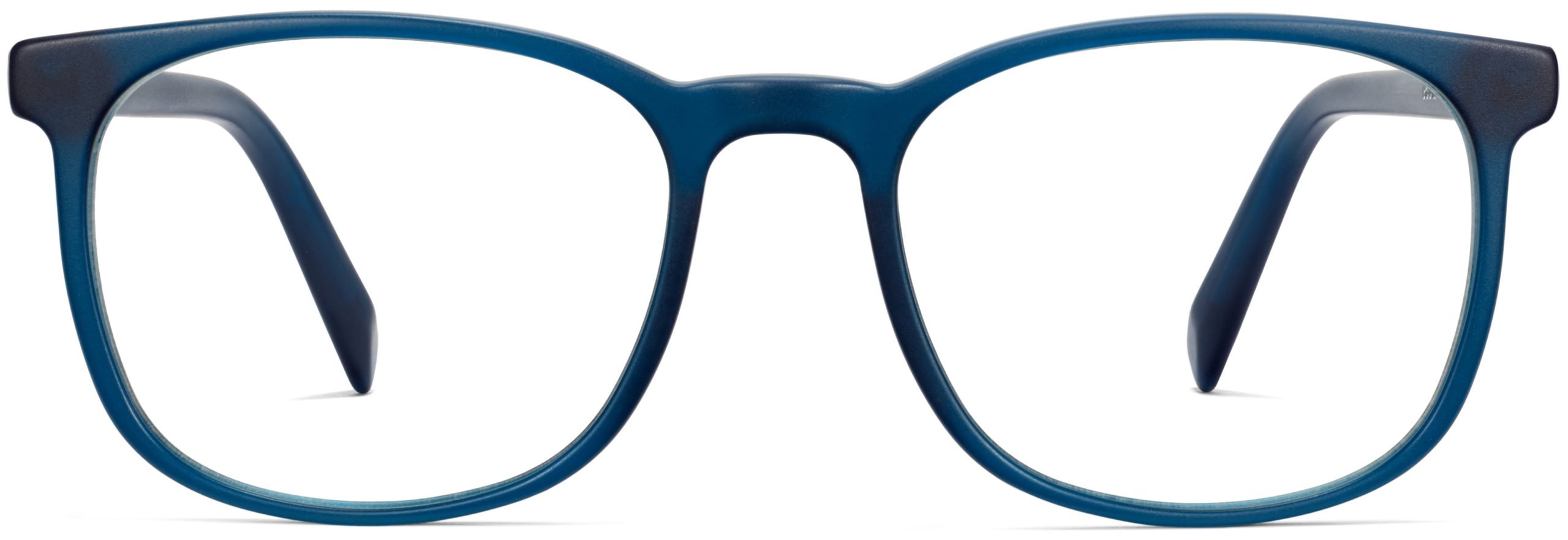
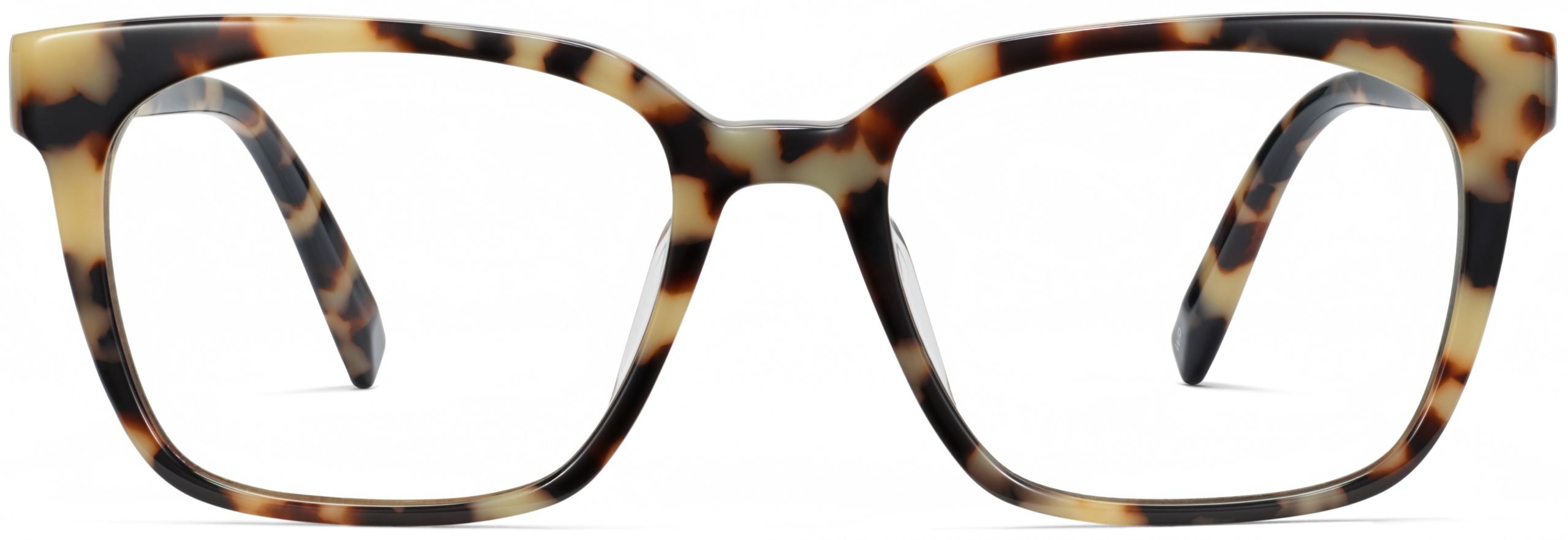
More angular than their rectangular cousins (say that five times fast), square glasses have lenses with approximately equal height and width. Their boxy shape can add some edge to soft, rounded facial features. This shape is bold with old-school appeal.
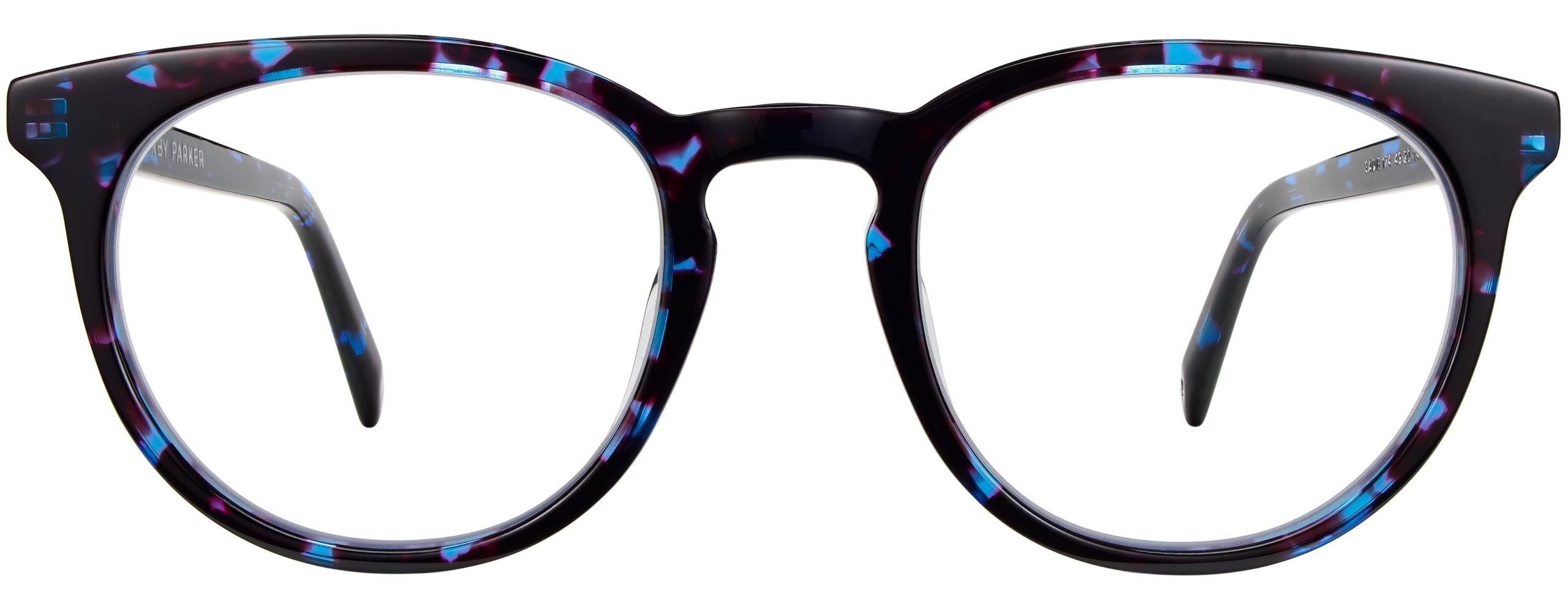
Round Glasses
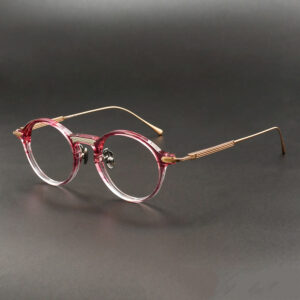
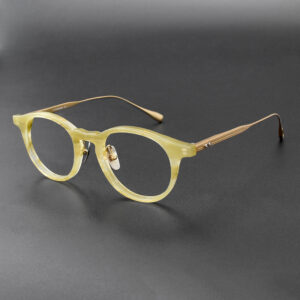
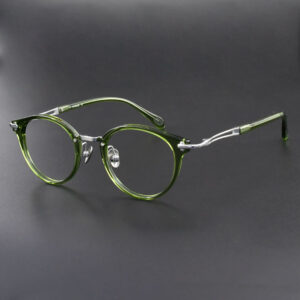
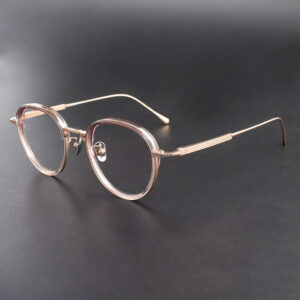
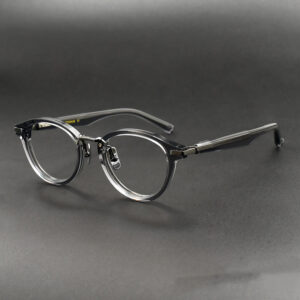
For such a simple shape, the circle takes a certain amount of confidence to pull off. Round thin glasses have an authoritative, charmingly vintage vibe, whereas thicker acetate frames carry a more fashion-forward spirit. This is a style that’s instantly memorable, but also one whose singularity should be respected.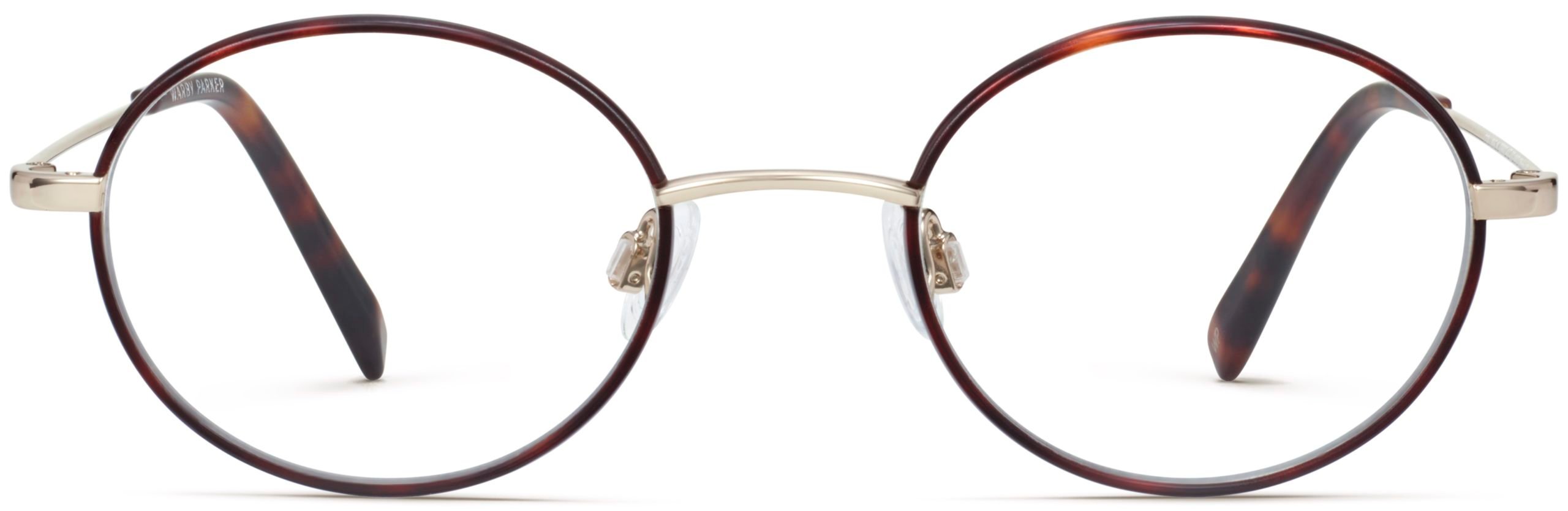
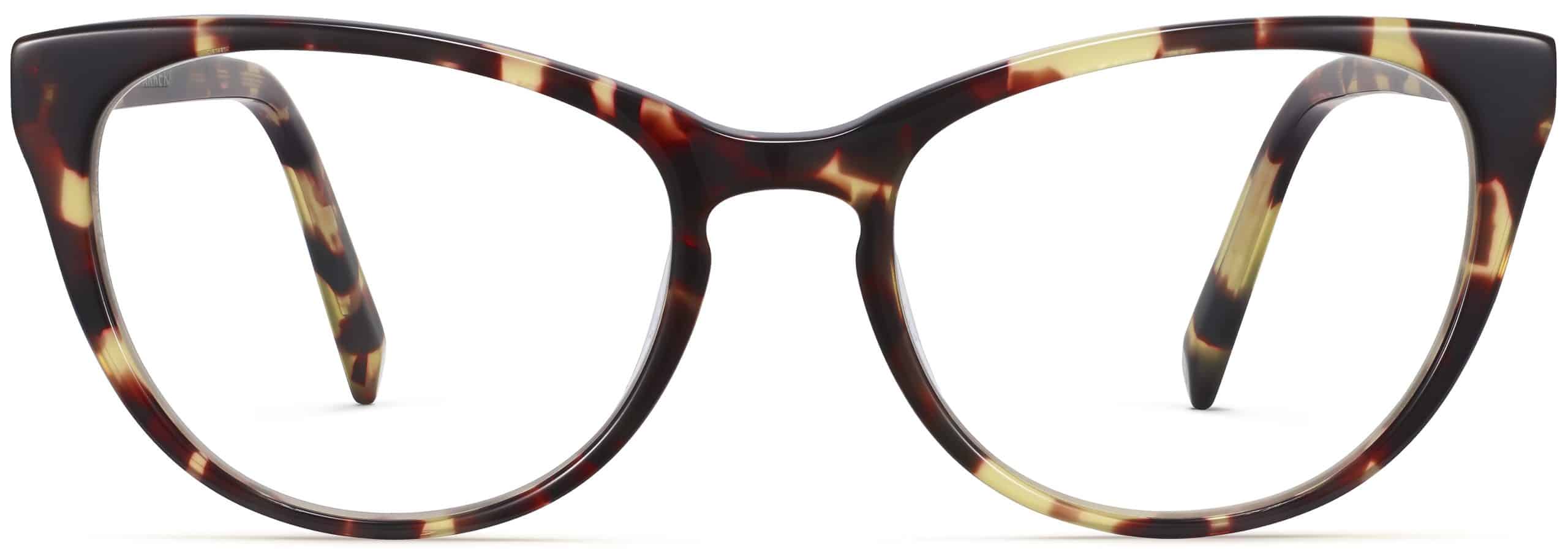
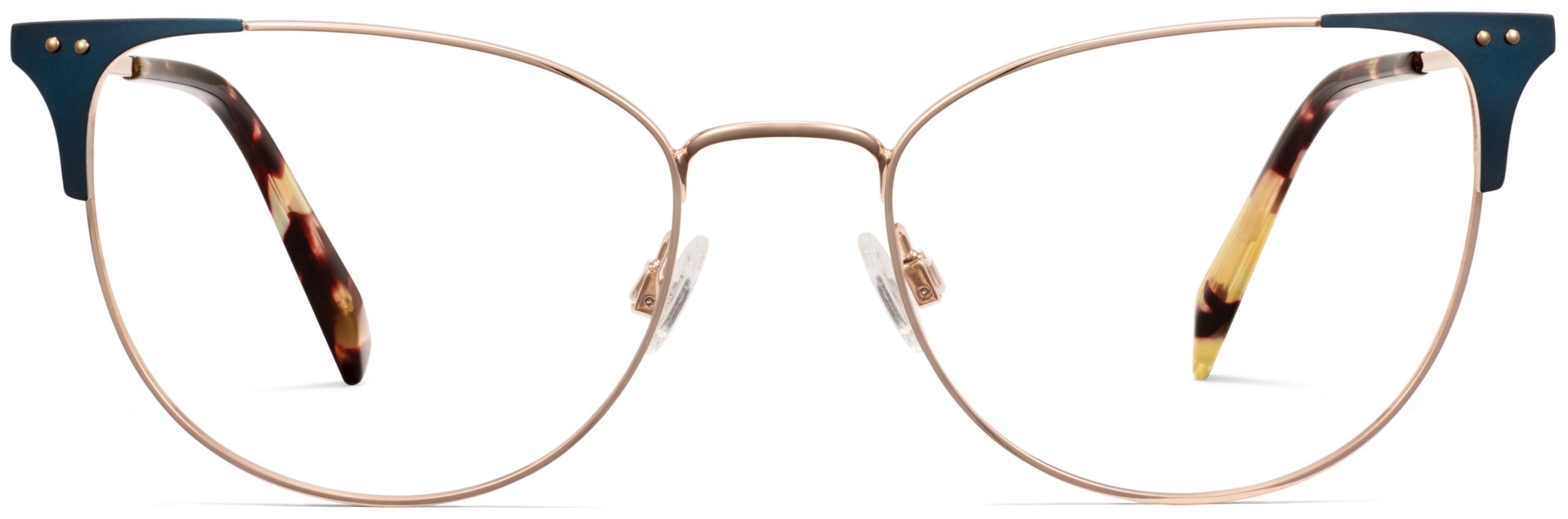
Cat-eye Glasses
The epitome of understated glam, cat-eye glasses have upper corners (the ones nearest your temples) with an upswept shape, almost as though they’re implying thick eyelashes. Their distinctive, curvy browline has led them to be characterized as a feminine glasses style, but rest assured, anyone can wear cat-eyes to great effect.
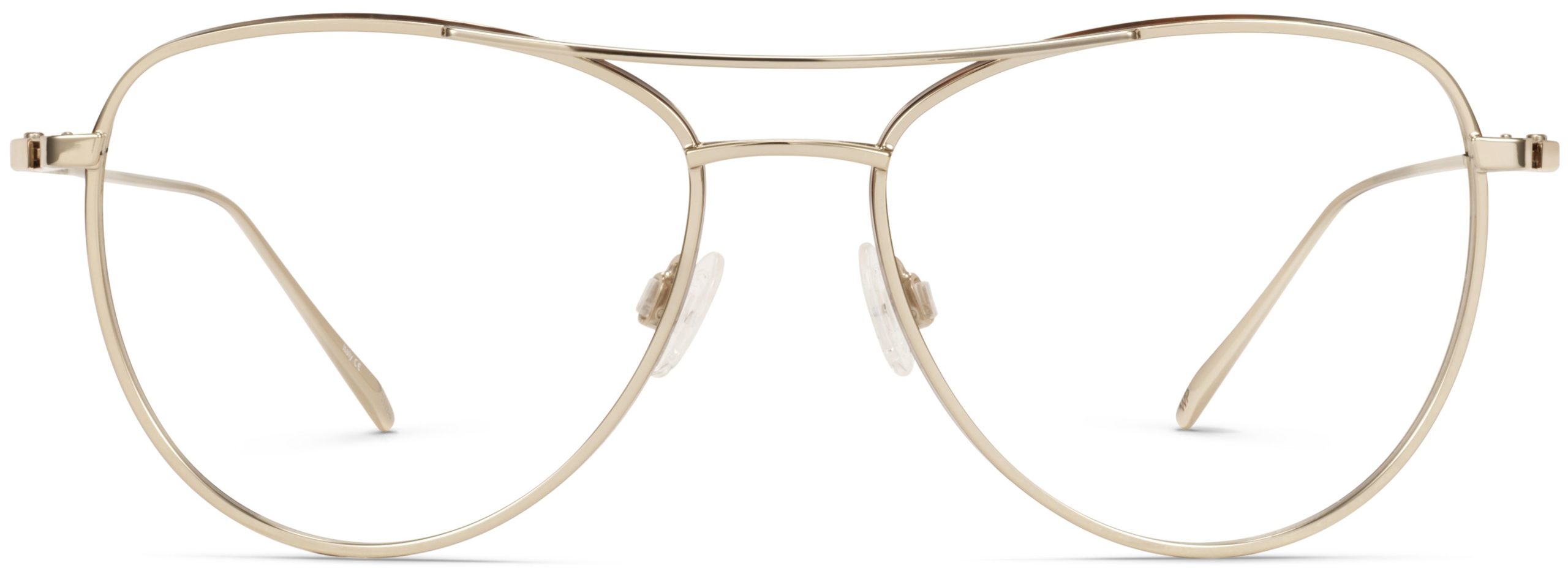
Aviator Glasses
Aviator glasses are also known as pilot glasses. In their earliest incarnation, they were tinted sunglasses worn by military pilots. However, their broad lenses and bar-over-the-nose-bridge design eventually took off (pardon the pun) amidst the general public. Now they’re available as a style of regular prescription glasses as well as sunglasses.
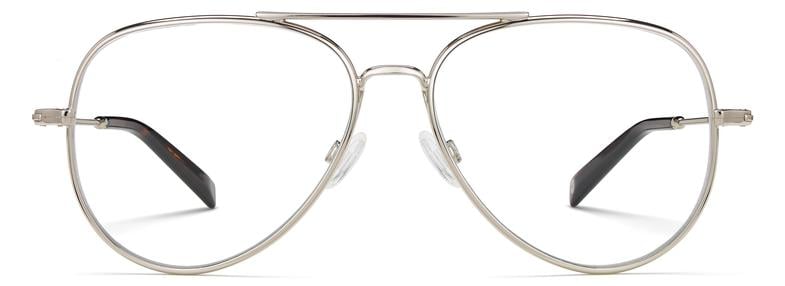
Oval Glasses
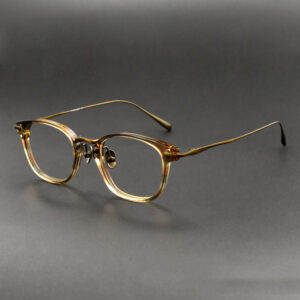
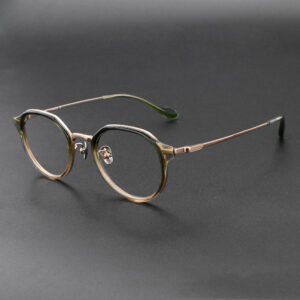
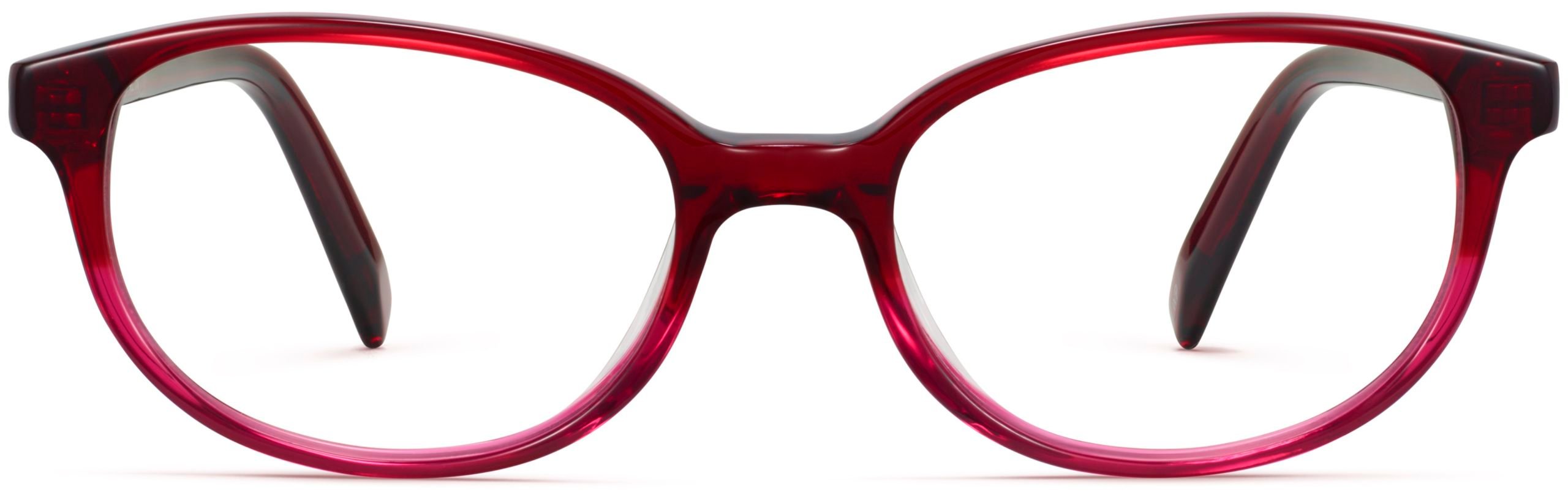
A bit more wide than circular frames, and more rounded than rectangular ones, oval glasses have a smooth, chic look that can play well with sharper or more angular features. Their frames can be thick or wire-thin, making them an attractively flexible option for wearers.
Browline Glasses
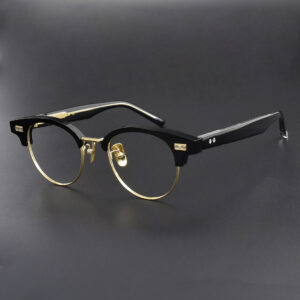
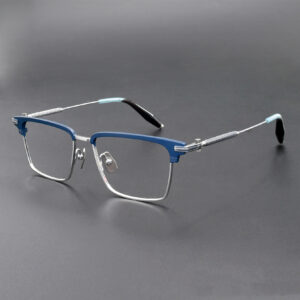
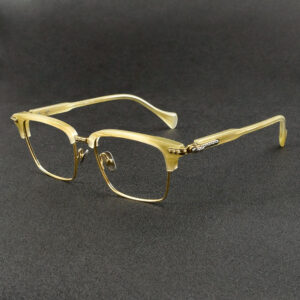
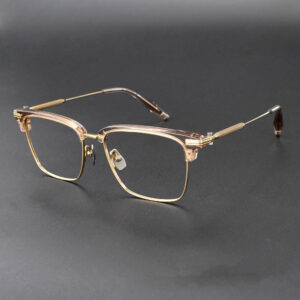
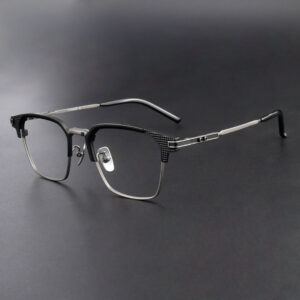
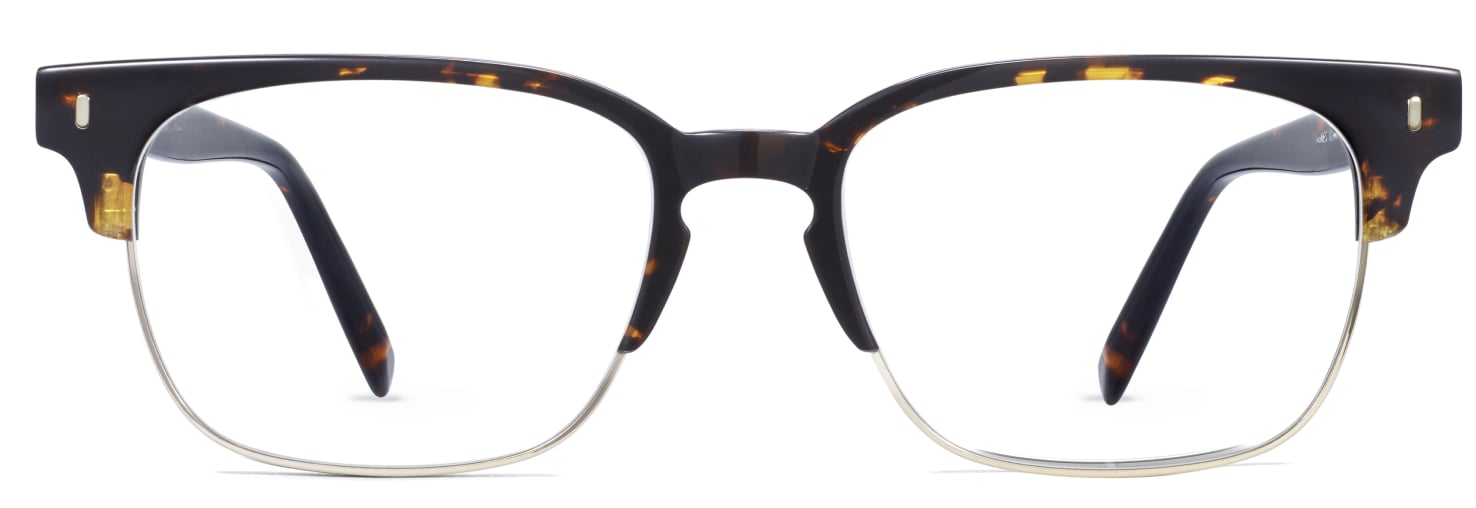
Browline glasses, faithful to their title, have frames that outline the brows and leave the bottoms of the lenses largely rimless or with thinner outlines. They’re associated with an academic, stoic kind of style, and were hugely popular in the 1950s.
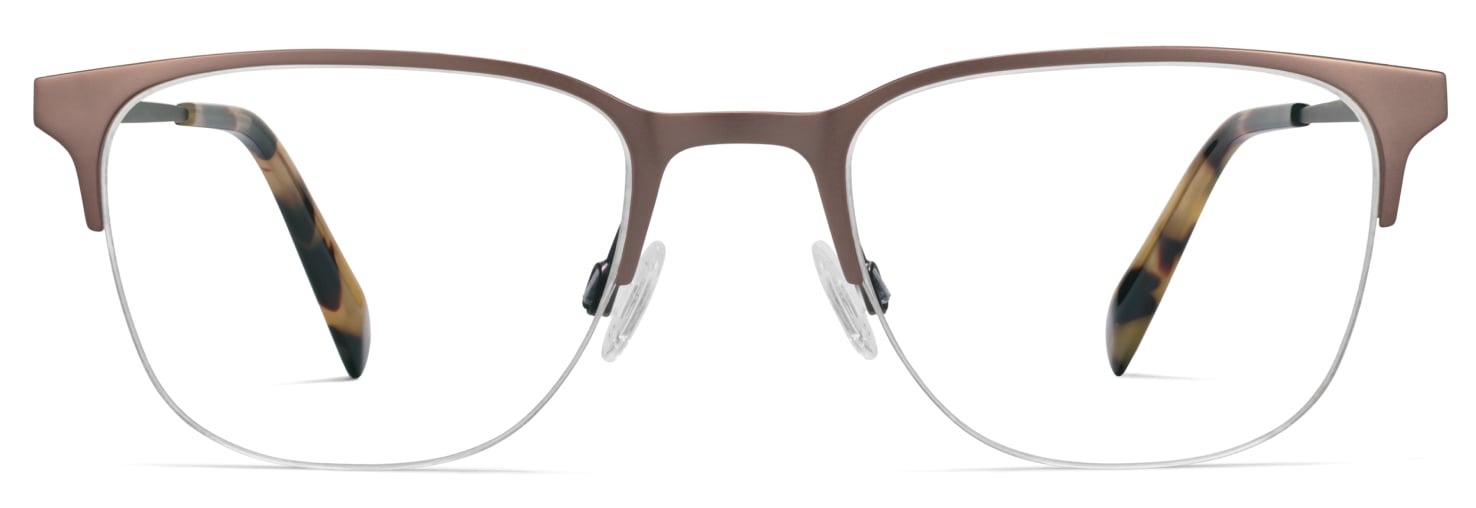
Geometric Glasses
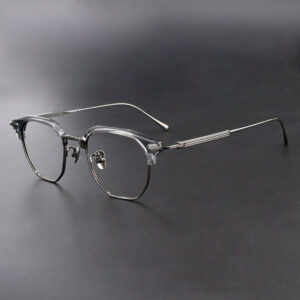
Geometric glasses embrace the shapes that others don’t—hexagons, octagons, rounded bottoms with angled tops, and a host of others. If the lens borders have more than four distinct sides, or a shape that just isn’t easily categorizable, then they’re probably geometric frames. This glasses style is for anyone who truly wants to stand out in a crowd.
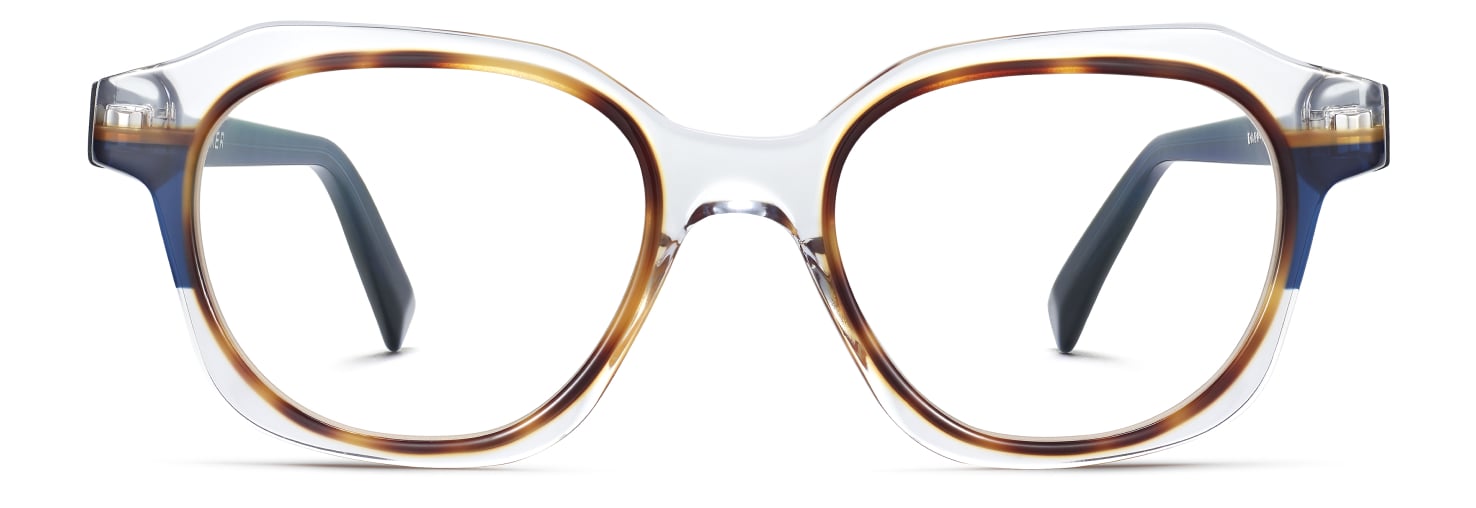
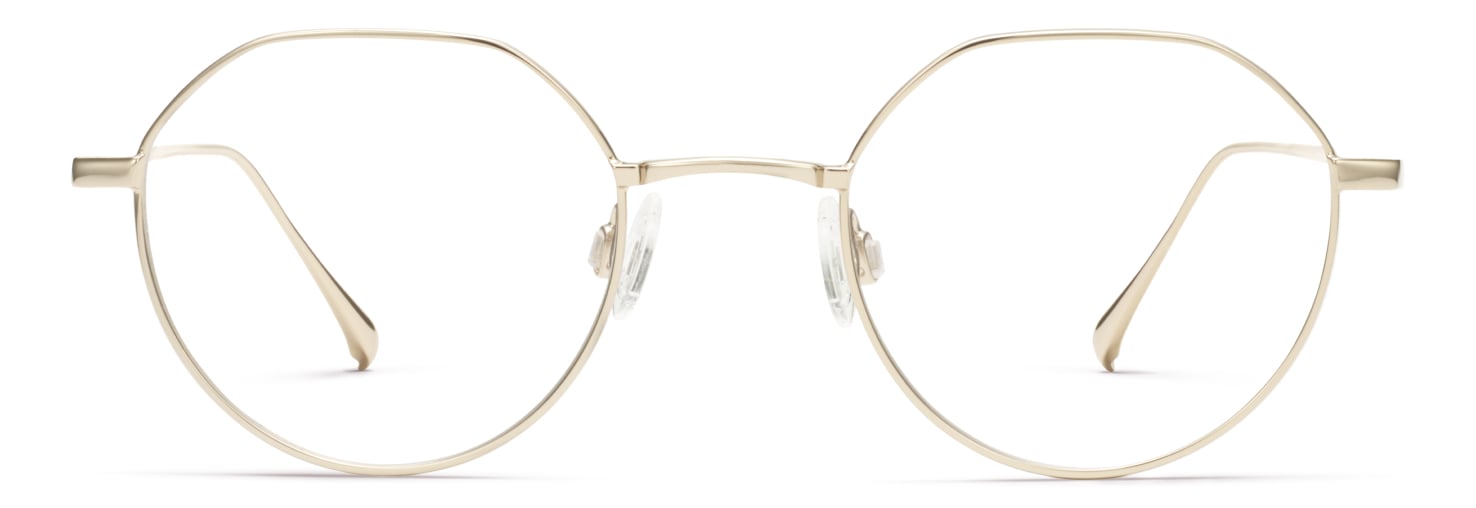
Oversized Glasses
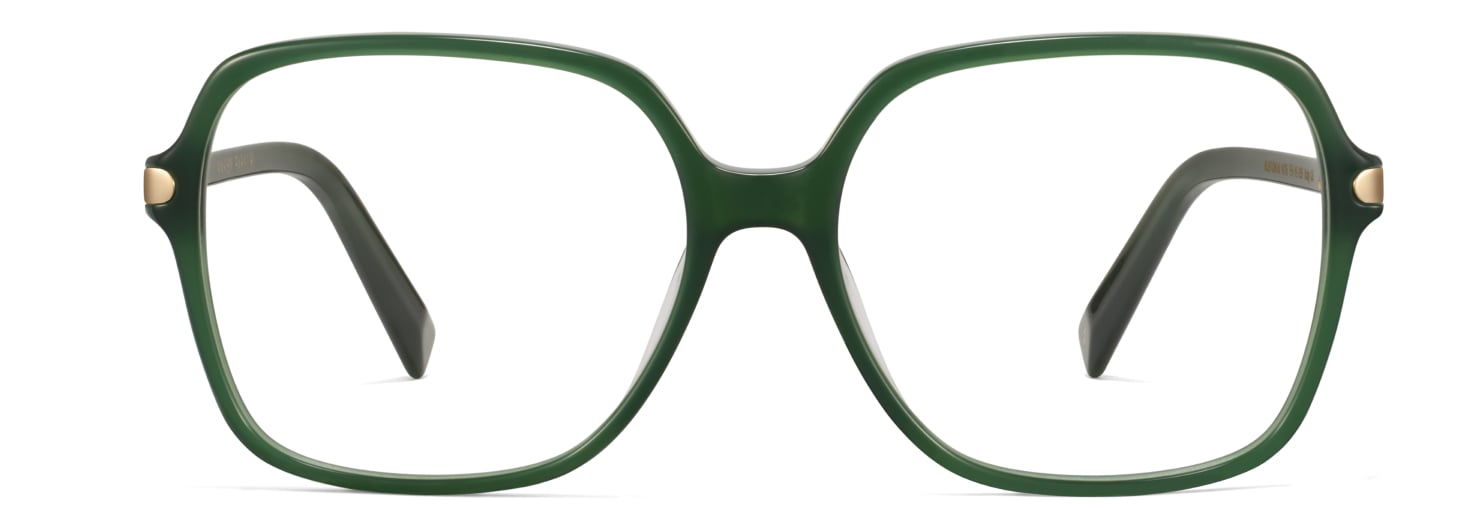
Oversized glasses aren’t limited to a single frame shape. As their name implies, their distinguishing feature is that they’re quite large, and therefore they aren’t as ubiquitous in stores. They’re not always novelty items, though—their big lenses provide a broad field of vision, and their size makes them striking accessories for the fashion-forward set.
Conclusion
Eyeglasses are more than just vision correction tools—they’re personal style statements, brand identity carriers, and cornerstone products in any successful eyewear business. By understanding the different frame styles, shapes, and their unique appeal, you can better target your audience, provide expert guidance to your customers, and build a collection that truly reflects your brand positioning. Whether you’re a wholesaler, optical retailer, or launching your own eyewear label, having a solid grasp of eyeglass frame styles gives you a major advantage in the competitive market.
Remember: the more you understand about styles and design elements, the smarter your customization decisions will be. In today’s eyewear industry, customization isn’t just a nice-to-have—it’s a core strategy for sustainable growth.