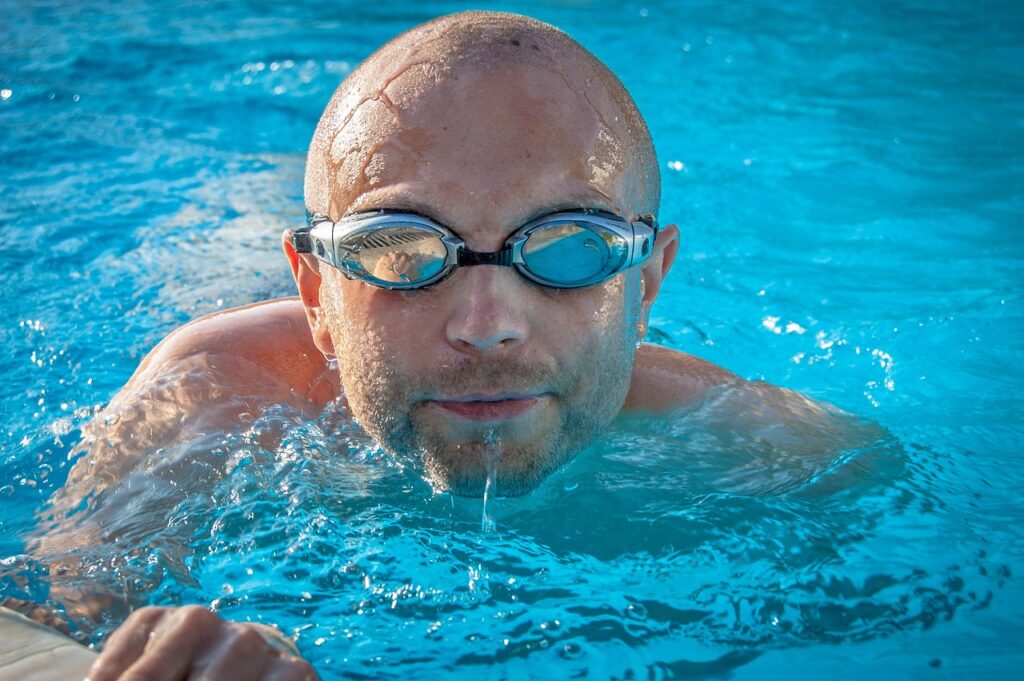
When you’re skiing down a mountain at full speed, the last thing you want is snow blinding your eyes or fog clouding your vision. But that’s exactly what happens if you’re not wearing the right eye protection. Ski goggles aren’t just a pro-level accessory—they’re an essential piece of gear that can make or break your experience on the slopes.
Whether you’re a store owner, an eyewear distributor, or just someone passionate about snow sports, understanding ski goggles from the inside out is critical. In this blog, we break down the role ski goggles play, what makes a good pair, and why they’re worth the investment.
Why Are Ski Goggles Necessary?
It’s not hype—ski goggles protect your eyes from some serious environmental hazards. Here’s what you’re up against on a typical ski day:
| Environmental Factor | Potential Risk Without Goggles |
|---|---|
| UV Radiation (UVA/UVB/UVC) | Corneal damage, long-term vision loss |
| Cold wind at high speed | Eye dryness, watering, blurred vision |
| Blowing snow or ice | Eye injury, irritation |
| Bright sun & glare | Reduced contrast, eye fatigue, snow blindness |
| Fog/humidity | Poor visibility, dangerous skiing |
According to the World Health Organization, UV radiation increases by approximately 10% for every 1,000 meters of elevation. On a mountain like Chamonix or Aspen, that means your eyes are taking in 30–50% more UV than at sea level.
Add high-speed descents, sharp turns, and sudden weather changes—and your eyes need all the help they can get.
What Makes a Great Pair of Ski Goggles?
A great pair of ski goggles does more than protect your eyes. It improves your visibility, enhances comfort, and boosts confidence—especially in bad weather.
Let’s break down the key components and why they matter:
Ski Goggle Components
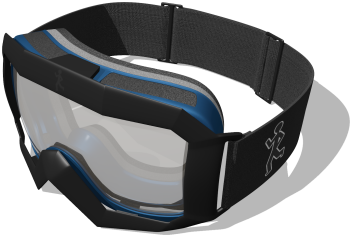
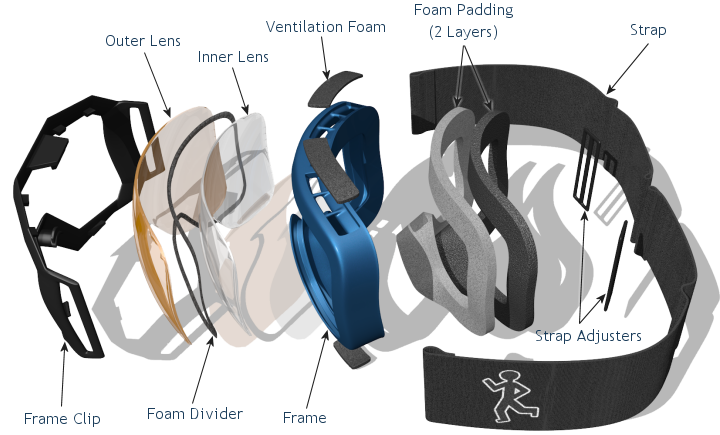
Ski goggles are made from several different components, which all have an important role to play in improving your vision, protecting your eyes, and keeping you comfortable. Below is a diagram of the different components, and explanations on what each of the components do, and what features they can have.
1. Lenses: Your First Line of Defense
☑️ Material
Most ski goggle lenses are made from polycarbonate or Trivex. Why?
- Lightweight (important for all-day wear)
- High impact resistance (won’t shatter if you fall)
- Built-in UV protection (blocks 100% of UVA, UVB, UVC)
☑️ Double-Layer Lenses
A double-lens design creates an insulating air barrier, which:
- Reduces fogging by maintaining temperature balance
- Keeps the inner lens warmer than outside air
Fact: Studies show double-lens goggles reduce fogging by up to 60% compared to single-lens models.
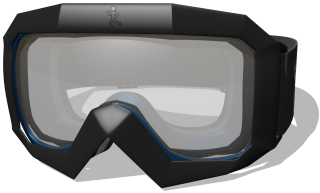
☑️ Lens Shapes: Flat vs. Spherical
| Feature | Flat Lens | Spherical Lens |
|---|---|---|
| Shape | Curved only horizontally | Curved both horizontally & vertically |
| Cost | Lower | Higher |
| Field of View | Moderate | Wide, natural |
| Distortion | Slight at edges | Minimal |
Spherical lenses cost more, but they’re worth it for anyone skiing in varied terrain or at high speed.
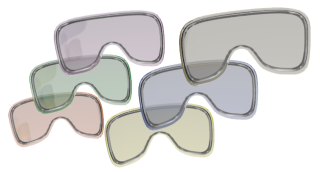
☑️ Tints & VLT (Visible Light Transmission)
| Weather Condition | Recommended Tint | VLT Range |
|---|---|---|
| Snowy / Foggy | Yellow, Rose | 60–90% |
| Sunny / Bright | Grey, Mirrored, Blue | 5–20% |
| Mixed Conditions | Amber, Red | 25–50% |
| Night Skiing | Clear | 80–95% |
Photochromic lenses are also popular—they adjust automatically to the light. One lens for all weather. No swapping needed.
☑️ Anti-fog & Scratch-resistant Coatings
Most quality goggles have a special coating inside the lens that prevents moisture condensation. Don’t wipe it roughly—dab gently with a microfiber cloth.
2. The Frame: The Backbone of Comfort
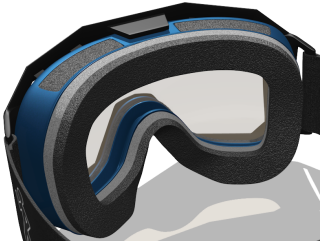
A well-designed frame:
- Holds the lens securely
- Allows airflow through ventilation ports
- Adapts to your face shape and helmet
Good ventilation is critical. Goggles with poor airflow fog up fast. Look for designs with top and bottom vents, especially if you ski in humid areas or sweat easily.
Also, some frames include flexible arms or clips that adjust to helmet straps—this can dramatically improve comfort and reduce pressure points.
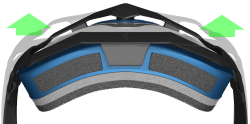
3. Face Foam Padding: Don’t Overlook It
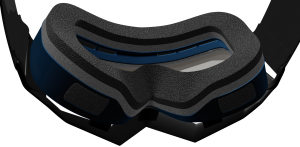
It might sound minor, but multi-layer foam makes a huge difference:
- Molds to your face shape
- Absorbs moisture
- Prevents gaps (which lead to fogging or snow leakage)
Foam density and softness vary by brand. We recommend 2–3 layers of hypoallergenic, breathable foam for all-day comfort.
4. The Strap: Small, But Mighty
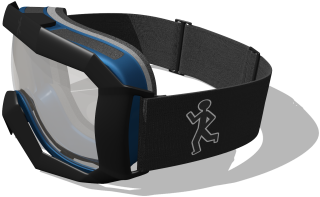
A simple strap does three big jobs:
- Holds the goggle in place—even during jumps or falls
- Works with your helmet (look for wider, helmet-friendly bands)
- Adjusts for a snug but comfy fit
Some premium models include:
- Quick-release buckles
- Anti-slip silicone lines inside the strap
5. Prescription-Friendly Features
For customers who wear glasses, there are two great options:
- OTG Goggles (Over The Glasses): Extra frame depth and notches at the temples
- RX Inserts: Snap-in prescription lenses behind the goggle lens—cleaner look and better fit
6. Field of View (FOV)
Peripheral vision can be a game-changer, especially on crowded slopes. Goggles with a wide FOV (usually spherical lenses + slim frames) let you see more without turning your head.
This reduces blind spots and helps you anticipate obstacles.
🔍 Did You Know?
According to ski safety data, 28% of slope collisions happen due to limited peripheral awareness—often caused by poor-quality goggles.
Real-World Buying Advice: What Should You Look For?
Whether you’re sourcing goggles for your shop or buying for personal use, here’s a practical checklist:
✅ Fit Test
- Try them with your helmet
- Make sure they seal comfortably on your face
- No pressure on the nose or temples
✅ Lens Type
- Skiing in sun? Go mirrored or polarized.
- Mixed weather? Try photochromic or lens-swap systems.
- Night? Clear lenses only.
✅ Brand Comparison
Try multiple models—each brand fits differently. Just like shoes.
✅ Budget
- Entry-level: $30–50 (basic protection, decent lenses)
- Mid-range: $60–100 (anti-fog, better fit, some tint options)
- High-end: $120+ (interchangeable lenses, wide FOV, premium coatings)
Final Thoughts: It’s Not Just About Looks
Ski goggles aren’t just a cool-looking accessory—they’re your eye’s best defense against harsh weather, UV rays, snow glare, and poor visibility. Whether you’re cruising groomers or hitting backcountry powder, having the right pair of goggles will enhance your confidence, safety, and overall skiing experience.
At Eyewearglobo, we specialize in customizable, mid-to-high quality ski goggles for B2B buyers—perfect for wholesalers, private label brands, and optical stores looking for reliable performance and style.
Need bulk or OEM ski goggles for your business?