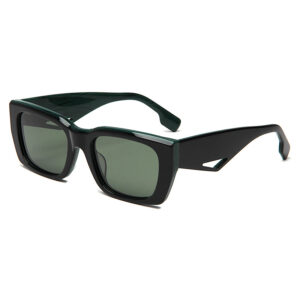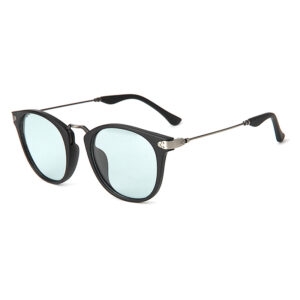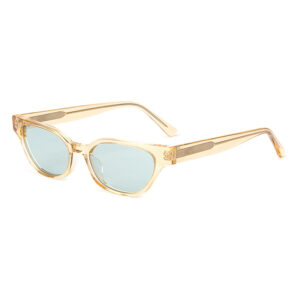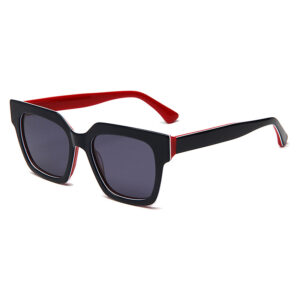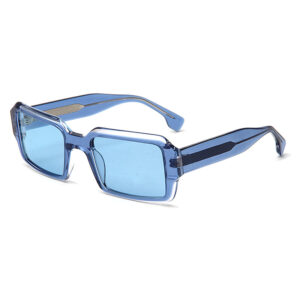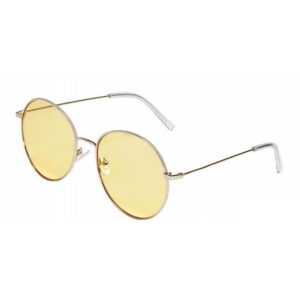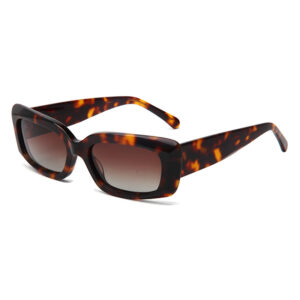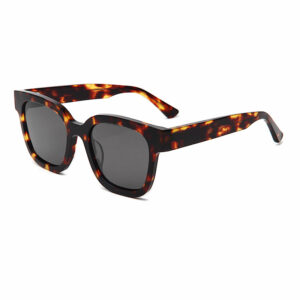
Reading glasses are one of the most essential categories in the optical market, especially for adults over the age of 40 who experience age-related near vision loss, known as presbyopia. As the demand for reading glasses continues to grow worldwide, eyewear wholesalers and private label brands must make informed decisions about what types of products to offer—and how to source them efficiently.
At EyewearBeyond, we specialize in B2B eyewear manufacturing and wholesale services, based in China with 5 modern production lines. We supply a wide range of middle- and high-quality reading glasses to wholesalers, retailers, and independent eyewear brands across the globe. Whether you’re looking for ready stock, custom designs, or OEM/ODM production, we provide flexible solutions tailored to your business model.
This guide covers everything you need to know about reading glasses from a business perspective:
- What reading glasses are and how they work
- Why your customers need them
- How to choose the right types and lens powers
- Key features to consider for wholesale purchases
- Where and how to source high-quality reading glasses in bulk
Whether you’re new to the reading glasses market or looking to upgrade your current supply, this article will help you make confident and profitable decisions.
What Are Reading Glasses—and How Do They Work?
Reading glasses are magnifying lenses designed to help users see nearby objects clearly. They are primarily used to compensate for presbyopia, a natural aging process where the eye’s lens loses flexibility, making it difficult to focus on close-up text or objects. Most reading glasses are non-prescription and come in standard lens powers ranging from +1.00 to +3.50.
They are typically used during activities like reading, sewing, crafting, or using digital devices, and can significantly reduce eye strain, headaches, and blurred vision for your customers. From a business standpoint, they are one of the most cost-effective and high-turnover products to include in your optical lineup.
What Are Reading Glasses?
Reading glasses are specialized optical eyewear designed to help individuals see nearby objects more clearly, especially when performing tasks such as reading, writing, sewing, or using smartphones and tablets. These glasses address a common age-related condition called presbyopia, which typically begins around age 40 and gradually worsens over time.
Presbyopia occurs when the eye’s natural lens loses flexibility, making it difficult to focus on close-up tasks. Reading glasses offer a simple, non-prescription solution by using magnifying lenses that enlarge the appearance of nearby text and objects, reducing strain and improving visual clarity.
Key Characteristics of Reading Glasses:
- Lens Power Range:
Typically available in strengths ranging from +1.00 to +3.50 diopters, in 0.25 increments. These are selected based on the severity of the user’s near vision loss. - Non-Prescription:
Most reading glasses are “over-the-counter,” meaning they don’t require a doctor’s prescription and are available in standardized strengths. - Use Case:
Worn only during near-vision activities. They are not intended for distance vision or continuous wear (unless combined with other lens features like progressive lenses). - Frame Styles:
Available in a wide range of frame materials including metal, TR90, acetate, and eco-friendly plastics. Styles vary from classic to modern, catering to different demographics.
For eyewear wholesalers and private label brands, reading glasses represent a high-demand, fast-moving category with broad appeal across age groups and regions. They are ideal for resale in pharmacies, optical shops, supermarkets, and online platforms.
At EyewearBeyond, we manufacture and supply reading glasses in bulk, offering both ready stock and OEM/ODM customization options to match your branding, target customer, and pricing strategy.
Why Do You Need Reading Glasses?
Reading glasses aren’t just a convenience—they’re a necessity for millions of people worldwide who experience vision challenges related to age, screen time, or eye fatigue. As a wholesale buyer or brand owner, understanding why your customers need reading glasses will help you curate the right product mix, respond to demand trends, and educate your end users more effectively.
Let’s explore the main reasons people turn to reading glasses:
3.1 Age-Related Vision Changes (Presbyopia)
Presbyopia is the most common reason people begin using reading glasses. It typically starts to affect adults over the age of 40, and it’s a natural, unavoidable part of aging. As the eye’s crystalline lens becomes less flexible, focusing on near objects becomes difficult.
Reading glasses solve this problem by magnifying text and close-up visuals, allowing users to read clearly without squinting or adjusting distance. In fact, presbyopia is the largest driver of demand in the global reading glasses wholesale market.
3.2 Eye Strain from Screen Use
With increased use of smartphones, tablets, and computers, many people—regardless of age—experience digital eye strain. This condition leads to blurred vision, dryness, and difficulty focusing after prolonged screen time.
Reading glasses with blue light filtering lenses offer a dual solution: magnification for reading on screens and protection from blue light emissions. These glasses are especially popular among younger professionals and remote workers, and they represent a fast-growing niche in both retail and private label product lines.
3.3 Improve Reading Clarity and Comfort
One of the biggest benefits of reading glasses is instant visual improvement. They make everyday tasks easier and more enjoyable—reading books, working with documents, following recipes, or sewing.
For your customers, this translates to better quality of life, and for your business, it means an opportunity to offer practical, value-driven eyewear that meets clear functional needs. Many users keep multiple pairs: one at home, one in the office, and one in their bag—which increases repeat purchasing and overall sales volume.
3.4 Prevent Headaches and Fatigue
Undiagnosed presbyopia or constant eye strain can lead to chronic headaches, blurred vision, and general fatigue, especially during reading or detail work. Many consumers don’t even realize the cause of their discomfort until they try on reading glasses.
By offering well-made, optically precise reading glasses, you’re not only providing a product—they’re offering a solution to discomfort that improves daily performance and mental focus.
3.5 Other Benefits
Beyond magnification, reading glasses today come with various value-added features that expand their use cases and customer appeal:
- Photochromic lenses that darken under sunlight
- UV protection for outdoor reading
- Scratch-resistant and anti-reflective coatings
- Stylish frames that serve both fashion and function
- Eco-friendly materials to meet sustainability trends
These added features allow you to differentiate your product offering in the wholesale market and cater to evolving consumer expectations.
Offering reading glasses is no longer just about vision correction—it’s about lifestyle, comfort, and brand trust. At EyewearBeyond, we help wholesalers and private label brands meet these evolving needs with customizable and ready-to-ship solutions that align with real market demand.
How Do Reading Glasses Work?
Reading glasses work by using convex lenses to help focus light directly onto the retina, compensating for the eye’s reduced ability to focus on nearby objects—a condition known as presbyopia. These glasses enlarge close-up text or objects, allowing users to see more clearly and with less effort.
Here’s how it works step-by-step:
- In a healthy young eye, the natural lens can flex to focus on both distant and near objects.
- As we age, the lens becomes less flexible and struggles to focus on close-up tasks.
- Reading glasses use positive (plus-powered) lenses, typically ranging from +1.00 to +3.50 diopters, which add the extra focusing power needed for near vision.
- The convex shape of the lenses bends light rays inward, helping them converge correctly on the retina when looking at nearby objects.
- The result: clearer near vision, less eye strain, and improved reading comfort.
Key Technical Features:
- Lens Strength (Diopter): Indicates the magnification power. Higher numbers mean stronger magnification.
- Focal Length: Reading glasses are optimized for a typical reading distance—about 14–18 inches (35–45 cm) from the eyes.
- Monofocal Lenses: Standard reading glasses use the same magnification across the entire lens, unlike progressive lenses or bifocals.
Why This Matters for Wholesale Buyers:
Understanding how reading glasses work allows you to:
- Educate your end customers more confidently
- Choose the right lens powers for your inventory
- Offer added features like anti-reflective coating, blue light protection, or progressive options for multi-purpose use
- Differentiate your brand by explaining product benefits in simple, customer-friendly language
At EyewearBeyond, we produce reading glasses with optical-grade lenses that meet international standards, ensuring both functional clarity and wearing comfort. Whether you need ready stock or custom lens specifications, our production capabilities support a wide range of reading solutions.
How to Use Reading Glasses Correctly?
Reading glasses are designed to make close-up tasks easier and more comfortable—but for users to get the full benefit, they need to understand when to wear them and how to care for them properly. As a wholesaler or brand owner, educating your customers on proper usage helps reduce returns, complaints, and misuse-related wear and tear.
5.1 When and Where to Wear Them
Reading glasses are intended for near-vision tasks. They should be worn only when needed and not for general vision throughout the day. Here’s when and where users should wear them:
- Reading books, newspapers, or magazines
- Using mobile phones, tablets, or computers
- Writing, sketching, or journaling
- Sewing, knitting, or any close-up hobby
- Reading menus or labels in low-light environments
💡 Important:
Users should not wear standard reading glasses for driving or walking around, as the magnification can blur distance vision. If they require continuous wear for different distances, multifocal or progressive lenses may be more appropriate.
For store owners and distributors, consider providing printed instructions or visual guides with your wholesale orders to help end-users understand correct usage scenarios.
5.2 How to Keep Your Glasses Clean and Scratch-Free
Proper care not only extends the life of reading glasses but also ensures crystal-clear vision and customer satisfaction. Scratched or dirty lenses can lead to discomfort and dissatisfaction—even if the optical quality is good.
Here are some best practices to maintain lens quality:
- ✅ Use a microfiber cloth for cleaning. Avoid using shirts, tissues, or paper towels which can scratch the lens surface.
- ✅ Use lens cleaning spray or mild soap with lukewarm water. Avoid alcohol-based cleaners unless the lens coating supports it.
- ✅ Store glasses in a hard case when not in use to prevent accidental drops or pressure damage.
- ✅ Avoid placing glasses lens-down on tables or countertops.
- ✅ Keep away from extreme heat, such as in cars during summer, which can damage coatings or warp plastic frames.
At EyewearBeyond, we offer scratch-resistant coatings and anti-smudge lens options for all reading glasses models. These upgrades help reduce complaints from end-users and improve product longevity in real-world use.
How to Choose the Right Reading Glasses?
Choosing the right reading glasses goes beyond picking a lens strength. For businesses involved in eyewear distribution or private labeling, selecting the right types, lens powers, frame styles, and materials is essential to meeting customer expectations and building brand loyalty.
This section will help you identify the most popular options and how to match products to different user needs and market demands.
6.1. 5 Types of Reading Glasses
Understanding the common types of reading glasses helps wholesalers offer a more targeted product line. Here are five of the most in-demand categories:
- Full-Frame Reading Glasses
The most traditional type—magnification extends across the entire lens. Ideal for long reading sessions. - Half-Frame Reading Glasses
Smaller lenses that sit lower on the nose, allowing users to look over the glasses when needed. Suitable for multitasking. - Folding or Pocket Reading Glasses
Compact and highly portable. Popular among travelers and professionals. - Blue Light Reading Glasses
Combine magnification with a blue light filter for screen users. Fast-growing niche for digital lifestyles. - Sun Readers (Reading Sunglasses)
Reading glasses with UV protection for outdoor use. Great for beachgoers, gardeners, and seniors who read outside.
At EyewearBeyond, we manufacture all five types with customizable features, ideal for both ready stock programs and OEM private label eyewear.
6.2. How to Choose
6.2.1 Based on Lens Power
Lens power, or diopter strength, is the most critical functional factor in reading glasses. Selection depends on the severity of the user’s presbyopia.
| Age Range | Suggested Power |
|---|---|
| 40–45 | +1.00 to +1.50 |
| 45–50 | +1.50 to +2.00 |
| 50–55 | +2.00 to +2.50 |
| 55+ | +2.50 to +3.50 |
✅ Tip for wholesale buyers: Stock a full range of powers, but focus inventory on the mid-range (+1.50 to +2.50), which covers the largest user base.
6.2.2 Based on Frame Style and Material
Aesthetics and comfort are just as important as function—especially for long-term users.
- Metal Frames
Durable and classic; suitable for conservative, older demographics. - Acetate Frames
Stylish and customizable in color/patterns; ideal for private labels. - TR90 Frames
Lightweight, flexible, and impact-resistant; good for everyday wearers. - Eco-Friendly Materials
Growing in popularity with younger and eco-conscious consumers.
Also consider nose pads, temple design, and hinge durability, which affect wearing comfort and long-term satisfaction.
6.3. Things to Consider Before Buying
Before placing a wholesale or OEM order, consider the following:
- ✅ Target Market: Age group, gender, usage scenario, and income level
- ✅ Lens Features: Anti-scratch, blue light, UV protection, anti-reflective coating
- ✅ MOQ and Lead Time: Make sure the supplier matches your sales cycle
- ✅ Certifications: CE, FDA, or ISO compliance for your region
- ✅ Branding Options: Logo printing, custom packaging, barcode, etc.
- ✅ Samples & Quality Checks: Always request pre-production samples and inspection reports
At EyewearBeyond, we provide complete support across all of the above—offering both bulk reading glasses and fully customized OEM services with flexible MOQs and fast lead times.
Who Needs Reading Glasses the Most?
Reading glasses are a high-demand product category across a wide range of demographics. While presbyopia is the primary driver of demand, there are several other customer segments who benefit from and actively seek out reading glasses. Understanding who needs reading glasses the most can help wholesalers and eyewear businesses develop targeted product lines and effective marketing strategies.
1. Adults Aged 40 and Above
The largest and most consistent market for reading glasses is adults aged 40 and older. Around this age, presbyopia begins to affect near vision, making it difficult to read or perform close-up tasks without visual assistance. This group forms the core of the global reading glasses market, and their needs vary from low to high diopter strengths depending on their age and degree of vision loss.
🔎 Tip for wholesalers: Focus on diopter strengths between +1.50 to +2.50, which cover the majority of this demographic.
2. Office Workers and Professionals
Even younger adults in their 30s or early 40s may require reading glasses due to digital eye strain, especially if they work long hours in front of screens. This segment is particularly responsive to blue light reading glasses, which combine magnification with eye protection from harmful blue light emitted by computers, phones, and tablets.
🔎 Growing niche: Blue light reading glasses for tech workers and remote professionals.
3. Seniors and Retirees
The senior market (ages 60+) often needs higher magnification strengths, from +2.50 up to +3.50, and prioritizes comfort and simplicity. They also appreciate features like larger frame sizes, easy-grip temples, and durable lenses. For this group, full-frame readers are preferred, and reading sunglasses (sun readers) are a popular choice for outdoor use.
🔎 Purchasing trend: Seniors often buy multiple pairs for home, car, and travel use.
4. Hobbyists and Crafters
People of all ages who engage in hobbies that require precise near vision—such as knitting, painting, woodworking, or repairing electronics—often benefit from reading glasses, even if they don’t experience presbyopia yet. They may prefer half-frame readers or clip-on magnifiers for convenience and flexibility.
5. Travelers and On-the-Go Users
Compact and foldable reading glasses are highly attractive to business travelers, commuters, and busy individuals who need a lightweight, portable solution. This segment values functionality and portability above style, making it an ideal fit for pocket readers or magnetic bridge designs.
6. Fashion-Conscious Consumers
A growing number of consumers treat reading glasses not just as vision tools but also as fashion accessories. They’re drawn to trendy shapes, colorful frames, and modern materials. These users often purchase reading glasses from fashion retailers or private label eyewear brands, and they are more likely to switch styles frequently.
🔎 Product opportunity: Offer customizable styles, eco-friendly frames, and seasonal color collections.
In Summary:
Whether it’s an aging adult managing presbyopia, a screen-heavy worker fighting digital eye strain, or a style-savvy shopper looking for fashionable options—reading glasses meet diverse needs across global markets.
At EyewearBeyond, we help wholesalers and brand owners match the right products to each of these customer profiles through a wide range of ready stock and OEM reading glasses—covering all ages, styles, and functionalities.
Where to Buy Reading Glasses in Bulk or Wholesale?
If you’re an eyewear store owner, distributor, or private label brand looking to expand your product line, sourcing reading glasses in bulk from a reliable supplier is critical. The right supplier not only ensures consistent product quality, but also provides the logistics support, customization options, and certifications required to scale your business sustainably.
Here are your main options and what to look for:
1. Buy from a Direct Manufacturer (Best for Price & Control)
Sourcing directly from a reading glasses manufacturer allows you to eliminate middlemen, gain better cost control, and access OEM/ODM services. It’s ideal if you’re looking to launch or scale your own brand.
At EyewearBeyond, we are a China-based factory with five in-house production lines. We offer:
- ✅ Ready stock reading glasses in +1.00 to +3.50
- ✅ Full OEM/ODM services (logo, color, frame shape, lens options)
- ✅ Low MOQs for custom orders
- ✅ Fast lead times and export documentation
- ✅ FDA / CE / ISO certifications
- ✅ Dedicated sales reps for smooth communication
Whether you’re a small startup or a large distributor, working with us means you get factory-direct pricing and tailored support for your business model.
2. Use B2B Platforms (Quick Start, Limited Customization)
Websites like Alibaba, Made-in-China, and Global Sources list hundreds of reading glasses suppliers. While convenient, these platforms can be overwhelming and come with risks:
- Inconsistent quality
- Long lead times
- Communication barriers
- Hidden trading companies pretending to be manufacturers
If you choose this route, always verify the supplier’s factory status, ask for samples, and ensure they provide compliance documentation.
3. Attend International Trade Shows
Events like Vision Expo, MIDO, or Canton Fair are great for discovering reliable reading glasses suppliers in person. You can see and test samples on-site, negotiate directly, and build long-term relationships. However, this approach requires more time, travel, and planning.
🔎 Pro Tip: Many buyers meet us at trade shows and continue to place orders online afterward. You can also request a digital catalog and sample pack directly from EyewearBeyond.
4. Partner with a Private Label Specialist
If your brand is focused on design and marketing rather than production, a private label reading glasses partner is ideal. These partners handle everything from product development to packaging and barcoding.
EyewearBeyond is proud to support private label eyewear projects with:
- Trend forecasting & design suggestions
- Custom molds & exclusive styles
- Branding, packaging, barcoding & labeling
- Full confidentiality for your brand
What to Look for in a Wholesale Reading Glasses Supplier?
Before choosing a supplier, make sure they offer:
| Must-Have Criteria | Why It Matters |
|---|---|
| Factory-based production | Ensures better pricing and quality control |
| Customization options (OEM/ODM) | Supports your brand’s uniqueness |
| Quality certifications (CE, FDA, ISO) | Required for legal distribution in many markets |
| Transparent communication | Prevents costly delays or misunderstandings |
| Stable supply chain | Ensures product availability during peak season |
At EyewearBeyond, we check every box—and we specialize in helping B2B buyers like you make confident, profitable purchasing decisions.
FAQ: Common Questions About Reading Glasses
9.1. Can you wear reading glasses all day?
Reading glasses are designed specifically for close-up tasks, such as reading, writing, or using a smartphone. They are not meant to be worn for long periods or while walking, driving, or doing distance-based activities.
Wearing them all day could cause discomfort, dizziness, or blurred distance vision—especially if the magnification is too strong for the activity. If someone needs vision correction for both near and far distances, progressive lenses or prescription multifocal glasses may be more appropriate.
9.2. Will reading glasses make your vision worse?
No, wearing reading glasses will not make your vision worse. This is a common myth. Reading glasses help compensate for presbyopia, which is a natural, age-related change in vision—not a disease or defect that can be worsened by using magnification.
However, using the wrong lens power—too weak or too strong—can cause temporary eye strain, headaches, or fatigue. That’s why offering a full range of strengths and proper guidance is key for any eyewear retailer or wholesaler.
9.3. How do I know what strength reading glasses I need?
Reading glasses strength is measured in diopters, typically ranging from +1.00 to +3.50. Most people start with +1.00 to +1.50 in their early 40s and may increase strength as they age.
To determine the right strength:
- Try on several pairs and test reading text at 35–40 cm
- Use an online reading glasses strength chart
- Consult with an optician for accurate assessment
- Start with a lower power and increase only if needed
At EyewearBeyond, we recommend our wholesale clients offer a variety of common strengths (+1.50 to +2.50) to cover the majority of end-users.
9.4. What is the difference between reading glasses and prescription glasses?
Reading glasses are non-prescription lenses with uniform magnification across both eyes, suitable for general age-related near vision loss (presbyopia). They are affordable, available over the counter, and easy to use for short-term tasks.
Prescription glasses, on the other hand, are customized by an eye doctor to correct specific vision conditions, such as nearsightedness, farsightedness, astigmatism, or uneven correction needs between the eyes. They may also include progressive lenses, bifocals, or additional coatings tailored to the user’s lifestyle.
🔎 For wholesalers: Reading glasses are easier to stock, sell, and ship without needing individual prescriptions—making them ideal for volume sales and private label business.
Conclusion
Reading glasses are more than just vision aids—they’re essential daily tools for millions of people dealing with presbyopia and near-vision challenges. As global demand rises, offering the right mix of lens strengths, frame styles, and added features can help you stand out in the competitive eyewear market.
Whether you’re a wholesaler, retailer, or private label brand, understanding how reading glasses work and who needs them most gives you the insight needed to make smarter sourcing decisions.
At EyewearBeyond, we offer flexible solutions for both ready stock and OEM reading glasses, backed by factory-direct pricing, quality certifications, and experienced B2B support. If you’re ready to scale your eyewear business with confidence, we’re here to help.
👉 Contact us today to request samples, download our catalog, or discuss your custom project needs.