Introduction
Thinking about importing sunglasses from China to Canada — but not sure where to start?
You’re not alone. With China being the world’s largest eyewear manufacturing hub, it makes perfect sense to source sunglasses there: the pricing is competitive, the styles are on-trend, and the customization options are nearly unlimited. But for Canadian buyers, especially first-time importers, the process can feel confusing and even risky.
What documents do you need?
Which suppliers can you trust?
How do customs, taxes, and shipping work?
The truth is: importing sunglasses to Canada isn’t complicated — if you follow the right steps.
At EyewearBeyond, we’ve helped dozens of Canadian retailers, wholesalers, and startup brands successfully bring their eyewear collections to life through safe, compliant, and cost-effective importing from China. Whether you’re ordering a few hundred pairs or managing larger container shipments, we know what it takes to move eyewear across borders — smoothly.
In this guide, we’ll walk you through the entire process — step by step. From finding a reliable supplier and placing your order, to navigating Canadian import laws, calculating duties, and handling final delivery.
Let’s get started.
Table of Content
Chapter One: How to Find the Best Sunglass Suppliers From China?
- Step 1: Find the Best Source for Importing Eyewear from China
- Step 2: Communicating with Manufacturers
- Step 3: Visit Eyewear Manufacturers (If possible)
- Step 4: Considerations Before Importing Eyewear
- Step 5: Negotiating Prices with Eyewear Manufacturers
- Step 6: Placing Your Order with the Eyewear Manufacturer
- Step 7: Making the Deposit
- Step 8: Inspecting the Products
- Step 9: Final Payment
Chapter Two: How to Shipping Sunglass Products From China To Canada?
Commen Knowledge: Shipping from China to Mexico | Sea, Air & Rail Freight Rates
- September 2025 Shipping Update: From China to Canada
- Freight Shipping Cost from China to Canada for September 2025
- Estimating Shipping Costs and Effective Budgeting
- Estimating Shipping Costs and Effective Budgeting
- Estimating Shipping Costs and Effective Budgeting
- Understanding Import Tax and Duties
- Shipping from China to Canada Transit Time
- Door to Door Shipping from China to Canada
- Sea Freight from China to Canada (September 2025)
- Air Freight from China to Canada (September 2025)
- Express Shipping from China to Canada
- Key Ports in China and Canada for Shipping
Chapter Three: How to Ship Sunglasses from China to Canada: A Step-by-Step Guide
- Choosing the Right Shipping Method
- Finding Reliable Suppliers and Freight Forwarders
- Preparing Necessary Documents
- Arranging Product Packaging and Labeling
- Understanding and Complying with Mexico Customs and Import Regulations
- Tracking and Managing Shipment Status
- Post-Arrival Inspection and Final Delivery
- Reviewing and Optimizing the Shipping Process
Conclusion
Chapter One: How to Find the Best Sunglass Suppliers From China?
China has rapidly become a manufacturing powerhouse, producing a significant portion of the world’s consumer goods. For many companies, importing from China has proven to be a profitable global sourcing strategy. This is especially true for eyewear buyers and distributors looking to capitalize on high-quality products at competitive prices. If you’re considering importing eyewear from China, you’ve made a smart choice.
Out of the 195 countries globally, 81 countries import various products from China—this is a significant market. So, whether you are an eyewear retailer, distributor, or brand owner, importing eyewear from China can be a lucrative opportunity.
Eyewear products from China, such as sunglasses, prescription glasses, and sports goggles, are known for their cost-effectiveness, quality, and wide variety of styles. They protect eyes from various elements like:
- Excessive sunlight
- UV radiation
- Dust and debris
- Impact during sports
- Environmental hazards
- And more.
As you can see, the effort you put into importing eyewear from China is well worth it. However, this process is not without its challenges, particularly for newcomers. Importing can be time-consuming, complex, and costly if not handled correctly.
Longer shipping times, regulatory fees, rising or fluctuating distribution costs, and unforeseen delays can all erode expected profits.
Nevertheless, by following the right guide, you can successfully import eyewear from China and benefit from it. That’s where we come in. We support you every step of the way. Below is our step-by-step guide on how to import eyewear from China.
Let’s get started.
Step 1: Find the Best Source for Importing Eyewear from China
1. Using Google to Find Manufacturers

The first place most people turn to for finding answers is Google. Similarly, Google will provide a list of the most relevant results for your search.
Google has recently updated its page-ranking algorithms, which helps users distinguish between reliable websites and malicious ones.
You must narrow down the list of manufacturers to those that best suit your needs from the results you find. Afterward, you’ll contact them to determine which manufacturer you want to work with.
A major drawback of using Google to find manufacturers is that you might not find a single manufacturer that produces all the different types of eyewear you need. This could force you to source products from multiple manufacturers, which can be both expensive and time-consuming.
2. Using Alibaba to Find Manufacturers
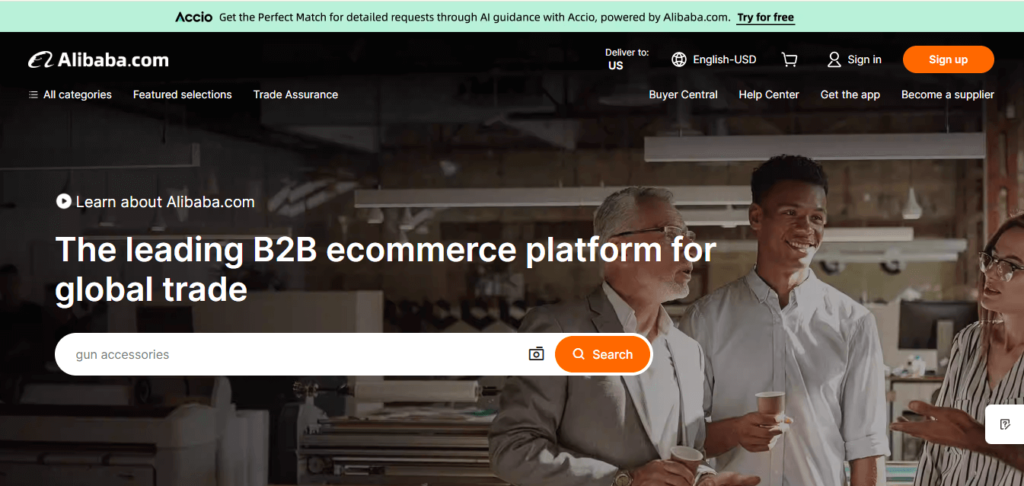
Alibaba is one of the largest e-commerce platforms in China and globally. Thanks to its popularity and massive user base, you can quickly find various eyewear manufacturers offering a wide range of products.
However, as an open marketplace, Alibaba can also be a breeding ground for scammers. Additionally, Alibaba’s ranking system can be manipulated by companies that pay for higher rankings but may not offer quality products.
Therefore, be extra cautious when using Alibaba to find manufacturers.
3. Attending Trade Shows to Find Manufacturers

International trade shows and exhibitions are excellent opportunities for buyers and manufacturers to establish connections and secure reliable partnerships. Attending these events allows you to see and purchase samples of the products you’re interested in.
This helps you avoid the disappointment of importing products you’ve never seen before. Exhibitions also offer the potential to build a strong business network, as you can engage in face-to-face interactions with sellers and buyers.
Unfortunately, trade shows are not held frequently, but if you are willing to travel to other countries to attend these events, it can be worth it. You’ll gain valuable knowledge to take informed steps in the future.
If attending in person is not possible, make sure to leverage these opportunities when they appear in your local area.
Step 2: Communicating with Manufacturers
Avoid These Mistakes When Contacting Manufacturers
Manufacturers receive numerous messages and emails daily from potential clients. To avoid being overlooked, keep your emails short and to the point. Lengthy emails may not get the attention you desire. Instead, follow up with detailed information after receiving a response.
Requesting too little may lead manufacturers not to take you seriously. If unsure, consider calling the company to clarify your needs.
Step 3: Visit Eyewear Manufacturers
If you want to secure high-quality eyewear, there’s no substitute for an on-site visit. Visiting the manufacturer allows you to meet the team, understand the production process, and inspect the facilities.
1. Visit the Product Showroom
When you visit a manufacturer, you’ll have the opportunity to tour their showroom, where they showcase their various eyewear products in an attractive manner. This visit will allow you to assess the quality, design, and variety of products available.

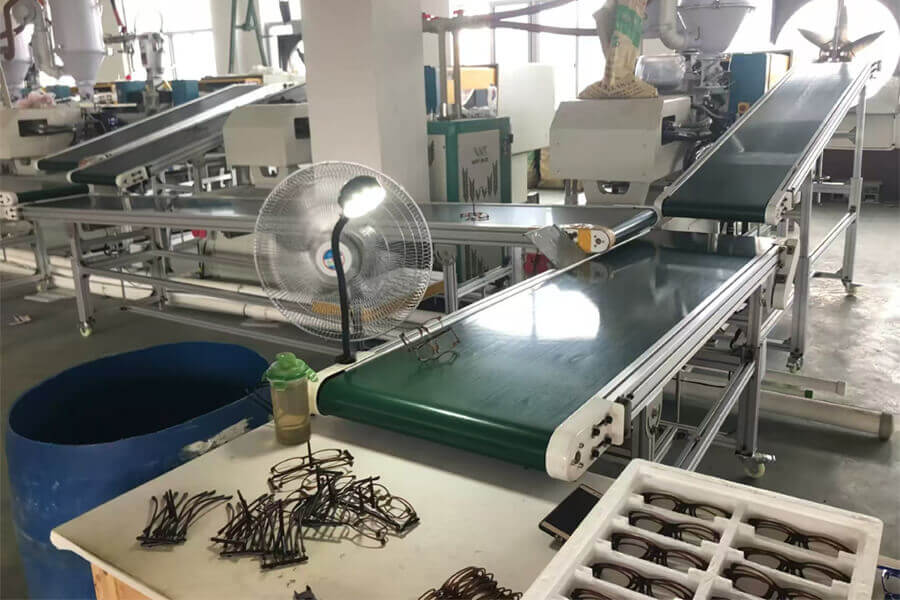
2. Visit the Production Line
By touring the production line, you can observe the entire manufacturing process, from raw material handling to the final assembly. This insight is invaluable for evaluating the manufacturer’s capabilities and quality control measures.
3. Benefits of On-Site Visits
Visiting the manufacturing site can significantly benefit your business relationship. It shows the manufacturer that you are serious about purchasing their products, which can lead to better pricing and service.
Building a strong relationship with the manufacturer can result in better communication, negotiation, and long-term cooperation. You’ll also gain knowledge about the materials and techniques used, expanding your expertise in the eyewear industry.
Step 4: Considerations Before Importing Eyewear
Before purchasing and importing eyewear, there are several crucial factors you need to consider to ensure the products meet your requirements and comply with your market’s standards:
1. Materials: High-quality eyewear products typically use materials like acetate, TR90, and titanium. Acetate is popular for its durability and flexibility, while TR90 is known for its lightweight and impact resistance. Titanium is valued for its strength, corrosion resistance, and hypoallergenic properties. Ensure that the eyewear materials meet the quality and safety standards of your target market.

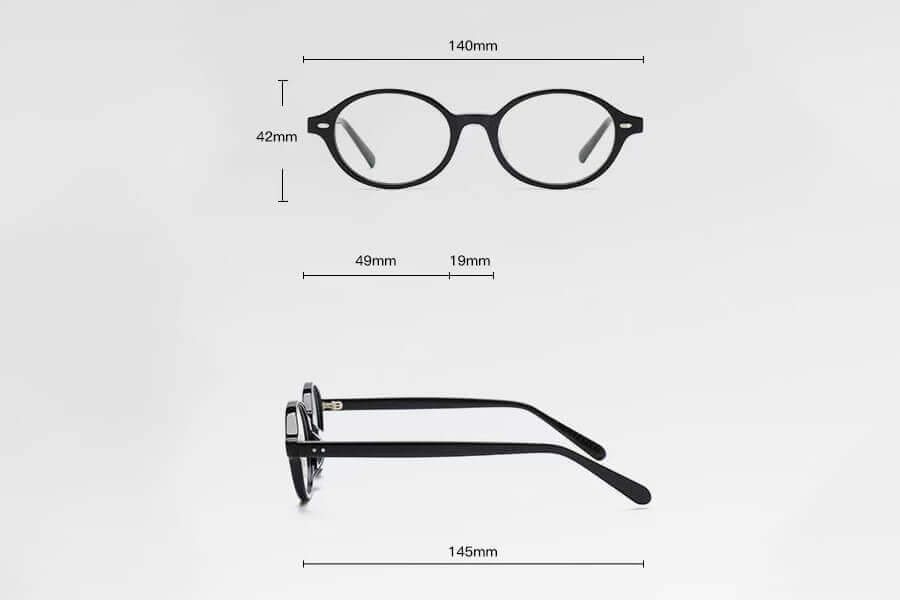
2. Size: Eyewear size can vary depending on the style and target demographic. A good supplier should offer customizable sizing options to cater to different face shapes and sizes. This includes variations in frame width, bridge width, and temple length. Custom sizing ensures that the eyewear fits comfortably for the end-user.
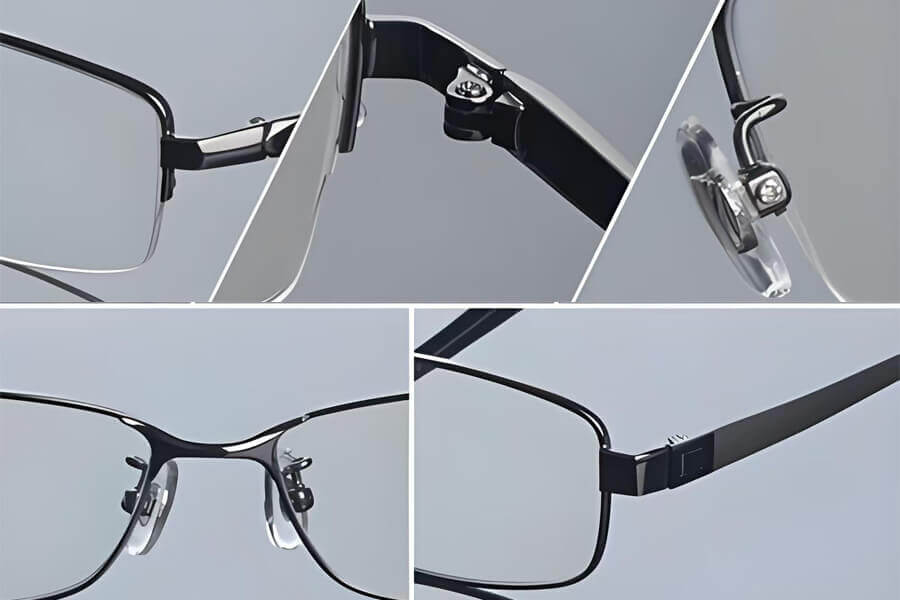
3. Structure/Construction: The construction of eyewear is critical to its durability and comfort. High-quality eyewear is often constructed using multi-layer lamination for acetate frames or injection molding for plastic frames. The hinges and screws should also be of high quality, ensuring longevity and ease of use.
4. Color: Eyewear is available in various colors and finishes, such as matte, glossy, or metallic. Popular choices include classic colors like black, tortoiseshell, and clear frames. Custom color options can also be offered to align with current fashion trends or specific branding requirements.
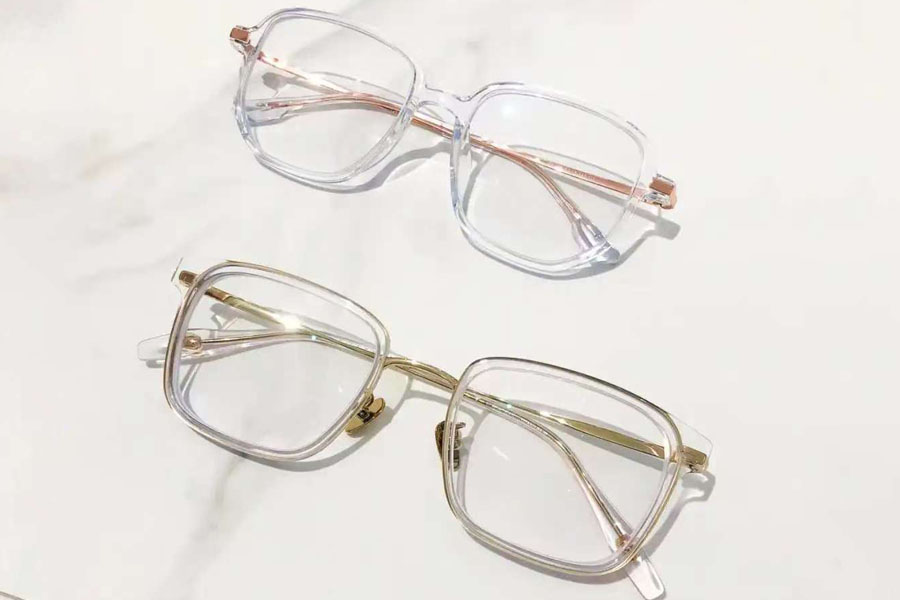
5. Weight: The weight of eyewear can significantly affect comfort, especially for prolonged wear. Lightweight materials like TR90 and titanium are often preferred for their comfort, making them ideal for prescription glasses and sports eyewear.

6. Accessories:
- Lens Cleaning Cloths: Essential for maintaining lens clarity without scratching.
- Protective Cases: Helps to protect eyewear from damage during storage or transport.
- Nose Pads: Silicone or rubber nose pads can be customized for comfort and durability.
- Hinges and Screws: High-quality components are necessary for durability and ease of maintenance.
- Coatings: Anti-reflective, anti-scratch, and UV protective coatings are common and can enhance the functionality and lifespan of the eyewear.

When importing eyewear, these factors will help ensure that the products meet both your quality expectations and the needs of your customers. Make sure to communicate these requirements clearly with your manufacturer to avoid any discrepancies during production.
Contact Our Experts
Want to make the best choice for your eyewear business?
Reach out to us for expert advice and detailed product information!
Step 5: Negotiating Prices with Eyewear Manufacturers
Negotiating prices is a crucial step in the process of importing eyewear. The goal is to create a win-win situation for both you and the manufacturer.
Here are some strategies to ensure successful negotiations:
- Be Prepared with Detailed Negotiation Data: Before entering negotiations, gather all the relevant data, including market prices, production costs, and your desired profit margins. When manufacturers see that you are well-prepared and serious about purchasing, they will be more inclined to offer competitive prices to secure your business.
2.Request Pricing Based on Quantity Tiers: As with most products, purchasing eyewear in bulk often reduces the price per unit. Ask the manufacturer for a breakdown of prices based on different order quantities. This allows you to evaluate how much you can save with larger orders and decide on the best purchase quantity for your budget and inventory needs.
3.Quality vs. Price: Keep in mind that higher quality often comes at a higher price. While it’s tempting to push for the lowest possible cost, ensure that the quality of the eyewear meets your standards. The goal is to find the best balance between cost and quality.
4.Understand the Manufacturer’s Costs: Gaining insight into the manufacturer’s costs, including labor, materials, and overhead, can help you assess whether their pricing is reasonable. This knowledge also provides leverage during negotiations, as you can discuss any price discrepancies with a better understanding of their cost structure.
5.Build a Good Relationship: Establishing yourself as a reliable customer will make negotiations smoother. If you’re seen as a long-term partner rather than a one-time buyer, manufacturers may be more willing to offer better terms and prices.
6.Avoid Endless Requests for Samples: Constantly requesting samples without committing to an order can strain your relationship with the manufacturer. Be transparent in your communications and avoid creating the impression that you’re just shopping around without serious intent.
7.Don’t Overdo Haggling: While negotiating for the best price is important, excessively haggling over every cent can be counterproductive. Both you and the manufacturer are in business to maximize profits, so aim for a fair agreement that benefits both parties.
8.Consider Hiring a Representative: If visiting the manufacturer in person isn’t feasible, consider hiring a representative in China to assist with negotiations. This person can provide local insights, handle communications, and ensure that your interests are well-represented.
If hiring a representative is not an option, phone calls and email exchanges can also be effective, as long as they are clear and professional.
Step 6: Placing Your Order with the Eyewear Manufacturer
Once negotiations are successful, it’s time to place your order.
Sample Orders vs. Bulk Orders
Sample Orders: A sample order is a small initial order of one or more products that allows you to evaluate the quality and suitability before committing to a larger purchase. This step is especially useful if you haven’t yet visited the manufacturer in person. Sample orders carry lower risk and can save you from significant losses if the product doesn’t meet your expectations.
When discussing sample orders with the manufacturer, your email should include:
A clear statement that you are requesting a sample order.
The specific products you wish to test.
Any customizations you want for the samples. Be detailed and precise.
The quantity of each item you wish to order.
Your shipping address for sample delivery.
Bulk Orders: If you have visited the manufacturer and are confident in their products, placing a bulk order may be the best choice. Bulk orders are cost-effective and demonstrate your commitment to a long-term partnership, potentially leading to better terms and future negotiations.
With these steps, you can effectively negotiate prices and place orders, ensuring that you get the best value for your eyewear imports.
Step 7: Making the Deposit
After placing your order with the eyewear manufacturer, the next step is payment. In most cases, you will need to pay a deposit, typically around 30% of the total order amount, before the manufacturer begins production.
The manufacturer will provide you with their bank details for the transfer. If you’ve conducted an on-site visit, this is an excellent opportunity to negotiate and establish a clear payment schedule that suits both parties.
Once the initial deposit is paid, the manufacturing process for your eyewear products will commence.
Step 8: Inspecting the Products
Inspecting the products is a crucial step to ensure that the eyewear meets your standards and specifications. You should dedicate significant attention to this phase to avoid any potential issues with quality.
Inspect the eyewear for any defects such as lens scratches, misaligned frames, or loose hinges. If you can’t be physically present for the inspection, request that the manufacturer send detailed photos and videos of the products. This visual confirmation can help you verify that everything is in order before proceeding further.
A reputable manufacturer will have a compensation strategy in place for handling any defects or issues that arise after delivery.
Step 9: Final Payment
Once the inspection is complete and you are satisfied with the quality, it’s time to make the final payment. This usually covers the remaining 70% of the total order amount.
In some cases, after successful negotiations, you might agree to pay 50% before delivery and the remaining 20% after the products have been delivered. Once the final payment is made, the delivery process will begin, and your eyewear products will be on their way to you.
Chapter Two: How to Shipping Sunglass from China to Canada?
Shipping sunglasses from China to Canada is a straightforward process — as long as you choose the right method, prepare the correct paperwork, and work with reliable logistics partners.
There are three main shipping options you’ll typically choose from:
- Air Freight – Fast and ideal for small to medium-sized orders
- Sea Freight (LCL/FCL) – Best for bulk orders or full container shipments
- Express Courier (DHL/UPS/FedEx) – Convenient for sample orders or urgent deliveries
Each method has different costs, transit times, and customs procedures. The best choice depends on your order volume, delivery timeline, and budget.
In this section, we’ll break down the pros and cons of each method, what documents you need, and how EyewearBeyond helps our Canadian clients manage shipping efficiently — from our factory floor in China to your doorstep in Canada.
Let’s go through it step by step.
September 2025 Shipping Update: From China to Canada
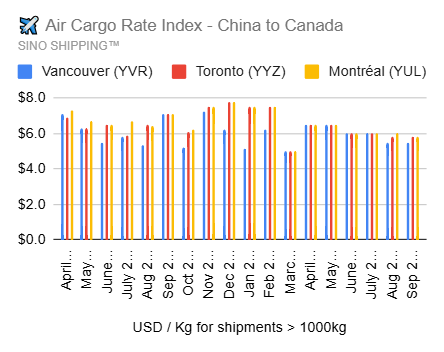
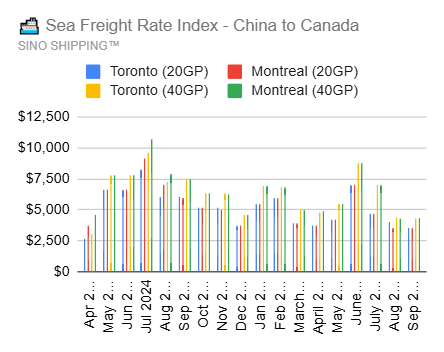
Costs: Shipping costs between China and Canada show further moderation in September 2025. Air freight rates for shipments over 1000 kg are $5.50/kg to Vancouver, $5.80/kg to Toronto, and $5.80/kg to Montréal (flat vs August for YVR/YYZ; −$0.20/kg at YUL), with transit times of roughly 1–4 days. Sea freight continues to ease to $3,500 (20-foot container) and $4,300 (40-foot container) to Toronto, and $3,550 (20-foot container) and $4,300 (40-foot container) to Montréal (Toronto down from August; Montréal largely flat). Port-to-port ocean transits average 25–30 days, and overall cost relief versus August is evident.
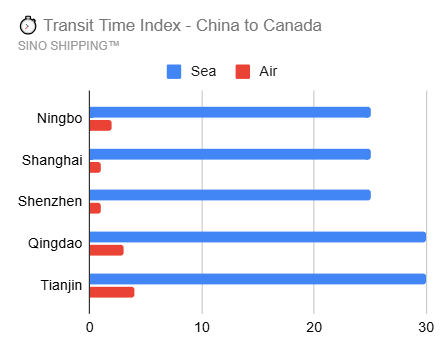
Delivery Times: For September 2025, transit times from China to Canada remain broadly stable. Express shipping stays the fastest at about 2–5 days. Standard air freight typically delivers in 4–5 days. Sea freight usually takes 20–30 days, though late-summer throughput at Toronto and Montréal can still introduce variability. Early booking remains prudent given capacity swings.
Customs: Canadian customs controls remain diligent in September. Accurate paperwork (commercial invoice, packing list, HS codes) is critical—especially for shipments clearing in Ontario (Toronto) and Québec (Montréal), where documentation errors most often cause slowdowns. Close coordination with your customs broker helps mitigate inspections and holds.
Global Events Impacting Canada: Rate relief in September reflects continued normalization in global capacity and softer fuel-linked surcharges. However, pricing remains sensitive to Asia-origin demand and Pacific trade-lane disruptions. Treat the current reductions as tactical rather than permanent; maintain flexibility in routing and timelines.
Outlook for September 2025: Air and ocean rates are steady-to-lower versus August, offering tangible budget relief. Space is still competitive on certain lanes and weeks, so proactive booking and reliable partners are key. With customs vigilance and seasonal infrastructure constraints, strong planning and clean compliance are essential for China→Canada moves this month.
Summary for Canadian Shippers: September 2025 brings some of the most attractive ocean and air prices since late 2024, with Toronto FCL softening further and Montréal holding favorable levels. Keep options open (ports, carriers, and schedules), book early, and maintain meticulous documentation to lock in costs and on-time deliveries.
Freight Shipping Cost from China to Canada for September 2025
Shipping Cost Comparison and Trends
| Shipping Mode | Ideal For | Cost Range | Key Considerations |
|---|---|---|---|
| LCL | Smaller shipments | $200 – $400 per pallet | Stable; higher per-cbm cost; effective for low-volume cargo |
| FCL (20GP) | Medium to large shipments | $3,500 (Toronto), $3,550 (Montréal) | Toronto ↓ vs August; Montréal flat; attractive for well-loaded containers |
| FCL (40GP) | Large-volume shipments | $4,300 (Toronto), $4,300 (Montréal) | Toronto slightly ↓ vs August; Montréal steady; among the lowest since late 2024 |
| Express Shipping | Small, urgent parcels | From $100 | Fastest option (2–5 days); premium pricing; resilient to market swings |
| Air Freight (≥1000 kg) | Urgent cargo, heavy skids | $5.50/kg (Vancouver), $5.80/kg (Toronto), $5.80/kg (Montréal) | YVR/YYZ flat vs August; YUL −$0.20/kg; fast transit but capacity-sensitive |
Each mode delivers distinct value based on urgency, volume, and budget. For September 2025, softening Toronto FCL and steady Montréal pricing make China→Canada ocean options compelling; air remains efficient with competitive kilo rates in Vancouver and Toronto and a slight improvement in Montréal.
Cost Planning and Risk Management for September 2025
- Fuel Surcharges: Lower surcharges are reflected in September quotes, but they can rebound quickly—secure rate validity windows in writing.
- Customs Duties & Taxes: Assessed by HS code and valuation; GST/HST and provincial rules differ (notably between Ontario and Québec). Incomplete documentation is the most common cause of delays.
- Additional Fees: Budget for insurance, documentation, and terminal handling. Inland drayage/rail to central Canada (Toronto/Montréal corridors) can materially affect landed cost.
Estimating Shipping Costs and Effective Budgeting
Canada-Specific Factors for Cost Planning
- Provincial Variations: Sales tax regimes and compliance practices differ across provinces; clarify GST/HST and any Québec-specific requirements before departure from China.
- Inland Logistics: Rail and trucking capacity from Vancouver, Toronto, and Montréal influences final lead times and cost—align vessel ETA with rail schedules and delivery appointments.
- Documentation Discipline: Clean invoices, packing lists, and precise HS codes reduce the risk of CBSA holds and inspections.
Optimizing Canadian Shipping Strategy
For September 2025, book space early, keep routing flexible (e.g., consider Vancouver discharge with rail to Ontario/Québec when it shortens total lead time), and stay in close contact with your customs broker. Maintain alternate carrier options to navigate week-to-week capacity changes, and revisit quotes frequently to capture savings as the market normalizes.
Estimating Shipping Costs and Effective Budgeting
Canada-Specific Factors for Cost Planning
- Provincial Variations: Sales tax regimes and compliance practices differ across provinces; clarify GST/HST and any Québec-specific requirements before departure from China.
- Inland Logistics: Rail and trucking capacity from Vancouver, Toronto, and Montréal influences final lead times and cost—align vessel ETA with rail schedules and delivery appointments.
- Documentation Discipline: Clean invoices, packing lists, and precise HS codes reduce the risk of CBSA holds and inspections.
Optimizing Canadian Shipping Strategy
For September 2025, book space early, keep routing flexible (e.g., consider Vancouver discharge with rail to Ontario/Québec when it shortens total lead time), and stay in close contact with your customs broker. Maintain alternate carrier options to navigate week-to-week capacity changes, and revisit quotes frequently to capture savings as the market normalizes.
Estimating Shipping Costs and Effective Budgeting
Canada-Specific Factors for Cost Planning
- Fuel Surcharges: Fluctuations remain possible, though August sees relative stability thanks to global oil price moderation.
- Customs Duties and Taxes: These are charged according to the HS code and valuation method, with possible differences between provinces. Quebec and Ontario often see stricter compliance checks for new importers.
- Additional Fees: Be ready for port handling, inland drayage (especially to central Canada), and documentation fees. Montreal and Toronto tend to have higher terminal handling charges than Vancouver.
Optimizing Canadian Shipping Strategy
Canadian importers should focus on early space booking, transparent communication with local customs brokers, and maintaining detailed import records to speed up customs clearance. Monitoring rail and trucking schedules for final delivery inland from Vancouver, Montreal, or Toronto is vital to prevent last-mile delays—especially as Canadian infrastructure continues to face seasonal bottlenecks.
Understanding Import Tax and Duties
Impact of Import Taxes on Overall Shipping Costs
Import taxes and duties can substantially increase the cost of shipping goods from China to Canada. For instance, if a shipment has a CIF value of $10,000, a 5% duty rate would add $500, and a 15% VAT would add another $1,500, increasing costs by $2,000. Accurate goods classification and applying the correct Harmonized System (HS) codes are crucial to determine duty rates and ensure compliance, avoiding potential penalties.
| Product Category | HS Code | Duty Rate | VAT Rate |
|---|---|---|---|
| Electronics | 8504.40 | 0% | 5% |
| Clothing | 6204.62 | 18% | 5% |
| Toys | 9503.00 | 0% | 5% |
| Furniture | 9403.60 | 9.5% | 5% |
| Food Products | 1006.30 | 15% | 5% |
Navigating Legal Compliance in International Shipping
Legal compliance involves correct goods classification, true value declaration, and adherence to regulations, crucial for avoiding penalties and delays in shipping from China to Canada. Essential documents include commercial invoices and packing lists. Engaging experienced freight forwarders or customs brokers can help navigate these complexities, potentially leveraging Free Trade Agreements (FTAs) to reduce duties.
Shipping from China to Canada Transit Time
Comparison of Transit Times Across Shipping Modes
How long does it take to ship goods from China to Canada? The transit time can vary significantly depending on the mode of transportation chosen. Understanding the options can help businesses plan better and meet their delivery timelines effectively.
| Shipping Mode | Transit Time |
|---|---|
| Sea Freight (LCL and FCL) | 25 to 30 days |
| Air Freight | 1 to 4 days |
| Express Shipping | 1 to 3 days |
Selecting the right shipping mode requires balancing cost, speed, and the nature of the goods. For instance, air freight might be preferable for perishable goods despite the higher cost.
Factors Affecting Transit Times and Mitigation Strategies
What factors can delay your shipment from China to Canada, and how can you mitigate these delays? Several variables can impact transit times, and being prepared can help ensure timely delivery.
- Weather Conditions: Severe weather can delay sea and air freight. Monitoring forecasts and planning for seasonal variances can help.
- Port Congestion: Busy ports can slow down customs clearance and offloading. Choosing less congested ports or times can mitigate this.
- Customs Delays: Inaccurate documentation can lead to hold-ups. Ensuring all paperwork is correct and complete is crucial.
- Logistics Chain Efficiency: Delays can occur at any point in the supply chain. Working with reliable freight forwarders who have a good track record can minimize these risks.
Door to Door Shipping from China to Canada
Advantages of Door-to-Door Services
Why consider door-to-door shipping when transporting goods from China to Canada? This service streamlines the entire logistics process, offering a seamless shipping experience that can significantly benefit businesses. Here are the key advantages:
- Simplified Logistics: Door-to-door shipping removes the complexity of managing multiple logistics partners, providing a single point of contact for the entire journey.
- Reduced Handling of Goods: With fewer transfers between different modes of transportation, there’s a lower risk of damage, loss, and delays, enhancing the safety and reliability of shipments.
- Potentially Lower Overall Shipping Costs: By consolidating services, door-to-door shipping can offer cost savings, especially when factoring in the time and expense associated with coordinating between separate logistics services.
Choosing the Right Door-to-Door Service
How do platforms like SINO Shipping enhance the process of selecting the right door-to-door shipping service? In the digital age, finding a reliable and cost-effective door-to-door service provider is crucial. Here’s how SINO can facilitate this process:
- Reliability: Alibaba’s platform features ratings and reviews, allowing businesses to assess the reliability of different shipping providers based on real user experiences.
- Cost: Leveraging Alibaba’s platform enables businesses to compare prices and services, ensuring they find a door-to-door service that fits their budget.
- Service Coverage and Expertise: Alibaba lists providers with a wide range of service coverages and expertise in handling customs and regulatory requirements, crucial for smooth international shipping.
Sea Freight from China to Canada (September 2025)
| Shipping Mode | Price Range | Transit Time |
|---|---|---|
| LCL (Less than Container Load) | $50 to $100 per m³ | 25 to 45 days |
| FCL 20-Foot Container | $3,500 (Toronto), $3,550 (Montreal) | 25 to 30 days |
| FCL 40-Foot Container | $4,300 (Toronto), $4,300 (Montreal) | 25 to 30 days |
Current Canadian Sea Freight Market Insights
- LCL Shipping: Remains steady at $50–$100/m³, ideal for SMEs or importers with flexible deadlines. In September, LCL pricing is stable despite broader market easing.
- FCL Shipping: Toronto softens further versus August (−$500 on 20GP; −$100 on 40GP), while Montréal holds flat. This creates a cost advantage for inventory restocking and non-urgent cargo amid lingering summer throughput variability.
Choosing Forwarders and Adapting to Canadian Routes
- Forwarder Selection: Use partners with proven Canada expertise—Toronto and Montréal remain sensitive to seasonal congestion and documentation accuracy (CBSA).
- Top Routes: Lanes ex-Shanghai/Shenzhen/Guangzhou into Toronto, Montréal, and Vancouver are more predictable than in August, but flexibility and real-time tracking remain essential to navigate week-to-week capacity shifts.
Plan shipments based on actual Canadian port conditions: September’s lower Toronto FCL rates versus August offer savings, but demand and customs inspection levels remain elevated through late summer.
Air Freight from China to Canada (September 2025)
| Aspect | Detail |
|---|---|
| Transit Time | 1–4 days (express) or 3–5 days (standard air freight) |
| Cost per Kg (over 1000 kg) | $5.50/kg (Vancouver), $5.80/kg (Toronto), $5.80/kg (Montreal) |
| Best Suited For | High-value, perishable, or time-sensitive goods |
Air Freight: Market Trends and Advantages
- Pricing vs August: Vancouver and Toronto are flat month-over-month; Montréal −$0.20/kg. Compared with July, kilo rates remain favorable while reliability stays high across YVR/YYZ/YUL.
- Speed & Predictability: Consistently short total transits (1–5 days) support Canadian shippers moving perishables, electronics, and high-value SKUs during late-summer operational variability.
Forwarder Strategy & Canadian Import Realities
- Customs & Compliance: September maintains rigorous CBSA oversight—ensure precise HS codes, valuation, and paperwork for Toronto (Ontario) and Montréal (Québec) to avoid holds.
- Market Position: Following the summer peak, carriers are offering competitive blocks and spot options. Compare quotes frequently and prioritize providers with transparent milestone tracking on the China→Canada corridor.
For September 2025, pair proactive documentation with flexible routing to capture lower air and ocean rates while keeping Canadian imports on schedule.
Express Shipping from China to Canada
Benefits and Use Cases for Express Shipping
Why consider express shipping for your goods from China to Canada? Express shipping stands out for its speed, reliability, and advanced tracking capabilities, offering distinct advantages over standard shipping methods. Here’s how:
- Faster Delivery Times: Express shipping drastically reduces transit time, making it perfect for time-sensitive shipments. While standard shipping might take weeks, express options can shorten this to a matter of days.
- High-Value Products: For expensive goods, the quick transit and enhanced security of express shipping minimize the risk of damage and theft.
- Last-Minute Orders: Express shipping can be a lifesaver for fulfilling urgent orders, ensuring customer satisfaction and loyalty.
Understanding Costs and Transit Times, Including DDP Options
Determining the costs and transit times for express shipping can seem daunting, but understanding the basics can help businesses plan more effectively. Here’s what to know:
- Costs: Express shipping rates are typically higher due to the speed and efficiency of the service. Rates can vary based on the weight, volume, and distance of the shipment. Additional charges, such as fuel surcharges or remote area deliveries, may also apply.
- Transit Times: Generally, express shipments from China to Canada can be expected to arrive within 3 to 7 days, depending on the service level chosen and the specific origin and destination cities.
- DDP (Delivered Duty Paid): Opting for DDP shipping means all taxes, duties, and clearance fees are pre-paid by the sender. This option simplifies the customs process, making deliveries faster and more predictable for the recipient.
Key Ports in China and Canada for Shipping
| Country | Port | Key Features |
|---|---|---|
| China | Shanghai | World’s busiest container port, excellent global connectivity. |
| China | Shenzhen | Adjacent to Hong Kong, pivotal for technology goods, efficient export services. |
| China | Guangzhou | Close to manufacturing regions, ideal for a wide range of commodities. |
| Canada | Vancouver | Canada’s largest port, primary gateway for Asian imports, strong North American connections. |
| Canada | Montreal | Strategic location for European and Asian markets, serves eastern provinces. |
| Canada | Halifax | Deep harbors suitable for large vessels, preferred for oversized cargo. |
Major Chinese Ports for Exports to Canada
Are you wondering which ports in China are pivotal for shipping goods to Canada? The country’s vast coastline is dotted with numerous ports, but Shanghai, Shenzhen, and Guangzhou stand out for their global connectivity and comprehensive facilities. These ports play a crucial role in the efficiency and cost-effectiveness of shipping, thanks to their advanced logistics capabilities and strategic locations.
- Shanghai: Known as the world’s busiest container port, it offers unparalleled access to global shipping routes.
- Shenzhen: Adjacent to Hong Kong, it’s a key hub for technology goods, providing efficient export services.
- Guangzhou: With its proximity to manufacturing regions, it’s ideal for a wide range of commodities.
Major Canadian Ports for Imports from China
Turning our gaze to Canada, which ports serve as the main gateways for imports from China? Vancouver, Montreal, and Halifax are key entry points, each with its own set of advantages for handling imports. Understanding the capabilities of these ports, along with the customs clearance processes and logistics infrastructure, is essential for businesses planning their shipping strategies.
- Vancouver: The largest port in Canada, it’s a primary gateway for Asian imports, offering robust connections across North America.
- Montreal: Positioned on the East Coast, it’s a strategic entry point for European and Asian markets, serving the densely populated eastern provinces.
- Halifax: Known for its deep harbors, it can accommodate large vessels, making it a preferred option for oversized cargo.
Chapter Three: How to Ship Sunglasses from China to Canada: A Step-by-Step Guide
So you’ve found a supplier, picked your styles, and confirmed your order — now what?
It’s time to ship. And here’s the good news: shipping sunglasses from China to Canada is easier than most people think. Whether you’re bringing in a small trial batch or a full container, the process is pretty standard — you just need to follow a few key steps and know what to expect.
No fancy freight knowledge needed.
No customs horror stories — as long as you’re prepared.
Just a clear, step-by-step approach.
In this chapter, we’ll walk you through exactly how to get your sunglasses from the factory floor in China to your warehouse, retail store, or doorstep in Canada — without delays, extra fees, or unnecessary stress.
Let’s break it down.
1. Choosing the Right Shipping Method
Your shipping choice will majorly affect cost, transit time, and risk. For sunglasses from China to Canada, consider these options:
| Shipping Method | Advantages | Disadvantages | Best Use Case |
|---|---|---|---|
| Air Freight | Fast (about 5–9 days from major Chinese airports like Shanghai, Guangzhou, Shenzhen to Canadian hubs like Toronto (YYZ), Vancouver (YVR)) Less handling, less risk of damage compared to other methods | High cost per kilogram; restrictions on weight and volume; potential surcharges for fuel, security | Smaller orders, urgent restocks, or time-sensitive launches |
| Sea Freight | Much cheaper per unit for bulk shipments; more capacity for larger volumes | Longer lead times (roughly 25–40+ days port-to-port); extra fees at ports; risk of delays due to weather or congestion | Large inventory builds, seasonal preparation, non-urgent large shipments |
| Express / Courier (DHL, FedEx, UPS, etc.) | Fastest door-to-door; good tracking; minimal paperwork for smaller orders | Most expensive; size/weight limitations; not economical for large volumes | Samples, urgent product launches, testing designs, small replacement orders |
How to Decide:
- Estimate your order volume and budget: if you have many units and need to control landed cost, sea freight usually wins.
- Consider your timeline: seasons, holidays, and promotional events can make timing critical.
- Also think about how you’ll package goods. Sea freight needs sturdier packaging and moisture protection; air/express demands lighter packaging but with protection against shock and handling.
2. Finding Reliable Suppliers and Freight Forwarders
Getting trustworthy partners upfront saves you trouble later.
Finding Suppliers:
- Search on reputable B2B platforms (Alibaba, Global Sources, etc.), but go beyond just product photos.
- Ask for factory audits, videos of production lines, third‑party inspections or prior customer references.
- Verify certifications: product safety, export licenses, compliance with UV or eye protection standards.
Choosing Freight Forwarders:
- Choose forwarders experienced with China → Canada shipping routes. They should understand CBSA (Canada Border Services Agency) processes and paperwork.
- Ask whether they handle both export clearance in China and import/customs brokerage in Canada.
- Check reviews or referrals, and make sure they offer insurance, package tracking, and transparent quotes without hidden fees.
Confirming Services:
- In your quote, insist they include customs brokerage, insurance, duties/taxes estimation, and tracking.
- Understand incoterms (FOB, CIF, DDP) — what costs are included, who handles which parts of the shipment.
- Ensure your forwarder understands labeling and safety/regulation requirements in Canada, such as UV protection standards, nickel content for metal parts, etc.
3. Preparing Necessary Documents
Documents play a central role in clearing Canadian customs without delays or penalties.
- Commercial Invoice: Clear descriptions of the sunglasses (model, specs), quantity, unit price, total price, currency, incoterm used. CBSA will use this to assess duties and taxes.
- Packing List: Number of boxes, weight & dimensions, what’s in each box, matching what’s in the commercial invoice.
- Bill of Lading / Air Waybill: As relevant to your shipping method; lists shipper, consignee, ports/airports, goods description.
- Certificate of Origin: States “Made in China”, can be issued by supplier or relevant chamber of commerce.
- Compliance Certificates / Permits: If sunglasses have UV protection specifications, lens safety features, special coatings, or contain regulated materials (e.g. nickel), you’ll want lab reports or certificates.
- Insurance Certificate: If you’ve insured the shipment, keep the certificate ready in case of damage or loss claims.
- Proforma Invoice: Sometimes useful beforehand for customs, financing, or pre‑sales, though not always mandatory.
4. Arranging Product Packaging and Labeling
Good packaging and correct labeling help avoid damage and customs delays.
- Use protective materials: bubble wrap, soft pouches, foam inserts, rigid or semi-rigid cases for lenses.
- For outer cartons: sturdy boxes, internal supports to prevent movement, labeling like “Fragile” or “Handle With Care.”
- Label artwork should include brand, model/item number, manufacturer or importer information, “Made in China”, UV protection rating if applicable.
- If selling in provinces that require French labeling (like Quebec), dual‑language labels may be necessary.
- Carton labels should show gross weight, box dimensions, PO number, country of origin, and shipping marks.
5. Understanding and Complying with Canadian Customs and Import Regulations
Failing to comply can lead to delays, fines, or even shipment rejections.
- Duties and Taxes: Sunglasses are subject to import duty (depending on HS code) + Goods and Services Tax (GST), and in some provinces Harmonized Sales Tax (HST). Use correct HS codes to avoid misclassification.
- HS Code Classification: Choose the proper code for sunglasses (# depending on whether they are prescription or non‑prescription, etc.). CBSA has tariff schedules to refer to.
- Standards and Safety Regulations: Health Canada may require UV protection, lens safety, non‑hazardous materials (e.g. low nickel in metal frames). If you have certificates or test reports, have them ready.
- Accuracy in Documentation: Names, values, product descriptions must match across your commercial invoices, packing list, BOL, etc. Discrepancies cause inspection and potential delays.
6. Tracking and Managing Shipment Status
Nobody likes surprises, so try to stay in control.
- Use forwarder’s tracking system for your shipment. For sea freight, get container number; for air/express get airway bill.
- Monitor major Canadian ports (Vancouver, Montreal, Halifax, Toronto region) for possible delays (weather, congestion, holidays).
- Be aware of Canadian holidays or events that affect customs or port operations.
- Keep digital and physical copies of all documentation accessible in case customs or broker request them.
7. Post‑Arrival Inspection and Final Delivery
When your sunglass shipment arrives:
- Inspect immediately for damage, correct models, correct quantities. Check lenses for scratches, frames for dents or plating issues.
- Document everything (photos, condition notes). If anything’s wrong, notify supplier or insurer as soon as possible.
- Contact a customs broker to clear the shipment. If your final destination isn’t at the port or airport, arrange ground transport to your warehouse or stores.
- If damage or loss occurred, use your insurance documentation to claim. Include invoice, photos, packing list, BOL etc.
8. Reviewing and Optimizing the Shipping Process
Each import gives you lessons. Use them:
- Calculate your landed cost: invoice + shipping + duties/taxes + local transport + handling.
- Compare forwarder and supplier performance: did delivery meet promised times? Any damage? Any hidden fees?
- Record issues: customs delays, labeling mistakes, packaging failures. Then adjust your procurement or packaging plans accordingly.
- Update your standard operating procedures (SOPs): e.g. always require insurance, always verify HS code upfront, use bilingual labels if needed, etc.
FAQ: Importing Sunglasses from China to Canada
1. Can I buy sunglasses directly from Chinese manufacturers?
Yes. Many Chinese eyewear factories and brands offer direct wholesale or OEM/ODM manufacturing services. Platforms like Alibaba, Global Sources, and industry trade shows are common ways to find suppliers. To save time and ensure quality, you can also work with verified manufacturers like EyewearBeyond, who specialize in B2B sunglasses supply globally.
2. Is it cheaper to import sunglasses from China?
Absolutely. China is the world’s largest eyewear manufacturing hub, offering:
- Competitive pricing
- A wide range of designs
- Scalable production
- Custom branding (OEM/ODM)
Even after adding duties and shipping, imported sunglasses from China are usually 40–60% cheaper than domestic sourcing.
3. How do I start an eyewear business in Canada with products from China?
Here are the basic steps:
- Research the eyewear market and define your brand
- Find a reliable supplier in China
- Order samples and confirm quality
- Choose a shipping method (air, sea, or express)
- Ensure compliance with Canadian regulations
- Clear customs and deliver to your warehouse
- Start selling via retail or online channels
EyewearBeyond helps Canadian startups and retailers with full-process support, from product selection to shipping.
4. How long does it take to ship sunglasses from China to Canada?
Typical timelines:
- Express shipping: 2–5 days
- Air freight: 5–9 days
- Sea freight: 25–40 days
The exact time depends on the supplier’s location, shipping route, and customs clearance efficiency.
5. What are the import taxes and duties when bringing sunglasses into Canada?
Canada applies:
- Import duty: Usually around 5%, based on HS code
- GST: 5% nationwide
- HST/PST: Depends on the province
You’ll also pay brokerage fees and shipping. It’s recommended to get a landed cost estimate before placing your order.
6. Do I need a business license to import sunglasses into Canada?
If you’re importing for resale, yes — you should have a business number (BN) and import/export account registered with the Canada Revenue Agency (CRA). For personal use or small, non-commercial shipments, this may not be necessary.
7. Are sunglasses from China good quality?
Yes — but quality depends on the supplier. Leading Chinese eyewear factories now offer:
- High-quality acetate, metal, or TR90 frames
- UV400 certified lenses
- CE, FDA, ISO certifications
- Custom branding & packaging options
EyewearBeyond manufactures for global boutique brands and can match both mid-range and premium quality standards.
8. What’s the minimum order quantity (MOQ) for importing sunglasses from China?
Typical MOQ ranges:
- Ready stock models: 100–300 pcs/style
- Custom logo OEM orders: 300–600 pcs/style
- Fully custom ODM designs: 800–1000 pcs/style
Some suppliers (like EyewearBeyond) offer low MOQ options for startup brands or pilot collections.
Conclusion
Importing sunglasses from China to Canada can be a smooth and profitable process — if you follow the right steps. From choosing a reliable supplier and freight forwarder, to preparing accurate documents and complying with Canadian customs regulations, every detail matters.
By taking the time to understand shipping methods, packaging standards, and legal compliance, you’ll reduce delays, avoid unnecessary costs, and ensure your products arrive safely and on time. Whether you’re a new eyewear startup or a seasoned distributor, working with experienced partners like EyewearBeyond can help you streamline the entire process — from the factory floor in China to the Canadian market.
Ready to build your next collection? Let your sourcing journey start with confidence, not confusion.