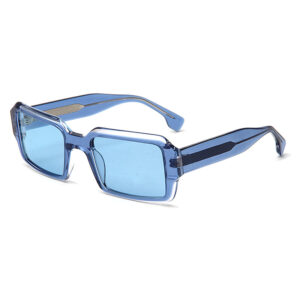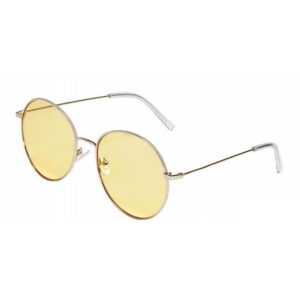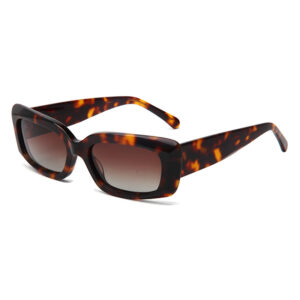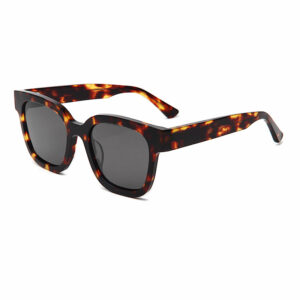
Introduction
If you’re a retailer, distributor, or brand owner in Sweden looking to import sunglasses from China, you’re in the right place.
Sweden may be known for its minimalist fashion and long winter months, but sunglasses are still a year-round essential — for summer vacations, skiing trips, and those long hours of daylight in the north. Chinese manufacturers dominate the global eyewear market with affordable pricing, vast style selections, and customization options that suit European design sensibilities.
But importing products across continents can feel overwhelming.
What shipping method should you choose? What documents do you need? How do you avoid delays or unexpected fees at Swedish customs?
This step-by-step guide will walk you through the entire sunglasses importing process — from supplier sourcing in China to final delivery in Sweden — with tips specifically tailored to Swedish regulations, EU standards, and real-world logistics.
Let’s break it down
Table of Content
Chapter One: How to Find the Best Sunglass Suppliers From China?
- Step 1: Find the Best Source for Importing Eyewear from China
- Step 2: Communicating with Manufacturers
- Step 3: Visit Eyewear Manufacturers (If possible)
- Step 4: Considerations Before Importing Eyewear
- Step 5: Negotiating Prices with Eyewear Manufacturers
- Step 6: Placing Your Order with the Eyewear Manufacturer
- Step 7: Making the Deposit
- Step 8: Inspecting the Products
- Step 9: Final Payment
Chapter Two: How to Shipping Sunglass Products From China To Sweden?
Commen Knowledge: Shipping from China to Sweden | Sea, Air & Rail Freight Rates
- September 2025 Shipping Update: From China to Sweden
- Freight Shipping Cost from China to Norway & Sweden (September 2025)
- Understanding Import Tax and Duties
- Shipping from China to Sweden Transit Time
- Door-to-Door Shipping from China to Sweden
- Sea Freight from China to Sweden (September 2025)
- Air Freight from China to Sweden (September 2025)
- Express Shipping from China to Sweden
- Key Ports in China and Sweden for Shipping
Chapter Three: How to Ship Sunglasses from China to Sweden: A Step-by-Step Guide
- Choosing the Right Shipping Method
- Finding Reliable Suppliers and Freight Forwarders
- Preparing Necessary Documents
- Arranging Product Packaging and Labeling
- Understanding and Complying with Mexico Customs and Import Regulations
- Tracking and Managing Shipment Status
- Post-Arrival Inspection and Final Delivery
- Reviewing and Optimizing the Shipping Process
Conclusion
Chapter One: How to Find the Best Sunglass Suppliers From China?
China has rapidly become a manufacturing powerhouse, producing a significant portion of the world’s consumer goods. For many companies, importing from China has proven to be a profitable global sourcing strategy. This is especially true for eyewear buyers and distributors looking to capitalize on high-quality products at competitive prices. If you’re considering importing eyewear from China, you’ve made a smart choice.
Out of the 195 countries globally, 81 countries import various products from China—this is a significant market. So, whether you are an eyewear retailer, distributor, or brand owner, importing eyewear from China can be a lucrative opportunity.
Eyewear products from China, such as sunglasses, prescription glasses, and sports goggles, are known for their cost-effectiveness, quality, and wide variety of styles. They protect eyes from various elements like:
- Excessive sunlight
- UV radiation
- Dust and debris
- Impact during sports
- Environmental hazards
- And more.
As you can see, the effort you put into importing eyewear from China is well worth it. However, this process is not without its challenges, particularly for newcomers. Importing can be time-consuming, complex, and costly if not handled correctly.
Longer shipping times, regulatory fees, rising or fluctuating distribution costs, and unforeseen delays can all erode expected profits.
Nevertheless, by following the right guide, you can successfully import eyewear from China and benefit from it. That’s where we come in. We support you every step of the way. Below is our step-by-step guide on how to import eyewear from China.
Let’s get started.
Step 1: Find the Best Source for Importing Eyewear from China
1. Using Google to Find Manufacturers

The first place most people turn to for finding answers is Google. Similarly, Google will provide a list of the most relevant results for your search.
Google has recently updated its page-ranking algorithms, which helps users distinguish between reliable websites and malicious ones.
You must narrow down the list of manufacturers to those that best suit your needs from the results you find. Afterward, you’ll contact them to determine which manufacturer you want to work with.
A major drawback of using Google to find manufacturers is that you might not find a single manufacturer that produces all the different types of eyewear you need. This could force you to source products from multiple manufacturers, which can be both expensive and time-consuming.
2. Using Alibaba to Find Manufacturers
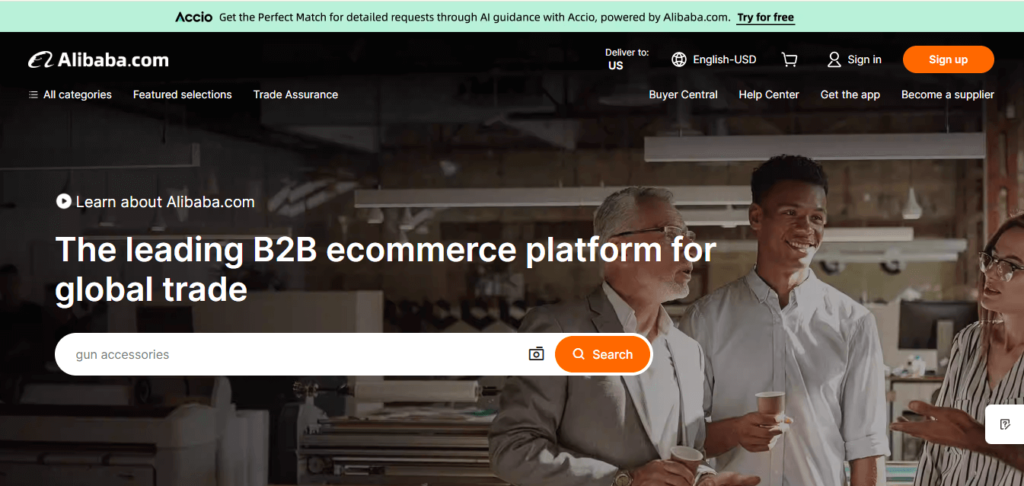
Alibaba is one of the largest e-commerce platforms in China and globally. Thanks to its popularity and massive user base, you can quickly find various eyewear manufacturers offering a wide range of products.
However, as an open marketplace, Alibaba can also be a breeding ground for scammers. Additionally, Alibaba’s ranking system can be manipulated by companies that pay for higher rankings but may not offer quality products.
Therefore, be extra cautious when using Alibaba to find manufacturers.
3. Attending Trade Shows to Find Manufacturers
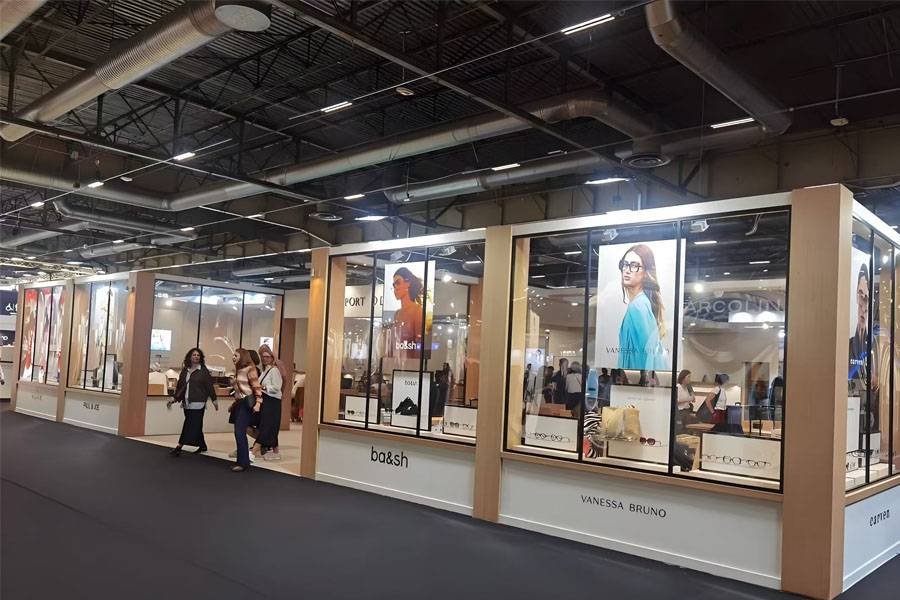
International trade shows and exhibitions are excellent opportunities for buyers and manufacturers to establish connections and secure reliable partnerships. Attending these events allows you to see and purchase samples of the products you’re interested in.
This helps you avoid the disappointment of importing products you’ve never seen before. Exhibitions also offer the potential to build a strong business network, as you can engage in face-to-face interactions with sellers and buyers.
Unfortunately, trade shows are not held frequently, but if you are willing to travel to other countries to attend these events, it can be worth it. You’ll gain valuable knowledge to take informed steps in the future.
If attending in person is not possible, make sure to leverage these opportunities when they appear in your local area.
Step 2: Communicating with Manufacturers
Avoid These Mistakes When Contacting Manufacturers
Manufacturers receive numerous messages and emails daily from potential clients. To avoid being overlooked, keep your emails short and to the point. Lengthy emails may not get the attention you desire. Instead, follow up with detailed information after receiving a response.
Requesting too little may lead manufacturers not to take you seriously. If unsure, consider calling the company to clarify your needs.
Step 3: Visit Eyewear Manufacturers
If you want to secure high-quality eyewear, there’s no substitute for an on-site visit. Visiting the manufacturer allows you to meet the team, understand the production process, and inspect the facilities.
1. Visit the Product Showroom
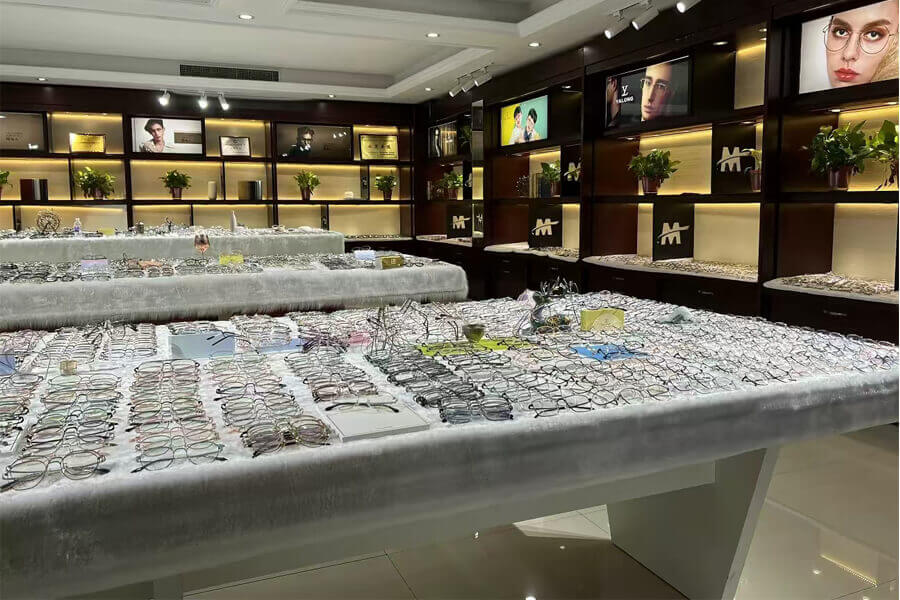
When you visit a manufacturer, you’ll have the opportunity to tour their showroom, where they showcase their various eyewear products in an attractive manner. This visit will allow you to assess the quality, design, and variety of products available.
2. Visit the Production Line
By touring the production line, you can observe the entire manufacturing process, from raw material handling to the final assembly. This insight is invaluable for evaluating the manufacturer’s capabilities and quality control measures.
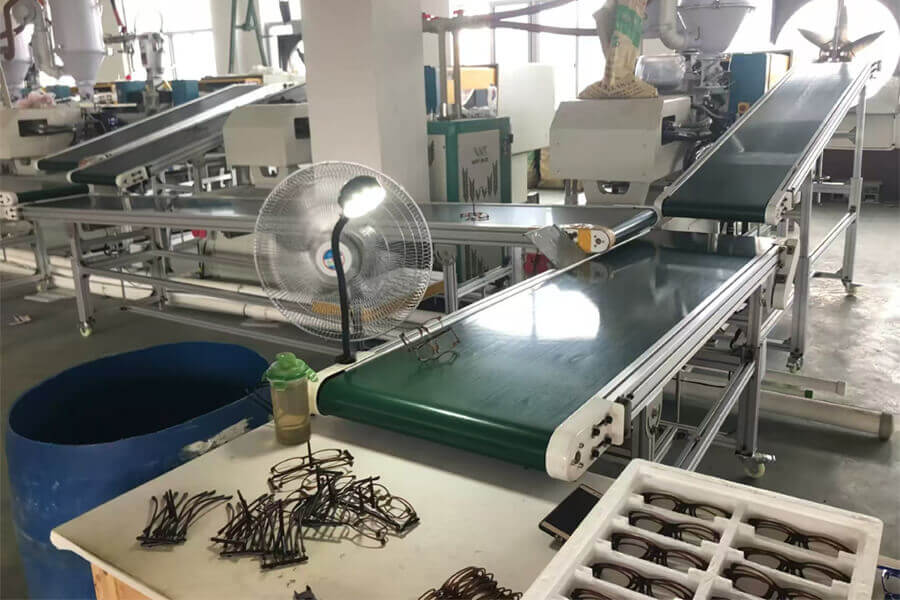
3. Benefits of On-Site Visits
Visiting the manufacturing site can significantly benefit your business relationship. It shows the manufacturer that you are serious about purchasing their products, which can lead to better pricing and service.
Building a strong relationship with the manufacturer can result in better communication, negotiation, and long-term cooperation. You’ll also gain knowledge about the materials and techniques used, expanding your expertise in the eyewear industry.
Step 4: Considerations Before Importing Eyewear
Before purchasing and importing eyewear, there are several crucial factors you need to consider to ensure the products meet your requirements and comply with your market’s standards:
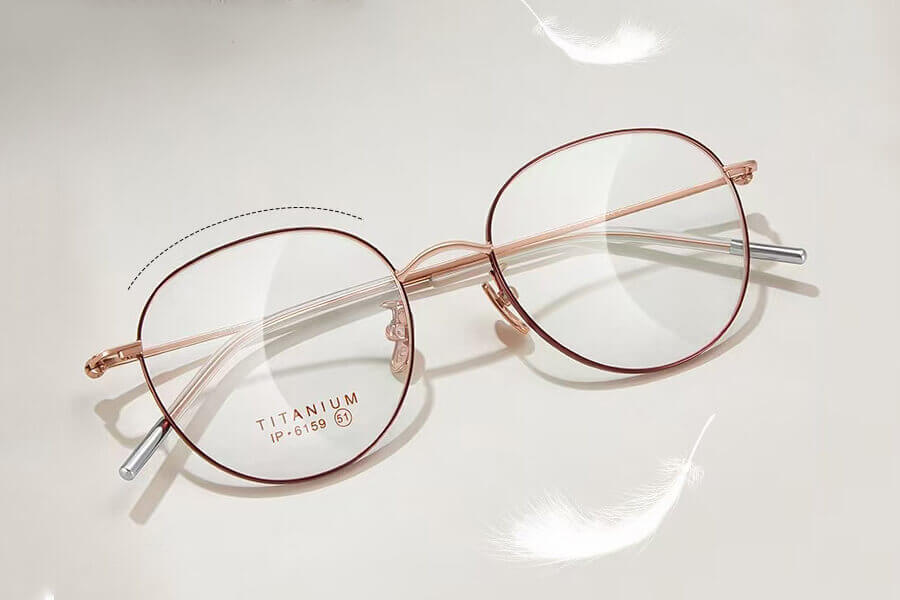
1. Materials: High-quality eyewear products typically use materials like acetate, TR90, and titanium. Acetate is popular for its durability and flexibility, while TR90 is known for its lightweight and impact resistance. Titanium is valued for its strength, corrosion resistance, and hypoallergenic properties. Ensure that the eyewear materials meet the quality and safety standards of your target market.

2. Size: Eyewear size can vary depending on the style and target demographic. A good supplier should offer customizable sizing options to cater to different face shapes and sizes. This includes variations in frame width, bridge width, and temple length. Custom sizing ensures that the eyewear fits comfortably for the end-user.
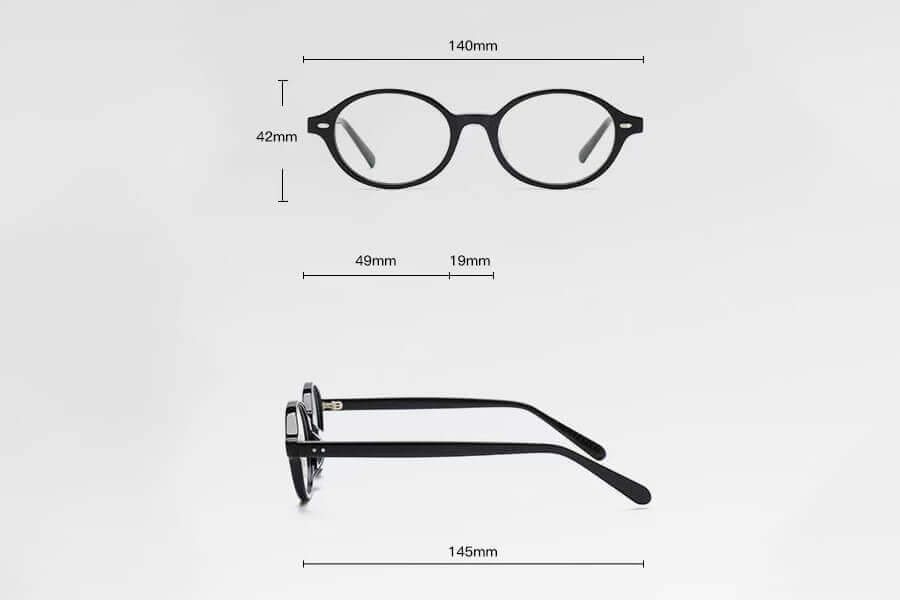
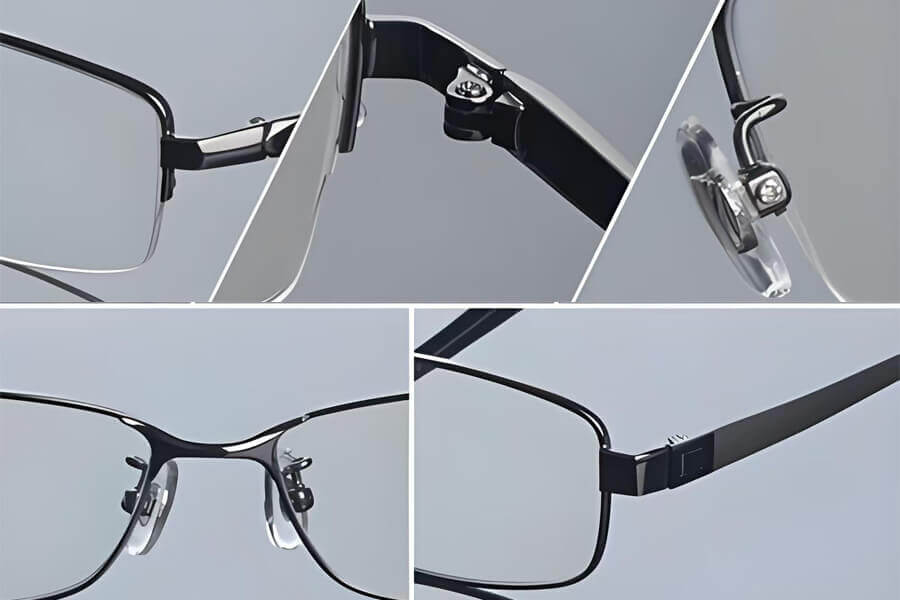
3. Structure/Construction: The construction of eyewear is critical to its durability and comfort. High-quality eyewear is often constructed using multi-layer lamination for acetate frames or injection molding for plastic frames. The hinges and screws should also be of high quality, ensuring longevity and ease of use.
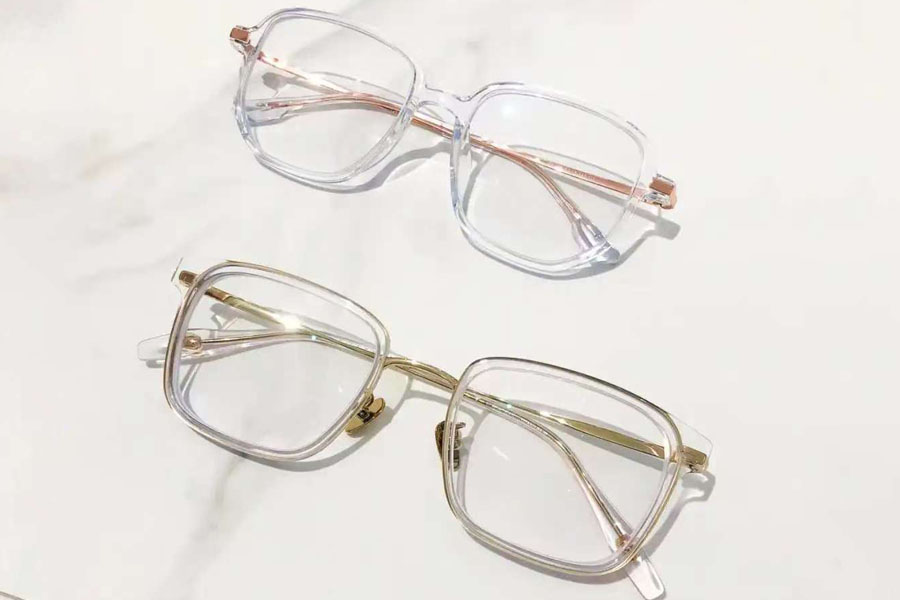
4. Color: Eyewear is available in various colors and finishes, such as matte, glossy, or metallic. Popular choices include classic colors like black, tortoiseshell, and clear frames. Custom color options can also be offered to align with current fashion trends or specific branding requirements.
5. Weight: The weight of eyewear can significantly affect comfort, especially for prolonged wear. Lightweight materials like TR90 and titanium are often preferred for their comfort, making them ideal for prescription glasses and sports eyewear.
6. Accessories:
- Lens Cleaning Cloths: Essential for maintaining lens clarity without scratching.
- Protective Cases: Helps to protect eyewear from damage during storage or transport.
- Nose Pads: Silicone or rubber nose pads can be customized for comfort and durability.
- Hinges and Screws: High-quality components are necessary for durability and ease of maintenance.
- Coatings: Anti-reflective, anti-scratch, and UV protective coatings are common and can enhance the functionality and lifespan of the eyewear.
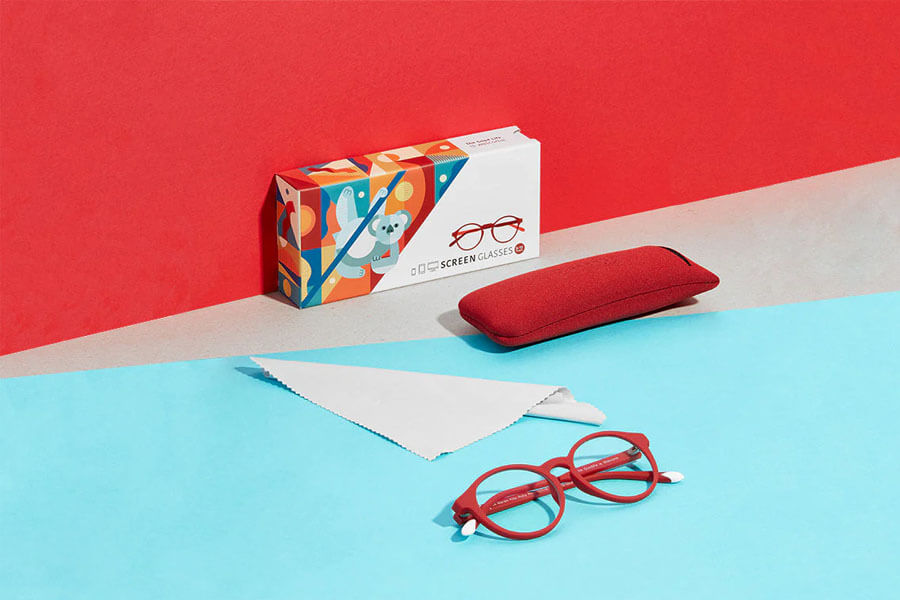
When importing eyewear, these factors will help ensure that the products meet both your quality expectations and the needs of your customers. Make sure to communicate these requirements clearly with your manufacturer to avoid any discrepancies during production.
Contact Our Experts
Want to make the best choice for your eyewear business?
Reach out to us for expert advice and detailed product information!
Step 5: Negotiating Prices with Eyewear Manufacturers
Negotiating prices is a crucial step in the process of importing eyewear. The goal is to create a win-win situation for both you and the manufacturer.
Here are some strategies to ensure successful negotiations:
- Be Prepared with Detailed Negotiation Data: Before entering negotiations, gather all the relevant data, including market prices, production costs, and your desired profit margins. When manufacturers see that you are well-prepared and serious about purchasing, they will be more inclined to offer competitive prices to secure your business.
2.Request Pricing Based on Quantity Tiers: As with most products, purchasing eyewear in bulk often reduces the price per unit. Ask the manufacturer for a breakdown of prices based on different order quantities. This allows you to evaluate how much you can save with larger orders and decide on the best purchase quantity for your budget and inventory needs.
3.Quality vs. Price: Keep in mind that higher quality often comes at a higher price. While it’s tempting to push for the lowest possible cost, ensure that the quality of the eyewear meets your standards. The goal is to find the best balance between cost and quality.
4.Understand the Manufacturer’s Costs: Gaining insight into the manufacturer’s costs, including labor, materials, and overhead, can help you assess whether their pricing is reasonable. This knowledge also provides leverage during negotiations, as you can discuss any price discrepancies with a better understanding of their cost structure.
5.Build a Good Relationship: Establishing yourself as a reliable customer will make negotiations smoother. If you’re seen as a long-term partner rather than a one-time buyer, manufacturers may be more willing to offer better terms and prices.
6.Avoid Endless Requests for Samples: Constantly requesting samples without committing to an order can strain your relationship with the manufacturer. Be transparent in your communications and avoid creating the impression that you’re just shopping around without serious intent.
7.Don’t Overdo Haggling: While negotiating for the best price is important, excessively haggling over every cent can be counterproductive. Both you and the manufacturer are in business to maximize profits, so aim for a fair agreement that benefits both parties.
8.Consider Hiring a Representative: If visiting the manufacturer in person isn’t feasible, consider hiring a representative in China to assist with negotiations. This person can provide local insights, handle communications, and ensure that your interests are well-represented.
If hiring a representative is not an option, phone calls and email exchanges can also be effective, as long as they are clear and professional.
Step 6: Placing Your Order with the Eyewear Manufacturer
Once negotiations are successful, it’s time to place your order.
Sample Orders vs. Bulk Orders
Sample Orders: A sample order is a small initial order of one or more products that allows you to evaluate the quality and suitability before committing to a larger purchase. This step is especially useful if you haven’t yet visited the manufacturer in person. Sample orders carry lower risk and can save you from significant losses if the product doesn’t meet your expectations.
When discussing sample orders with the manufacturer, your email should include:
A clear statement that you are requesting a sample order.
The specific products you wish to test.
Any customizations you want for the samples. Be detailed and precise.
The quantity of each item you wish to order.
Your shipping address for sample delivery.
Bulk Orders: If you have visited the manufacturer and are confident in their products, placing a bulk order may be the best choice. Bulk orders are cost-effective and demonstrate your commitment to a long-term partnership, potentially leading to better terms and future negotiations.
With these steps, you can effectively negotiate prices and place orders, ensuring that you get the best value for your eyewear imports.
Step 7: Making the Deposit
After placing your order with the eyewear manufacturer, the next step is payment. In most cases, you will need to pay a deposit, typically around 30% of the total order amount, before the manufacturer begins production.
The manufacturer will provide you with their bank details for the transfer. If you’ve conducted an on-site visit, this is an excellent opportunity to negotiate and establish a clear payment schedule that suits both parties.
Once the initial deposit is paid, the manufacturing process for your eyewear products will commence.
Step 8: Inspecting the Products
Inspecting the products is a crucial step to ensure that the eyewear meets your standards and specifications. You should dedicate significant attention to this phase to avoid any potential issues with quality.
Inspect the eyewear for any defects such as lens scratches, misaligned frames, or loose hinges. If you can’t be physically present for the inspection, request that the manufacturer send detailed photos and videos of the products. This visual confirmation can help you verify that everything is in order before proceeding further.
A reputable manufacturer will have a compensation strategy in place for handling any defects or issues that arise after delivery.
Step 9: Final Payment
Once the inspection is complete and you are satisfied with the quality, it’s time to make the final payment. This usually covers the remaining 70% of the total order amount.
In some cases, after successful negotiations, you might agree to pay 50% before delivery and the remaining 20% after the products have been delivered. Once the final payment is made, the delivery process will begin, and your eyewear products will be on their way to you.
Chapter Two: How to Shipping Sunglass from China to Sweden?
Before You Ship: Understand the Basics of Shipping to Sweden
Before placing your first bulk order of sunglasses from China, it’s important to understand a few key facts about shipping to Sweden — especially if this is your first time dealing with international logistics.
Sweden is part of the European Union (EU), which means goods entering the country are subject to EU-wide customs regulations, VAT, and import duties. However, Sweden is also known for its efficient customs processes, well-developed ports, and fast inland distribution, making it a relatively smooth destination for international trade.
Knowing the basics of Incoterms, VAT policies, customs procedures, and shipping timelines can help you avoid unexpected delays or fees.
In the sections below, we’ll walk you through the must-know logistics knowledge before you ship sunglasses from China to Sweden — and how to get your products delivered safely and efficiently.
Shipping from China to Sweden is crucial for both nations, significantly boosting their economic growth, development, and prosperity. In 2023, trade volume between the two countries exceeded $20 billion, driven by key sectors like automotive, electronics, and pharmaceuticals. This robust exchange enhances GDP growth and creates thousands of jobs, increasing employment rates in both countries. Platforms like Alibaba have transformed international trade by making it easier for businesses to access the global market. Alibaba connects suppliers and buyers efficiently, streamlining logistics and customs processes. Swedish SMEs, for instance, can now easily source products from Chinese manufacturers, benefiting from Alibaba’s user-friendly interface and comprehensive trade assurance services that ensure secure transactions.
September 2025 Shipping Update: From China to Sweden
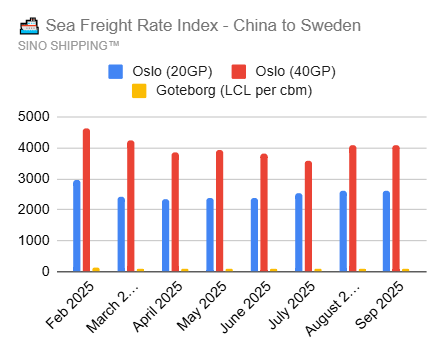
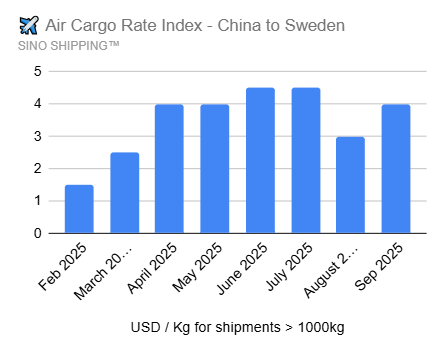
Costs: For September 2025, China→Nordics freight pricing is:
- Air freight (Norway): $4.00 per kg for 1,000 kg+ (↑ from $3.00 in August).
- Sea freight (Norway): $2,600 for a 20GP and $4,100 for a 40GP to Oslo (↔ vs August).
- Sea freight (Sweden, LCL): $80 per m³ to Gothenburg/Göteborg (↔ vs August).
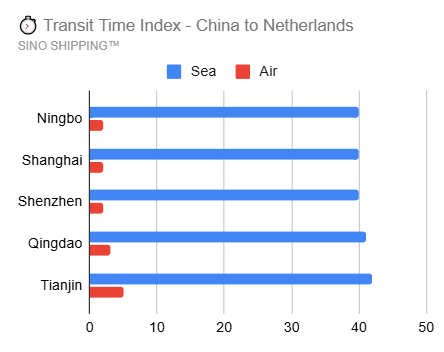
Delivery Times: Air: 3–7 days to Norway (Oslo primary). Sea to Oslo: 25–40 days. LCL to Gothenburg: similar lead time; minor groupage delays can occur as autumn restocking ramps up.
Customs: Norwegian and Swedish customs stay exacting in September. Use accurate HS codes and digital submissions; staffing rotations after summer can amplify errors into delays.
September 2025 Outlook: Air rates normalise upward while ocean and LCL hold steady. 40GP space to Oslo remains competitive ahead of Q4—secure allocations early and firm up inland trucking to avoid dwell.
Freight Shipping Cost from China to Norway & Sweden (September 2025)
Updated September 2025 Rates & Market Trends by Shipping Mode
Nordic lanes stabilise post-summer. Use the table below to align mode with urgency and volume:
| Shipping Mode | Destination / Unit | Cost (September 2025) | Notes (MoM vs August) |
|---|---|---|---|
| Sea Freight (FCL) | Oslo | 20GP: $2,600 40GP: $4,100 | ↔ Unchanged; 40GP space remains tight for autumn builds. |
| Sea Freight (LCL) | Gothenburg (per m³) | $80 | ↔ Stable; watch cut-offs to avoid rollovers. |
| Air Freight | All Norway (per kg, 1,000 kg+) | $4.00 | ↑ from $3.00; capacity rebalanced ahead of peak. |
How to Optimise Shipping in the Nordics for September
- Mode mix by urgency: Use air for seasonal SKUs or cold chain; hold ocean/LCL for planned replenishments. Blend to manage cash-flow and lead-time risk.
- Local execution: Work with Norway/Sweden-based forwarders for CDS/Toll-specific paperwork, berth visibility at Oslo, and reliable rail/road from Gothenburg to final destinations.
Understanding Import Tax and Duties
Taxation & Total Landed Cost: Key Insights
Import taxes and duties have a major effect on total landed cost when importing to Norway or Sweden.
- Norway: VAT is 25%, calculated on the CIF value plus duties. Customs duties depend on HS code and are typically 0–10% for industrial goods, higher for textiles.
- Sweden (EU): Standard VAT is also 25%, and customs duties follow EU rates by product. LCL and FCL rates into Gothenburg are subject to the same tax and duty regime.
Example: Importing electronics worth $10,000 with a 5% duty means $500 in duties. VAT (25%) is applied on $10,500, totaling $2,625 VAT, and a grand total of $13,125.
Legal Compliance & Customs Best Practices for Nordic Imports
- HS Codes & Classification: Use precise HS codes for all goods; errors can trigger audits or delays, especially in July’s high-volume window.
- Accurate Value Declaration: Never undervalue your goods; Norwegian and Swedish customs have increased random checks in the summer.
- Document Requirements: Always include commercial invoice, packing list, and certificate of origin. Digital filings speed up clearance.
- Work with Customs Brokers: Local agents help navigate Norway/EU rules, manage potential inspections, and resolve compliance issues rapidly.
By maintaining 100% document accuracy and working with Nordic-focused logistics partners, you’ll minimize risk and maximize speed for all July 2025 shipments.
Shipping from China to Sweden Transit Time
Comparison of Transit Times Across Shipping Modes
When shipping goods from China to Sweden, transit times can vary significantly depending on the mode of transportation:
| Shipping Mode | Transit Time | Description |
|---|---|---|
| Sea Freight (LCL) | 30 to 40 days | Due to consolidation requirements |
| Sea Freight (FCL) | 25 to 35 days | Generally faster as containers are shipped directly |
| Air Freight | 5 to 7 days | Ideal for urgent or high-value shipments |
| Express Shipping | 3 to 5 days | Fastest mode but at a higher cost |
Choosing the best option depends on your timing requirements and the nature of your goods. For instance, if you need rapid delivery, air freight or express shipping are preferable. For less urgent, bulk shipments, sea freight is more cost-effective.
Factors Affecting Transit Times and Mitigation Strategies
Several factors can impact the transit times of shipments from China to Sweden:
- Weather Conditions: Adverse weather can delay shipments, especially sea freight.
- Mitigation: Monitor weather forecasts and plan shipments around peak weather seasons.
- Port Congestion: Busy ports can cause delays in loading and unloading cargo.
- Mitigation: Choose ports with lower congestion rates and work with reliable freight forwarders.
- Customs Delays: Incorrect documentation or undervaluation can lead to significant delays.
- Mitigation: Ensure all customs documentation is accurate and complete. Utilize customs brokers if necessary.
- Efficiency of Logistics Chains: Delays in the supply chain can impact overall transit times.
- Mitigation: Work with experienced logistics providers who have established efficient supply chains.
By understanding and addressing these factors, shippers can better manage their transit times, ensuring timely delivery of their goods.
Door-to-Door Shipping from China to Sweden
Advantages of Door-to-Door Services
Door-to-door shipping services provide numerous benefits for transporting goods from China to Sweden. These services manage the entire logistics process, including pickup at the supplier’s location in China and delivery to the final destination in Sweden. This end-to-end solution simplifies logistics by eliminating the need to coordinate multiple shipping stages.
Key advantages include:
- Simplified Logistics: Handling all stages of the shipping process reduces complexity.
- Reduced Handling: Fewer touchpoints decrease the risk of damage and loss.
- Cost Efficiency: Consolidating services can lower overall shipping costs. For instance, eliminating the need for warehousing and multiple handlers can save money.
Choosing the Right Door-to-Door Service
Selecting an appropriate door-to-door shipping service involves several critical considerations. Platforms like SINO Shipping facilitate this process by offering access to a wide range of providers. Key factors to consider include:
- Reliability: Evaluate the provider’s track record and customer reviews. For example, a provider with a 95% on-time delivery rate is more reliable.
- Cost: Compare quotes to find the most cost-effective option. For instance, a service offering competitive rates while maintaining quality can be more economical.
- Service Coverage: Ensure the provider can cover the entire route from China to Sweden, including customs clearance.
- Expertise in Customs: Providers familiar with customs regulations can prevent delays and additional costs. For example, understanding specific documentation requirements for Swedish customs can expedite the process.
Using SINO Shipping, businesses can access verified reviews and comprehensive listings, making it easier to find reputable service providers. By leveraging these tools, companies can ensure smooth and efficient shipping from China to Sweden.
Sea Freight from China to Sweden (September 2025)
Updated FCL & LCL Rates, Market Insights, and Transit Times
Sea freight remains the most cost-effective solution for Swedish importers in September 2025, with rates holding steady after August’s adjustments. Demand for autumn restocking continues, especially for 40GP containers.
| Shipping Type | Cost (September 2025) | Transit Time | Best Suited For |
|---|---|---|---|
| FCL – 20GP Container | $2,600 | 25–40 days | Medium to large, dedicated shipments |
| FCL – 40GP Container | $4,100 | 25–40 days | High-volume or consolidated bulk shipments |
| LCL (Less than Container Load) | $80 per cubic meter | 30–45 days | Small-volume, flexible cargo consolidation |
Compared to August, September sees stable pricing across all sea freight modes. Demand for 40GP remains high as Swedish importers prepare Q4 inventories, while LCL pricing stays consistent but faces longer cut-off times due to higher booking volumes. Gothenburg remains the main gateway, though alternative ports like Helsingborg and Stockholm are being used to bypass peak congestion.
Key Strategies for Swedish Sea Freight Importers in September
- FCL vs. LCL: FCL continues to dominate for bulk cargo, particularly 40GP. LCL remains cost-efficient for SMEs but requires early booking to secure consolidation slots.
- Port & Routing: Gothenburg stays the primary hub, but shifting flows to Helsingborg and Stockholm can mitigate risks linked to September’s higher inbound volumes.
- Forwarder Selection: Work with Sweden-based forwarders offering real-time vessel visibility, digital customs capabilities, and proactive updates on operational bottlenecks.
September offers a window for stable freight planning, but Swedish importers should secure 40GP capacity early to avoid last-minute rate hikes or space shortages.
Air Freight from China to Sweden (September 2025)
Latest Air Freight Rates, Trends, and Urgency Factors
Air freight rates to Sweden increase slightly in September 2025 as demand picks up for pre-holiday inventory, though overall capacity remains healthy compared to earlier summer peaks:
| Aspect | Details (September 2025) |
|---|---|
| Cost per kg | $4.00 per kg (for 1,000kg+ shipments) |
| Transit Time | 3–7 days |
| Best Suited For | High-value, time-critical, or perishable goods |
| Pros | Fast lead times, better reliability, growing direct capacity into Sweden |
| Cons | Higher cost than August; capacity may tighten closer to October’s retail surge |
Compared to August’s $3.00/kg, September sees an increase to $4.00/kg as Swedish buyers prepare for Q4. However, capacity remains available at Stockholm, Gothenburg, and Malmö airports, making air freight a strong option for urgent SKUs and replenishments.
Swedish Air Freight Best Practices and Local Insights for September
- Direct Routing: Where possible, prioritise direct China–Sweden flights to avoid EU hub delays. Block space agreements help secure rates and protect against last-minute surcharges.
- Digital Customs: Sweden’s Tullverket prioritises digital submissions; ensure HS codes, valuations, and supporting documents are correct to avoid extended holds.
- Planning Ahead: With rates rising into Q4, book September slots early to benefit from existing capacity before the retail peak intensifies.
September offers Swedish importers a balanced air freight environment—slightly higher costs than August but stable transit times and better schedule reliability ahead of the holiday rush.
Express Shipping from China to Sweden
Benefits and Use Cases for Express Shipping
Express shipping offers significant advantages for sending goods from China to Sweden, particularly for time-sensitive shipments. This method ensures faster delivery times, typically 3 to 5 days, compared to standard shipping options. This speed is crucial for last-minute orders and high-value products that require swift delivery to maintain supply chain efficiency.
Express shipping also provides enhanced reliability and tracking capabilities. Businesses can track their shipments in real-time, offering greater transparency and security. For instance, companies shipping high-value electronics can benefit from the secure, expedited delivery that express services offer, ensuring products reach their destination without delay.
Understanding Costs and Transit Times, Including DDP Options
When considering express shipping, it’s important to understand the associated costs and transit times:
- Cost: Typically ranges from $5 to $10 per kilogram, depending on weight and dimensions. For example, shipping a 50 kg package might cost between $250 and $500.
- Transit Time: Generally 3 to 5 days, making it the fastest shipping option.
Delivered Duty Paid (DDP) is an option that simplifies the process by covering all necessary fees, including customs clearance and import taxes, upfront. This method eliminates unexpected charges upon delivery and ensures a smoother, more predictable shipping experience. For example, shipping products valued at $2,000 with DDP can avoid delays and extra fees, ensuring timely delivery and better customer satisfaction.
By understanding these costs and leveraging the benefits of DDP, shippers can make informed decisions, optimizing their shipping expenses and ensuring their goods arrive promptly and securely.
Key Ports in China and Sweden for Shipping
Major Chinese Ports for Exports to Sweden
China has several major ports crucial for exporting goods to Sweden. Among them, Shanghai, Shenzhen, and Guangzhou stand out for their extensive facilities and services, significantly contributing to the efficiency and cost-effectiveness of shipping.
- Shanghai Port: As the world’s busiest container port, Shanghai handles over 42 million TEUs (twenty-foot equivalent units) annually. It offers state-of-the-art facilities, including automated terminals, which streamline operations and reduce turnaround times.
- Shenzhen Port: Known for its proximity to major manufacturing hubs, Shenzhen processes about 27 million TEUs per year. The port’s advanced logistics and customs services ensure smooth and rapid processing of shipments, making it a preferred choice for many exporters.
- Guangzhou Port: With a handling capacity of over 21 million TEUs, Guangzhou is another key player. It provides comprehensive services and has strong connectivity to inland transport networks, facilitating the movement of goods to and from the port efficiently.
These ports play vital roles in global trade dynamics, offering robust infrastructures that support high-volume exports, thus making them ideal departure points for various types of cargo bound for Sweden.
Major Swedish Ports for Imports from China
Sweden’s key entry points for goods arriving from China include Gothenburg, Stockholm, and Helsingborg. These ports are crucial for ensuring efficient distribution and timely customs clearance.
- Gothenburg Port: As the largest port in Scandinavia, Gothenburg handles about 60% of Sweden’s container traffic. It is equipped with modern facilities and offers efficient customs clearance processes, making it a primary hub for imports. The port’s excellent rail and road connections facilitate nationwide distribution.
- Stockholm Port: Handling a significant portion of Sweden’s trade, Stockholm is known for its strategic location and robust logistics infrastructure. The port is well-equipped to manage various cargo types and offers seamless connections to the rest of the country.
- Helsingborg Port: Renowned for its efficiency, Helsingborg specializes in handling both containerized and bulk cargo. The port’s advanced logistics systems and customs services ensure quick turnaround times, making it a key entry point for goods from China.
Understanding the capabilities and strategic importance of these ports helps shippers choose the most suitable entry points for their goods, ensuring optimized shipping times and costs.
Chapter Three: How to Ship Sunglasses from China to Sweden – A Step-by-Step Guide
So, you’ve found a trusted supplier, selected your sunglass styles, and confirmed your order. What’s next?
It’s time to ship.
And here’s the good news: shipping sunglasses from China to Sweden is very manageable — whether you’re ordering 300 pieces as a trial or a full container for your next product launch. The process is relatively standard; you just need to follow a few smart steps and understand how Swedish customs and EU regulations work.
No complicated freight knowledge needed.
No delays at Stockholm or Gothenburg ports — as long as you’re prepared.
Just a clean, step-by-step approach from factory floor to final delivery.
In this chapter, we’ll walk you through exactly how to ship sunglasses from China to Sweden — covering logistics options, paperwork, customs clearance, and how to avoid common importing mistakes.
Let’s get started.
1. Choosing the Right Shipping Method to Sweden
Your choice of shipping method will significantly impact your costs, delivery time, and operational flexibility. Shipping sunglasses from China to Sweden can be done via three main logistics channels: Sea Freight, Air Freight, or Express Courier — each suitable for different order volumes and urgency levels.
Here’s a breakdown to help you choose wisely:
Shipping Method Comparison: China → Sweden
| Shipping Method | Advantages | Disadvantages | Best For |
|---|---|---|---|
| Sea Freight (LCL/FCL) | Lowest cost per unit for large volumes; suitable for bulk stock | Slow (30–45+ days); potential port delays; more paperwork | Bulk orders, seasonal stock, long lead time |
| Air Freight | Faster (typically 6–10 days); safer than sea for delicate items | Higher cost per kg; strict volume/weight rules | Mid-size shipments; urgent seasonal restock |
| Express Courier (DHL/FedEx/UPS) | Fastest (3–6 days); door-to-door; low customs friction | Most expensive; limited capacity | Samples, trial orders, replacements |
✈️ Air Freight: For Speed with Reasonable Volume
- Shipping sunglasses via air freight is ideal if you’re moving 300–1,000 pcs or more and need them quickly.
- Routes often go from major hubs like Guangzhou, Shanghai, or Shenzhen to Stockholm Arlanda Airport (ARN) or Gothenburg Landvetter Airport (GOT).
- Airlines often partner with local forwarders to handle last-mile delivery.
- Typical transit time: 6–10 business days, excluding customs clearance.
📦 Tip: Ask your freight forwarder to quote DDP (Delivered Duty Paid) if you want full cost control and less customs involvement on your side.
🚢 Sea Freight: For Budget and Bulk
- Sunglasses are light but high in volume, so sea freight becomes cost-effective for orders over 2 CBM.
- Common routes:
Shenzhen / Ningbo / Shanghai → Port of Gothenburg or Port of Helsingborg - Transit time: 30–45 days door-to-door (including port handling & inland transport).
Choose LCL (Less than Container Load) if your volume is small but still too large for air; otherwise, go FCL (Full Container Load) for better per-unit cost.
🛑 Note: Swedish ports are well-managed, but holiday seasons, storms, or EU port congestion can affect timelines. Plan accordingly.
⚡ Express Shipping: For Samples or Fast Launches
If you’re shipping small batches, such as:
- Branded samples (10–50 pcs)
- Product testing units
- Small reorders or promotional shipments
…then use DHL, FedEx, UPS, or TNT. These couriers provide door-to-door service, full tracking, and faster customs clearance.
Typical delivery time from China to Sweden via express: 3–6 working days.
But this convenience comes at a premium — so it’s best for high-value, small-weight shipments.
🧠 How to Choose the Right Method for Sweden
Ask yourself:
- How urgent is this shipment?
- How much do I need to move?
- What’s my shipping budget per piece?
- Do I have storage in Sweden to handle early arrivals or delays?
If you’re unsure, EyewearBeyond can help you quote all 3 options and even split shipments between air and sea, depending on your needs.
2. Finding Reliable Suppliers and Freight Forwarders
No matter how great your sunglasses design or branding is, a poor supplier or disorganized shipping partner can ruin your timeline and reputation. That’s why choosing the right partners — both manufacturers and freight forwarders — is critical to smooth importing from China to Sweden.
✅ Finding a Reliable Sunglasses Supplier in China
Whether you’re sourcing ready-made sunglasses or launching your own custom design, a trustworthy supplier ensures:
- Consistent quality
- On-time delivery
- Full compliance with EU and Swedish regulations (UV protection, CE certification, REACH, etc.)
Tips to find the right eyewear supplier:
- ✅ Use trusted B2B platforms: Alibaba, Global Sources, Made-in-China
- ✅ Ask for CE certificates, UV400 test reports, and product photos/videos
- ✅ Request production line videos or book a third-party factory audit
- ✅ Start with a small trial order or sample run
- ✅ Ensure they offer OEM/ODM capabilities if you’re customizing logo, lens, frame, or packaging
- ✅ Check their export history to Europe or Sweden specifically
🔍 Working with EyewearBeyond?
We’re a factory-direct eyewear supplier based in China, specializing in middle to high-end sunglasses with experience shipping to Europe, including Sweden. We support UV400 compliance, custom logo, and EU labeling requirements — with real factory QC.
🚚 Choosing the Right Freight Forwarder for Sweden
A freight forwarder acts as your logistics partner, helping you:
- Book transport (air, sea, express)
- Handle export clearance in China
- Manage import documentation for Sweden
- Estimate VAT, duty, and handling costs
- Provide insurance, tracking, and even delivery to your final address
Tips to choose a freight forwarder for China → Sweden:
- ✅ Look for experience shipping to EU and Nordic markets
- ✅ Confirm they know Swedish customs procedures & incoterms
- ✅ Ask if they can provide DDP (Delivered Duty Paid) shipping — where you pay everything upfront
- ✅ Ensure they offer cargo insurance, real-time tracking, and transparent communication
- ✅ Ask for previous client testimonials or success cases involving eyewear or fashion products
📦 Forwarder Services Checklist:
| Service | Essential? | Notes |
|---|---|---|
| Customs Clearance (China & SE) | ✅ | Especially if you’re not using DDP |
| Product Insurance | ✅ | Protects you from damage/loss during transit |
| EU Compliance Support | ✅ | For labeling, REACH, CE, UV certifications |
| Warehousing / Last Mile | Optional | For large shipments or complex logistics |
| VAT Consulting | Optional | Helps you register/import as a business in Sweden |
⚠️ Warning: Don’t Go Cheap on Logistics
Many first-time importers focus too much on factory pricing and forget the impact of bad logistics. Delayed clearance, surprise customs fees, or even shipment rejection can cost you weeks and thousands of dollars.
By investing in a trusted logistics partner, you get peace of mind — and your sunglasses arrive on time, every time.
3. Preparing Necessary Documents for Swedish Customs
Sweden is a member of the European Union (EU), meaning all imports must comply with EU customs regulations, VAT rules, and relevant product safety standards. Missing or inaccurate documents can cause delays, fines, or product seizure — especially for consumer goods like sunglasses.
To ensure a smooth import process, here are the key documents you’ll need when shipping sunglasses from China to Sweden:
📄 1. Commercial Invoice
This is the most important document for customs clearance. It must include:
- Exporter and importer information
- Product description (e.g. “plastic sunglasses with UV400 protection”)
- HS Code (e.g. 9004.10.10 for non-prescription sunglasses)
- Quantity and unit price
- Total amount (in EUR or USD)
- Incoterm (e.g. FOB Shanghai, CIF Gothenburg, DDP Stockholm)
📌 Tip: Be specific. A vague invoice like “glasses” will slow down customs.
📦 2. Packing List
Outlines shipment contents in detail, including:
- Number of cartons
- Gross & net weight
- Dimensions of each carton
- Quantity per box
- Match this exactly with your invoice and shipping label
Use consistent terms (SKUs, model numbers) across all documents to avoid inspection delays.
🚢 3. Bill of Lading (B/L) or Air Waybill (AWB)
This is the transportation contract issued by the carrier. It contains:
- Shipment route (port/airport in China → Sweden)
- Consignee and notify party
- Cargo description
For sea freight, you’ll receive an Ocean Bill of Lading; for air, an Air Waybill. Your freight forwarder handles this, but double-check names and address accuracy.
🏷️ 4. Certificate of Origin
Confirms that the sunglasses were made in China. While not always mandatory, this document can:
- Help prove authenticity
- Be required by Swedish customs or for certain retailers
- Allow access to preferential tariffs under trade agreements (if applicable)
Can be issued by the Chinese Chamber of Commerce or authorized agency.
✅ 5. CE Declaration & Product Compliance Documents
Since sunglasses are classified as Personal Protective Equipment (PPE Category I) under EU law, you must ensure:
- A CE Declaration of Conformity (DoC) is available
- The product meets EN ISO 12312-1:2013+A1:2015 (European safety standard for sunglasses)
You don’t submit these documents during import, but Swedish customs or retailers may request them. Always ask your supplier to provide:
- CE certificate
- UV400 protection test report
- REACH compliance confirmation (no restricted chemicals)
- Nickel content test (for metal frames)
🧾 Note: EyewearBeyond supplies these documents for all compliant sunglasses.
🔐 6. Insurance Certificate
If you’ve arranged for cargo insurance, keep the insurance certificate for claims. It should include:
- Value of goods
- Coverage type (e.g. door-to-door, CIF, etc.)
- Terms of coverage
🧾 7. Proforma Invoice (Optional)
Useful before shipment — often used for:
- Initial customs estimate
- Bank transfers
- Freight forwarder pre-booking
Not mandatory, but smart to have.
📌 Final Document Checklist
| Document | Mandatory | Notes |
|---|---|---|
| Commercial Invoice | ✅ | Must be complete and accurate |
| Packing List | ✅ | Must match physical goods |
| B/L or AWB | ✅ | Forwarder handles this, but you need a copy |
| Certificate of Origin | 🔄 | May be requested at customs |
| CE Certificate & Test Reports | ✅ | Required for EU compliance |
| Insurance Certificate | 🔄 | If applicable |
| Proforma Invoice | Optional | For payment and logistics planning |
Double-check all documentation before shipment. Small mistakes (wrong HS code, mismatch between invoice and box labels) can cause customs delays in Gothenburg or Stockholm, or additional costs.
4. Packaging and Labeling Requirements for Sunglasses in Sweden
Good packaging doesn’t just protect your sunglasses during international transit — it also ensures regulatory compliance, builds brand value, and helps you avoid customs delays at Swedish or EU entry points.
If you’re selling or distributing sunglasses in Sweden, especially through retail or eCommerce, make sure your packaging and labeling meet both logistical and legal standards.
📦 A. Packaging Guidelines for Sunglass Shipments
🛡️ Protective Inner Packaging
- Use microfiber pouches, foam inserts, or hard cases to protect lenses from scratching.
- Wrap each sunglass in poly bags to avoid friction damage.
- Add silica gel packs to prevent moisture build-up during long shipping periods (especially via sea).
📦 Outer Carton Packaging
- Choose corrugated cardboard boxes with double-wall construction for export safety.
- Add cushioning (e.g., bubble wrap or honeycomb board) to absorb shocks.
- Label cartons with:
- “Fragile” and “Handle With Care”
- Gross weight and net weight
- Carton dimensions
- Product name / PO number / quantity
- Destination (e.g., Stockholm, Malmö, Gothenburg)
📌 Tip: For sea freight, cartons should be moisture-resistant and palletized to minimize handling damage at ports.
🏷️ B. Labeling Requirements in Sweden / EU Market
Sweden follows EU product labeling regulations, especially for personal protective equipment like sunglasses. Here’s what you must include:
✅ 1. CE Marking (Mandatory)
All sunglasses sold in Sweden must carry the CE mark, which proves the product complies with EU safety standards. This mark should appear:
- On the inner temple of the sunglasses (laser-etched or pad-printed)
- On the product box or pouch
- On the instruction manual (if applicable)
Your supplier should provide:
- CE Declaration of Conformity (DoC)
- Test report for EN ISO 12312-1
🧼 2. Product Safety Information
Add a warning label or insert stating:
- The sunglasses are not suitable for direct viewing of the sun or protection against artificial light (e.g., tanning beds)
- UV protection level (e.g. “UV400” or “100% UVA/UVB protection”)
🌍 3. Country of Origin
Mark clearly:
“Made in China”
Must appear on:
- Frame (if possible)
- Packaging (outer and inner)
- Product tag or insert
🏢 4. Importer or Manufacturer Info
EU regulations require traceability. Include:
- Company name & address (your Swedish entity or EU distributor)
- Email or contact info
- EORI number (for registered importers — optional for small orders)
🇸🇪 5. Dual Language (Optional but Recommended)
While Sweden does not mandate Swedish labeling for all categories, it is strongly recommended for consumer clarity. Use:
- English + Swedish for inserts, user instructions, or safety info
- At least English for packaging and outer labels
📌 Example:
Model: Breeze X7
UV Protection: 100% UVA & UVB
CE Certified – EN ISO 12312-1
Tillverkad i Kina (Made in China)
📦 Carton Marking Example (For Shipping)
PO# 20250918
Item: Polarized Sports Sunglasses
Qty: 300 pcs
Gross Weight: 12.6 kg
Net Weight: 11.0 kg
Carton Size: 58 x 42 x 32 cm
Destination: Stockholm, Sweden
Country of Origin: China
Handle With Care – Fragile
🧠 Summary Tips for Sunglass Packaging and Labeling
| Requirement | Mandatory? | Notes |
|---|---|---|
| CE Marking | ✅ | Must be visible and documented |
| Made in China | ✅ | Frame and packaging |
| UV400 Label | ✅ | For compliance and marketing |
| Importer Contact | ✅ (for retail) | Use Swedish distributor if available |
| Swedish Language | Recommended | Boosts user trust, retail acceptance |
| Proper Carton Labeling | ✅ | Prevents customs delays and handling errors |
5. Understanding and Complying with Swedish Customs & Import Regulations
Importing sunglasses from China to Sweden means complying with not only Swedish customs requirements, but also EU-wide trade rules. Failing to meet any of these can lead to shipment delays, unexpected charges, or even product seizure.
Here’s how to navigate customs clearance smoothly and legally — and avoid nasty surprises at the Port of Gothenburg, Stockholm Arlanda Airport, or your final delivery destination.
🇸🇪 A. Sweden as Part of the EU Customs Union
Sweden follows the European Union’s unified customs system, so once your sunglasses are cleared into any EU port, they can move freely throughout the EU without additional border checks.
However, customs clearance still happens at your entry point, and Swedish Customs (Tullverket) will review:
- Product classification (HS Code)
- Declared value
- Applicable duties
- VAT and tax compliance
- Product safety documentation
📊 B. Import Duties on Sunglasses in Sweden
Sunglasses typically fall under the HS code 9004.10.10 (Non-prescription sunglasses). According to the EU customs tariff:
- Import duty: ~2% (may vary depending on trade conditions)
- VAT (Moms): Standard 25% in Sweden Applied to CIF value (Cost + Insurance + Freight) plus the duty
📌 Example:
| Item | Amount (EUR) |
|---|---|
| Product value | €1,000 |
| Shipping & insurance | €100 |
| CIF Total | €1,100 |
| 2% Duty | €22 |
| VAT 25% on (€1,122) | €280.50 |
| Total Tax & Duty | €302.50 |
💡 Tip: Some sunglasses may qualify for lower duty rates under trade preferences or with a valid Certificate of Origin. Your freight forwarder can help assess this.
🧾 C. Required Documentation for Customs Clearance
As前文提到, ensure these documents are prepared:
- Commercial Invoice
- Packing List
- Bill of Lading or Air Waybill
- Certificate of Origin (if available)
- CE Declaration of Conformity
- Test reports for UV protection and REACH compliance
- EORI Number (for Swedish businesses)
If you’re a registered Swedish importer, you’ll need an EORI number to complete customs declaration.
📦 D. VAT and EORI Registration
- EORI Number (Economic Operator Registration and Identification)
Required for all EU importers. You can apply via Swedish Customs EORI portal. - VAT (Moms)
Collected on behalf of the Swedish Tax Agency. You can reclaim VAT as a business if you’re VAT registered.
💡 For non-Swedish buyers importing into Sweden (e.g., a German company using Swedish port): coordinate VAT handling via a customs broker.
⚠️ E. Common Compliance Mistakes to Avoid
| Mistake | Risk |
|---|---|
| Wrong HS Code | Misclassification → overpaying or underpaying duties → audits |
| Missing CE label | Product seizure or fines |
| No importer contact | Customs hold or rejection |
| Undervalued invoice | Penalties, delayed clearance |
| Poor packaging or labeling | Risk of inspection or rejection |
✅ Customs Compliance Best Practices
- Work with a Swedish customs broker if you’re unsure how to handle clearance
- Always use realistic declared values — customs may request supplier contracts or payment proof
- Double-check HS codes before confirming shipping documents
- Label clearly: “Made in China”, CE mark, and importer info
- Keep all test reports and DoC (Declaration of Conformity) on file for at least 10 years (as per EU law)
6. Tracking and Managing Your Shipment to Sweden
Once your sunglasses have left the factory in China, your job isn’t done yet. To avoid delays, stay in control, and plan inventory better, it’s essential to track your shipment every step of the way — from loading at a Chinese port to delivery at your warehouse in Sweden.
Here’s how to do it effectively:
🛰️ A. How to Track Your Shipment in Real Time
Depending on your shipping method (sea, air, or express), tracking tools differ:
🚢 For Sea Freight
- Your freight forwarder will give you a container number (e.g., MSKU1234567)
- Use global platforms like:
- Track milestones such as:
- Departure from Chinese port (e.g., Shenzhen, Ningbo)
- Arrival at Port of Gothenburg or Helsingborg
- Customs clearance and inland delivery to your Swedish address
Sea freight can be delayed due to port congestion, weather, or customs inspections — stay alert for ETA updates.
✈️ For Air Freight
- You’ll get an Air Waybill (AWB) number
- Track on airline sites like:
- Arrival is usually at Stockholm Arlanda (ARN) or Gothenburg Landvetter (GOT)
Air freight is faster but customs can still cause delays if documents are missing.
🚚 For Express Courier (DHL, FedEx, UPS)
- You’ll receive a tracking number and link
- Door-to-door updates are available via mobile/email
- These platforms also show:
- Customs clearance status
- Delivery appointment options
- Exception alerts if issues occur
📋 B. What to Monitor During Shipment
Here’s what Swedish importers should regularly check:
| What to Monitor | Why It Matters |
|---|---|
| Container arrival ETA | Helps plan warehouse labor, sales timing |
| Port congestion updates | Port of Gothenburg can face delays during Q4 |
| Customs clearance status | Prevents goods from being held unnecessarily |
| Weather disruptions | Especially for sea freight across Northern Europe |
| Missing documents | Causes last-minute hold-ups |
| Holiday schedules | Swedish customs may slow down during midsummer or Christmas |
📌 Pro Tip: Set reminders for customs duty payment, as delays in payment can cause demurrage fees or release problems.
📞 C. Communicating with Your Freight Forwarder
To ensure a successful delivery:
- Stay in regular contact with your freight agent — especially 3–5 days before estimated arrival
- Request:
- Pre-arrival notice
- Final invoice with duties/VAT
- Delivery schedule
- If you’re using DDP (Delivered Duty Paid) shipping, your forwarder will handle clearance and VAT payment — just confirm delivery time and contact info
📦 D. Receiving the Shipment in Sweden
Once the shipment is cleared, it will be delivered by:
- A local trucking company
- The freight forwarder’s last-mile partner
- Or a courier (DHL, FedEx) for express shipments
Check:
- Quantity vs. packing list
- Box condition
- Label accuracy
- Sunglass quality (frames, lenses, logo print, etc.)
🧾 Tip: Document everything with photos/videos in case you need to file an insurance claim or supplier complaint.
7. Post-Arrival Inspection and Final Delivery in Sweden
Once your sunglasses arrive in Sweden and clear customs, the final phase begins — inspection, delivery, and inventory check. Whether you’re a wholesaler, retailer, or private label brand, this step is crucial to avoid surprises, ensure quality, and maintain credibility with your customers.
Here’s how to handle it properly:
🔍 A. Conducting a Post-Arrival Quality Inspection
Before distributing or storing your sunglasses, check for:
✅ Quantity Verification
- Compare actual box count vs. packing list
- Check units per box — sometimes over- or under-packing happens at the factory
✅ Product Quality Inspection
Randomly select units from each batch to inspect:
- Frames: Look for scratches, paint defects, warping, or bending
- Lenses: Check for cracks, incorrect tinting, or missing UV400 labels
- Logos/Branding: Ensure custom logos are correct, positioned accurately, and well-printed
- Accessories: Confirm inclusion of pouches, cleaning cloths, boxes, or inserts (if ordered)
- Labeling: CE mark, “Made in China”, and importer info must be clearly visible
📸 Tip: Take clear photos of any defects. This will help you request compensation or a credit from your supplier if needed.
📝 B. Reporting Issues or Damage
If you find:
- Damaged goods
- Incorrect models or colors
- Missing units
- Mislabeling or non-compliance issues
Take action immediately:
- Contact your supplier with:
- Photos
- Descriptions of the problem
- Packing list references
- Notify your freight forwarder if the issue may be related to shipping damage
- If you purchased insurance, file a claim with the insurance company or logistics provider. Include:
- Invoice
- Packing list
- Photos
- Proof of damage before unpacking
🚛 C. Final Delivery or Storage
Depending on your logistics plan, your goods will either:
- Be delivered directly to your store or warehouse, or
- Enter third-party storage or fulfillment center for later distribution
Swedish Fulfillment Centers or Local 3PLs
If you’re importing in bulk and fulfilling from Sweden, consider warehousing with local partners. Look for:
- Climate-controlled facilities (protects frames/lenses from humidity)
- Barcode/stock tracking support
- Integration with your eCommerce system (Shopify, Amazon, WooCommerce)
📦 Tip: If you plan to sell sunglasses online in Sweden, good warehousing and fast fulfillment speed up your delivery promise.
🧠 D. Record and Analyze the Shipment
Create a checklist for each import:
- What went well?
- What could improve next time?
- Were documents accurate?
- Did packaging hold up during shipping?
- Any customs issues?
- Was delivery on schedule?
Keep these records to improve your next shipments and build SOPs (Standard Operating Procedures).
8. Reviewing and Optimizing the Shipping Process
Once your sunglasses have arrived, passed inspection, and reached your shelves or warehouse, it’s time to reflect, evaluate, and improve.
Every shipment from China to Sweden provides valuable data that can help you streamline operations, reduce costs, and avoid headaches in the future.
Here’s how to get smarter with every import:
📊 A. Calculate Your Landed Cost
Landed cost =
Product cost + Shipping + Customs duties + VAT + Inland delivery + Handling fees
Break it down per unit. This helps you:
- Set accurate wholesale/retail pricing
- Forecast profit margins
- Decide whether to switch from air to sea (or vice versa)
- Evaluate if future shipments should be consolidated or split
📌 Tip: If you’re working with a freight forwarder offering DDP terms, ask for full cost breakdowns in each invoice to analyze per-shipment performance.
📦 B. Evaluate Supplier & Forwarder Performance
Ask these key questions:
| Partner | Questions to Ask |
|---|---|
| Supplier | Did they ship on time? Were the specs and quantity correct? Was packaging sufficient? |
| Freight Forwarder | Were they responsive? Was tracking accurate? Were customs handled smoothly? |
| Courier / Local Carrier | Any delivery delays? Damaged cartons? Good final-mile service? |
If anything was off, record it and discuss improvements before your next order.
📋 C. Create SOPs for Your Future Shipments
Standard Operating Procedures help you avoid repeat mistakes and speed up scaling. Your SOP may include:
- Document checklist templates
- Labeling & packaging requirements
- Preferred HS code & import process
- CE compliance guide
- Inspection checklist
- Supplier communication template (pre-shipment checklist)
🧠 Pro Tip: Use this SOP to onboard new team members or train a VA in managing future orders.
🔁 D. Build a Long-Term Supply Strategy
Use the insights from your first 1–2 shipments to plan ahead:
- Switch to FCL sea freight if your volume justifies it
- Establish buffer stock in Sweden to reduce reliance on urgent air shipments
- Consider seasonal trends (Q2-Q3 usually higher for sunglasses)
- Build long-term contracts for better pricing or faster production lead times
If you’re selling online or via Swedish retailers, predictable stock levels can make or break your relationships.
🔍 E. Stay Updated on Swedish & EU Import Policies
Customs rules, VAT rates, and safety regulations can change. Keep up with:
- Swedish Customs (Tullverket)
- EU Tax & Customs website
- Changes in CE/REACH standards or lens certification laws
Partner with freight forwarders and suppliers who proactively update you when regulations shift.
✅ Conclusion
Shipping sunglasses from China to Sweden may seem complex at first glance — with freight options, customs procedures, packaging requirements, and safety regulations to consider. But with the right preparation, reliable partners, and clear documentation, the process becomes repeatable and stress-free.
By following this guide step by step, you’ll:
- Avoid customs delays and hidden costs
- Ensure product compliance with CE, UV400, and REACH standards
- Build a reliable supply chain for your sunglass business in Sweden
- Maximize your profits by optimizing shipping and inventory flow
Whether you’re a wholesaler, private label brand, or optical retailer — importing sunglasses from China is a scalable, cost-effective strategy for the Swedish market.
❓FAQ – Importing Sunglasses from China to Sweden
1. Do I need CE certification for sunglasses sold in Sweden?
Yes. All sunglasses sold in the EU, including Sweden, must comply with CE marking and meet EN ISO 12312-1 safety standards for UV protection. Your supplier should provide test reports and a Declaration of Conformity.
2. How much import tax do I need to pay for sunglasses in Sweden?
- Import Duty: Around 2% depending on the HS code
- VAT: 25% in Sweden, applied to CIF value + duty
A customs broker or freight forwarder can help you calculate this before arrival.
3. Which shipping method is best for sunglasses: air, sea, or courier?
It depends on your volume and urgency:
- Air Freight: Fast, good for mid-size urgent orders
- Sea Freight: Cheapest for bulk shipments (but slower)
- Express (DHL/FedEx): Ideal for samples or small quantities
4. Can I import sunglasses into Sweden as a small business?
Yes, even small businesses can import from China. You’ll need an EORI number, and ideally a VAT registration if you want to reclaim tax. Partnering with a freight forwarder that offers DDP (Delivered Duty Paid) makes things easier for small importers.
5. Do I need to translate labels or manuals into Swedish?
While not always legally required for sunglasses, providing Swedish-language labeling or inserts is recommended for better customer trust and retail compliance, especially in B2C channels.
6. Can EyewearBeyond help with bulk sunglasses orders to Sweden?
Yes! EyewearBeyond offers:
- CE-certified, UV400-compliant sunglasses
- Custom logo and private label options
- Flexible MOQ, reliable lead times
- Experience with EU shipments and document support
👉 Visit our website: www.eyewearbeyond.com
📩 Contact us at: daisyzhang35@foxmail.com