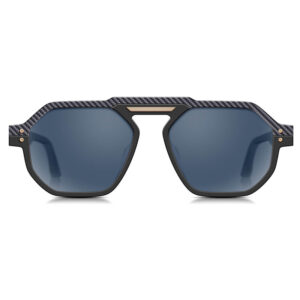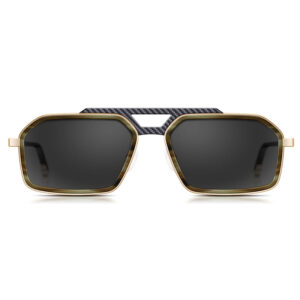
Introduction
Ever found yourself in a conversation with a supplier, and they’re tossing around terms like “pad arms,” “temple tips,” or “rim locks”—and all you can do is smile and nod?
Trust us, you’re not the only one.
For wholesalers, distributors, or independent eyewear brand owners, understanding the components of an eyeglass frame isn’t just nice to have—it’s essential. From customizing a collection to handling post-sale quality checks, knowing your frame anatomy can save you time, money, and frustration.
Here at EyewearBeyond, we work with buyers who are not just looking for a stylish design—they’re looking for reliable construction, smooth production, and long-term partnerships. Many of the components we use in our optical frames and sunglasses—like high-quality hinges, silicone nose pads, and stainless steel bridges—are the same type of materials used by well-known international eyewear brands. The difference? We offer flexible MOQ, full customization options, and factory-direct pricing.
So if you’ve ever looked at a big brand’s frame and thought, “I wish I could get something like this for my business—without the crazy price tag,” you’re in the right place.
Let’s break down all the essential parts of a frame, one by one, so you can make smarter, faster, and more confident decisions in your eyewear business.
So, What Are the Essential Parts of an Eyeglass Frame?
An eyeglass frame is made up of several key components that work together to provide structure, comfort, and style. The core parts include:
- Frame Front – the main section that holds the lenses
- Temples (Arms) – the sidepieces that extend over the ears to hold the frame in place
- Bridge – the part that connects the two lens rims and rests on the nose
- Nose Pads – soft supports that sit on the nose for comfort and grip
- Hinges – the joints connecting the temples to the frame front, allowing them to fold
- End Tips – the ends of the temples, often covered with plastic or acetate for comfort
- Screws – tiny fasteners that hold parts like hinges and pad arms in place
Optional but important components include spring hinges (for added flexibility), rim locks (to secure lenses), and branding elements (like logo plates).
At EyewearBeyond, we carefully select each of these parts based on durability, aesthetics, and comfort—whether it’s a TR90 temple for lightweight flexibility or a premium silicone nose pad for anti-slip grip. Many of our clients appreciate that we use industry-grade components comparable to global eyewear brands, without the inflated price. We even offer custom branding options on metal logos, top bars, and temples for private-label collections.
Knowing these parts not only helps you communicate better with suppliers but also helps you assess product quality, plan after-sales service, and customize designs for your target market.
Curious About What Makes a Frame Truly Functional and Market-Ready?
Now that you know the key components, let’s take it a step further.
If you’re planning to launch a new eyewear line, sourcing quality frames in bulk, or just tired of vague answers from suppliers when something breaks or doesn’t fit—this next section is for you. We’re breaking down over 15 individual eyewear components, with real-world examples and practical tips on what to look for in each part.
Whether you’re customizing frames for your brand, replacing damaged parts, or comparing options between different suppliers, this in-depth guide from EyewearBeyond will give you the edge you need to make informed decisions.
15 Common Types of Eyewear Components
1. Frame Front
The frame front is the most visible and central part of an eyeglass frame—it holds the lenses and defines the overall shape and style of the eyewear. It includes the lens rims, the bridge, and sometimes a top bar or brow bar depending on the design.
Pro Tip from EyewearBeyond:
Choose acetate or TR90 for bold fashion frames; go for metal or titanium for lightweight minimalist collections.
2. Temples (Arms)
Temples are the long side pieces that extend from the hinges and rest over the ears. They help keep the frame stable on the wearer’s head.
Key Feature:
Can be straight, curved, or flexible; often made from acetate, metal, TR90, or Ultem.
Business Insight:
Offer adjustable or spring-loaded temples in your collection to appeal to comfort-seeking customers.
3. Bridge
The bridge is the part that connects the two lenses across the nose. It plays a big role in comfort and weight distribution.
Types of Bridges:
Saddle bridge, keyhole bridge, adjustable bridge (with pad arms)
Our Approach:
At EyewearBeyond, we match bridge styles to face shapes and regional preferences (e.g., wider bridges for Western markets).
4. Nose Pads
Nose pads provide cushioning where the frame rests on the nose. They prevent slipping and improve wearability, especially for heavier frames.
Materials Available:
Silicone (soft, grippy), PVC (cheaper), Titanium (hypoallergenic)
Customization Tip:
For premium clients, we recommend silicone nose pads with titanium pad arms—comfortable and skin-safe.
5. Hinges
Hinges are the small metal joints that connect the temples to the frame front, allowing the temples to fold inward.
Types of Hinges:
- Standard barrel hinge (3- or 5-barrel)
- Spring hinge (for flexibility and comfort)
Buyer’s Tip:
Spring hinges reduce breakage and improve user satisfaction—great for daily-wear models.
6. End Tips
End tips are the soft or shaped ends of the temples that sit behind the ears. They provide grip and protect the skin.
Material:
Usually made from acetate or rubber. Some designs allow color customization.
EyewearBeyond Feature:
We offer engraved or branded end tips to add a signature touch to your private-label line.
7. Screws
Tiny but essential, screws are used in hinges, pad arms, and rim locks. Without them, the frame falls apart—literally.
Sourcing Insight:
We use stainless steel screws to avoid rust and improve frame longevity. For high-end lines, consider titanium screws.
8. Rim Locks
Rim locks (also known as lens locking mechanisms) are used in full-rim frames to secure the lenses in place.
How It Works:
They typically use a screw and clasp system to hold the lens inside the groove of the rim.
Best For:
Metal frames or thick acetate models where the lens may need extra locking power.
9. Spring Hinges
A type of hinge that offers extra flexibility and resilience, allowing the temples to bend outward slightly.
Why It Matters:
Increases frame lifespan and comfort for wearers with wider faces.
Pro Use Case:
Perfect for prescription eyewear lines where all-day comfort is a top concern.
10. Lens Groove / Rim
This is the inner edge or groove on the frame front that holds the lenses in place.
Design Differences:
- Full-rim: Groove runs around the entire lens
- Semi-rimless: Only partial groove, held by nylon wire
- Rimless: Lenses are drilled and attached with screws
Note from EyewearBeyond:
Precision cutting and matching groove depth are key to secure fitting—our QC team inspects every batch.
11. Top Bar
The top bar (or “double bridge”) is an additional metal bar that spans the top of the frame for structural and design purposes.
Popular Styles:
Aviator sunglasses, fashion-forward optical frames.
Design Tip:
Adds a masculine or industrial edge to your collection—good for unisex or men’s markets.
12. Brow Bar
The brow bar sits above the lenses and mimics the shape of eyebrows. Often seen in semi-rimless or oversized frames.
Function:
Adds rigidity and a bold design feature.
Best Used For:
Statement pieces or designer-inspired lines—combine with contrasting colors or finishes.
13. Pad Arms
Pad arms are the tiny metal extensions that connect nose pads to the frame front. Their adjustability directly affects fit.
Material:
Usually made from stainless steel or titanium.
EyewearBeyond Upgrade Option:
Offer adjustable titanium pad arms in your premium SKUs for higher comfort and better fit customization.
14. Hinge Covers or Decorative Elements
These are aesthetic add-ons like metal plaques, logos, or colored accents that enhance the look of the hinge area.
Purpose:
Used to hide screws or add a luxury touch.
Private Label Bonus:
We help you customize these areas with your brand’s signature shape or color to boost brand recall.
15. Branding Plates / Logos
These are small metal or embossed logos placed on the temple or end tips to display your brand.
Why It Matters:
Branding increases perceived value and customer loyalty.
With EyewearBeyond:
You can choose laser engraving, metal inlays, or silk screen printing—all customizable, even at low MOQ.
How to Choose Eyewear Components for Your Collection
When building an eyewear collection—whether it’s your own private label or a curated wholesale catalog—it’s not just about the frame style. The real success lies in selecting the right components that align with your brand image, customer needs, and pricing strategy.
Here’s a practical breakdown to help you make the right calls:
1. Choose by Material: Comfort, Durability & Cost
Different materials offer different benefits for each component. Here’s what to consider:
- TR90 – Lightweight, flexible, and budget-friendly. Ideal for sport or casual eyewear lines.
- Acetate – A go-to for fashion-focused brands. Allows vibrant colors, layered effects, and texture.
- Ultem – Heat-resistant and highly durable. Great for tech-driven designs and minimalist styles.
- Titanium – Hypoallergenic, ultra-light, and rust-resistant. Perfect for premium markets.
- Stainless Steel – Affordable and strong. Best for hinges, bridges, and core structural parts.
- Silicone – For nose pads and end tips. Offers comfort and anti-slip performance.
💡 EyewearBeyond Tip: We help our clients match materials not only to price targets but also to market fit—for example, TR90 sells extremely well in Southeast Asia due to its comfort in humid climates.
2. Choose by Design Aesthetics: Who Are You Targeting?
Component choice can make or break the final look of your frame.
- Want a retro or vintage-inspired frame? Go for keyhole bridges, rivet hinges, and acetate temples.
- For minimalist or techwear-inspired collections, combine titanium frames with laser-cut logos and rimless grooves.
- Building a youth-focused or streetwear line? Use chunky spring hinges, contrast-colored end tips, and logo plates.
- For luxury private label collections, prioritize seamless spring hinges, titanium nose pad arms, and metal logos.
🎯 EyewearBeyond Insight: We’ve seen clients increase their retail markup by 2X just by upgrading component details, while still keeping production costs under control.
3. Choose Based on Your End User’s Needs
Different user groups care about different things:
- Office workers / readers: Comfort and weight. Choose soft nose pads and spring hinges.
- Active lifestyle users: Durability and flexibility. Opt for TR90 temples and firm-fit end tips.
- Older customers: Lightweight frames, adjustable nose pads, and easy lens replacement.
- Fashion-first wearers: Prioritize styling—decorative top bars, engraved logos, bold frame fronts.
🛠️ At EyewearBeyond, we consult with buyers before production to help map component selection to end-user needs—and that reduces product returns and increases sell-through.
4. Choose Based on Supplier’s Capabilities
Sometimes, it’s not just what you want—but what your supplier can do well.
- Does your supplier offer customization on hinges, pad arms, temple shapes?
- Can they source premium parts like titanium bridges or German screws?
- Do they have in-house QC to inspect component fitting before assembly?
📦 What We Offer at EyewearBeyond:
With 5 production lines and access to over 100+ component options, we can customize nearly every part of your frame—from raw material to final packaging. Whether you want to replicate the feel of a designer frame or create something uniquely yours, we’re equipped to support every step.
Component Materials: Pros and Cons of Popular Choices
Choosing the right material for each eyewear component isn’t just about cost—it’s about performance, durability, comfort, and how your product will be perceived by customers. Below is a practical, no-nonsense guide to the most common materials used in the eyewear industry today, with clear pros and cons to help you make smarter decisions for your collection.
1. Acetate vs. TR90 for Temples
| Material | Pros | Cons | Best For |
|---|---|---|---|
| Acetate | Rich colors, eco-friendly (plant-based), durable, moldable | Heavier than TR90, may deform under heat | Fashion-focused or premium optical frames |
| TR90 | Ultra-lightweight, flexible, heat-resistant, great for active wear | Limited in color/pattern options compared to acetate | Sports eyewear, kids’ glasses, value collections |
🔍 EyewearBeyond Note: Acetate temples offer a luxurious feel for premium clients, while TR90 is unbeatable for lightweight comfort and high-volume production.
2. Titanium vs. Stainless Steel for Hinges and Bridges
| Material | Pros | Cons | Best For |
|---|---|---|---|
| Titanium | Hypoallergenic, corrosion-resistant, ultra-light, premium | Higher cost, harder to process | High-end or minimalist collections |
| Stainless Steel | Strong, affordable, easy to mold and assemble | Heavier, less skin-friendly | Mid-range collections, robust daily-wear frames |
💡 Supplier Insight: At EyewearBeyond, we use CNC machines to process titanium parts with high precision—ideal for lightweight and minimalist frame designs targeting the high-end market.
3. Silicone vs. PVC for Nose Pads
| Material | Pros | Cons | Best For |
|---|---|---|---|
| Silicone | Soft, non-slip, comfortable for all-day wear | Slightly more expensive | Prescription glasses, premium sunglasses |
| PVC | Cost-effective, firm structure | Less comfortable, may slip during wear | Budget frames, occasional-use glasses |
👃 Recommendation: For private-label clients with a comfort-first audience, we always recommend silicone nose pads with adjustable titanium pad arms.
4. Ultem vs. Injection Plastic for Frame Fronts
| Material | Pros | Cons | Best For |
|---|---|---|---|
| Ultem | Lightweight, heat- and chemical-resistant, ultra-flexible | Limited color availability | Industrial, tech, or medical-use eyewear |
| Injection Plastic | Highly customizable, cost-effective, mass production ready | Less durable, prone to deformation | Fast fashion collections, promo giveaways |
⚙️ Production Note: Ultem is often used in rimless or thin temple designs for its flexibility. We recommend it for brands focusing on ergonomics or medical-grade specs.
Bonus: Choosing Hybrid Materials
Many successful eyewear collections today use hybrid construction—mixing acetate front + stainless steel temples, or titanium bridge + TR90 temples—for better balance and cost-efficiency.
🧩 At EyewearBeyond, we guide you through hybrid combinations that not only look good but also hit your price targets and appeal to specific customer demographics.
Which Eyewear Components Are Replaceable or Upgradable?
Whether you’re managing after-sales service, customizing frames for a specific market, or simply looking to extend the life of a product, knowing which eyewear components are replaceable or upgradable is crucial.
At EyewearBeyond, many of our clients choose to upgrade or swap out certain parts to either improve functionality or elevate their branding. Below is a breakdown of which components you can easily replace or upgrade—without redesigning the entire frame.
✅ Commonly Replaceable Components
These are the parts most frequently replaced during maintenance or customization:
- Nose Pads
- Easy to replace with a screwdriver or click-in system
- Options: PVC, silicone, titanium
- 💡 Upgrade Idea: Offer premium silicone pads with gold or titanium arms for upscale models
- Screws
- Used in hinges, pad arms, and rim locks
- Easy to lose or strip, but also easy to replace
- We use rust-resistant stainless steel screws for longevity
- Temple End Tips
- Slide-off or heat-fit designs
- Can be swapped for different colors or ergonomic shapes
- 🔁 Great way to refresh stock without producing new frames
- Rim Locks (for full-rim frames)
- Can be tightened or replaced to secure lenses
- Especially important for prescription optical frames
- Decorative Elements (Logos, Metal Plates)
- Custom branding options are often modular
- We offer low-MOQ logo plate replacement for clients updating branding
⚙️ Upgradable Components for Enhanced Value
These parts can be upgraded in your designs to enhance comfort, perceived quality, and retail markup:
- Spring Hinges
- Upgrade from standard barrel hinges to spring hinges for better fit and flexibility
- Popular in premium reading glasses or everyday-wear collections
- Bridge Material
- Replace standard plastic or steel bridges with titanium or adjustable bridges
- Adds comfort and durability, especially in minimalist or rimless designs
- Temples
- Swap TR90 temples for acetate with embedded metal cores for a more luxurious feel
- Offer dual-material (acetate + metal) temples for modern styling
- Pad Arms
- Upgrade from fixed to adjustable pad arms
- Use titanium for hypoallergenic comfort
- Logo Techniques
- Replace silk-screen logos with engraved metal plates, or laser etching for a luxury touch
⛔ Non-Replaceable or Hard-to-Modify Components
Some parts are integral to the structure and not meant to be replaced:
- Frame Front (including lens groove)
- Main Hinge Housing (if molded into plastic)
- Lens Cutouts (specific to each frame shape)
For these, it’s best to finalize your design with your supplier during the prototyping phase.
🔧 EyewearBeyond Advantage:
We support clients with both stock replacement parts and custom upgrades for their frame lines. If you want to improve an existing model or need spare parts to ship with your order—we’ve got you covered, with low MOQs and fast turnaround.
Where to Source Eyewear Components in Bulk?
Sourcing eyewear components in bulk can be overwhelming—especially when you’re balancing quality, cost, customization, and delivery timelines. With so many suppliers out there, how do you find one you can trust?
Whether you’re launching your own line or supplying thousands of units to retail stores, choosing the right component supplier can make or break your business. Here’s where to look—and why EyewearBeyond is a smart choice.
1. China’s Eyewear Factories: The Global Sourcing Hub
China remains the world’s leading supplier of eyewear components, offering:
- Wide variety of materials and styles
- High-volume manufacturing capacity
- Competitive pricing
- Flexible customization options
However, many buyers complain about poor communication, unclear specs, inconsistent quality, or long lead times.
✅ EyewearBeyond Solution:
As a factory-based supplier in China with 5 production lines, EyewearBeyond combines the flexibility of small batch orders with the scalability of mass production. We speak your language—literally and operationally—and provide end-to-end support, from sourcing and prototyping to delivery and after-sales service.
2. Trade Shows and B2B Platforms
International events like MIDO, SILMO, and Hong Kong Optical Fair are great places to discover component suppliers. Online B2B platforms like Alibaba and Global Sources also offer listings of manufacturers.
But—not all listings are reliable. You’ll often find traders pretending to be factories, and vague MOQ policies.
🚫 Common Pitfalls:
- Hidden costs for custom parts
- No transparency on material grades
- Communication delays
- No help after you’ve placed the order
🌟 EyewearBeyond Advantage:
We’re not a middleman. As a direct factory partner, we show you the real production process, send QC photos and videos, and provide traceable documentation for material certifications and compliance.
3. Ready Stock vs. Custom-Made Components
- Ready Stock:
Perfect for fast orders or testing new markets. You can buy hinges, temples, nose pads, screws, and other parts in bulk with shorter lead times. - Custom-Made:
Ideal for private labels and brand owners. Design your own temple tips, add your logo, choose rare materials, or specify unique shapes for components.
🛠️ What EyewearBeyond Offers:
- MOQ from as low as 300 pairs per model for custom orders
- Mix-and-match component options (frame A + temples B + hinge C)
- Fast prototyping: mockups in as little as 7–10 working days
- Branding options: logo plates, laser engraving, color matching, and more
- Global shipping with logistics support
4. One-Stop Service for Growing Brands
For clients like Sam, who need bulk orders with consistent quality, and who don’t want the hassle of dealing with multiple suppliers, a one-stop service is the key.
At EyewearBeyond, we help you:
- Select the right components for your brand
- Customize and upgrade as needed
- Produce efficiently with your market timeline in mind
- Ship worldwide with documentation and post-sale support
🧩 Whether you’re ordering 1000 frames or developing 10 SKUs, we’re here to help you scale smartly—with the right components from day one.
Eyewear Assembly: How Components Are Put Together in Production
Understanding how eyewear components come together during production isn’t just for factory workers—it’s powerful knowledge for wholesalers, brand owners, and importers. Knowing the process helps you plan lead times, manage quality expectations, and ask the right questions when working with your supplier.
At EyewearBeyond, we follow a standardized, yet flexible assembly process that ensures every component fits precisely and functions properly. Here’s an inside look at how your frames go from individual parts to shelf-ready products.
Step 1: Component Preparation & Inspection
Before assembly begins, each component—frames, hinges, screws, nose pads, temples—is carefully inspected for:
- Material integrity (no warping, cracks, or discoloration)
- Size tolerance (micron-level precision for lens grooves and hinges)
- Surface finish (polishing, coloring, plating)
📌 EyewearBeyond QC Tip: We perform pre-assembly inspection on all incoming components, especially for custom parts, to avoid fitting issues later in the process.
Step 2: Lens Groove Cutting or Drilling
Depending on the frame type (full-rim, semi-rimless, or rimless), different techniques are used to prep the lens-holding area:
- Full-rim: Grooves are cut using CNC machines for exact lens fitting
- Semi-rimless: Nylon wire channels are carved out and reinforced
- Rimless: Holes are drilled into the lens for screw mounting
Step 3: Frame Assembly
Once all parts are verified, frames are assembled in the following sequence:
- Hinges are mounted on the frame front (screwed or laser-welded)
- Temples are attached using high-torque screwdrivers or pressure-fit systems
- Pad arms are set, and nose pads are installed
- End tips are fixed, often with heat to secure acetate tips
- Decorative logos, branding plates, and top bars are added (if applicable)
🧰 We use high-precision tools and jigs to ensure alignment, symmetry, and comfort across all pieces.
Step 4: Polishing, Surface Finishing & Color Coating
Depending on the frame material:
- Acetate frames undergo tumbling, sanding, and buffing for a glossy finish
- Metal frames may be electroplated, matte coated, or brushed
- TR90 & Ultem frames receive UV coating or soft-touch rubber finish
🎨 Customization: We also provide dual-color options, marbling, and transparent styles—popular with boutique brands and fashion-forward lines.
Step 5: Final Assembly & Fitting
In the last stage:
- Components are double-checked for alignment, balance, and screw tightness
- Frames are matched with demo lenses (for optical models) or sun lenses (for sunglasses)
- Every unit is tested for open/close resistance, hinge elasticity, and nose pad grip
📦 Packaging: Products are cleaned, packed in individual pouches or branded boxes, and labeled per your country’s retail standards (UPC, CE, etc.)
EyewearBeyond Quality Guarantee
Every production batch goes through multiple QC checkpoints, including:
- Initial component inspection
- Mid-assembly audits
- Final product checks before packing
- Optional third-party inspection (SGS, Intertek, etc.)
💼 With EyewearBeyond, you’re not just getting frames—you’re getting peace of mind, knowing your product was professionally assembled with global standards in mind.
FAQ: Eyewear Components
To wrap things up, here are some of the most frequently asked questions we hear from eyewear wholesalers, brand founders, and distributors—especially those who are just starting to customize or scale their collections.
These answers are based on real conversations with clients like Sam, and they reflect practical concerns about sourcing, customization, and quality control.
1. Can I buy just the temples or hinges without the full frame?
Yes. At EyewearBeyond, we offer both complete frame kits and individual components such as temples, hinges, end tips, nose pads, and screws.
This is especially helpful if:
- You’re doing in-house repairs or replacements
- You want to redesign an existing SKU
- You need to upgrade specific parts without changing your entire stock
📦 Minimum order quantities may vary by component, but we offer flexible options even for small batches.
2. What are the best hypoallergenic components for sensitive users?
For customers with skin sensitivities or allergies, we recommend:
- Titanium bridges and pad arms – nickel-free and corrosion-resistant
- Silicone nose pads – soft, breathable, and non-reactive
- Acetate or Ultem temples – no direct metal contact with the skin
💡 If you’re targeting premium or medical-grade markets, these materials are a must.
3. Which components influence the eyewear cost the most?
Several components can significantly impact the total cost per frame, including:
- Hinges – especially spring hinges or imported types (e.g. German OBE)
- Temple construction – dual-layer acetate + metal core adds to labor and material cost
- Bridge and pad arms – titanium adds quality, but at a higher price
- Surface finish – custom plating, color blending, or matte coating can increase the unit cost
🔍 EyewearBeyond Tip: If you’re looking to control cost, keep the frame front simple and focus your investment on temples or logos to boost perceived value.
4. Are all eyewear components standardized or do they vary by supplier?
Most components are not fully standardized, especially for fashion or custom-designed frames.
- Screw sizes, hinge placements, lens groove depth, and pad arm angles can vary
- Even “common parts” like nose pads may have different mounting systems (push-in vs. screw-in)
- That’s why we recommend sourcing all components from one supplier, or ensuring compatibility before mixing parts
📐 At EyewearBeyond, all parts are developed in-house or with long-term verified partners to ensure seamless fit and structural stability.
5. How long does it take to produce frames with custom components?
Lead times depend on how much customization is involved:
- Stock components + simple assembly: ~15–20 working days
- Custom temples / logos / finishes: ~25–35 working days
- Full custom frame molds: ~45–60 working days including prototype approval
🚀 We offer fast prototyping for key parts like temples, end tips, and logos—samples ready in 7–10 days.
6. Can I upgrade specific components in my existing design?
Absolutely. Many of our clients take an existing model and upgrade just one or two parts, like:
- Adding spring hinges to a bestseller
- Switching TR90 temples to acetate
- Replacing generic pad arms with titanium
🛠️ This allows you to refresh your collection without redesigning everything, and it adds value for your customers.
Conclusion
Understanding eyewear components isn’t just technical knowledge—it’s a strategic advantage for any eyewear business owner. From nose pads to temples, from hinges to branding plates, every part plays a role in defining the quality, comfort, and market appeal of your frames.
At EyewearBeyond, we help you go beyond just picking a design—we help you build better products from the inside out. Whether you’re sourcing ready-made parts or crafting a fully customized frame collection, we offer the materials, expertise, and flexibility you need to grow your brand with confidence.
💬 Have a design in mind? Need help choosing components?
Let’s talk—we’re here to make your eyewear ideas reality, one component at a time.